Sampling & Development
Clothing Sampling Process Guide: How Many Samples You Need Before Bulk
Proto, fit, pre-production and reference samples: decide what each stage must check, what the quote should include and how to record approval.
August 14, 2026 · Updated September 26, 2026 · 12 min read
Table of Contents
1. Sampling Is How the Factory Learns Your Product
A sample lets you check the proposed garment against the brief before approving the next stage. Record what it represents and what remains unresolved; one sample does not prove every property of a future production batch.
For the factory, each round of sampling also collects practical data:
- Does the fabric behave the way the spec assumes?
- Does the pattern produce the intended fit and proportions?
- Can the sewing line hit the seams, stitching, and trims on time?
- Does the finished garment match the measurement chart within tolerance?
None of that can be answered reliably from a drawing. A clear brief makes the proposed sample scope easier to review. If you have only sketches or reference photos, mark the unresolved specifications and use the tech pack template guide to organize the next development decisions.
2. Sample Stages: Proto, Fit, PP and Approval References
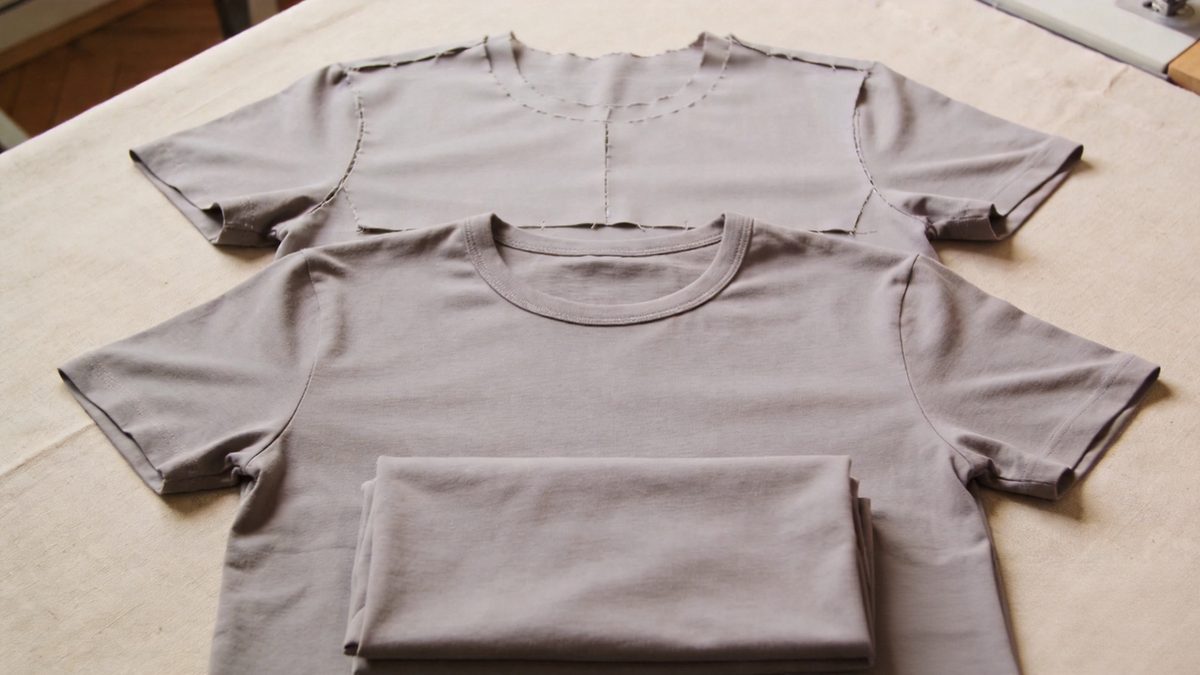
Separate design, fit and production-approval decisions, even when one physical sample supports more than one review. Agree which materials and construction each sample must represent.
| Sample or reference | Review purpose | Approval note |
|---|---|---|
| Proto sample | Design intent and proposed construction | Identify substitute materials and details that remain provisional. |
| Fit sample | Measurements, proportions and wearing fit | Record the size, garment condition, wearer or form reference and required revisions. |
| Pre-production (PP) sample | The agreed production materials, trims and construction | Record substitutions and unresolved items before approving production. |
| Sealed approval reference | The identified sample retained as an agreed comparison reference | Record its version, date and approval scope. Sealing a sample is not a separate proof of every property. |
| Shipment sample | A garment selected from production or the shipment | Identify its source and purpose; it does not replace the agreed inspection of the lot. |
Some styles also need special samples such as lab dips for color, print strike-offs, or embroidery approvals. Those are not extra luxuries; they are the color and decoration part of the same ladder.
3. How Many Samples Do You Actually Need?
Choose sample stages according to the unresolved risks, rather than promising a fixed number of rounds. A familiar basic may combine some reviews; a new pattern, fabric or decoration can require separate approvals and revisions.
Use this planning table to identify which reviews your style may need:
| Situation | Reviews to discuss | Why |
|---|---|---|
| Simple tee on stocked fabric | Whether design and fit can be reviewed together; final-material approval | Stock availability does not establish fabric behavior, so review the material as well as fit. |
| Hoodie or sweatshirt | Fabric and rib review, fit review and final-material approval | Assess the intended fabric, pocket placement, rib and proportions together. |
| Woven dress or tailored jacket | Construction and fit review; revisions as needed; final-material approval | Check ease, movement, lining and shaping in the intended materials. |
| New custom fabric | Material/color approval and garment reviews using representative fabric | Document substitutions; color and hand feel alone do not establish garment performance. |
| Multiple prints or embroidery | Artwork and decoration trials, placement review and finished-garment review | Decoration can affect hand feel, stretch and fit; assess it on the intended material. |
Define the acceptance criteria for each stage and repeat a review when an unresolved change affects them. Keep a dated sample and revision record so approval of one feature is not mistaken for approval of the whole garment.
For a hoodie or sweatshirt, record the fabric, fit and measurement requirements in the hoodie project brief before requesting a sample.
4. What Samples Cost
Request a written sample quote that separates development work, physical samples, revisions and delivery. Fabric, trims, pattern work and the size range affect the scope. Confirm whether any fee can be credited against a later order and the conditions attached to that credit.
Ask the supplier to itemize the following before development starts:
| Quoted item | Scope to confirm | Question for the supplier |
|---|---|---|
| Proto sample | Pattern work, materials, construction and sample quantity | Which items are provisional, and which are included in this fee? |
| Fit or revised sample | The changes included in the next round | How are new design changes separated from the agreed revisions? |
| Pre-production sample | Final materials, trims, sizes and construction | Are any materials substituted, and what approval remains open? |
| Pattern and grading | Base size, size range and file deliverables | Who retains the files, and which formats are supplied? |
| Lab dip or color sample | Color references, material and approval rounds | What happens if the first submission is not approved? |
| Decoration trial | Artwork, size, placement and intended fabric | Which tooling or setup costs are separate? |
| Delivery and fee credit | Shipping charges and any later order credit | What costs are excluded, and which credit conditions apply? |
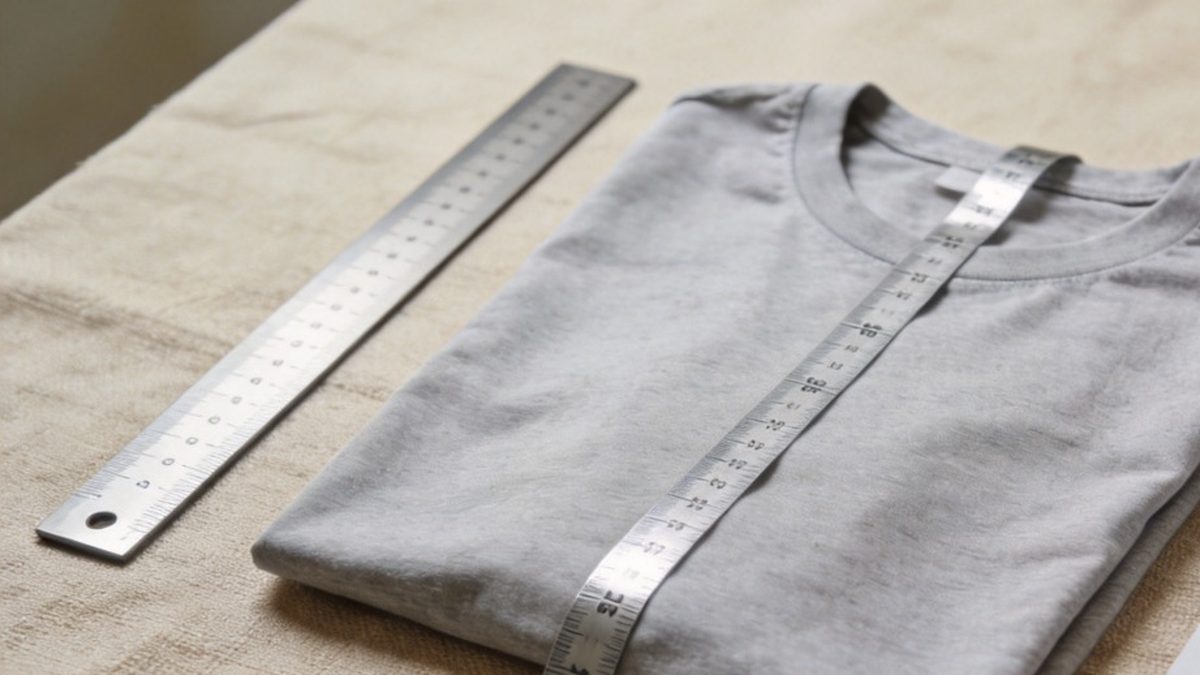
Compare quotes using the same sample stages, material assumptions, sizes and deliverables. Record any exclusions, extra revision charges and the conditions for approving additional work.
5. Timeline: What Moves the Clock
Confirm the sample schedule after the brief, material availability and required approval stages have been reviewed. Record the start condition and whether the estimate covers making the sample, shipping it or receiving your feedback. Bulk production timing is confirmed separately in the written quote for the order.
Check these dependencies when agreeing the schedule:
- Material readiness. Confirm sourcing, color approval and availability dates before promising a sample completion date.
- Changing the spec between rounds. Every change after the first sample resets part of the development work.
- Reviewing samples without a checklist. A vague "looks good" leads to a new round later, once the wrong detail is noticed.
Developing a jacket? Use the outerwear project brief to collect shell, lining, insulation and layering requirements before the next sample round.
Our production process page shows how sampling fits into the full order. Agree the review stages for your garment and order scope.
6. How to Review a Sample Like a Factory
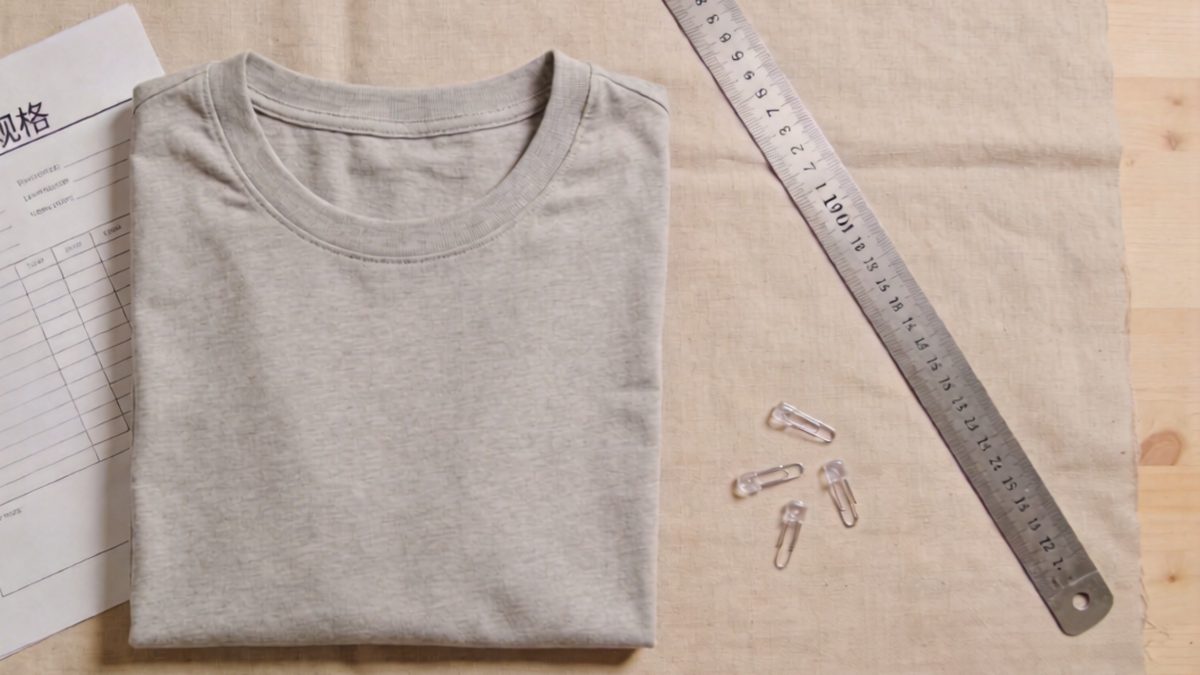
Do not just look at the sample. Measure it, weigh it, and compare it to the spec line by line.
For contrasting jacket panels, review the panel layout and seam-alignment checkpoints with the front in the agreed fastening condition, keeping material and construction approvals separate.
Reviewing a cap? The streetwear cap fit checklist separates crown depth, brim position and closure settings so a fit observation becomes a specific revision request.
For relaxed trousers, the streetwear pants fit review connects observations at the waist, rise, thigh and hem to a clear sample revision note.
A practical checklist:
- Measurements - check chest, length, sleeve, shoulder, and inseam against the size chart; note any measurement outside tolerance.
- Fabric - compare hand feel, weight, drape, and color against the approved fabric or swatch.
- Construction - check seams, stitches per inch, hem, collar, and buttonholes.
- Trims - confirm labels, zippers, buttons, cords, and artwork placement match the tech pack.
- Logo and name embroidery — record the exact artwork version, garment reference points and approval scope with the embroidery placement checklist.
- Jacket sleeves — record armhole, elbow and cuff behavior over the specified hoodie with the layered sleeve-fit checklist.
- Jacket hoods - check the face opening, side depth and back neckline against the intended layers using the jacket hood sample checklist.
- Adjustable jacket hems - record the starting setting and any observed change with the jacket hem drawcord review.
- Hoodie eyelets - use the eyelet sample review checklist to record hardware movement, fabric damage and drawstring contact under comparable conditions.
- Pullover pockets - compare the specified pocket placement with the sample before combining position, shape and reach into one revision comment.
- Size range logic - if you requested graded sizes, confirm the grade rules were applied and the extremes are wearable.
- Care and dimensional stability - agree which care conditions and measurement method to use for the intended materials, then record the before-and-after results.
Developing a lined dress? Record the coverage boundary and viewing conditions with this dress lining and opacity review.
Take photos of the sample from front, back, and detail angles, and attach them to your feedback. A reference photo is worth a paragraph of words.
Use the blank sample change log in the PDF and Excel project worksheets to record the sample ID, review date, observation, requested change and approval status. Keep the related photos and measurement notes under the same revision; confirm which changes are agreed before the next sample round.
Define your hoodie measurement tolerances alongside the approved size chart.
Reviewing leggings or training tops? Use our activewear sample checklist to record movement, coverage, waistband and seam concerns before the next sample round.
7. Common Sampling Mistakes
- Skipping the fit sample. A proto sample that looks good on a hanger does not guarantee the garment fits a body or matches your size chart.
- Approving based on a single size. If you sell XS-XXL, check at least the smallest and largest sizes before bulk.
- Changing the design after PP. Once the PP sample is approved, the bulk order should replicate it exactly. Late changes add time and cost.
- Not specifying tolerance. Without agreed measurements, the factory and the QC team will argue about what "close enough" means.
- Forgetting wash or shrinkage. A cotton hoodie can shrink differently from the sample if the fabric batch changes.
- Using one sample for color, fit, and decoration at the same time. If all three change at once, you cannot tell which one caused the problem.
FAQ
How many samples do I need before clothing production?
The number of rounds depends on the design, materials and unresolved revisions. Agree which design, fit and pre-production decisions each sample must support; combine stages only when their approval requirements can be met.
How much does clothing sampling cost?
Request a quote for the agreed sample stages, materials, pattern work, sizes and revisions. Confirm what is included, what additional changes cost and whether shipping or any fee credit is part of the offer.
How long does clothing sampling take?
Confirm timing after the brief, materials and sample stage are reviewed. Distinguish material readiness, sample making, delivery and buyer review time. Bulk production timing is confirmed separately in the written quote for the order.
What is a pre-production sample?
A pre-production sample is intended to represent the agreed production materials, trims, labels and construction. Record any substitutions and obtain written approval. It provides a production reference; it does not alone prove output at production speed or replace agreed bulk inspections.
Do sample fees count toward my bulk order?
Ask whether any sample or development fee is creditable against a later order. Record the applicable amount, conditions and timing in writing before sampling; do not assume a credit is included.
Ready to start sampling?
Send us your tech pack and we will review the spec, quote the sample ladder, and flag anything that will slow down the order.
Get a Free Quote →