
Adult Streetwear · Jacket Sampling
Streetwear Jacket Sleeve Fit Over Hoodies: A Sample Review Checklist
For an adult streetwear jacket worn over a hoodie, review sleeve fit with the hoodie specified in the brief. A boxy body or dropped shoulder may be part of the design, but neither confirms room through the armhole, elbow or cuff. Before sample approval, record how the jacket behaves when the wearer reaches forward, bends an elbow and closes the cuff over that hoodie. Keep the sample version, size, hoodie reference and front closure state with each note.
The aim is to review movement while preserving the silhouette the brand wants. Define the intended shoulder line, sleeve volume and cuff position before asking for changes. There is no universal amount of ease for every jacket-and-hoodie combination, and a photograph cannot establish the cause of a fit problem. Where a target is missing, agree it with the buyer and technical team first.
If the shoulder construction is still undecided, the raglan vs drop-shoulder brief helps define the seam layout and measurement routes before you compare layered fit.
Start with the intended hoodie and sample state
Use the specified hoodie and repeatable garment conditions for every sleeve comparison. Identify the jacket style, sample version and size, then record the hoodie style, size and sample reference. If the range includes several layering options, review each named combination separately. A thin jersey top cannot stand in for a fuller hoodie when that hoodie is the intended layer.
The fall/winter collection development guide puts this seasonal streetwear layering check within a broader outerwear review. For this sleeve check, also note whether the jacket front is open, partly closed or fully closed. The front position can affect how the shoulder and armhole sit. Keep cuff tabs, snaps or other adjustments at a stated starting position. If you change a setting, label the second observation rather than mixing two conditions.
Choose a short set of movements tied to the design: arms relaxed, elbows bent, a forward reach, and any other action the brief actually calls for. Photograph the front, side and back where each view clarifies a concern. Note what the wearer feels separately from what a picture shows. A still image may locate a pull line; it cannot by itself establish comfort, seam construction or durability.
Review the armhole and upper arm
Check whether the armhole and upper sleeve allow the intended layer and movement without an unwanted pull. Start with the arms relaxed. Compare the shoulder line and upper-sleeve shape with the approved reference. If the brief calls for a dropped shoulder or a boxy body, record those proportions as features to preserve. Then repeat the forward reach. Record where tension or bunching appears: at the front armhole, underarm, back armhole, upper sleeve or jacket body. “Tight at the shoulder” is too broad to guide a useful revision.
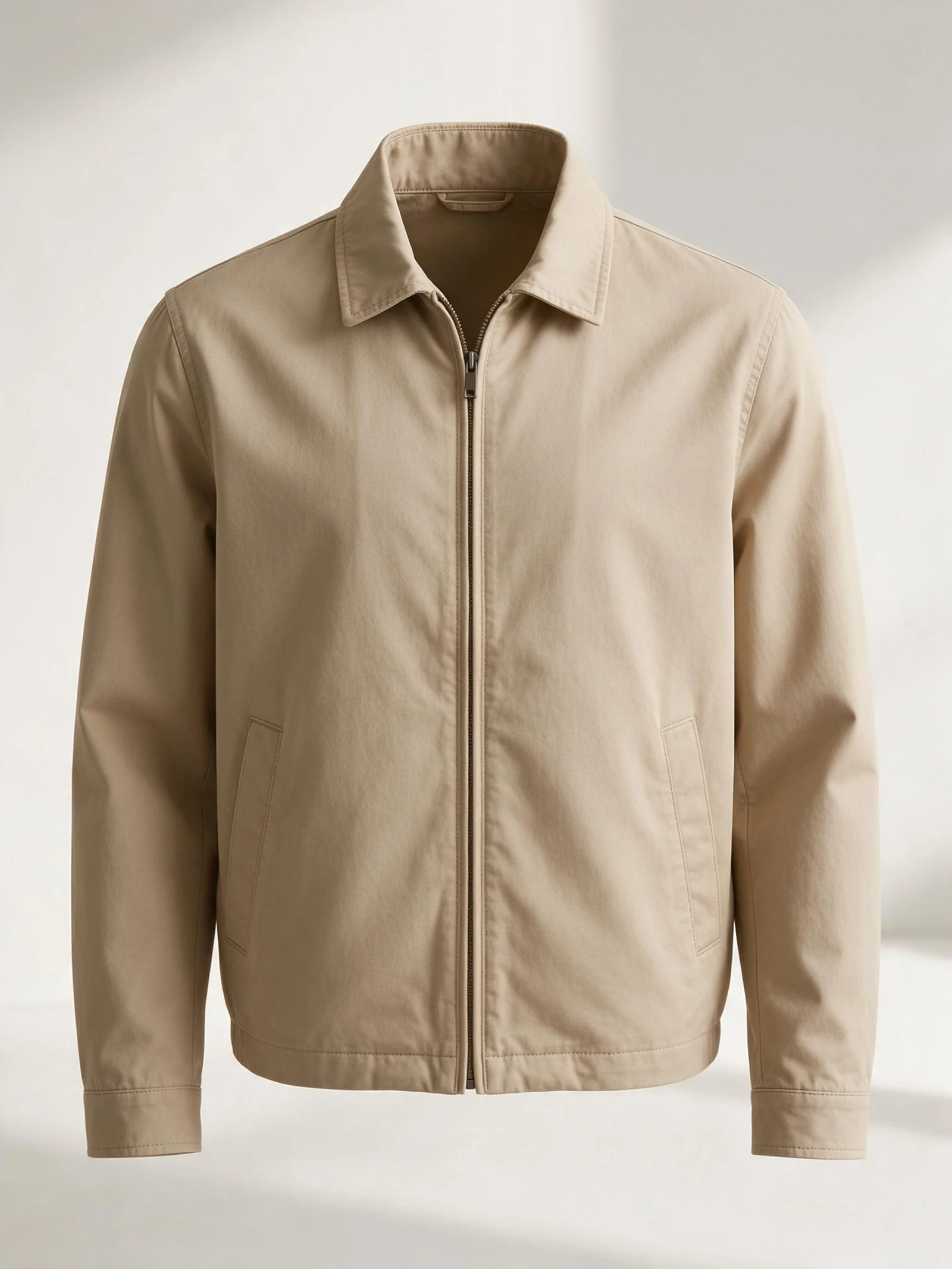
A dropped shoulder or low-looking armhole is not automatically a defect, and a higher armhole is not automatically better. Pattern shape, sleeve volume, lining and the intended silhouette must be assessed together. Ask the technical team to inspect the relevant pieces and assembly if a movement consistently changes the shape. Do not instruct it to simply enlarge the armhole: a local change can alter the shoulder, sleeve cap or underarm relationship.
Look at the hoodie after the reach. Does its sleeve bunch inside the jacket or remain in the starting position? Does the outer sleeve pull the jacket body upward? Describe what happened and which component you could actually see. If the lining appears to catch or twist, the separate jacket lining pulling checklist helps frame a lining-specific review; it should not be treated as proof of the cause here.
Check elbow bend and sleeve movement
Compare the sleeve at rest and in a named bend or reach, then record the change at the elbow and wrist. Use the same jacket sample and hoodie. With the elbow bent to the action agreed in the brief, note whether the fabric strains across the outer elbow, folds heavily inside the bend, or feels restrictive. Then return the arm to rest and see whether the sleeve and lining settle back as intended. A design may deliberately use extra volume or shaped panels, so assess against its target rather than an arbitrary smooth appearance.
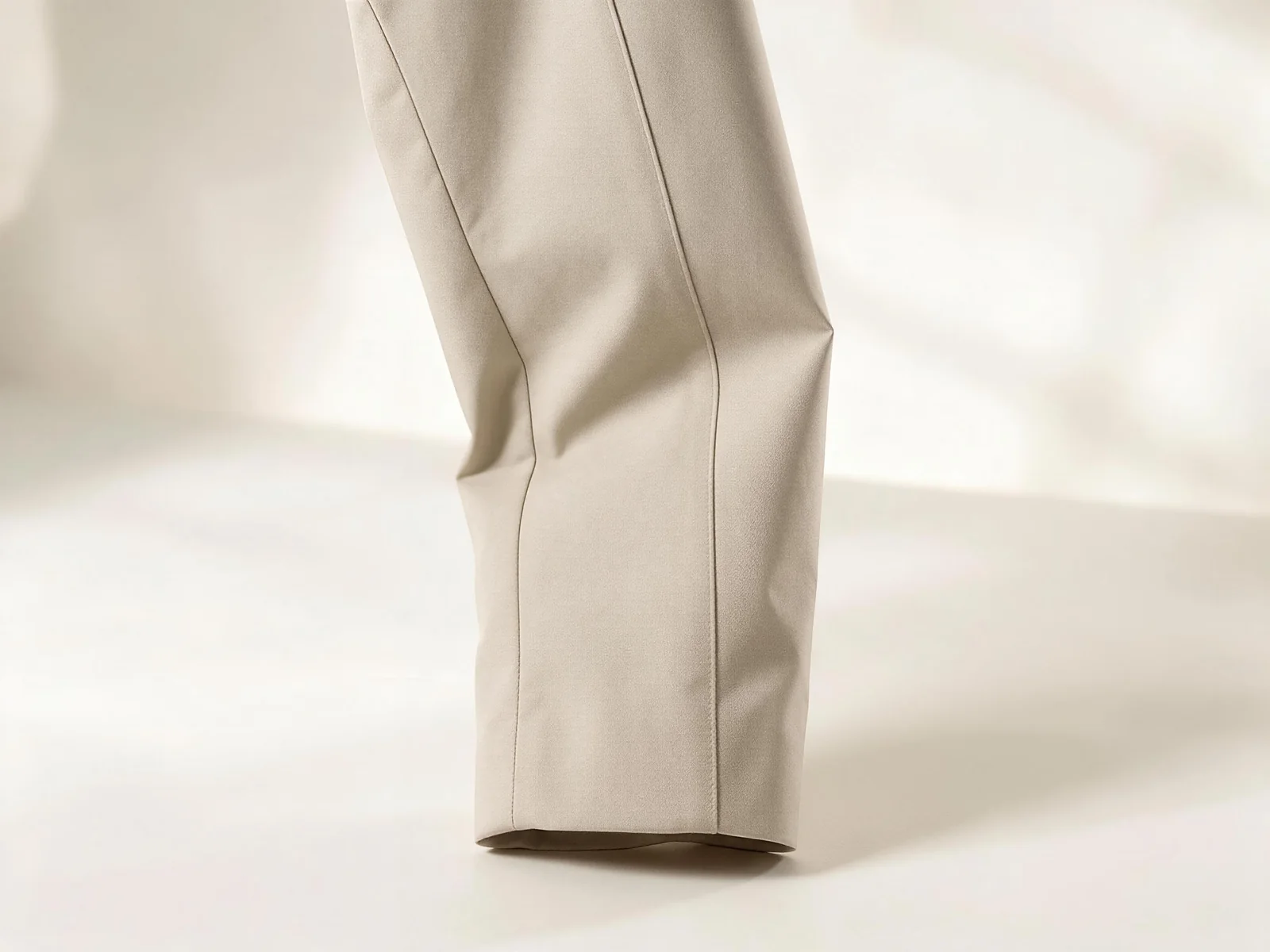
Where possible, take a relaxed and bent view from the same side. If you measure sleeve length or an elbow position, state the endpoints, arm position, cuff setting and layer. A number without those conditions is hard to compare across samples. Record visible changes as observations: “When the right elbow bends over the specified hoodie, the sleeve edge moves above the agreed wrist reference.” This is more useful than “sleeves are too short.”
Separate sleeve movement from whole-jacket movement. A hem or shoulder that shifts at the same time may change the apparent cuff position. Ask the technical team to review the shoulder, armhole, sleeve and body relationship before prescribing a sleeve-length change. The next sample should be checked in the same action and layer so the buyer can judge whether the revision solved the observed problem without creating another.
Check cuff position and closure over the hoodie
Review cuff coverage with the arm relaxed and bent, using each closure setting that matters to the design. Note where the jacket edge sits relative to the wrist and hoodie cuff at rest; then repeat after the chosen reach. If the jacket uses a tab, snap, elastic or shaped opening, state its position. A cuff that closes comfortably on a thin layer may behave differently over the specified hoodie cuff.
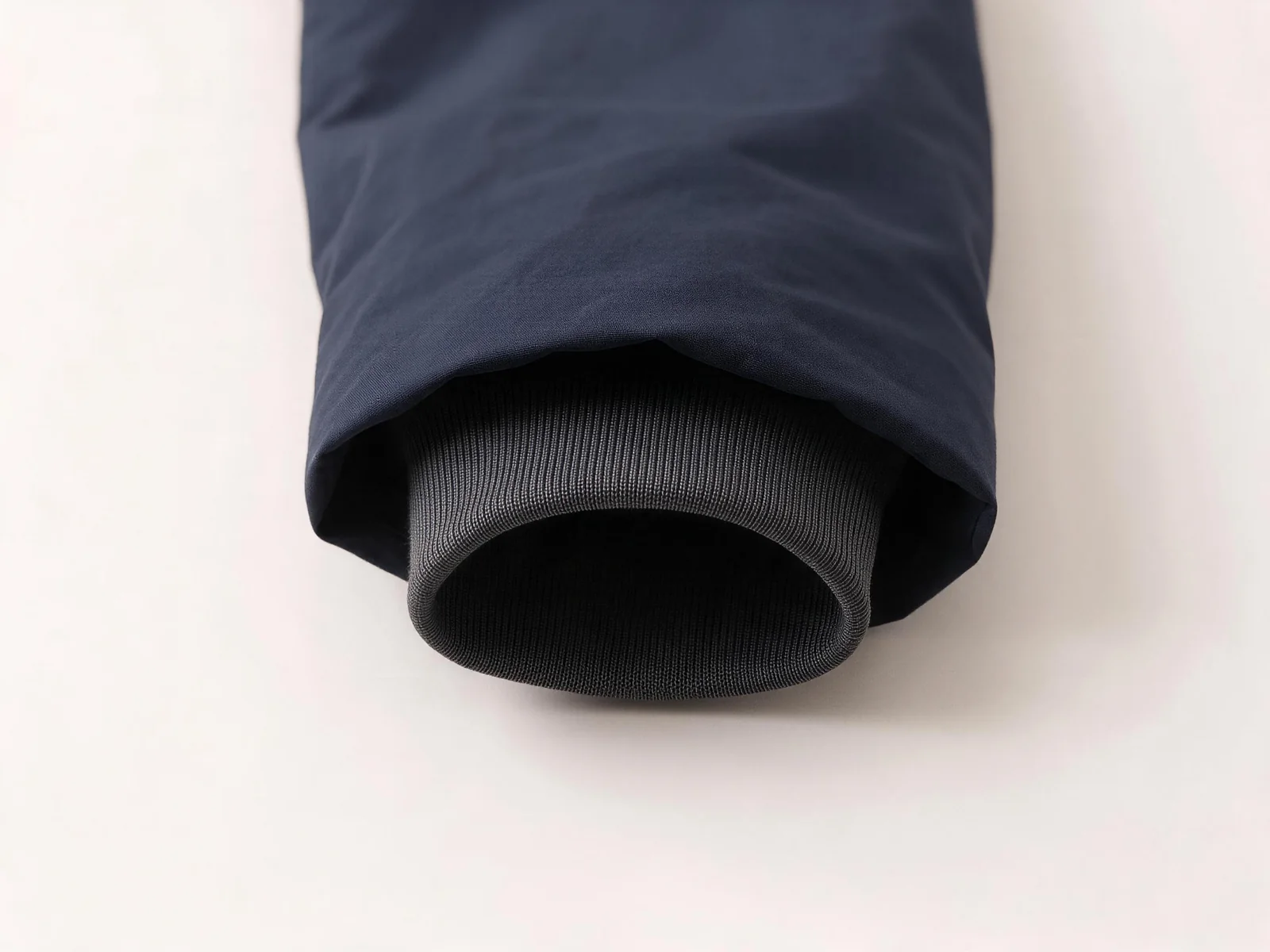
Record whether the hoodie cuff remains visible or bunches at the opening, whether left and right jacket cuffs behave alike, and whether a tab or closure can be used as intended. Compare cuff exposure with the styling brief; visible layering may be intentional. “The right cuff tab reaches its planned closure position at rest but pulls open during the agreed forward reach” identifies a condition for the next review. It does not establish why that happens.
This check concerns an outerwear cuff opening and sleeve position. It is distinct from whether a rib-knit hoodie cuff recovers after stretching. If the jacket design includes a separate inner cuff, name it separately from the outer opening and record which component created the concern. Do not assume a photographed outside edge shows the concealed construction.
Put a focused request into the next sample brief
A useful sample comment records the target, observed behavior, unanswered question and next check under the same conditions. Keep observations and requested changes in separate fields. Attach the corresponding views, indicate left or right, and mark any material or construction information that the team still needs to confirm. The sampling process guide covers versioned review, while the tech pack guide shows where to keep the specification and construction questions.
Copy and complete the following note with actual project details:
Style / sample version / size / review date: ____
Shell, lining and sleeve-construction references (or unknown): ____
Hoodie style / size / sample reference and jacket front-closure state: ____
Intended shoulder line / sleeve volume / cuff exposure to preserve: ____
Cuff setting and agreed movement(s): ____
Armhole / upper arm: target; observed location and action: ____
Elbow: target; relaxed and bent observations: ____
Cuff: target; rest and movement observations, left/right: ____
Photo or short-video references: ____
Questions for the technical team, separate from observations: ____
Proposed revision and features to preserve, after team review: ____
Conditions and open items for the next sample check: ____
Can I approve jacket sleeve fit over a hoodie from a flat photograph?
No. A flat view can document appearance, but layered fit and movement need the identified jacket, hoodie and agreed actions. Photos support comparison; they do not replace sample review or verify hidden construction.
Should I ask for a larger armhole when reaching feels tight?
Describe where and when the restriction occurs first. The technical team should assess the armhole, sleeve, shoulder, lining and intended silhouette together before proposing a pattern change. A larger opening is only one possible proposal, not a default fix.
What if the cuff looks correct at rest but rises when the elbow bends?
Record the cuff's rest and bent positions, the layer and closure setting, and whether the jacket body also moves. Use those repeatable conditions to review the next sample rather than judging the cuff from one still view.
For an adult streetwear jacket project, use the outerwear project brief to share the intended hoodie, jacket silhouette, cuff construction and unresolved sample questions. GoVoloom can discuss the design-development and production requirements against that specific brief; timing and other commercial terms belong in the written project discussion.