
 AI design concept
01 / Pants
Casual trousers
A straight-leg woven direction with a clean waistband and simple pocket layout.
Define in your briefWaist / rise / inseam / leg opening / closure
Discuss this directionPants · OEM & ODM
Start with the waist, rise and leg shape, then define the fabric and pockets. A clear measurement brief makes casual trousers, cargo pants and sweatpants easier to compare.
Pricing and bulk production timing are confirmed per order.
Your project at a glance
Share the style, materials, quantities and finishing details.
Record the agreed specification and any changes before approval.
Include your destination and target arrival date in the brief.
01 / Design directions
Three trouser directions to help explain your collection. These AI-generated visuals illustrate designs, not stocked garments or completed customer orders. Approve the fit and construction through sampling.
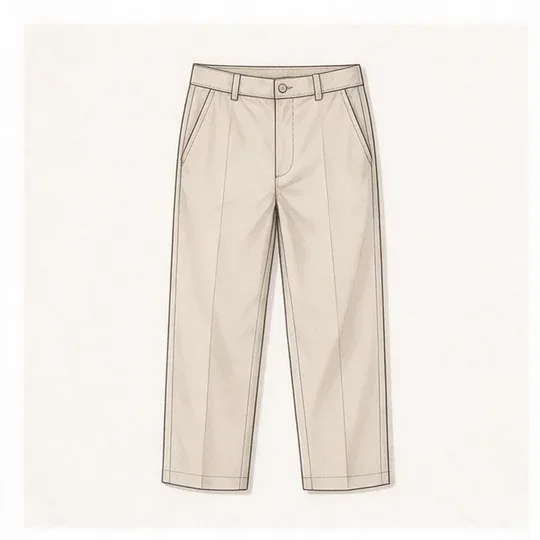
AI design concept
01 / Pants
A straight-leg woven direction with a clean waistband and simple pocket layout.
Define in your briefWaist / rise / inseam / leg opening / closure
Discuss this direction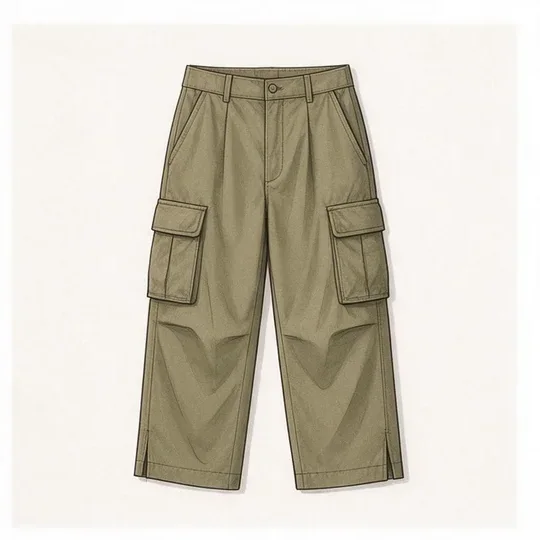 AI design concept
02 / Pants
A relaxed-leg direction with side cargo pockets and a defined waistband.
Define in your briefPocket volume / placement / leg shape / fastening
Discuss this direction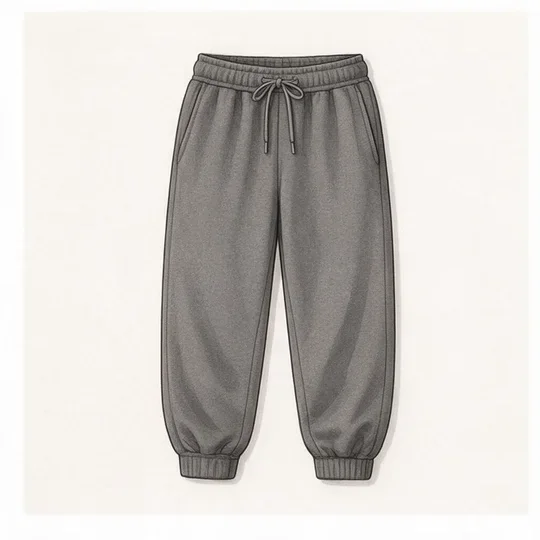 AI design concept
03 / Pants
A relaxed knit trouser direction with an elasticated waist and gathered cuffs.
Define in your briefWaist stretch / rise / inseam / cuff opening / pocket depth
Discuss this direction02 / Material decisions
A fabric name is a starting point, not a full specification. Bring the desired look and feel; review the actual material before committing to the garment.
| Direction | What it changes | What to confirm |
|---|---|---|
| Woven twill directions | Compare the structure and drape wanted for casual or cargo pants. | Specify composition, weight and stretch needs; compare actual swatches before selecting. |
| French terry or fleece | Offer different inner surfaces for a sweatpant direction. | Review inner feel, drape and dimensional change with the proposed fit and care method. |
| Waistband & pocket components | Affect waist fit, closure function and pocket shape. | Approve elastic, drawcords, zips, buttons and pocketing together with the main fabric. |
Confirm composition, weight, color, care and any required supporting documents as part of your material brief.
Look closer
Use these independent design references to explain shape, construction and finishing. They are AI-generated concepts; your brief and approved sample define the final garment.
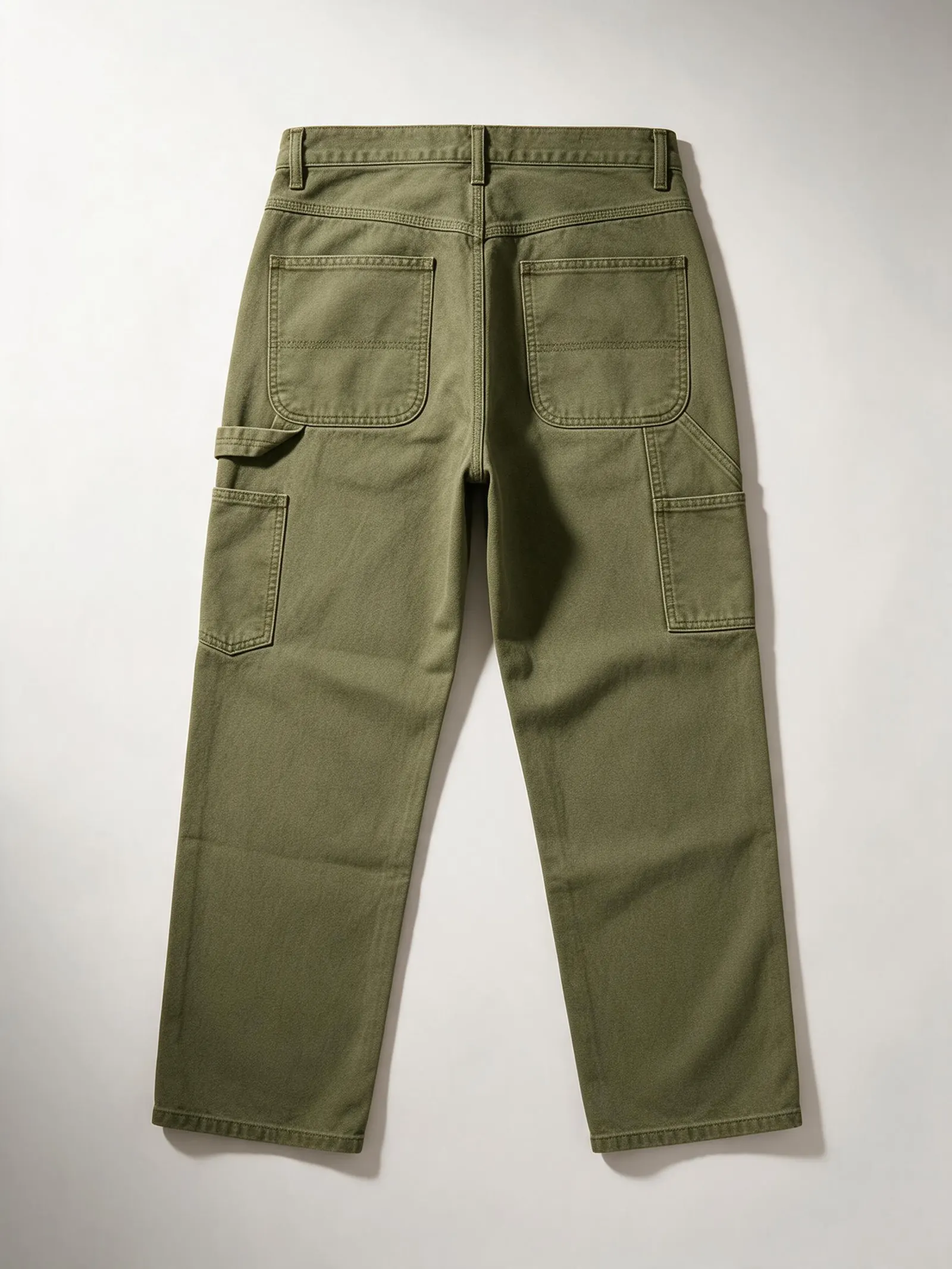
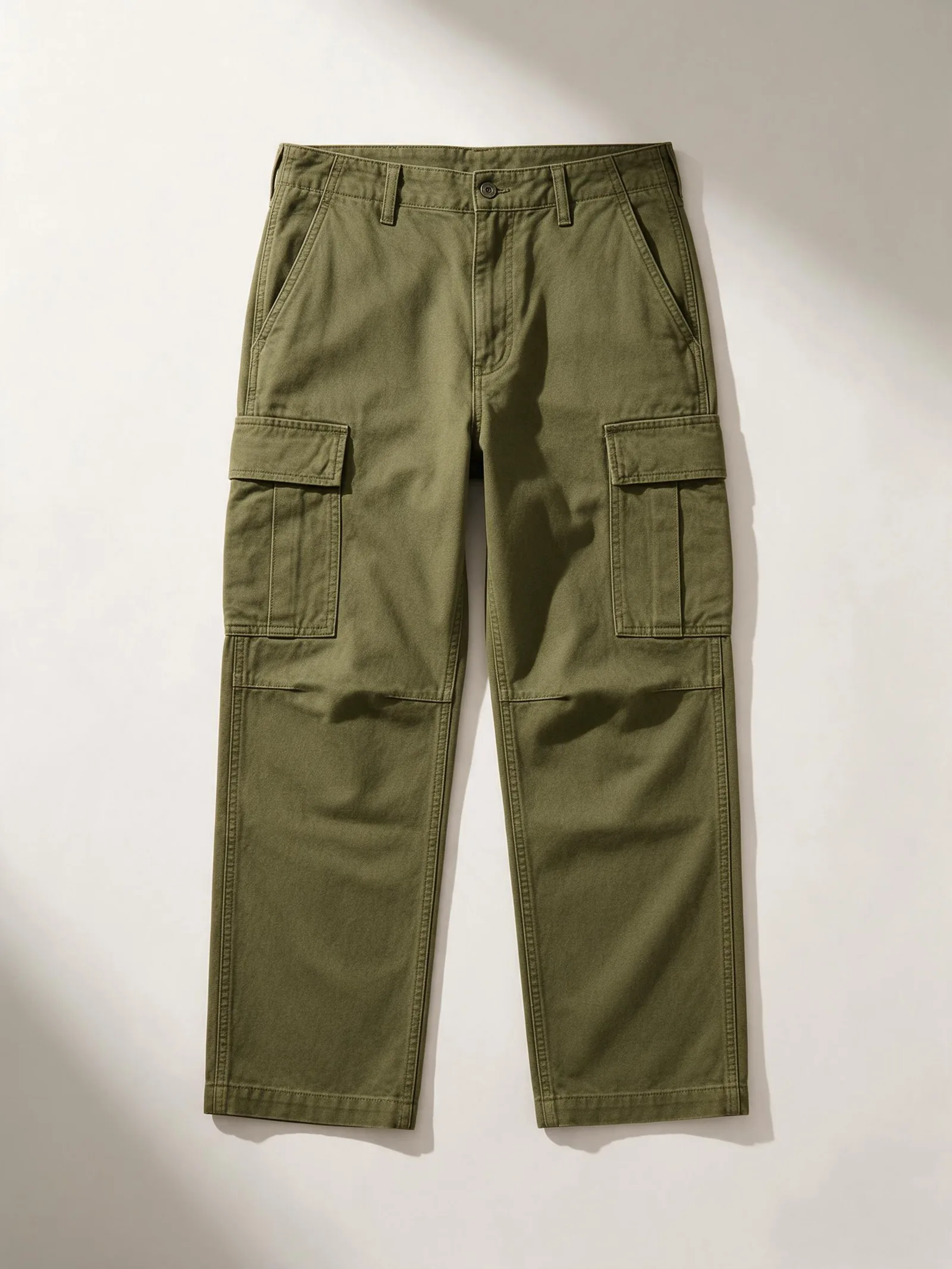
Specify back pockets, rise and leg shape in your brief.
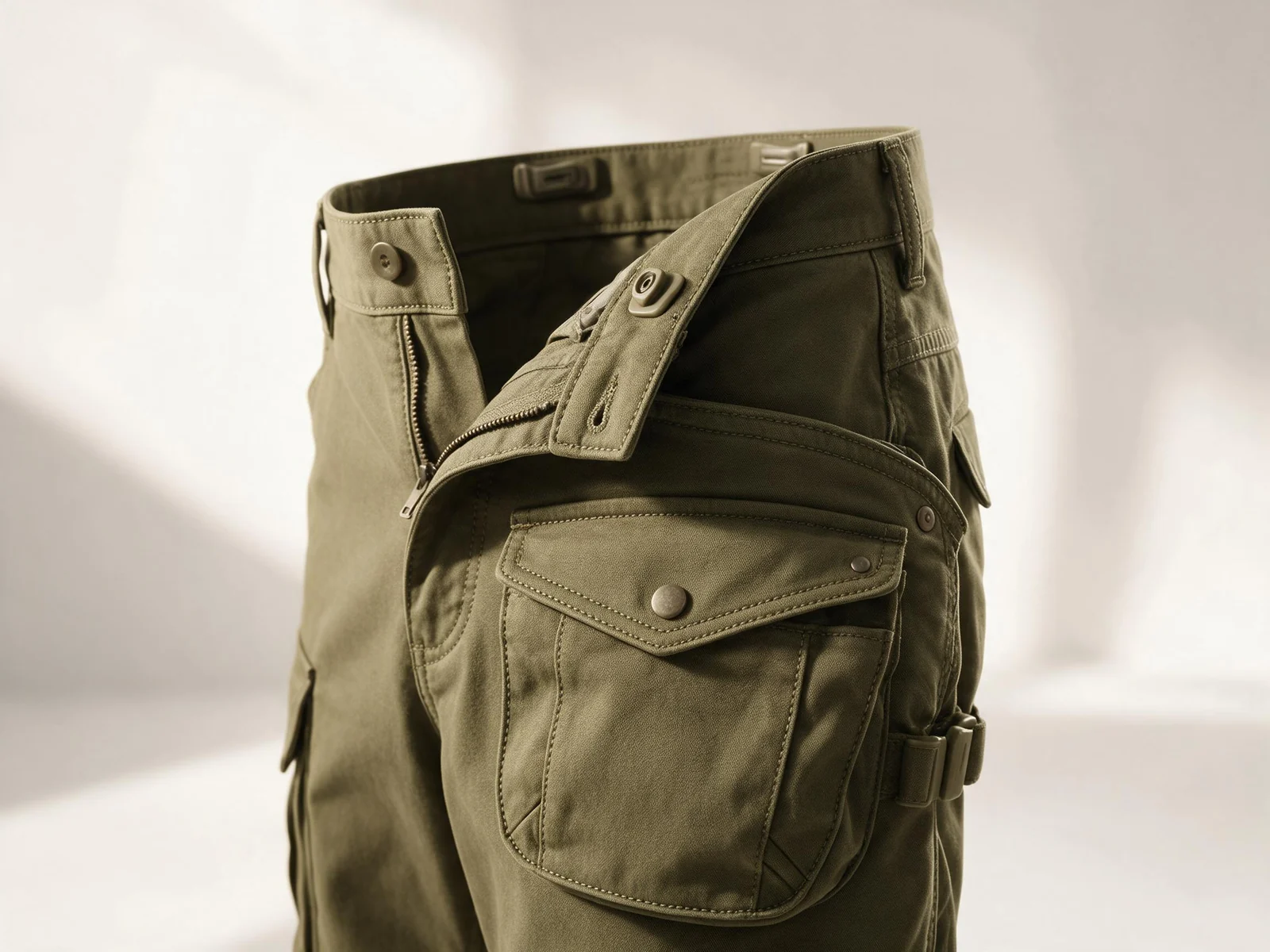
Define pocket dimensions, closures and waistband construction.
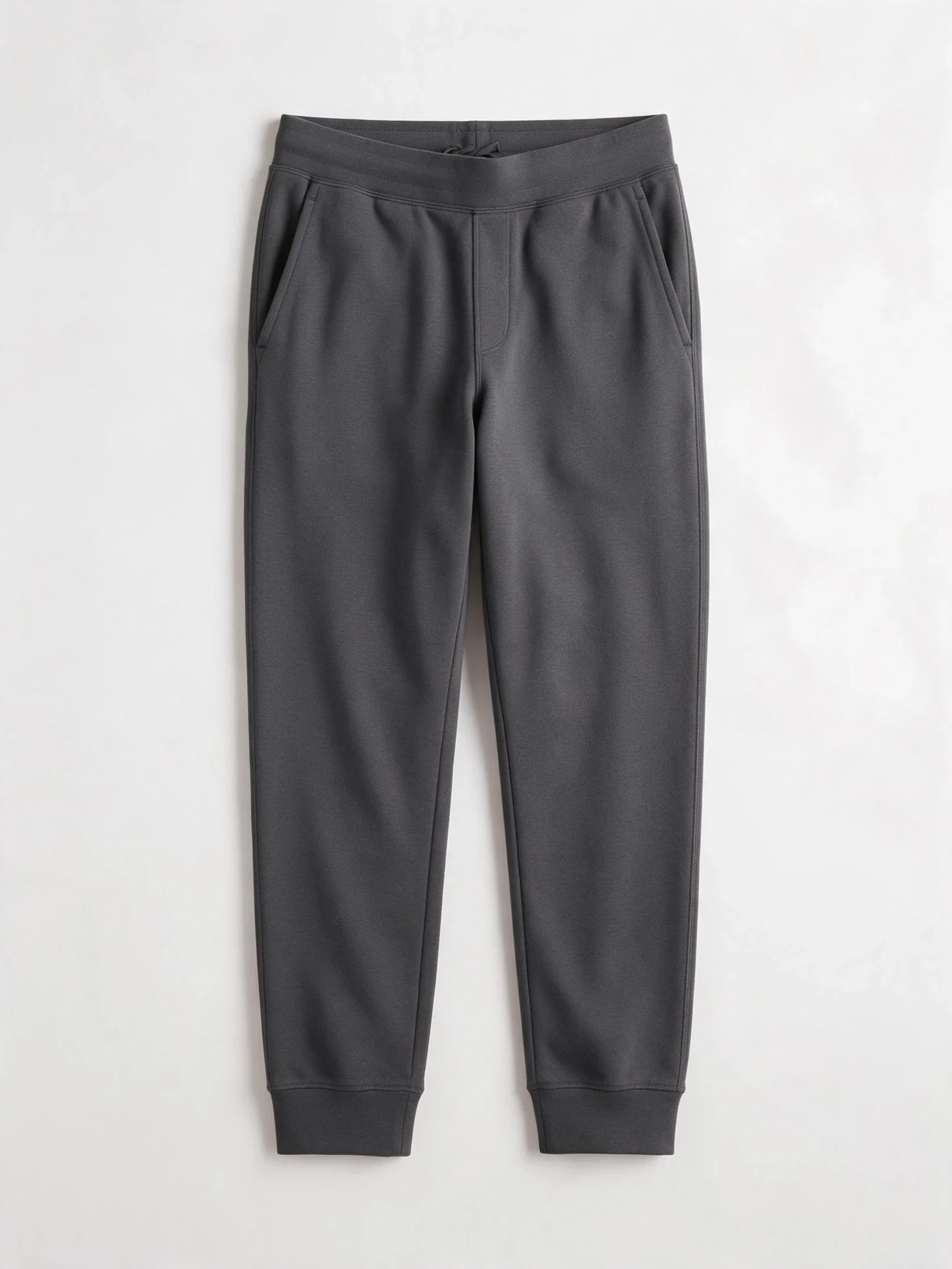
Discuss the waist, rise, leg shape and cuff opening.
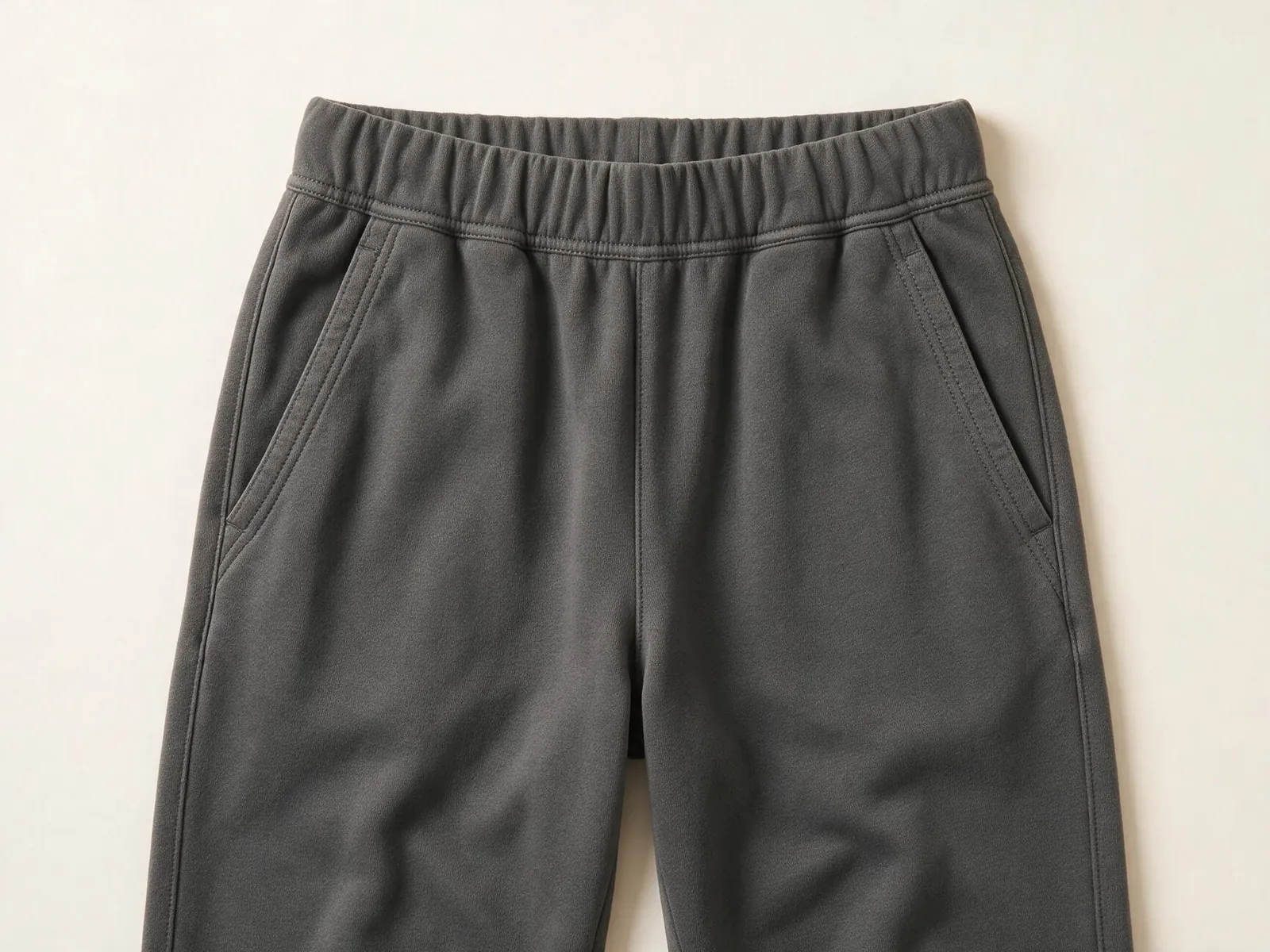
Define the waistband width, elastic fit and pocket opening in your pants brief.
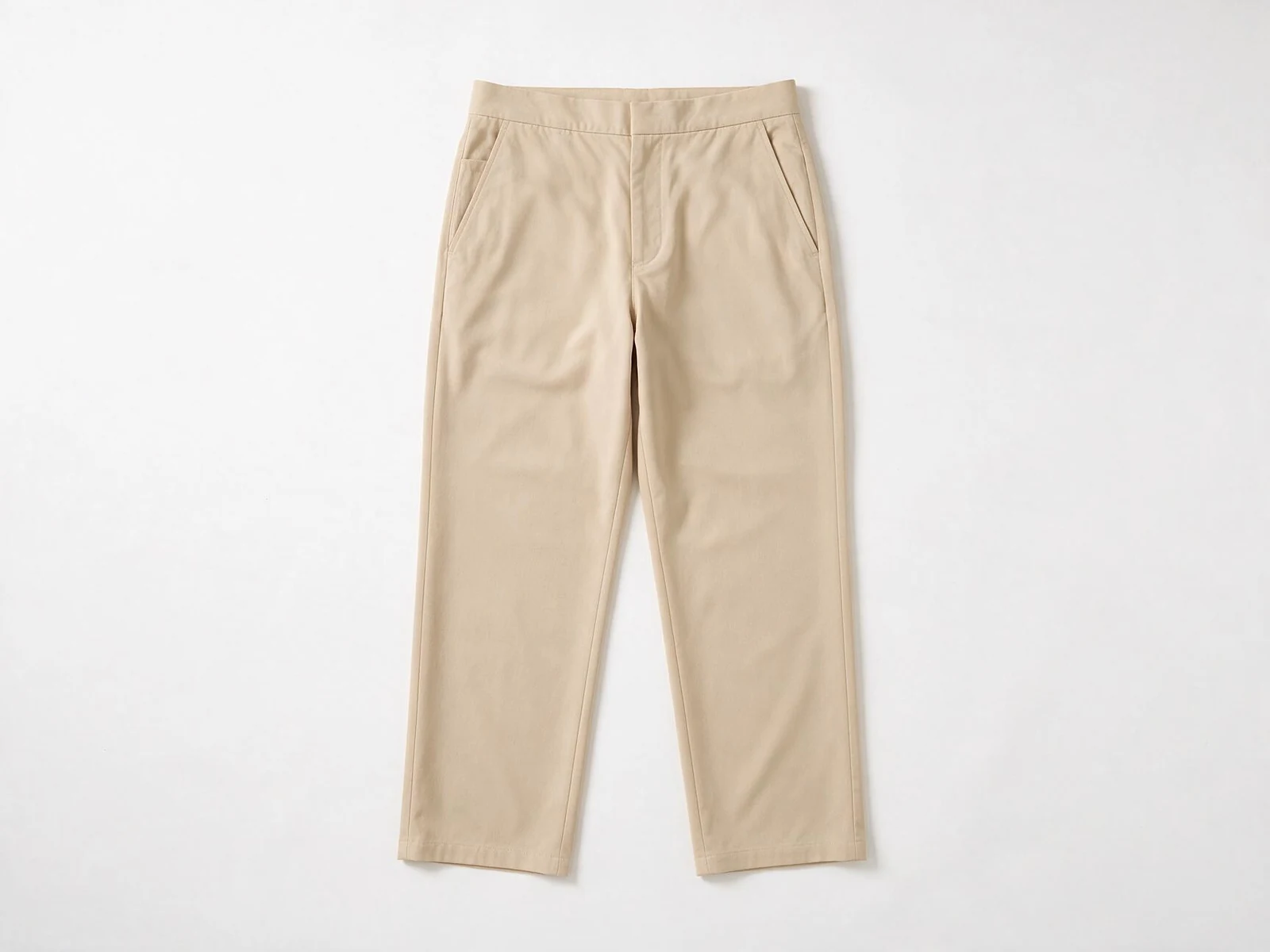
Plain silhouette and slanted front pockets for style discussion.
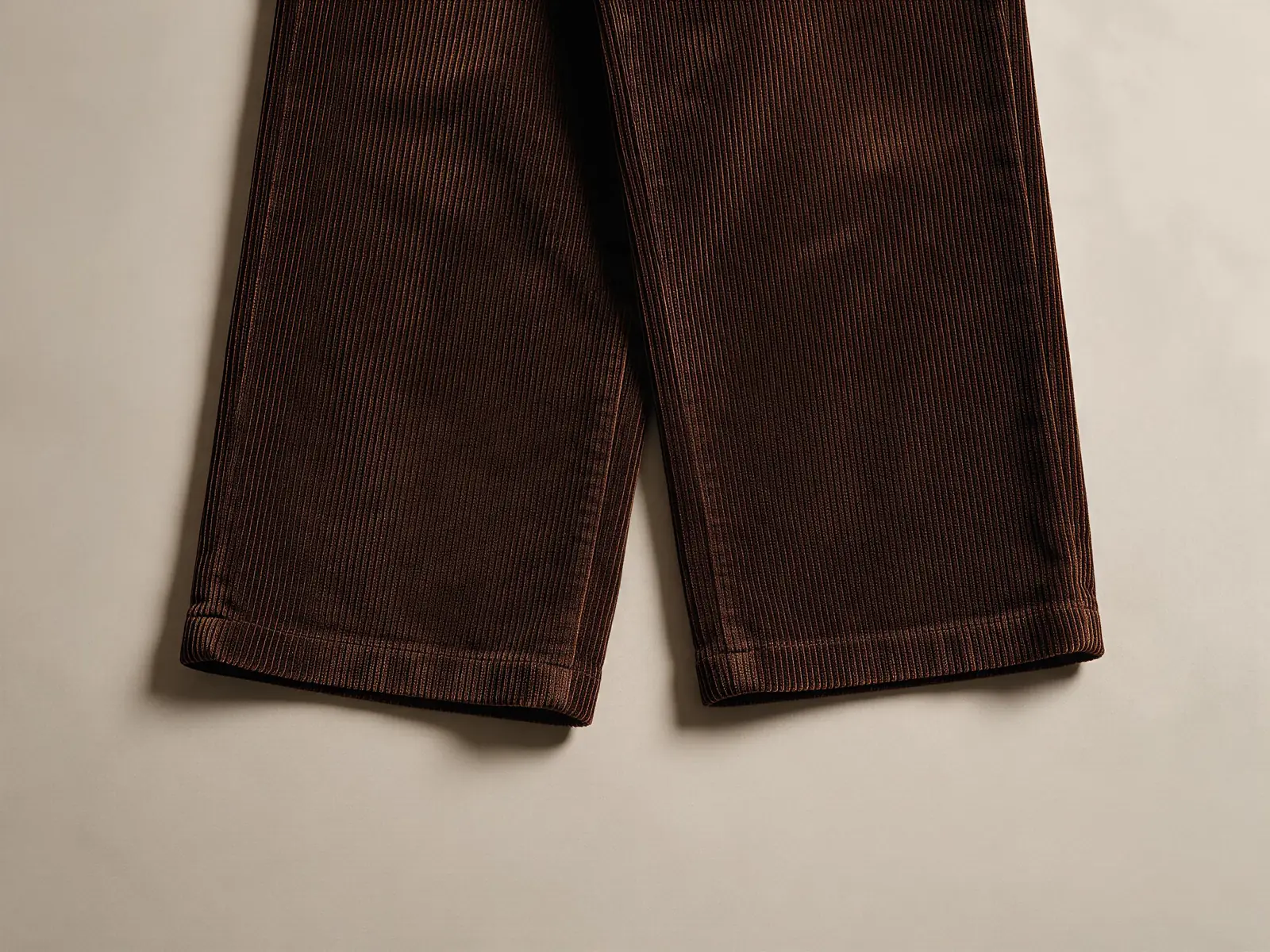
Define hem width, stitch placement, leg line, and length.
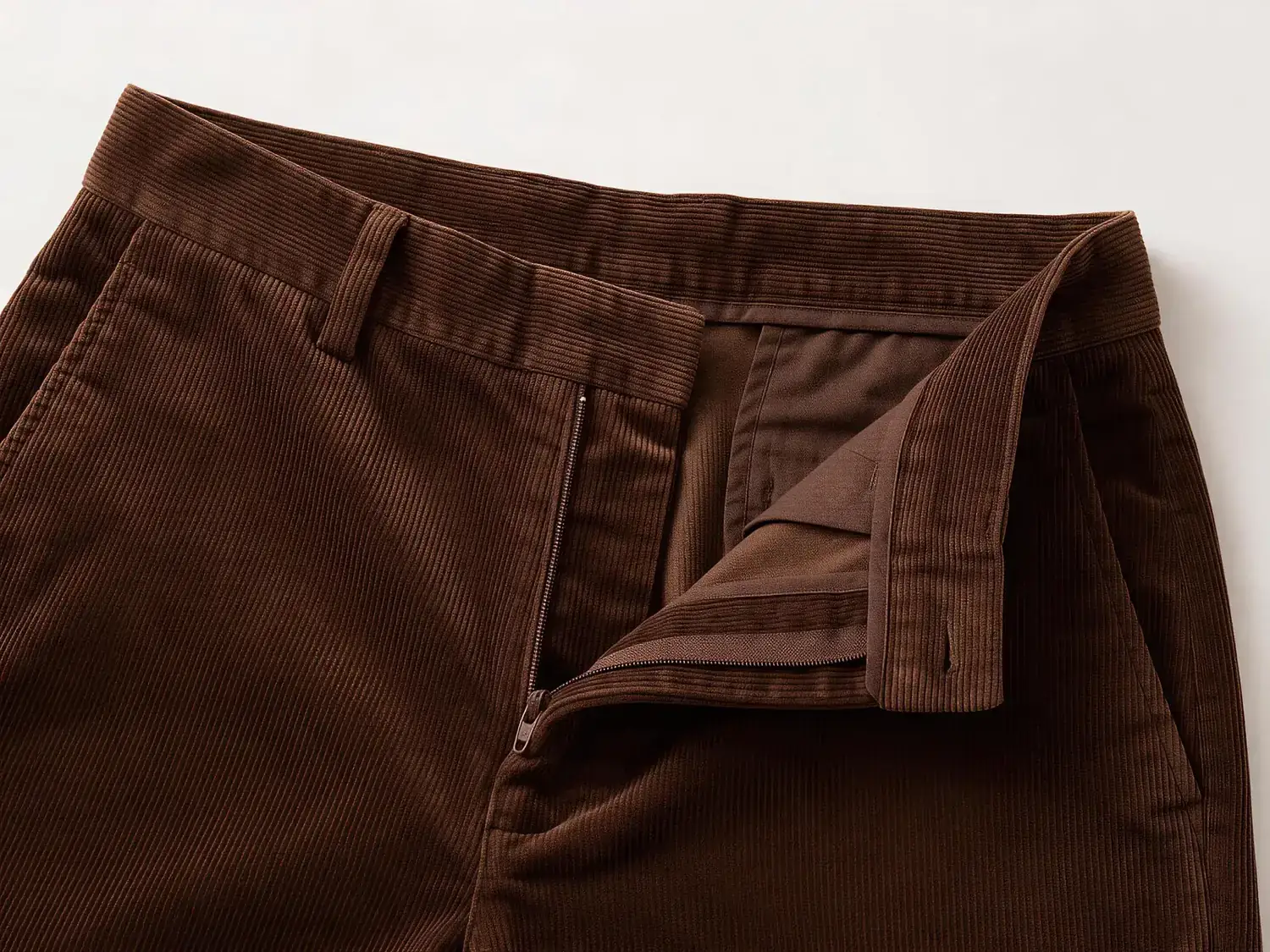
Use the visible fly layers to explain the opening, facing and topstitching you want reviewed.
03 / Before sampling
Use these checkpoints to turn an image into a clearer development brief.
Send your referencesProvide waist, hip, front and back rise, inseam and leg opening measurements. Use a reference garment to make the intended silhouette clear.
Define fixed or elasticated construction, belt loops, drawcords and closure details. Review waist fit in the intended size range.
Specify pocket openings, depth, placement and closures. Compare access and appearance while wearing the sample.
Agree the material direction and care method, then check dimensions and appearance after care. Confirm any stretch or other performance requirement with an appropriate specification and evidence.
04 / Finishing
A short, relevant selection for this category. Suitability depends on your material and artwork and should be checked on a sample.
Discuss placement around pockets, seams and waistband construction.
Read the technique guideConfirm artwork size, print position and handfeel on the intended fabric.
Read the technique guideAssess shade, trim compatibility and dimensional changes on the proposed construction.
Read the technique guide05 / Sample review
Keep references, feedback and approvals together. A clear record helps compare each sample with your original brief and keeps changes easy to follow.
Reference, measurements, materials, quantity and target date.
Marked-up photos, measurements and one consolidated change list.
Agreed fit, fabric, finishing and any required checks before bulk.
Labels, size ratios, carton requirements and delivery details.
Ask about relevant sample photos and order-specific documentation. The design visuals on this page are AI-generated and must not be used as evidence of factory output, performance or certification.
Ask about sample references ↗Brief and sample notes
Use what you know and leave undecided details open. Copy or download your notes when you are ready.
This worksheet does not send an inquiry or save your entries to our server. Keep a copy before leaving this page.
Use the same brief when comparing quotes so materials, finishing and delivery assumptions stay comparable.
Record what was specified, what you observed and what needs another check. These are your working notes, not a test report or an automatic approval.
Before bulk production, agree which sample and specification version form the final approval reference, including the intended materials and finishing.
06 / Quote questions
Start with waist, hip, front and back rise, inseam and leg opening. Include a reference garment or sketch, pocket dimensions and waistband details. Confirm measurement methods and size grading during development.
No. A cargo pocket layout is a design feature, not evidence of protective performance. If your project has a protective or other tested requirement, identify it in the brief so material, construction and evidence needs can be reviewed separately.
Pricing and bulk production timing are confirmed in your order-specific quote after reviewing the style, fabric availability, decoration and quantity.
Yes. Send a sketch or reference image with the measurements and details you already know. Identify what is still undecided so the next sample-development steps can be discussed.
Send the total quantity and your proposed breakdown by style, colour and size. The feasible split and any conditions are reviewed for your project and confirmed in the written quote.
Compare the same specification version, materials, decoration, labels, packaging and quantity breakdown. Ask which sample, testing, inspection and freight costs are included or separate, and confirm the destination, quote validity and production timing in writing.
Plan the next step
Explore the range
Your next collection
Send sketches, reference images or a tech pack, plus your quantity and target date. We can then discuss the next development step.
Or email [email protected]