
Decoration & Finishing
Apparel Printing & Decoration Techniques
Start with the result you want, then confirm whether the fabric and garment can support it. Every technique is approved on a physical sample before bulk production.
Choose by Process
Choose by Process
Thirteen techniques in four process families. The right route depends on your artwork, fabric, quantity and wash requirement.
Printing
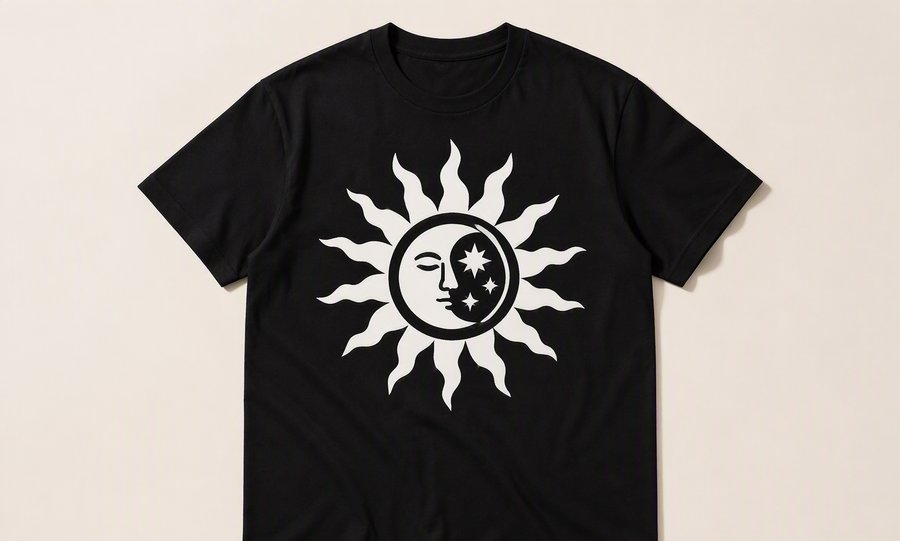
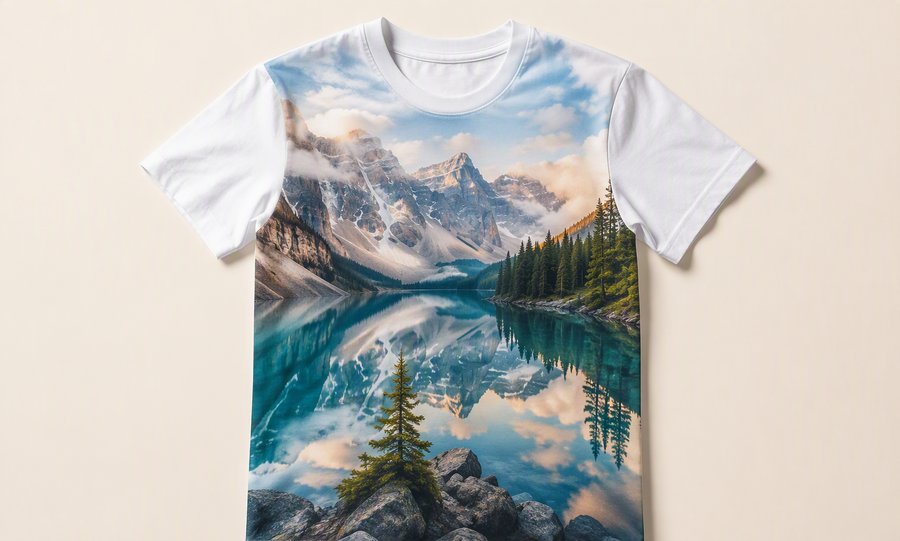
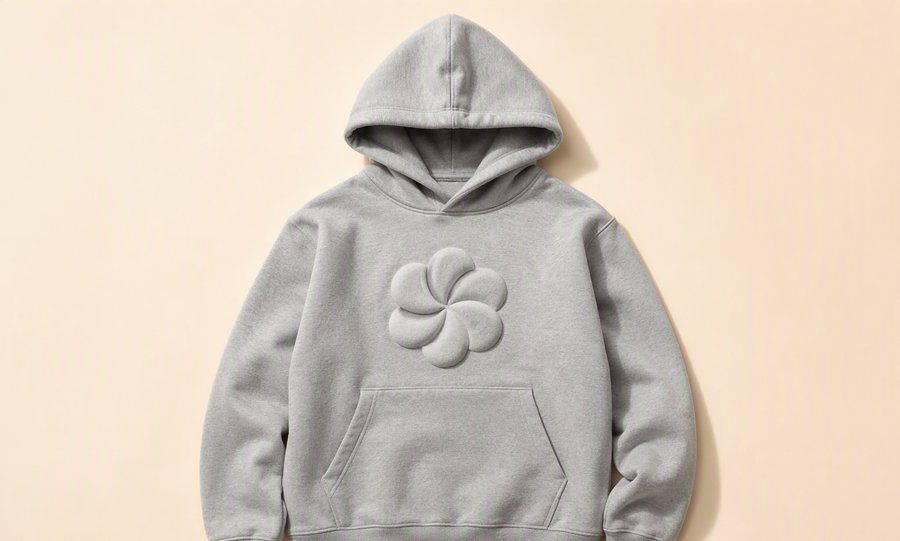
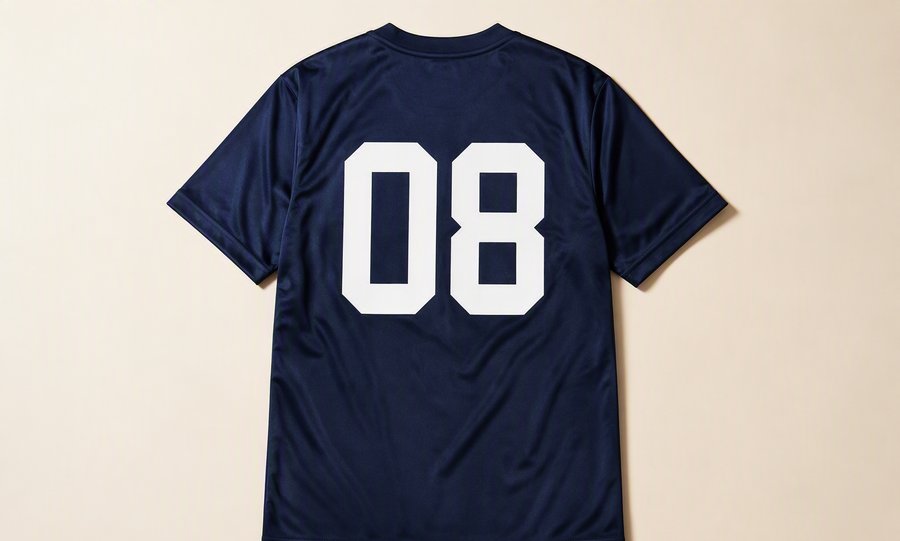
Add colour, artwork, texture or a raised surface to selected garment areas.
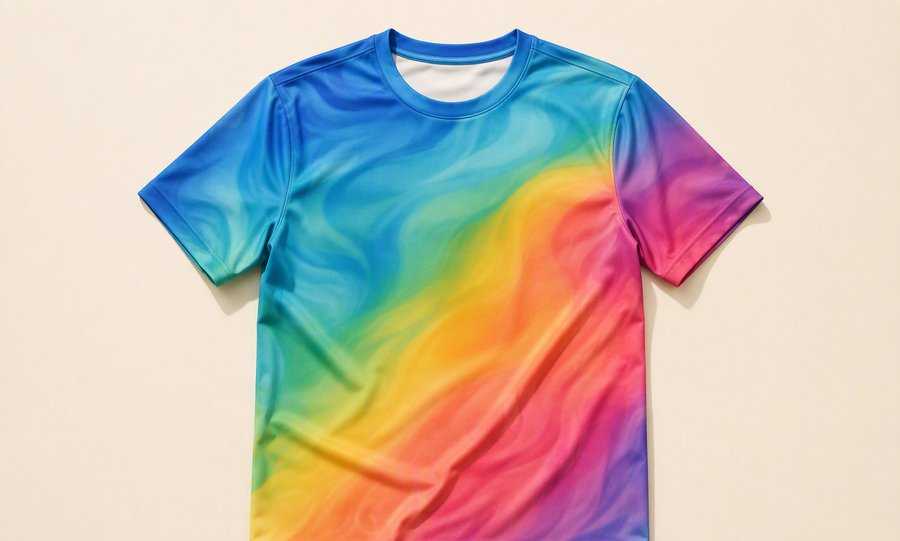
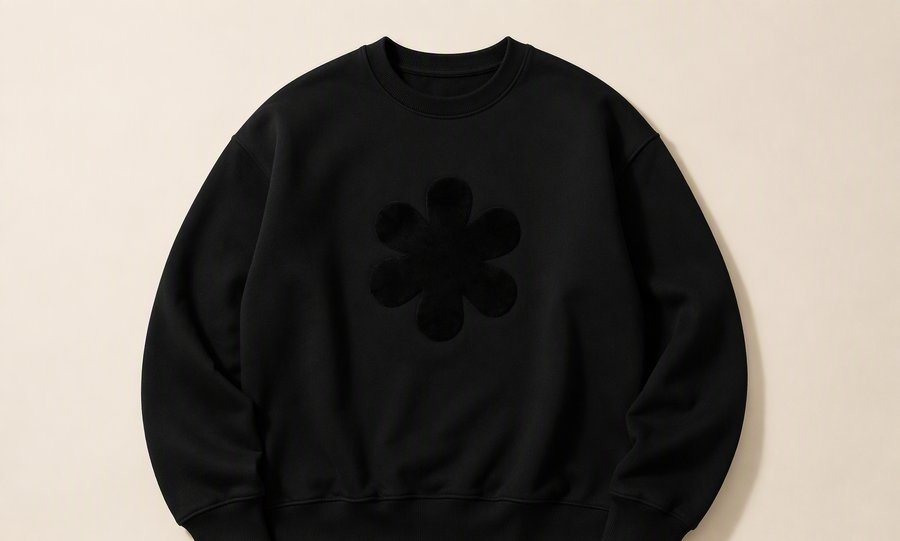
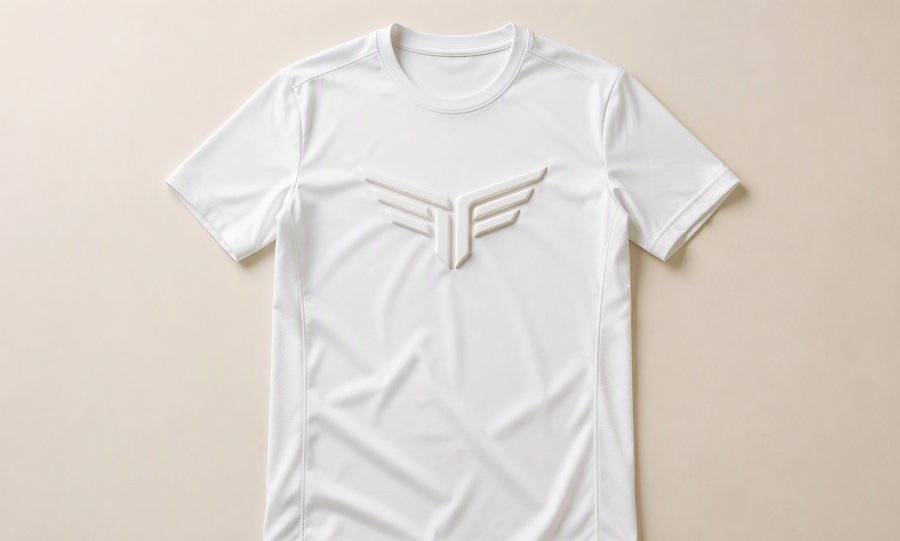
Embroidery
Build logos and motifs with thread, stitch direction and backing.
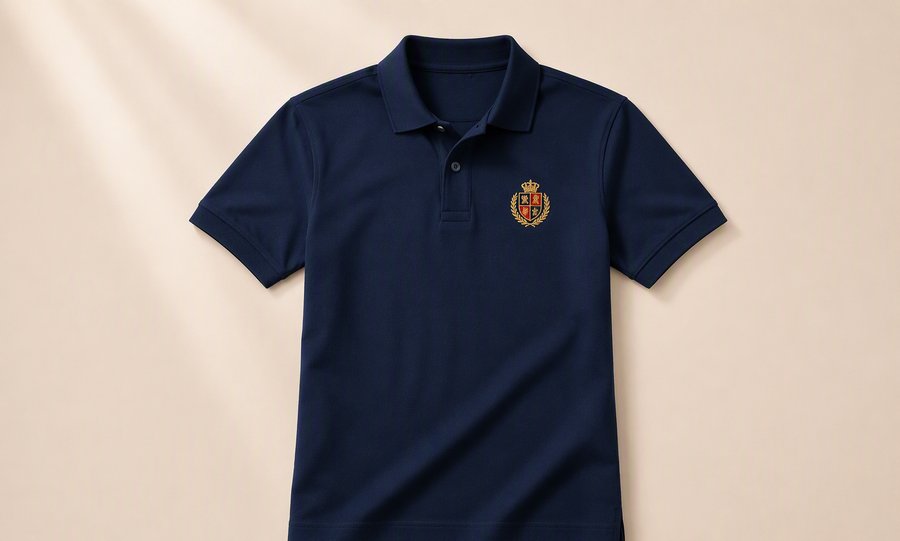
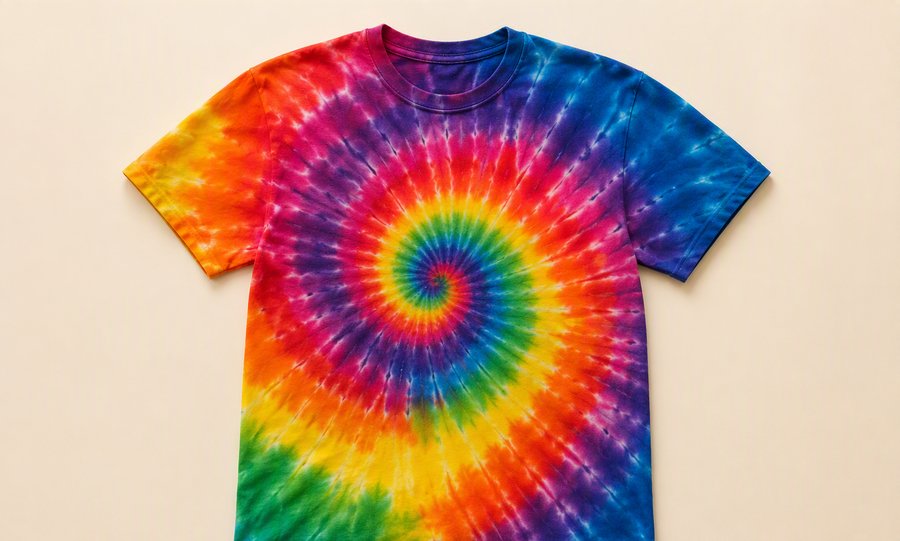
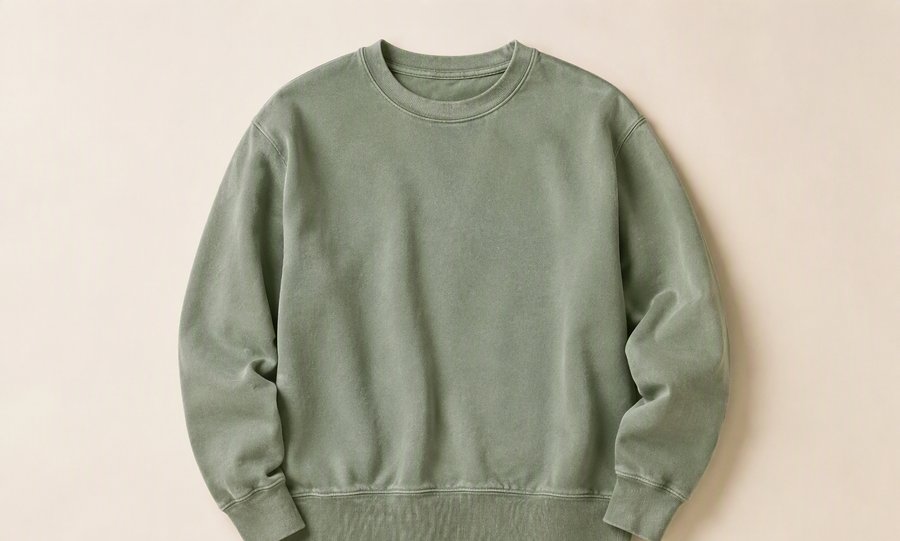
Dyeing
Change garment colour or create deliberate piece-to-piece variation.
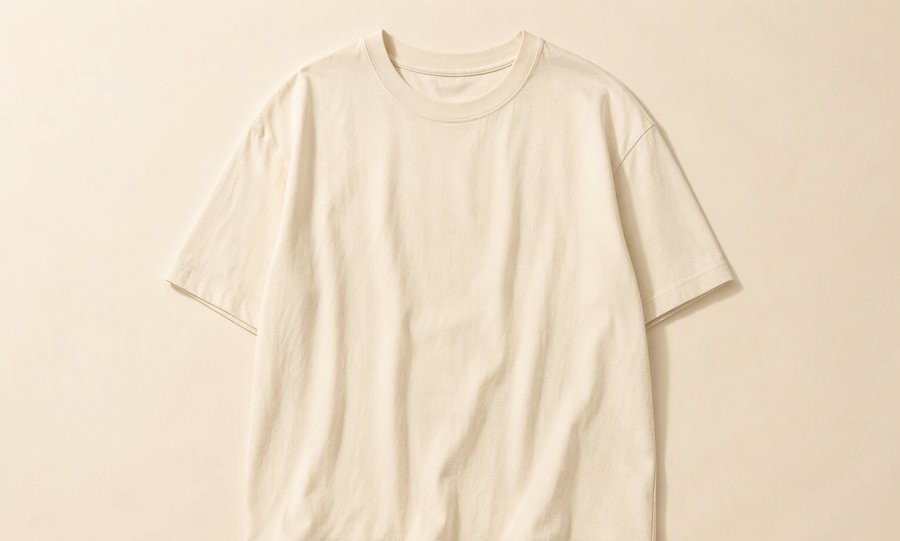
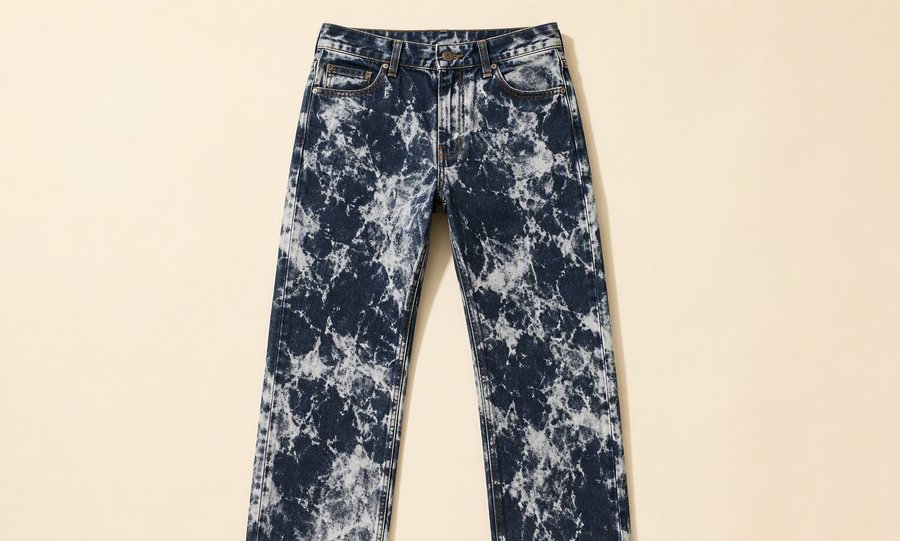
Washing
Adjust handfeel, surface abrasion and the degree of an aged finish.
Effect Selection
Start With the Result
The same artwork can look very different when it is printed, stitched, dyed or washed.
Flat Colour
Screen or digital routes are reviewed first for crisp, even colour areas.
Raised Surface
Puff, flock or silicone can add height and texture to logos and graphics.
Thread Texture
Embroidery builds the design with stitches — premium, tactile, durable.
All-Over Colour
Dye and wash routes change the garment itself, not just the surface.
Compatibility
Check the Real Fabric
Composition, surface, stretch, colour and heat tolerance can change the suitable process. Every point below is confirmed on the selected fabric before bulk production.
Fabric Composition
Cotton, polyester and blends behave differently under ink, thread, dye and heat.
Surface & Stretch
Ribbed, brushed or high-stretch surfaces narrow the suitable technique list.
Garment Colour
Dark garments may need an underbase; discharge and dye routes depend on the base shade.
Heat & Wash Tolerance
Transfer temperature and wash durability are tested against the actual fabric.
Sampling
Approve the Physical Result
A screen image is not the approval standard. Colour, scale, placement, handfeel and durability are reviewed on a real sample.
Reference
Define the intended effect — artwork, placement, dimensions and target handfeel.
Strike-Off
A small process and colour test on the actual fabric before full sampling.
Garment Sample
Review placement, scale and garment behaviour on a complete sample.
Bulk Standard
The approved sample is locked as the production reference for QC.
Quality Checkpoints
Inspect What Can Change
The inspection scope follows the selected technique. It is agreed before production — not invented after a problem appears.
Colour & Position
Print colour matched to the approved strike-off; placement measured against the size chart.
Surface & Handfeel
Raised height, texture and handfeel compared with the locked sample.
Adhesion & Stitch
Wash-tested print adhesion and embroidery stitch density checked per batch.
Wash Result
Dye and wash variation measured against the approved tolerance range.
Product Connection
Match Technique to Garment
Category pages list compatible techniques as conditional options. The final choice depends on the actual brief.
T-Shirts & Hoodies
Print, embroidery, dye and wash routes — the widest technique range.
View category →Sportswear & Activewear
Sublimation, heat transfer and silicone on performance knits.
View category →Jackets & Outerwear
Embroidery, silicone logos and wash finishing on heavier constructions.
View category →Women's Dresses
Digital print, garment dye and delicate embroidery on wovens and knits.
View category →Hoodies & Sweatshirts
Puff print, embroidery and vintage washes on fleece and French terry.
View category →Practical Questions
Practical Questions
These answers set the decision boundary. A sample confirms the final process.
Which decoration technique is best for my design?
There is no universal best technique. Start with the intended result, fabric, quantity, artwork and wash requirement — we narrow it to 2–3 routes and confirm on a strike-off.
Can the same artwork use several techniques?
Yes, but each route may need different artwork preparation, line weight and dimensions. We review your artwork against each candidate process before sampling.
Will the colour match my screen?
Not exactly. Screens vary. Use a physical colour reference such as Pantone, and approve the result on the real material — that is the binding standard.
Can I skip the sample to save time?
We do not recommend it. A strike-off or garment sample is the practical approval standard before bulk production, and it is far cheaper than reworking a bulk run.
How do decoration choices affect price?
Cost depends on technique, colour count, print size, placements and quantity. Screen printing gets cheaper at volume; embroidery is priced by stitch count. We quote per technique so you can compare.
Discuss a Technique
Send the garment, artwork or effect reference, quantity and delivery country. We will review the technique against the actual material and product — and reply within 24 hours.