
Decoration Techniques / Enzyme Wash
Enzyme Wash for Custom Apparel
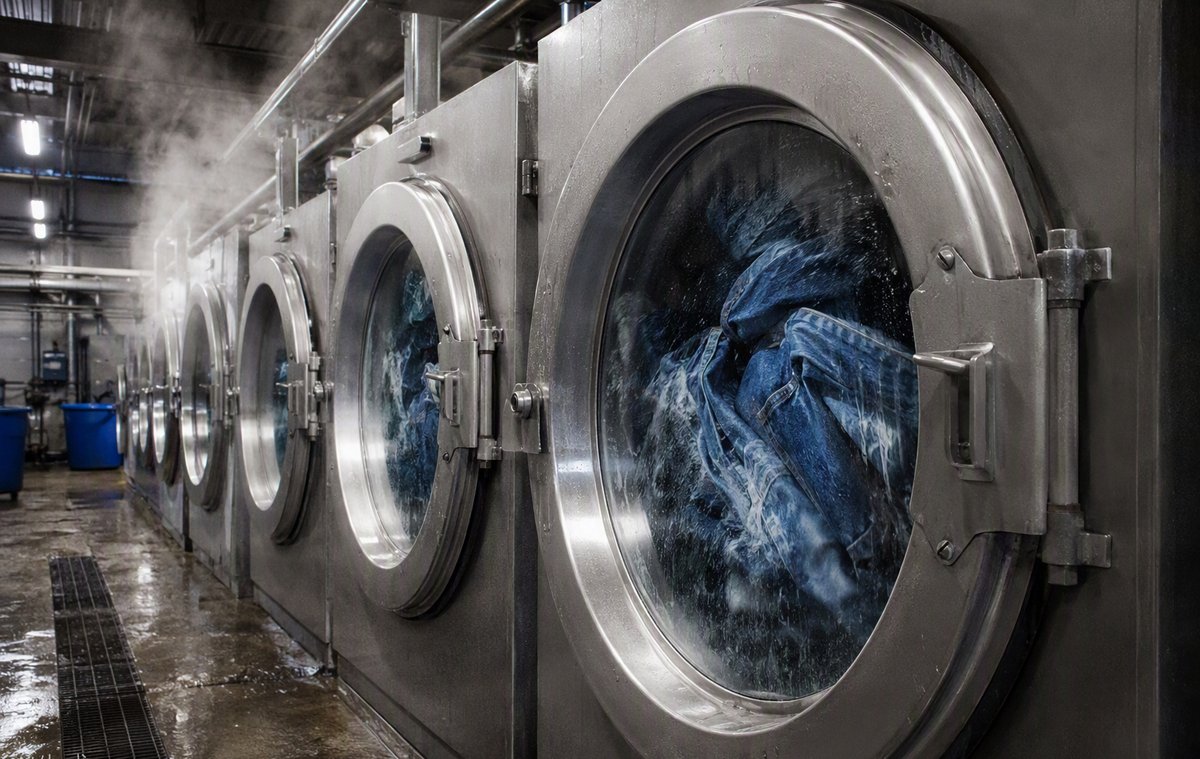
A biological finish that makes garments feel broken-in from day one: cellulase enzymes shave surface fibres for softness, less pilling and a gently faded character. The wash recipe is locked on your actual garments before bulk.
Overview
One Design. Several Layers.
Enzyme wash is controlled surface biology. These four factors decide what it can do for your garment.
Softness
The primary goal: enzymes digest loose surface fibres, leaving a noticeably softer, smoother handfeel.
Quantity
A batch process like dyeing. Machine load, fabric, recipe and intended finish are reviewed together when preparing the quote.
Surface
Cotton and cotton-rich blends respond best. The enzyme targets cellulose — synthetics are unaffected.
Result
Softer hand, less pilling, subtle surface fading. Stronger recipes push toward a worn look; lighter recipes just refine the feel.
Suitability
Is This a Enzyme Wash Job?
Almost any cotton garment benefits from enzyme wash — the question is how strong to dose it.
T-Shirts
The everyday upgrade: softer tees with reduced pilling, the feel customers associate with premium basics.
Hoodies & Fleece
Controls surface fuzz and pilling on fleece faces, keeping the brushed interior intact.
Denim & Wovens
Softens stiff denim and canvas, adding gentle surface character without aggressive abrasion.
High-Polyester Garments
Limited effect — cellulase works on cellulose only. Synthetics pass through unchanged.
How It Works
How Enzyme Wash Behaves on Fabric
Cellulase enzymes eat loose cellulose fibres on the fabric surface. Time, temperature, pH and dose decide how much surface comes off.
Light Enzyme Wash
A refinement pass: softer handfeel, cleaner surface, minimal visible change. The premium-basics setting.
Heavy Enzyme Wash
Extended processing for visible surface fading and a worn-in look, approaching the territory of stone wash — without the stones.
Materials
Choose Materials After the Fabric
The wash recipe is the material: enzyme type, dose and chemistry tuned to the fabric.
Neutral Cellulase
Works at neutral pH — gentler on colour, the default for dyed garments.
Acid Cellulase
More aggressive surface action at lower pH — stronger fading effect, used deliberately.
Softeners & Fixers
Post-wash finishing chemistry that locks in the handfeel the enzymes created.
Process
From File to Finish
From stiff new garment to broken-in feel — the recipe is recorded and repeated.
Review
Target handfeel and look are agreed: soft refinement or visible worn effect, against fabric and colour.
Wash Test
A sample garment runs the proposed recipe. Handfeel, weight loss and colour change are measured.
Recipe Lock
Enzyme type, dose, time, temperature and pH are recorded from the approved test.
Bulk Wash
Batches run the locked recipe with load-size control.
Neutralize
Enzyme action is stopped at the exact endpoint — overprocessing weakens fabric.
Finish
Softener application, controlled drying and final steam.
Inspect
Handfeel against the standard, surface appearance, strength and measurement checks per batch.
Pricing
What Changes the Quote
Enzyme wash is a modest per-piece add-on with batch logic.
Recipe Intensity
Light softening is quick; heavy worn-effect recipes take machine time and more chemistry.
Batch Size
Efficient machine loads lower per-piece cost. Small runs carry a batch premium.
Garment Weight
Wash processes price partly against weight — heavy fleece costs more than jersey.
Quality Control
What a Failed Print Looks Like
We inspect against these known failure modes — agreed before production.
Overprocessing
Fabric weakened or thinned by excessive enzyme action. Endpoint control and strength testing are the safeguards.
Uneven Softness
Some pieces softer than others from uneven load circulation. Load size and machine settings are controlled per batch.
Colour Loss Beyond Target
More fading than the approved sample showed. Recipe pH and time are logged against the locked test.
Surface Damage
Visible fibre damage or fuzzing instead of clean softness. Dose and time were too high — caught at wash-test stage.
Seam Stress
Stressed stitching from aggressive agitation. Machine action is matched to garment construction.
Residual Odour
Enzyme smell left in fabric. Proper rinsing and finishing remove it — checked before packing.
Sampling
Approve the Physical Result
Handfeel cannot be approved from a photo. The washed garment is the standard.
Target Approval
You confirm the target handfeel and look from references or our suggestion samples.
Wash-Test Sample
Your actual garment run through the proposed recipe is the binding standard.
Recipe Lock
The approved recipe is recorded with all parameters before bulk.
Bulk Checks
Per-batch handfeel, appearance, strength and measurement checks against the standard.
Decision Boundary
Enzyme Wash or Another Route?
Three ways to change how a garment feels — by mechanism and by result.
Enzyme Wash
Biological surface refinement — soft, clean, gently faded.
Best for: Premium basics and softness upgrades on cotton
Stone Wash
Physical abrasion with pumice — visible worn character.
Best for: Denim and heavyweight fleece with real abrasion marks
Garment Dyeing
Colour change with mild washing effect.
Best for: Solid vintage colours on finished garments
FAQ
Questions Before Sampling
What does enzyme wash actually do?
Cellulase enzymes digest the loose microfibres on a fabric surface. The garment comes out noticeably softer, pills less in use, and gains a subtle clean-faded character — the broken-in feel of a favourite old tee, from day one.
Does enzyme wash work on polyester?
No — cellulase only acts on cellulose, so cotton and cotton-rich blends respond; polyester passes through unchanged. For softening synthetics we use mechanical and chemical finishing instead.
Will enzyme washing fade my garment colour?
Lightly, and controllably. A light recipe barely changes colour; heavier recipes fade visibly — which can be the goal. The wash-test sample shows you exactly where your fabric and colour land before bulk.
What should I send for an enzyme wash quote?
Send your garment, artwork and finishing requirements so we can confirm suitability and pricing.
How much does enzyme wash cost per piece?
As a frame: roughly $0.40-$1.20 per garment depending on recipe intensity and garment weight. It is one of the cheapest perceived-quality upgrades available on cotton basics.
Send the Actual Job
Send what you have — artwork, a reference image or just an idea. The more of this list you include, the sharper our quote. We reply within 24 hours.
✓ Target handfeel (soft refinement vs visible worn look)
✓ Garment style and fabric composition
✓ Fabric weight (gsm)
✓ Garment colour — dyed or undyed
✓ Reference sample if you have one
✓ Quantity per batch
✓ Strength/durability requirements
✓ Delivery country
Continue