
 AI design concept
01 / Outerwear
Padded jackets
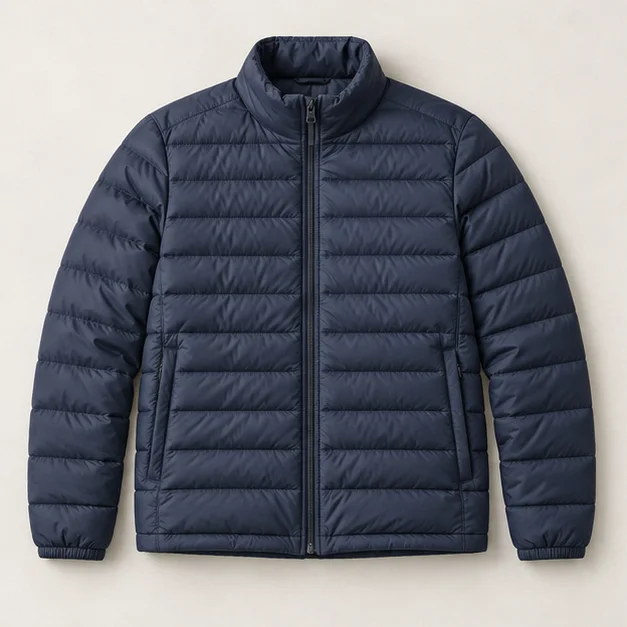
A quilted direction where padding, lining and panel shape work together.
Define in your briefPadding / quilting spacing / lining / zip
Discuss this directionOuterwear · OEM & ODM
Define the everyday jacket you want to make: its shell, inner construction, shape and hardware. Any performance requirement needs a separate specification and review.
Pricing and bulk production timing are confirmed per order.
Your project at a glance
Share the style, materials, quantities and finishing details.
Record the agreed specification and any changes before approval.
Include your destination and target arrival date in the brief.
01 / Design directions
These jacket concepts help frame a development discussion. They do not demonstrate waterproofing, warmth ratings or other tested performance, and are not completed production samples.
AI design concept
01 / Outerwear
A quilted direction where padding, lining and panel shape work together.
Define in your briefPadding / quilting spacing / lining / zip
Discuss this direction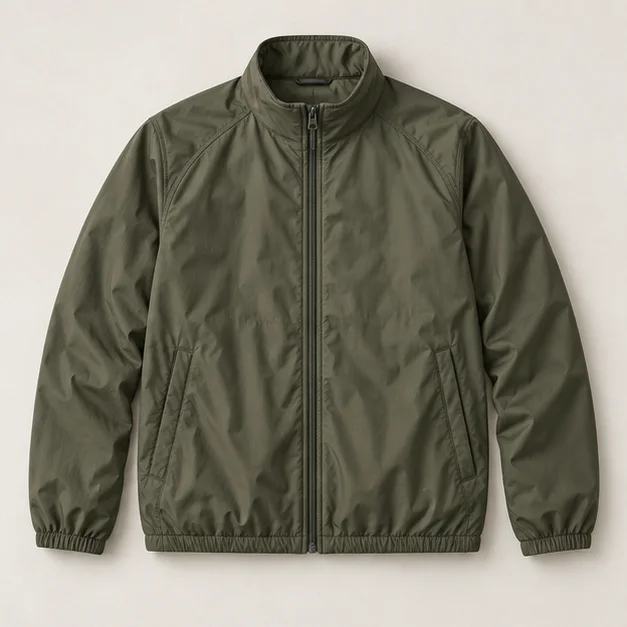 AI design concept
02 / Outerwear
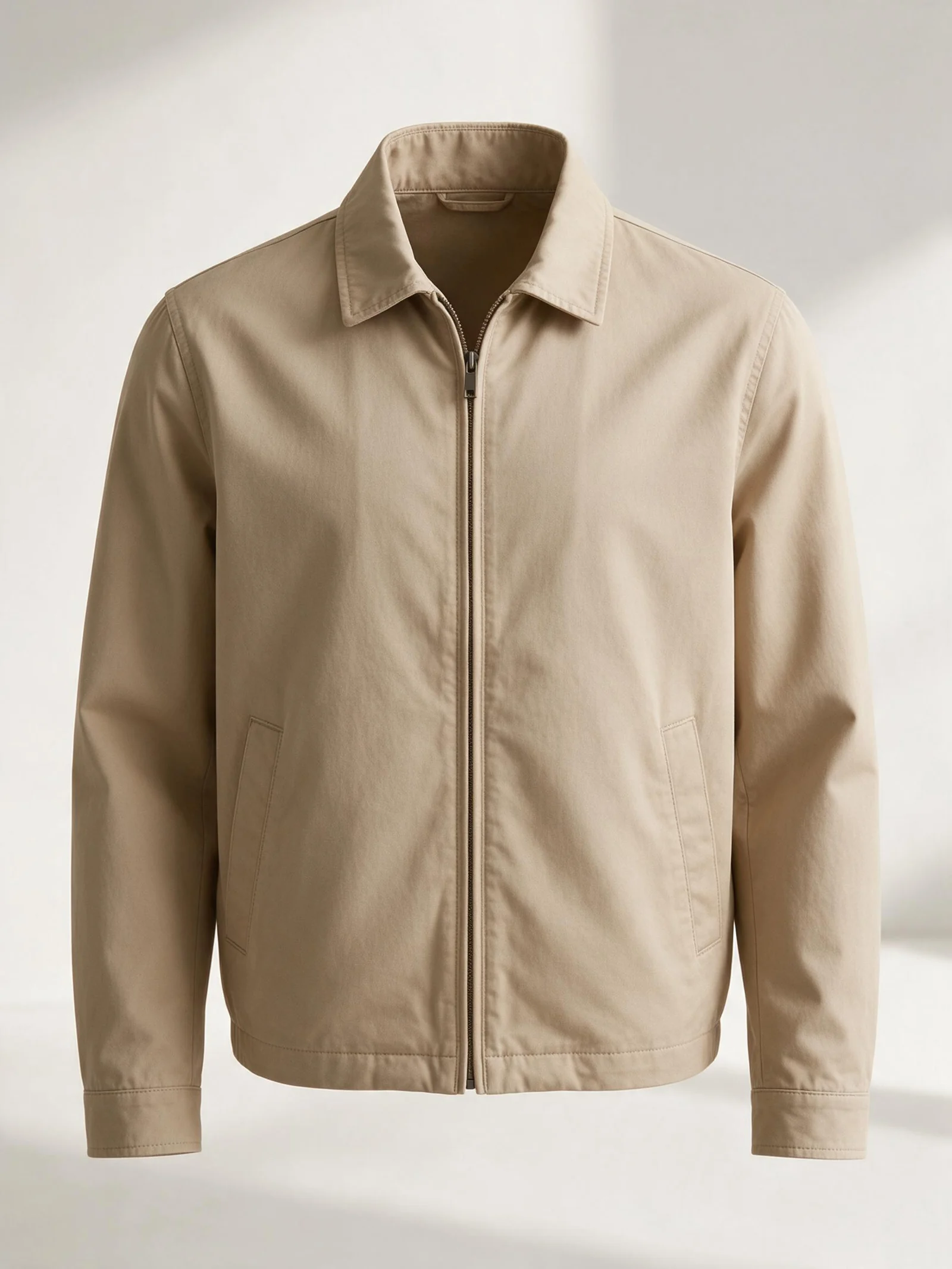
A less bulky shell direction for easy layering.
Define in your briefShell handfeel / hem finish / pocket opening
Discuss this direction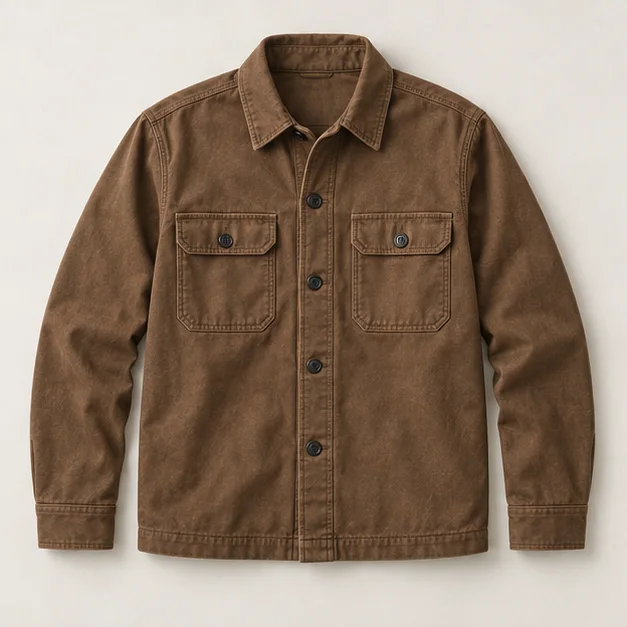 AI design concept
03 / Outerwear
A more structured direction with practical pocket and collar details.
Define in your briefPocket layout / collar / front fastening
Discuss this direction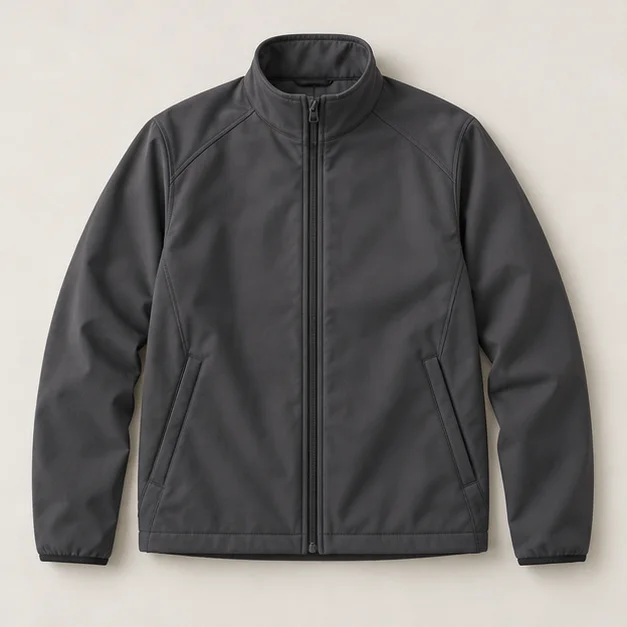 AI design concept
04 / Outerwear
A clean zip-front silhouette to discuss against a fabric brief.
Define in your briefLayer construction / mobility / any test requirements
Discuss this direction02 / Material decisions
A fabric name is a starting point, not a full specification. Bring the desired look and feel; review the actual material before committing to the garment.
| Direction | What it changes | What to confirm |
|---|---|---|
| Woven shell | Sets the surface feel, structure and appearance. | Specify composition and finish; do not infer performance from appearance. |
| Padding & lining | Changes bulk, internal feel and the way a jacket hangs. | Approve the layer combination, quilting and lining attachment. |
| Zips & hardware | Affects operation, weight and the visible finish. | Confirm size, material, attachment and sample function. |
Confirm composition, weight, color, care and any required supporting documents as part of your material brief.
Look closer
Use these independent design references to explain shape, construction and finishing. They are AI-generated concepts; your brief and approved sample define the final garment.
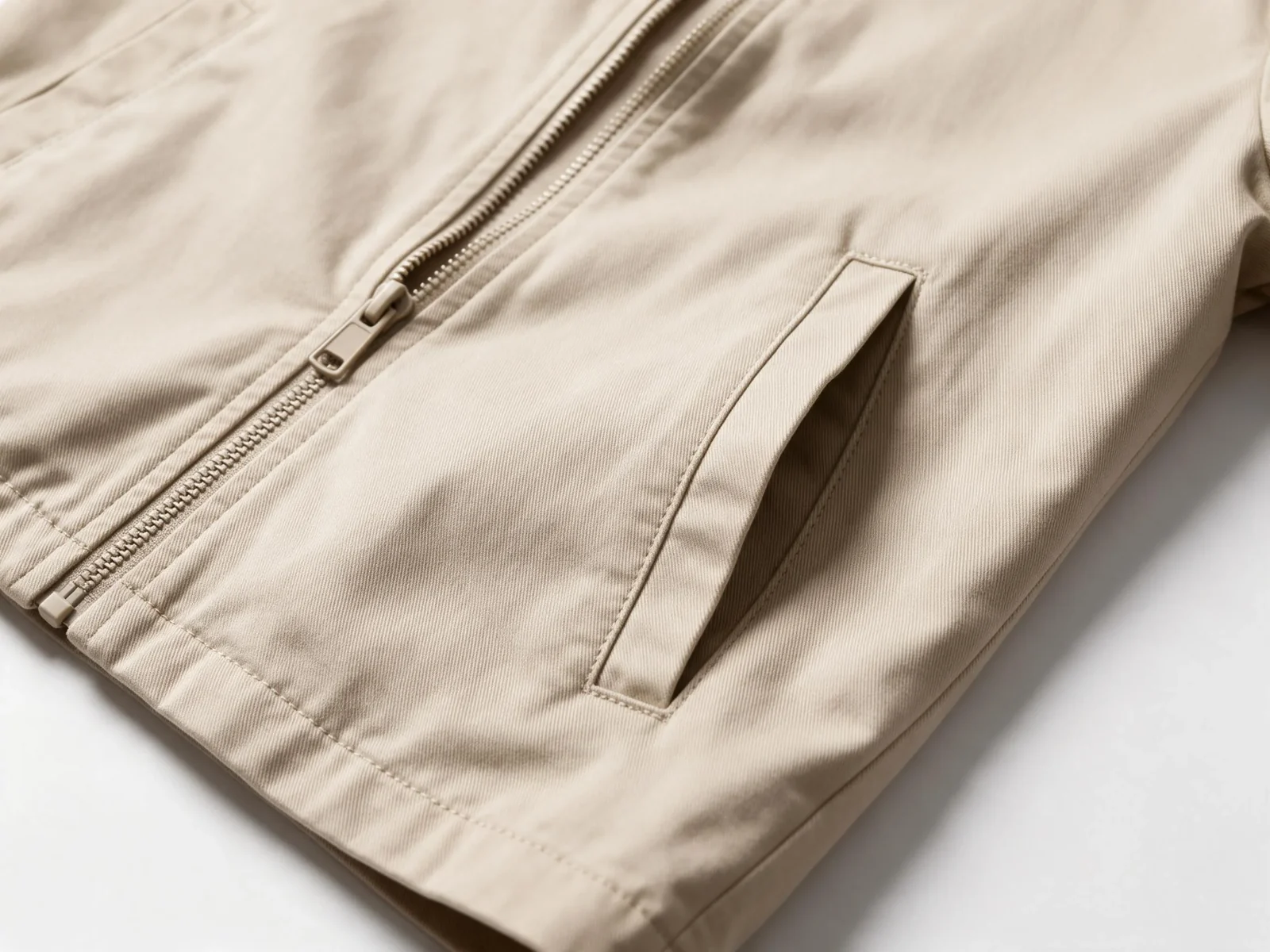
Specify the fastening, pocket opening and visible stitch detail.
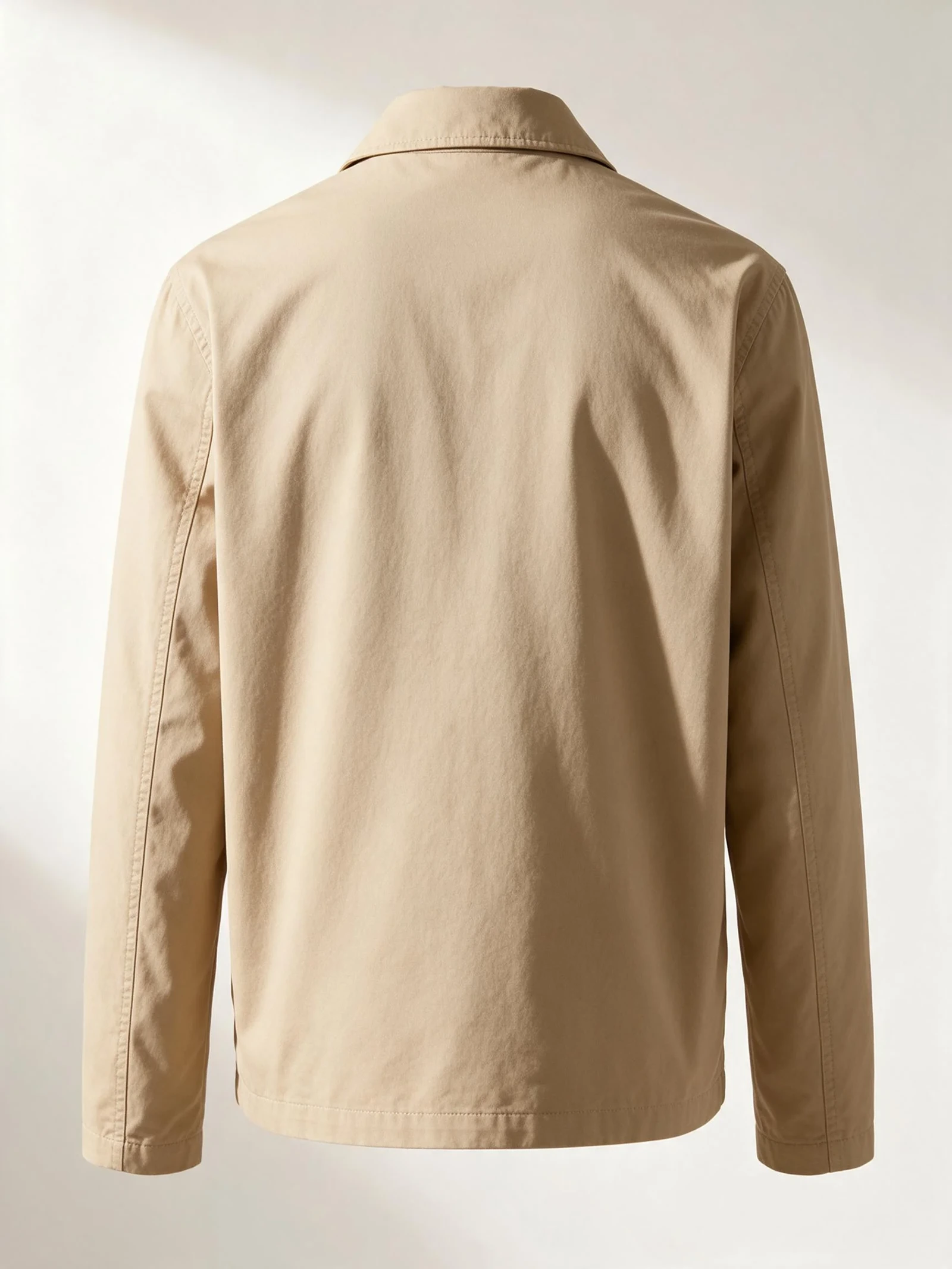
Discuss shoulder room, sleeve shape and hem construction.
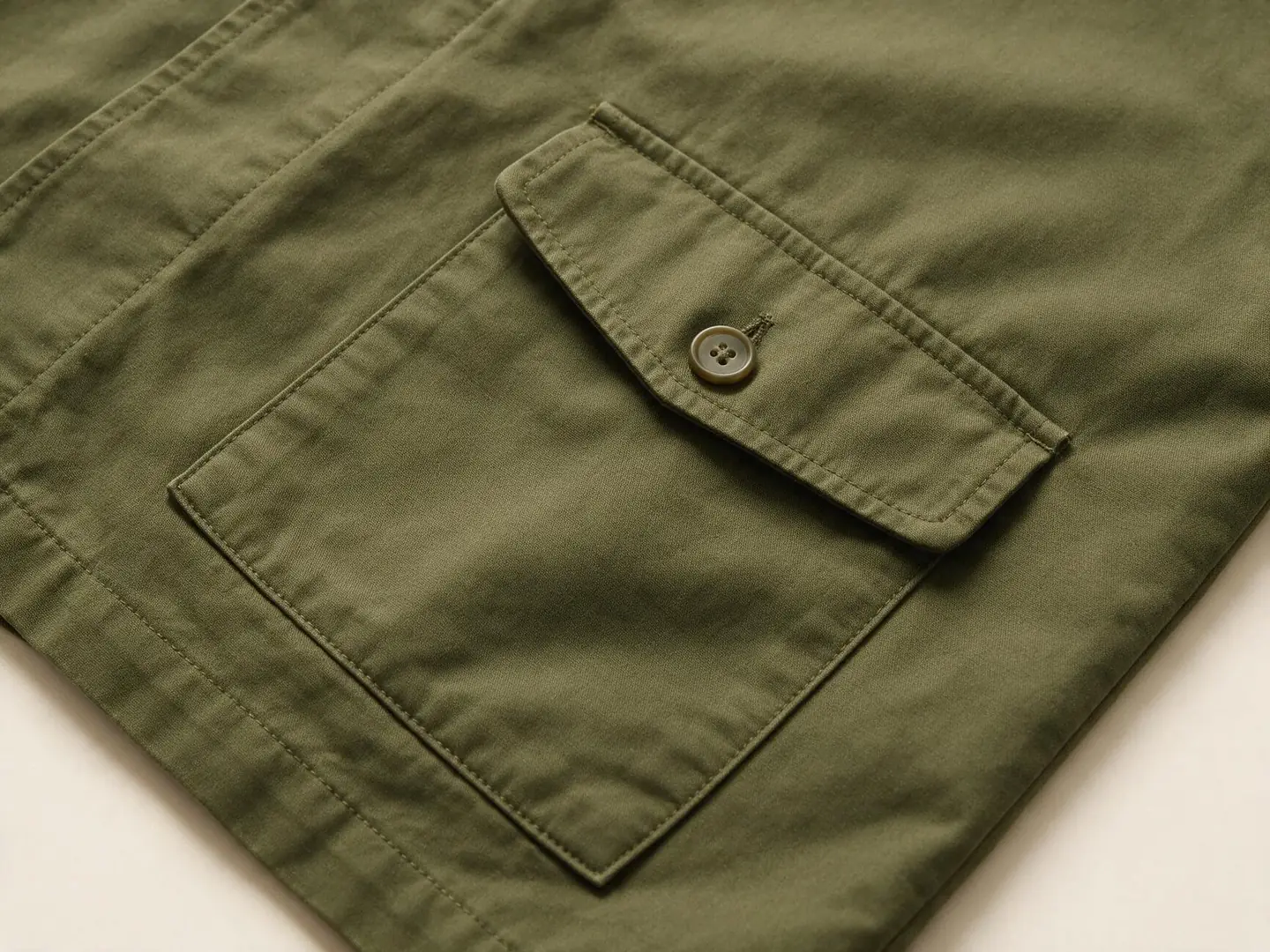
Define pocket size, flap shape and closure placement in your jacket brief.
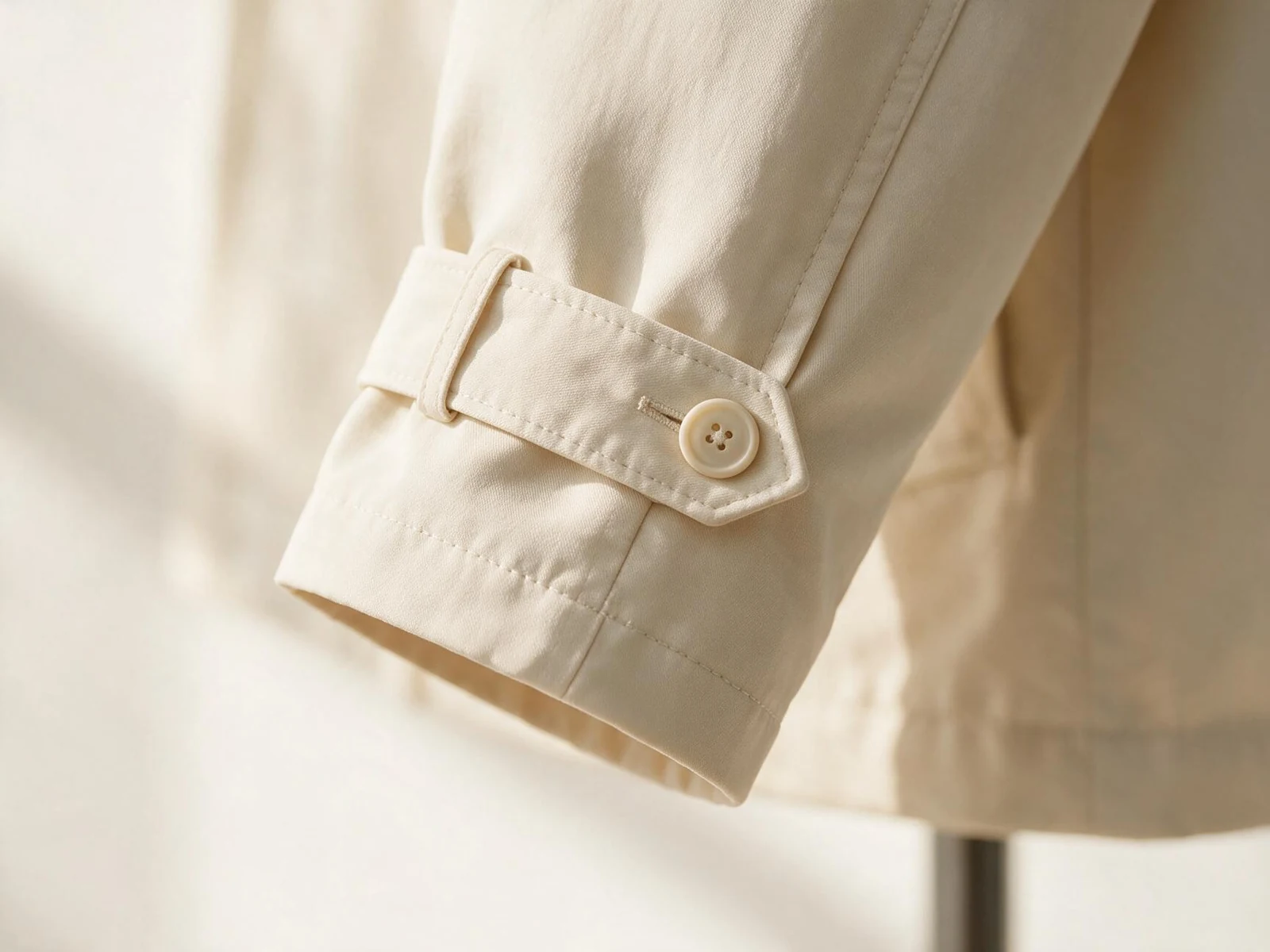
Specify tab length, button placement and the intended cuff opening.
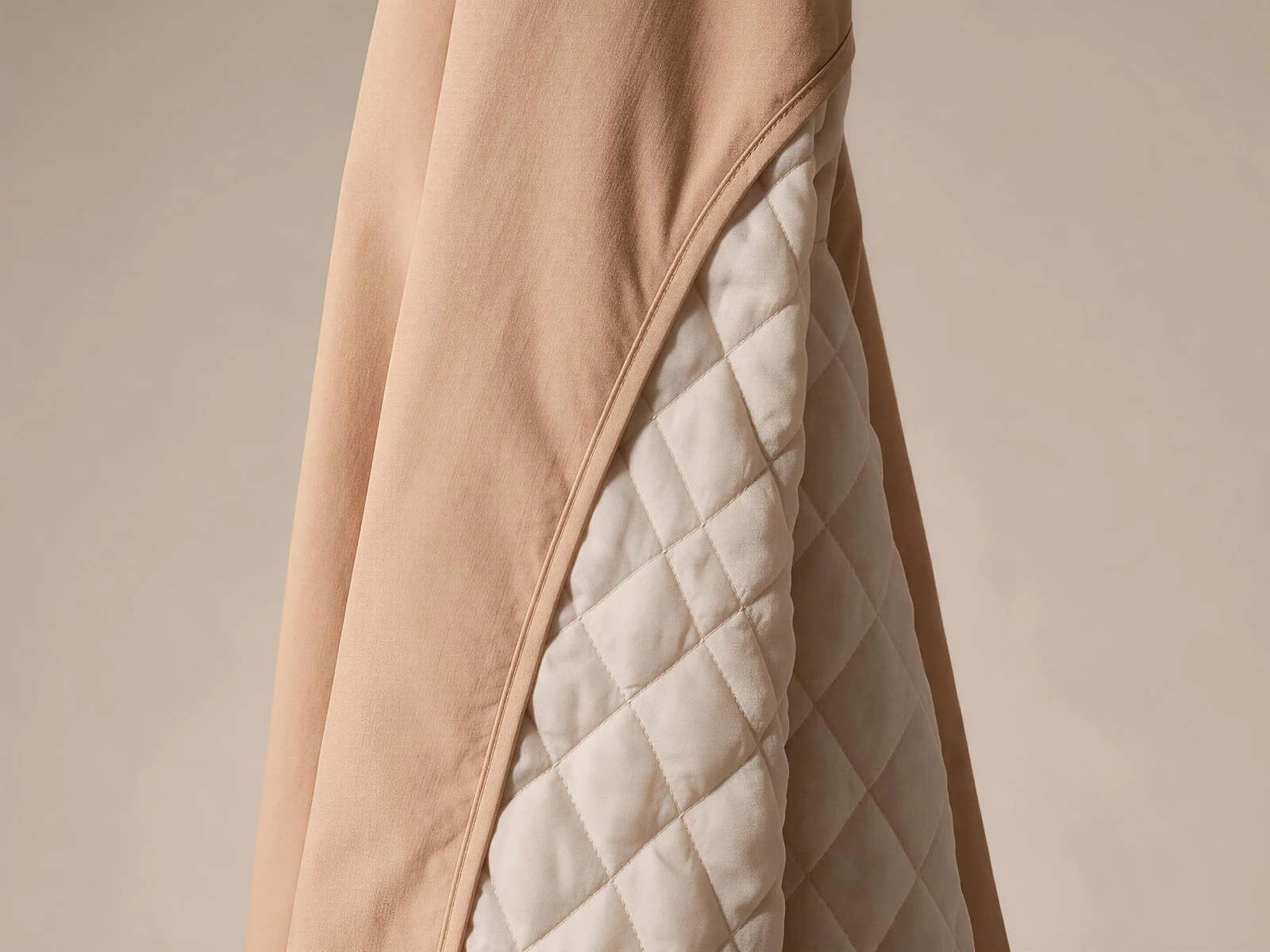
Specify lining tone, quilt scale, edge curve, and panel proportions.
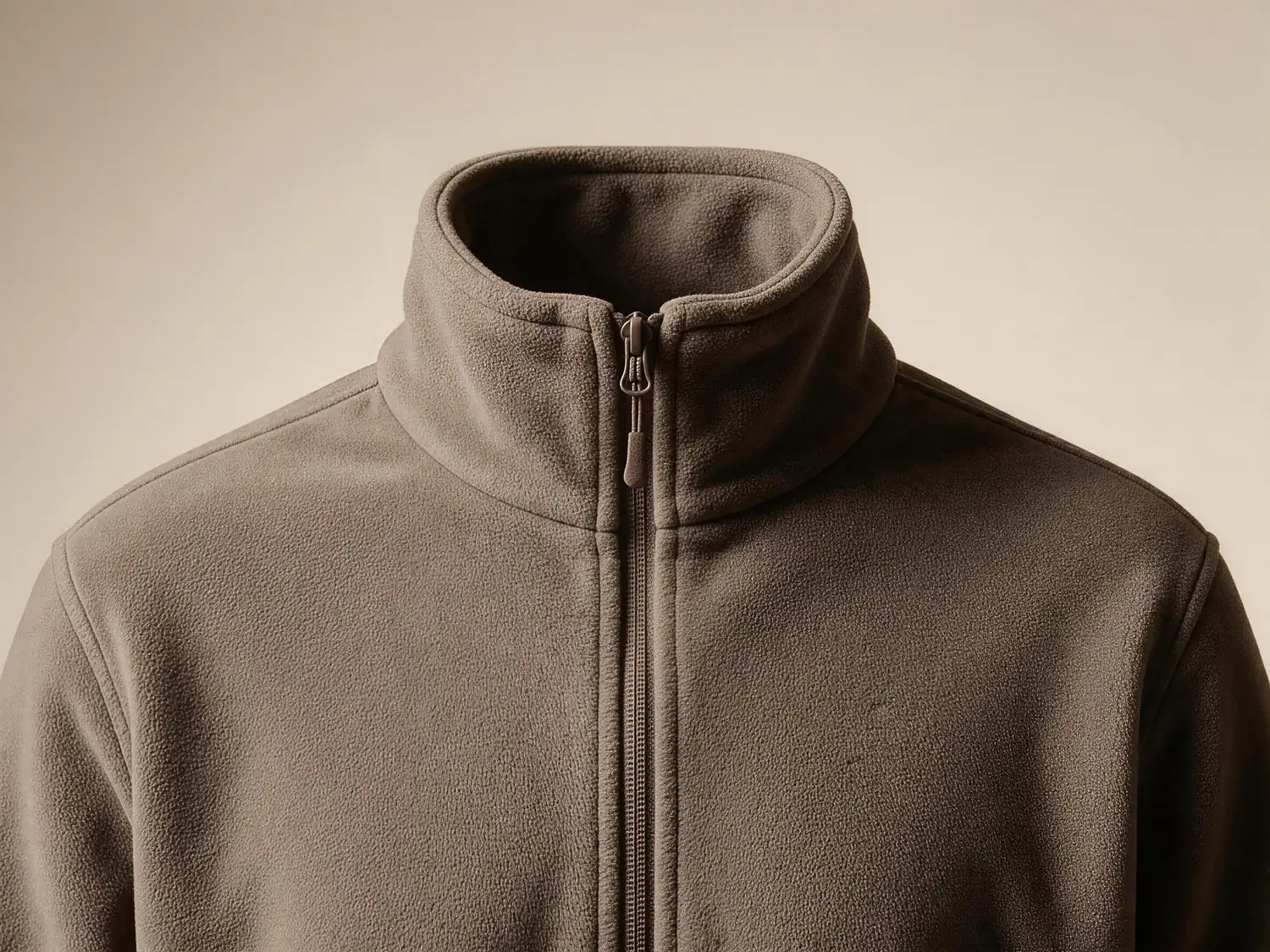
Define collar height, zip placement, chest panel shape, and tonal direction.
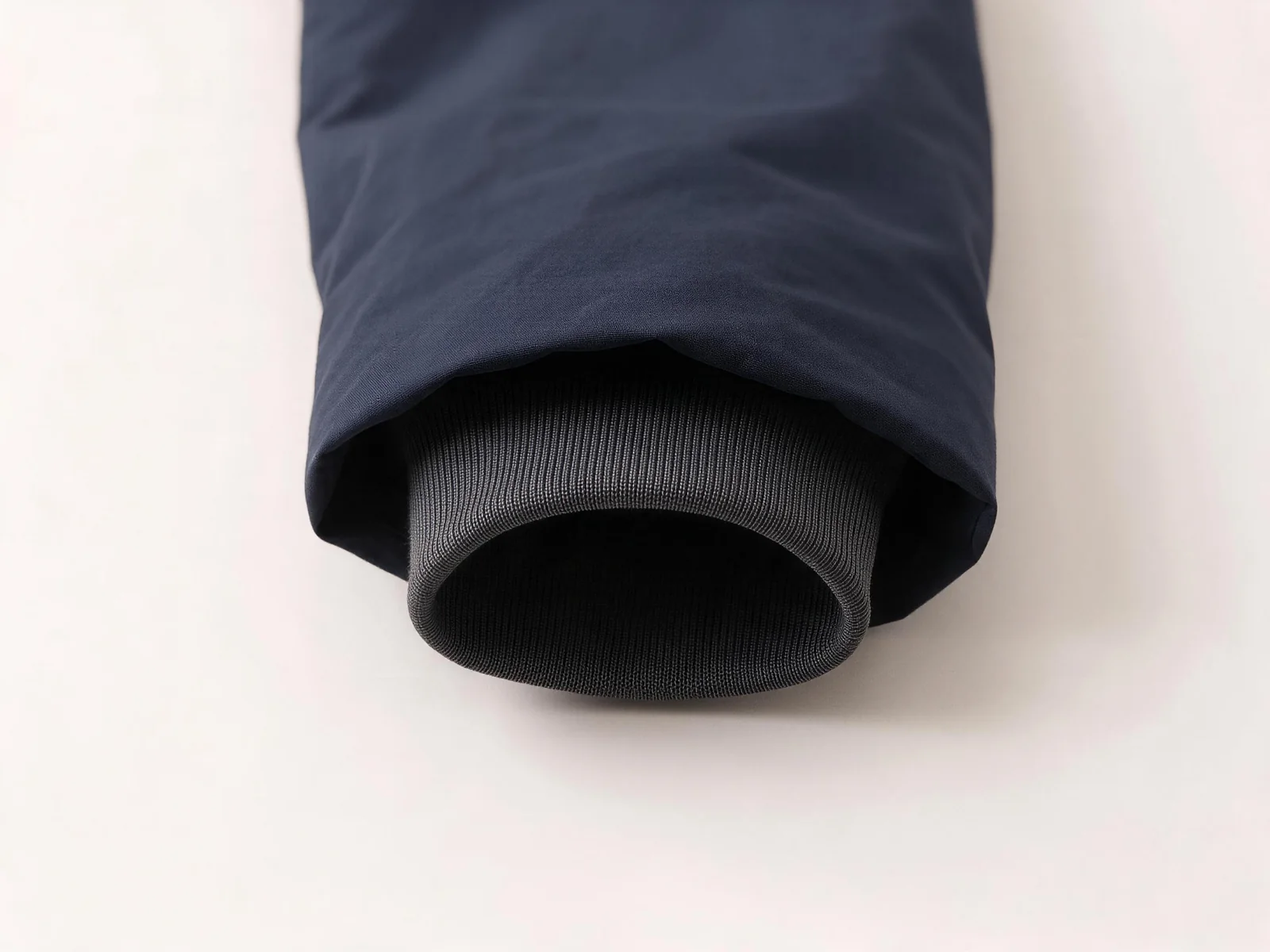
Discuss the visible inner cuff construction and the outer sleeve opening.
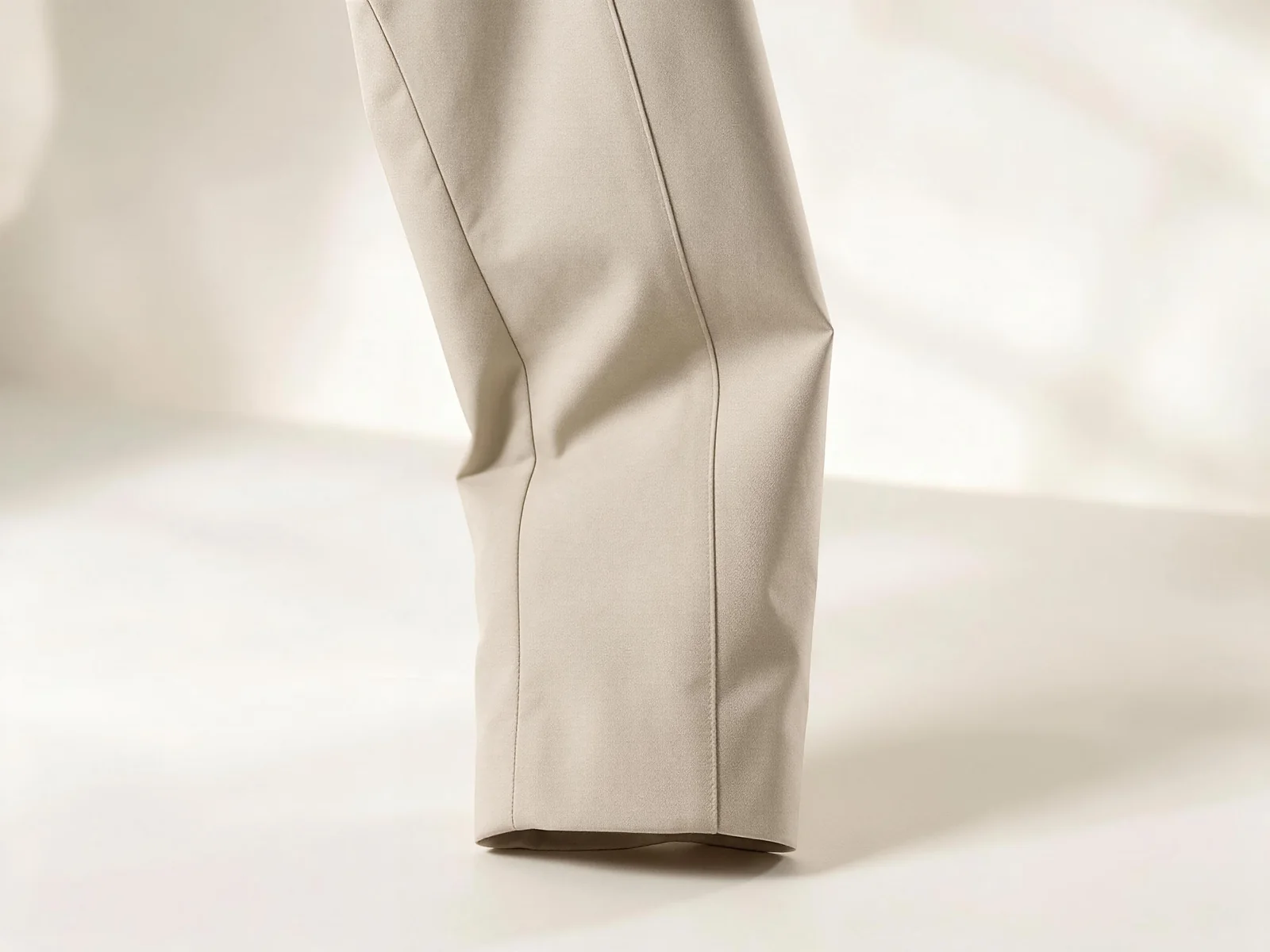
Use the visible seam as a reference when describing panel shape and stitch placement.
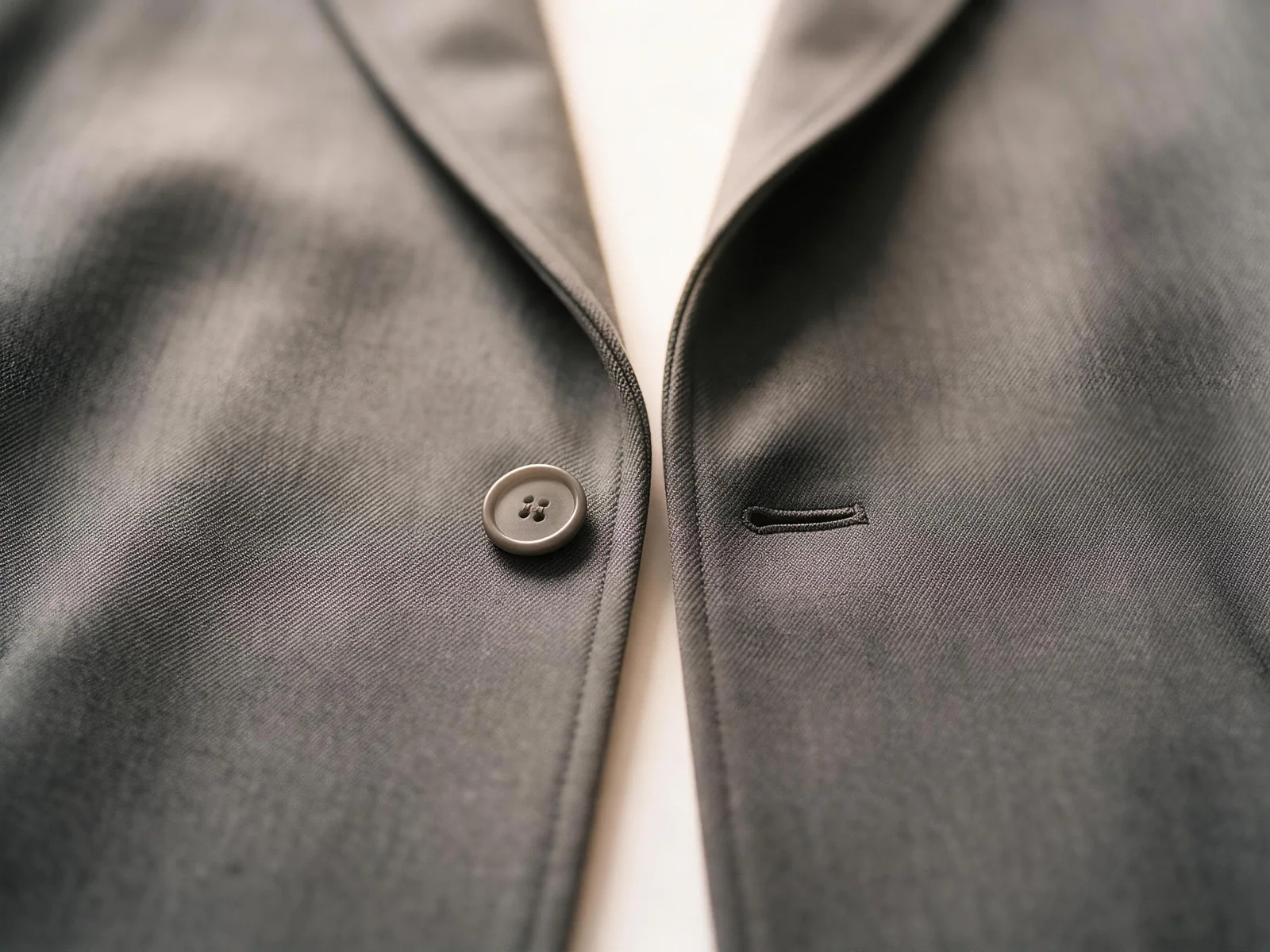
Clarify button and buttonhole alignment on the approved sample.
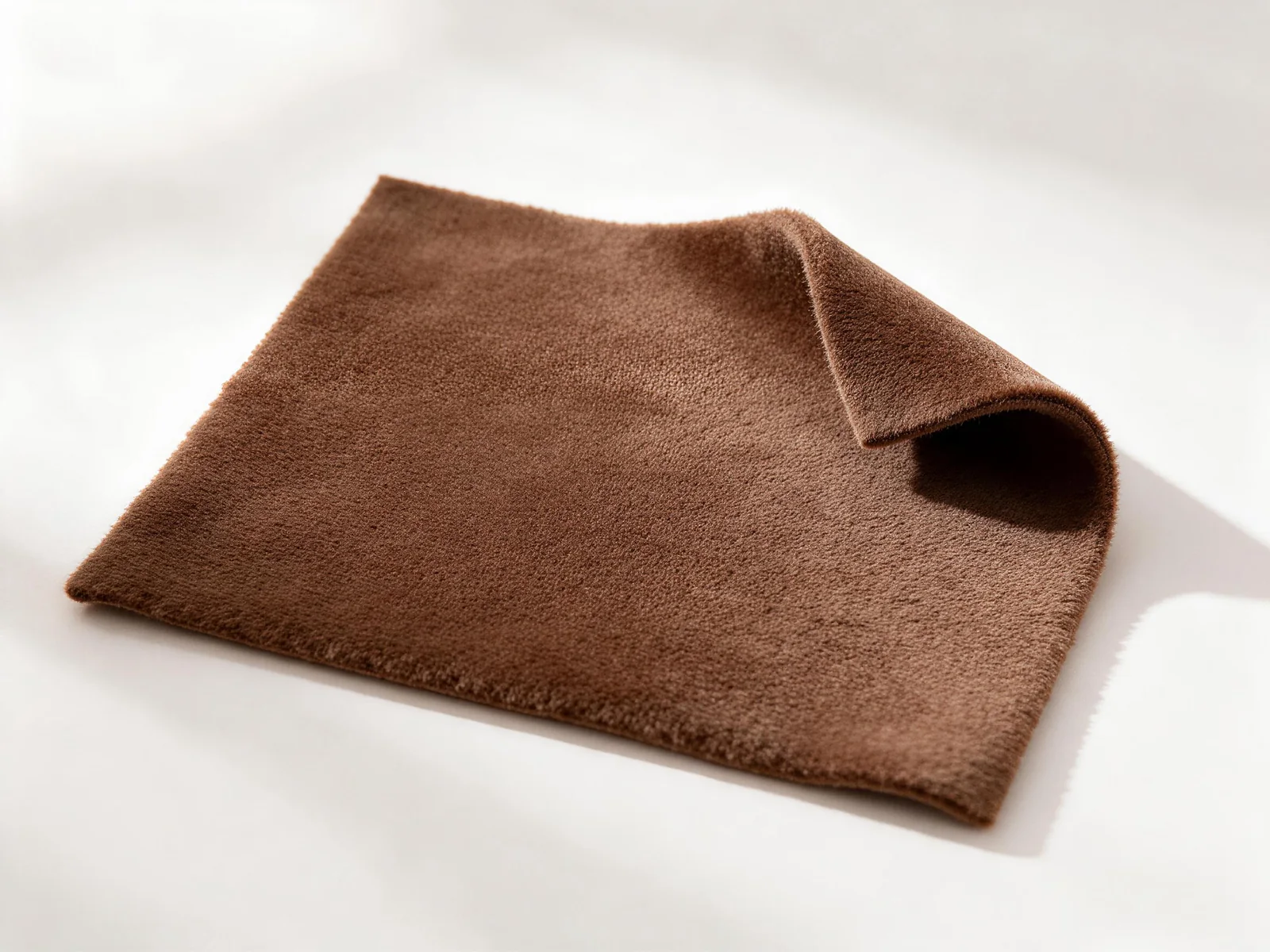
A visual texture reference only; confirm composition and fabric properties from the material specification and actual swatch.
03 / Before sampling
Use these checkpoints to turn an image into a clearer development brief.
Send your referencesDescribe the intended use. Where a performance claim is needed, agree the test method and evidence separately.
Review the shell, padding and lining as one construction, not three unrelated swatches.
Check sleeve reach, shoulder room and layering allowance against the reference.
Review zipper operation, pocket access, closures and visible stitching on the sample.
04 / Finishing
A short, relevant selection for this category. Suitability depends on your material and artwork and should be checked on a sample.
05 / Sample review
Keep references, feedback and approvals together. A clear record helps compare each sample with your original brief and keeps changes easy to follow.
Reference, measurements, materials, quantity and target date.
Marked-up photos, measurements and one consolidated change list.
Agreed fit, fabric, finishing and any required checks before bulk.
Labels, size ratios, carton requirements and delivery details.
Ask about relevant sample photos and order-specific documentation. The design visuals on this page are AI-generated and must not be used as evidence of factory output, performance or certification.
Ask about sample references ↗Brief and sample notes
Use what you know and leave undecided details open. Copy or download your notes when you are ready.
This worksheet does not send an inquiry or save your entries to our server. Keep a copy before leaving this page.
Use the same brief when comparing quotes so materials, finishing and delivery assumptions stay comparable.
Fill in what you already know; leave anything unresolved blank. These details help us review your outerwear project and prepare questions before a written quotation.
Record what was specified, what you observed and what needs another check. These are your working notes, not a test report or an automatic approval.
Before bulk production, agree which sample and specification version form the final approval reference, including the intended materials and finishing.
Continue to the inquiry form with all filled quotation and sample notes. The transfer is available in this browser tab for one hour; review and send the form yourself.
06 / Quote questions
No. Appearance does not establish waterproofing or any performance rating. A performance brief needs specified materials, construction, test methods and supporting results.
Include front and back sketches, the shell and lining direction, padding if required, fastening details, pocket layout, measurements, quantities and destination. Flag any required testing separately.
Pricing and bulk production timing are confirmed in your order-specific quote after reviewing the style, fabric availability, decoration and quantity.
Yes. Send a sketch or reference image with the measurements and details you already know. Identify what is still undecided so the next sample-development steps can be discussed.
Plan the next step
Explore the range
Your next collection
Send sketches, reference images or a tech pack, plus your quantity and target date. We can then discuss the next development step.
Or email [email protected]