
Outerwear Development / Sample Review
Jacket Lining Pulling: A Sample Review Checklist
Record where a jacket lining pulls, when it happens and whether the area settles afterwards. Keep those observations with the sample version, material references and photographs, then ask the sample team to review the actual attachment points and pattern room. A photograph can help locate a concern; it cannot establish its cause by itself.
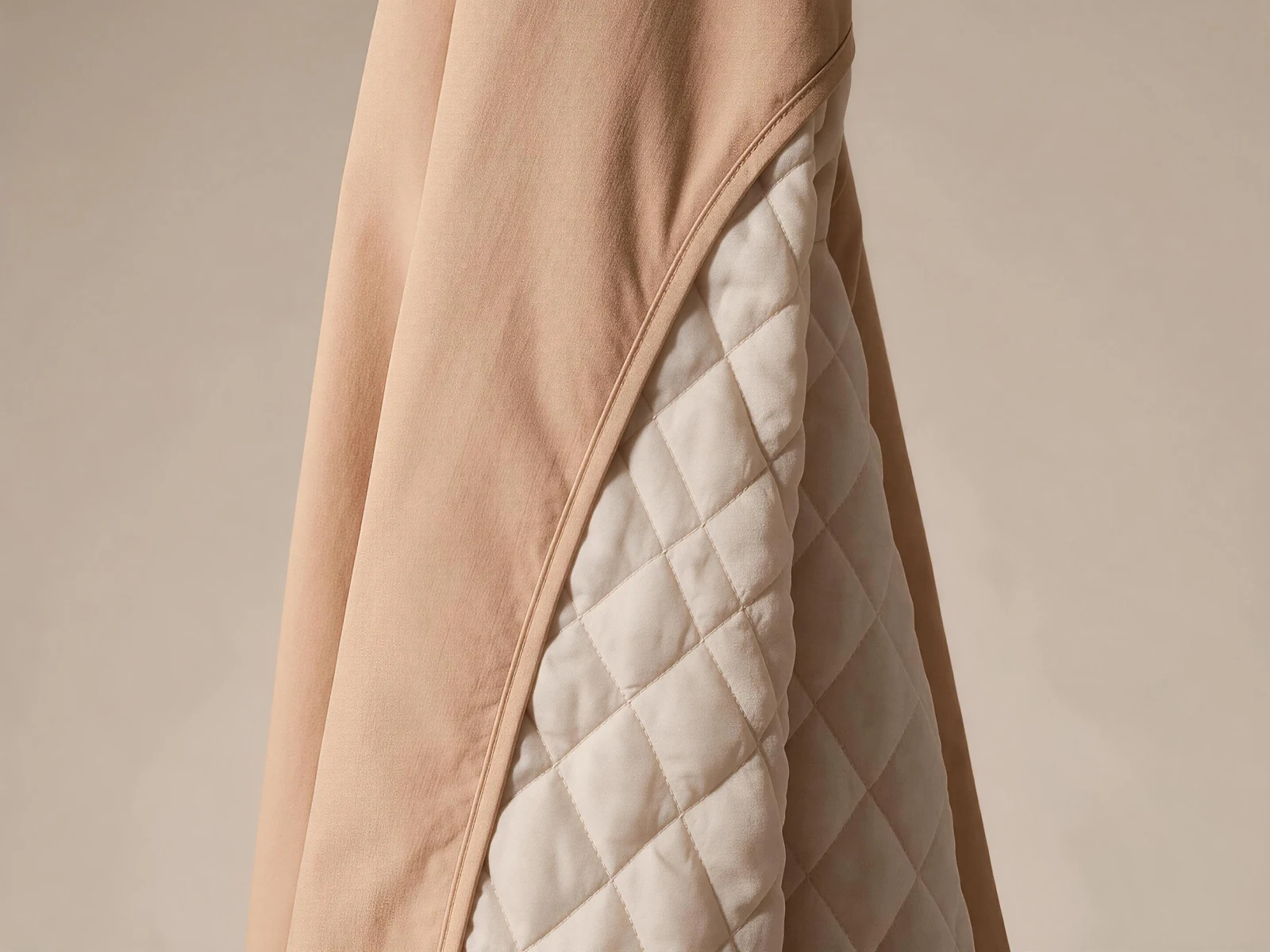
Record the zone before the explanation
Review the jacket in the intended size and with the intended clothing underneath. Keep those conditions consistent when comparing revisions. Look at the centre back, side seams, sleeve lining, front opening, hem and any vents that apply to the style. A fold at rest is not automatically a defect: record whether it changes during the intended use and whether it affects comfort or the way the outer layer hangs.
For each concern, capture the following:
- Zone: the location, using a seam or other visible construction feature as a reference.
- Direction: whether the lining gathers across the body, along its length or diagonally from an edge.
- Action: what the wearer was doing, such as reaching forward, sitting or standing with the jacket closed.
- State: whether the concern appears with the jacket open, closed or both.
- Return: whether the area settles after the action or remains displaced.
Use an overall photograph to identify the area and a closer view for the detail. Keep the garment position and framing consistent. If using a tape measure, show what the measurement starts and ends at; a number without reference points gives the sample team little to compare. Avoid forcing a stretch or movement that is unrelated to the jacket's intended use.
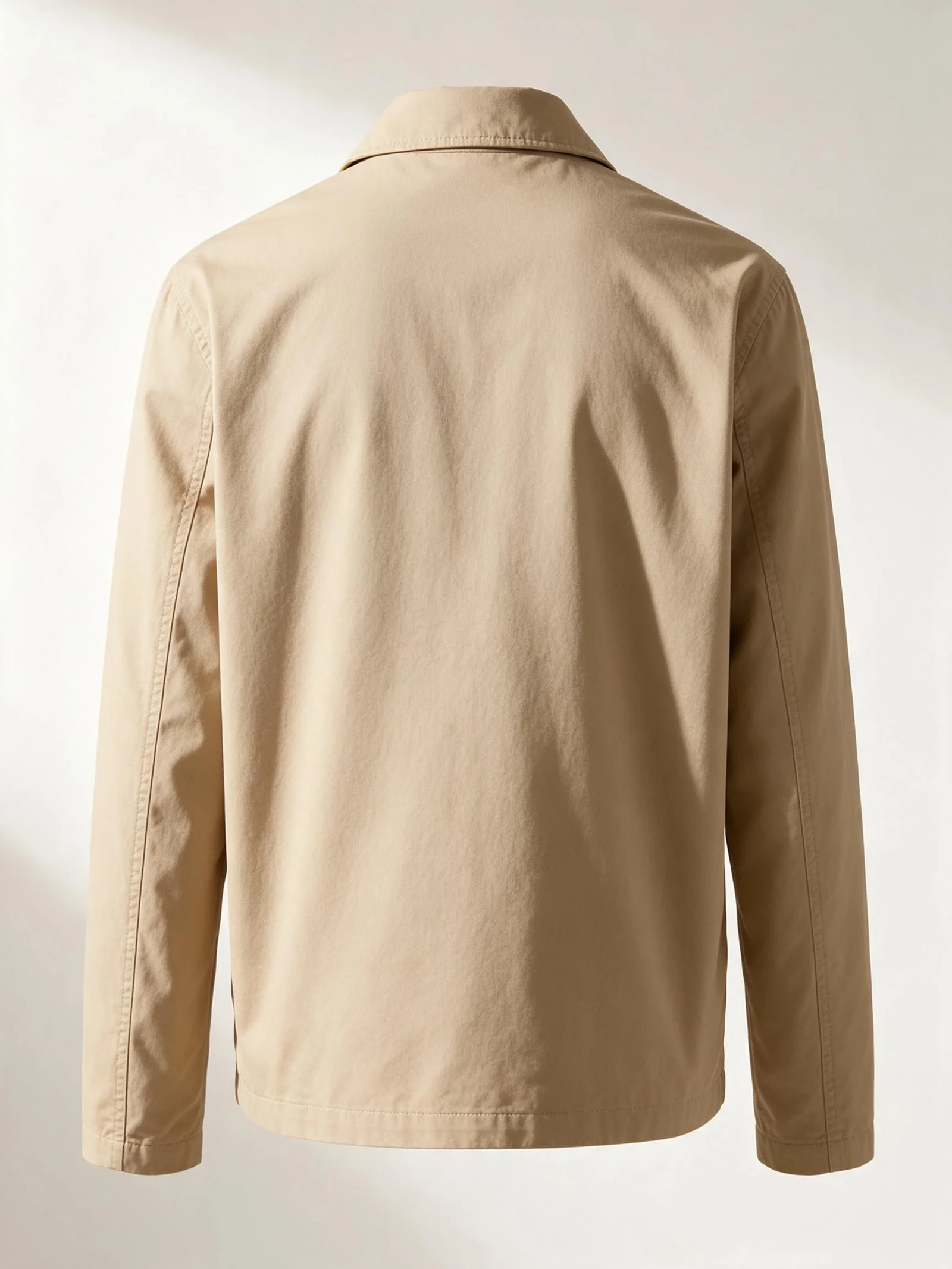
Confirm the attachment points used in this style
Lining construction varies. Ask the technical team how the lining is connected at the front facing, neckline, hem and sleeve openings, and whether the style uses any additional internal anchors. Do not assume the lining is sewn directly to the outer fabric at the shoulder or armhole.
Record only the connections you can see. A point hidden beneath a facing or inside a closed section should become a question for the sample team. For example: “The right sleeve lining stays displaced after reaching forward. Please review the sleeve lining and its connections, and advise which area needs a closer check.”
Keep the submitted sample intact. Ask the supplier to investigate concealed construction rather than cutting or unpicking the reference sample yourself. The review should retain a clear record of what arrived, what was observed and what the team later changed.
Review the outer fabric and lining together
Keep the material reference for each layer with the sample comments. Ask whether the sample used the intended materials or substitutes, and whether either changed between versions. Differences in stretch, recovery, drape or response to the specified care process are factors for the technical team to consider alongside construction and fit.
If pulling appears after care, retain the before-and-after observations and the actual care conditions. Do not assume shrinkage is the cause from appearance alone. The fabric shrinkage guide explains the wider material review; the result needs to relate to the materials and care process planned for the garment.
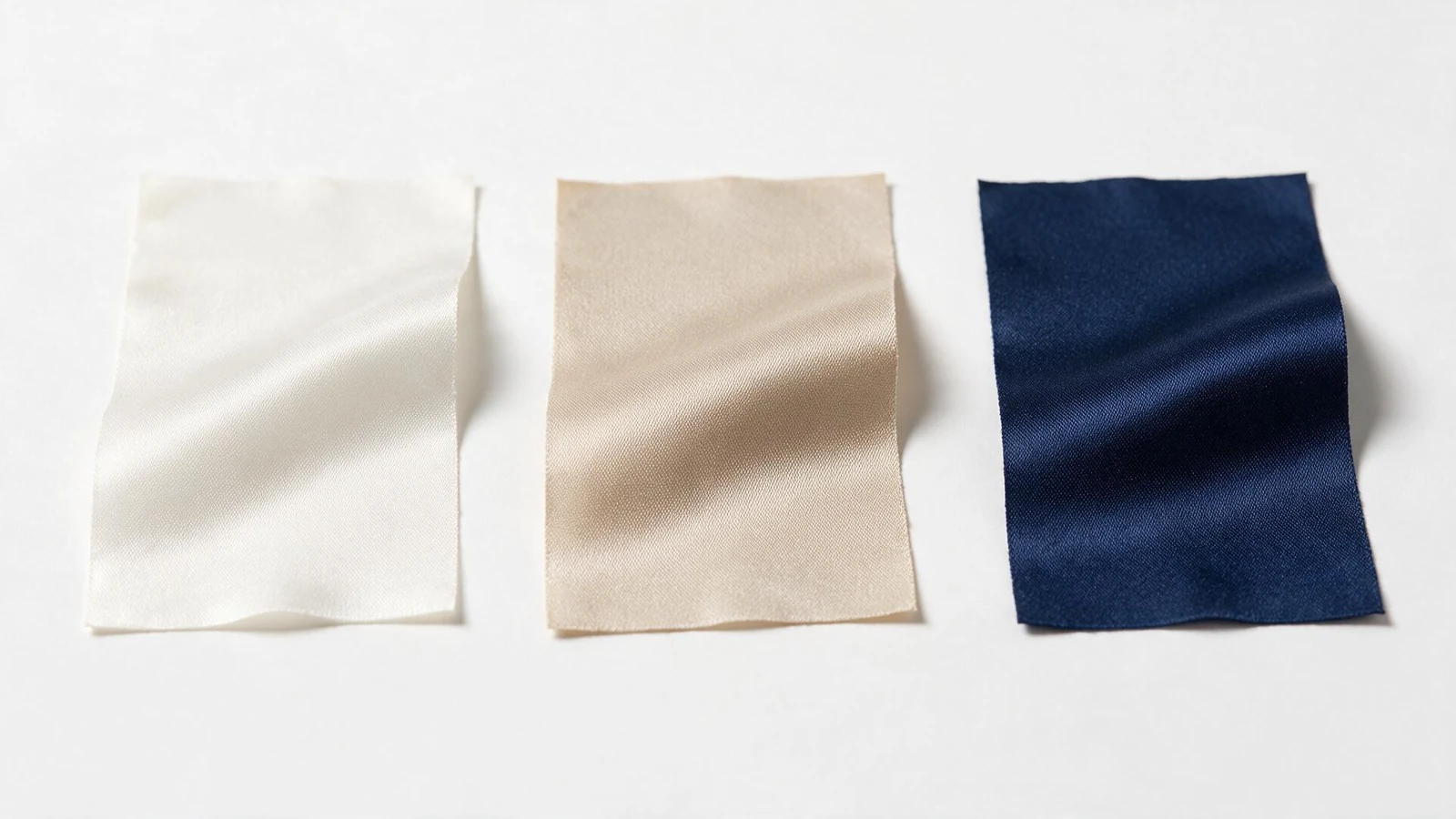
Images can help discuss an appearance, but the supplier needs the actual material references to assess compatibility. A fabric name or an image does not establish its composition, stretch or care performance.
Ask focused pattern questions
Give the pattern maker the observed area and action, then ask which of these points needs review:
- Where room was allowed in the lining relative to the outer layer.
- How that room is distributed through the back, sleeves and relevant openings.
- Whether the intended grain direction and cutting were followed for each material.
- How the lining length and hem construction work together.
- Whether an attachment restricts the movement needed for this particular style.
These are review questions, not a universal amount of lining ease. The appropriate construction depends on the pattern, materials and intended fit. Save the team's explanation and proposed changes in the tech pack and construction notes so the next sample can be assessed against the same requirements.
Sample review template
Use this checklist to organize your sample feedback. Copy it into your email or document, complete the details you observed and mark unknown details as questions.
Sample review checklist
Copy into your email or document, then complete.
Identify the sample
- Style / sample version / date
- Size and clothing worn underneath
- Outer fabric and lining references (or unknown)
- Overall and close-up photo references
Describe what happened
- Area where pulling appears
- Action and garment state (open / closed / both)
- Does the area settle afterwards? Yes / no / partly
- Before or after care? Conditions, if applicable
Agree the follow-up
- Visible attachment points
- Questions for the technical team
- Proposed change to confirm before the next sample
- Version and conditions to use for the recheck
Automatic copying is unavailable. Select the text below and copy it into your email or document.
Keep observations separate from the proposed explanation. “The left back hem lifts when seated and settles when standing” records something to investigate. “Add more lining everywhere” prescribes a change before the cause has been reviewed.
Recheck the revision under the same conditions
Agree what the team changed and which observations the next sample should address. Compare the new version in the same size, clothing and use conditions. If several components changed, record each one so a better result is not automatically attributed to a single adjustment. Keep unresolved points open in the sample approval record.
The fall/winter development guide places this review within the wider collection plan. For a concern concentrated beside the front closure, use the separate jacket zipper waviness checklist.
GoVoloom supports apparel OEM/ODM design development, sampling and production coordination. Use the outerwear project brief to organize the outer fabric, lining, intended fit and open questions before discussing the project. The inquiry details remain editable before you send them.
This is sample-review guidance. Pattern changes and material requirements need to be agreed for the actual project.