
Decoration Techniques / Silicone & Rubber Printing
Silicone & Rubber Printing for Custom Apparel
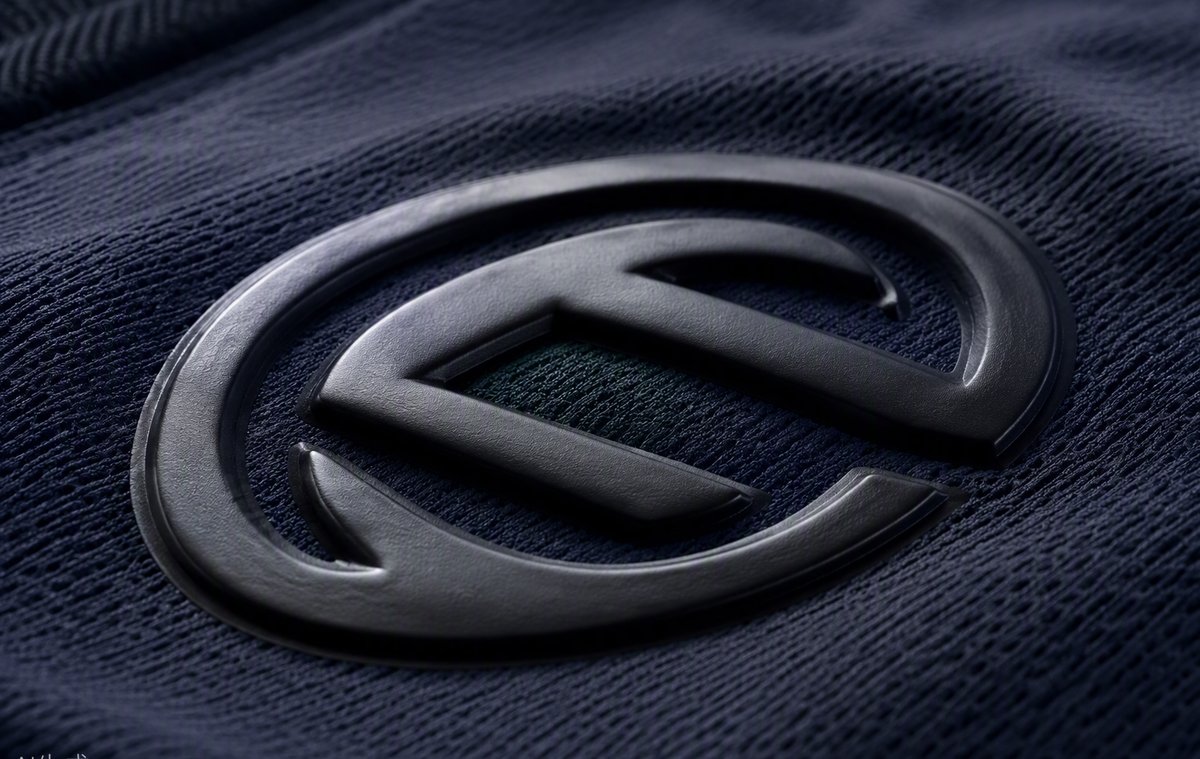
The technical 3D route: silicone ink built up in layers or moulded into precise raised logos — sharp-edged, stretch-proof, gloss or matte. The performance-wear standard for premium branding, approved on a physical sample before bulk.
Overview
One Design. Several Layers.
Silicone builds logos in three dimensions with engineering precision. These four factors decide fit and cost.
Artwork
Crisp vector shapes reproduce exactly — including fine lines that puff print cannot hold. The most precise raised route.
Quantity
Screen or mould setup is reviewed for each design. Logo dimensions, height, detail and the proposed process affect setup and production costs.
Surface
The raised route that loves stretch: silicone flexes with elastane and performance knits without cracking.
Result
Sharp 3D edges, gloss or matte finish, technical handfeel. From subtle 1mm logos to bold moulded badges.
Suitability
Is This a Silicone & Rubber Printing Job?
Wherever stretch, precision or a technical look is required, silicone leads.
Sportswear & Activewear
The home ground: logos on leggings, compression wear and jerseys that stretch without cracking.
Outerwear
Chest and sleeve branding on technical jackets — weather-resistant and permanent.
T-Shirts & Hoodies
Premium minimalist branding — small matte silicone logos read modern and expensive.
Caps & Accessories
Moulded silicone badges heat-applied or sewn on caps and bags.
For a jacket logo, record the shell fabric, artwork placement and finish requirements in the outerwear project brief. Review suitability on the intended fabric before approving the decoration.
How It Works
How Silicone & Rubber Printing Behaves on Fabric
Silicone ink is cured layer by layer into a solid elastomer. Two build methods serve different looks.
Layered Screen Print
Silicone ink is printed in successive layers, each flash-cured, building height with sharp edges.
Moulded Badge
Silicone is cast in a metal mould, then heat-applied to the garment — the most precise and dimensional option.
Materials
Choose Materials After the Fabric
Silicone chemistry and finish are chosen against fabric and design.
Gloss Silicone
Wet-look finish for bold technical branding.
Matte Silicone
Understated rubber-touch finish — the premium minimalist choice.
High-Density Build
Stacked layers for sharp-edged height from 0.5mm to 3mm+.
Process
From File to Finish
From vector file to cured elastomer — layers and cure are the controlled variables.
Review
Artwork, fabric stretch and target height are confirmed; moulded badges get tooling review.
Prepare
Screens are made per layer, or the badge mould is CNC-cut from the approved 3D file.
Print or Mould
Silicone is applied layer by layer with flash-curing, or cast in the mould.
Cure
Full thermal cure converts the silicone into a solid elastomer.
Apply
Moulded badges are heat-applied to garments under controlled temperature and pressure.
Inspect
Height, edge sharpness, adhesion and stretch recovery checked per batch.
Pricing
What Changes the Quote
Silicone carries a materials premium — understand where it goes.
Setup
Screens per layer for prints; mould tooling for badges (one-time, reused on reorders).
Run
Silicone ink costs more than plastisol, and height means material — taller logos use more.
Conditional
Multi-colour silicone and very large badges are quoted case by case after a test sample.
Quality Control
What a Failed Print Looks Like
We inspect against these known failure modes — agreed before production.
Edge Sag
Layers spreading before cure, softening sharp edges. Viscosity and flash-cure timing are the controls.
Delamination
Layers separating under stress. Inter-layer cure is verified and peel-tested per batch.
Adhesion Failure
Logo lifting from coated or slippery fabrics. Surface-specific silicone and adhesion tests are used.
Height Variation
Uneven thickness across the run. Layer count and deposit are logged against the locked sample.
Surface Tackiness
Under-cured silicone stays sticky. Full cure is verified by touch and solvent rub test.
Crack at Stretch Points
Rare on silicone, but wrong fabric pairing shows at extreme stretch — tested on the actual fabric first.
Sampling
Approve the Physical Result
Precision claims need physical proof. The sample is the standard.
Artwork Approval
You confirm design, dimensions, height and finish (gloss/matte) on a mockup.
Physical Sample
A silicone sample on the actual fabric checks edges, height, adhesion and stretch.
Pre-Production Garment
The finished garment is your sign-off standard.
Bulk Checks
First-off approval, then in-line sampling with peel and stretch tests.
Decision Boundary
Silicone & Rubber Printing or Another Route?
Three raised routes — by look, stretch and budget.
Silicone & Rubber
Sharp moulded 3D, stretch-safe, technical finish.
Best for: Performance branding and premium minimalist logos
Puff Printing
Soft expanded ink — rounded, matte, cheaper.
Best for: Streetwear graphics on fleece and heavy tees
3D Puff Embroidery
Thread over foam — structured, textured rise.
Best for: Simple logos on caps and heavy garments
FAQ
Questions Before Sampling
Why choose silicone over puff printing?
Precision and stretch. Silicone holds sharp edges and fine lines that puff expansion blurs, and it flexes with elastane without cracking — which is why it dominates performance wear branding. Puff is softer, rounder and cheaper for streetwear graphics.
What should I send for a silicone printing quote?
Send your garment, artwork and finishing requirements so we can confirm suitability and pricing.
Does silicone printing crack on stretch fabric?
No — that is its defining advantage. Cured silicone is an elastomer: it stretches and recovers with the fabric. We verify on your actual fabric, including coated and slippery technical materials.
Gloss or matte — which finish should I choose?
Gloss reads bold and technical; matte reads premium and understated. Most minimalist brands choose matte small logos; sportswear often mixes gloss accents. We sample both so you can decide by touch.
How much does silicone printing cost?
A premium route: roughly $1.50-$3.50 per logo depending on size and height; moulded badges add one-time tooling. Send artwork, dimensions and quantity for an exact quote.
Send the Actual Job
Send what you have — artwork, a reference image or just an idea. The more of this list you include, the sharper our quote. We reply within 24 hours.
✓ Vector artwork (AI, EPS or PDF)
✓ Logo dimensions and target height (mm)
✓ Finish preference (gloss / matte)
✓ Garment style and fabric composition
✓ Fabric coating details (if any)
✓ Placement
✓ Quantity per design
✓ Delivery country