
Decoration Techniques / Garment Dyeing
Garment Dyeing for Custom Apparel
Finished garments dyed to colour, not sewn from coloured fabric: richer, softer, lived-in results with the character that piece-dyed basics cannot fake. Colour is matched and locked on a dyed sample of your actual garment before bulk.
Overview
One Design. Several Layers.
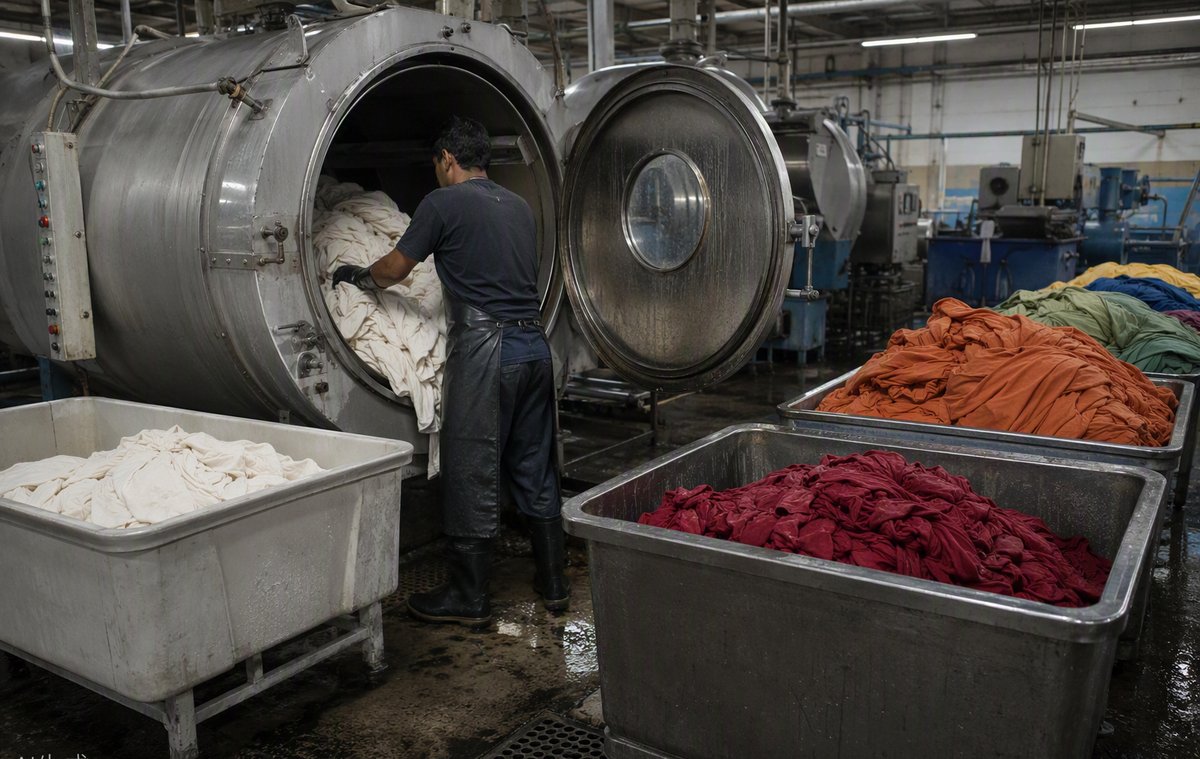
Garment dyeing colours the finished piece, seams and all. That one difference creates the look — and the rules.
Colour
Any solid colour is possible, from washed pastels to deep saturated tones. Colour is matched to a physical reference on your actual fabric.
Quantity
Dye runs in batches. Colour and dye requirements are reviewed in your quote.
Surface
Cotton and other natural fibres dye truest. Seams, stitching and labels take colour differently — part of the look when planned.
Result
Soft, even colour with a worn-in handfeel, especially with pigment dye. No two batches are perfectly identical — tolerances are agreed at sampling.
Suitability
Is This a Garment Dyeing Job?
Cotton basics are garment dyeing’s home — premium basics especially.
T-Shirts
The classic garment-dyed product: vintage-feel tees with soft, even colour.
Hoodies & Sweatshirts
Heavy fleece garment-dyes beautifully. The lived-in look is a premium streetwear staple.
Loungewear & Sets
Matching sets dyed in the same batch keep colour consistent piece to piece.
Synthetic Fabrics
Polyester requires different dye chemistry and equipment. Most garment-dye programs are cotton-based — confirmed at review.
How It Works
How Garment Dyeing Behaves on Fabric
The garment is sewn first from undyed fabric, then dyed as a finished piece. Seams and ribbing take dye at their own rate — and that is the aesthetic.
Reactive Dyeing
Dye bonds chemically with the cotton for even, saturated, wash-fast colour. The clean, solid-colour route.
Pigment Dyeing
Pigment sits on the fibre surface and fades gently with washing — the vintage, sun-faded look that improves with age.
Materials
Choose Materials After the Fabric
Undyed (PFD) garments and dye chemistry are the material decisions.
PFD Garments
Prepared-for-dye blanks: sewn without optical brighteners or finishes that would block dye. We source or sew them for your program.
Reactive Dyes
For saturated, wash-fast solid colours on cotton.
Pigment Dyes
For the faded vintage look — colour that lives on the surface and ages gracefully.
Process
From File to Finish
From undyed garment to finished colour — shrinkage is engineered in, not discovered later.
Review
Colour reference, fabric, dye type (reactive vs pigment) and batch size are agreed.
Lab Dip
A small dyed swatch on your actual fabric checks the colour formula before any garment is dyed.
Garment Prep
PFD garments are scoured so dye takes evenly.
Dye
Garments are dyed in batch machines under controlled time, temperature and ratio.
Wash & Dry
Pieces are washed to remove loose dye and dried under controlled conditions — this is where final shrinkage lands.
Measure
Post-dye measurements are checked against the size chart; patterns are pre-compensated.
Inspect
Colour against the approved standard, batch consistency and measurement checks per batch.
Pricing
What Changes the Quote
Garment dyeing prices follow batch chemistry, not prints.
Dye Type
Pigment and reactive routes price differently; deep saturated colours use more dye than pastels.
Batch Size
Dye machines have efficient load ranges. Very small runs carry a batch premium.
Garment Weight
Dye is priced against fabric weight — a 340gsm hoodie uses far more than a 160gsm tee.
Quality Control
What a Failed Print Looks Like
We inspect against these known failure modes — agreed before production.
Batch Colour Drift
Colour varies between dye batches. Formula, ratio and temperature are logged; reorders are matched to the retained standard.
Uneven Dyeing
Streaks or blotches from poor circulation or preparation. Scouring and load control are the prevention.
Seam Puckering
Dye-process shrinkage distorts seams. Fabric and sewing thread are chosen for the process before cutting.
Shrinkage Beyond Spec
Garment dyeing shrinks more than normal washing. Patterns are cut oversized to land on the final size chart — verified by post-dye measurement.
Colour Bleeding
Loose dye in first washes. Proper wash-off and fixative steps are applied and tested.
Thread Colour Mismatch
Sewing thread takes dye differently than fabric. Thread is selected at PFD stage to match the target result.
Sampling
Approve the Physical Result
A Pantone chip on paper is not the standard. A dyed piece of your garment is.
Lab Dip Approval
You approve the colour on a dyed swatch of the actual fabric.
Dyed Sample Garment
A full garment dyed to formula checks colour, seams and shrinkage behaviour.
Post-Dye Measurements
Final measurements are confirmed against your size chart before bulk.
Bulk Checks
Batch colour comparison, measurement sampling and wash tests per batch.
Decision Boundary
Garment Dyeing or Another Route?
Three ways to colour the whole garment — by look and by fabric.
Garment Dyeing
Even solid colour on finished garments, soft and lived-in.
Best for: Premium basics and vintage solid colours on cotton
Tie-Dye
Patterned multi-colour dye effects, every piece unique.
Best for: Statement pieces and festival wear
Piece-Dyed Fabric
Fabric coloured before cutting — maximum consistency.
Best for: Basic programs where exact colour repeat matters most
Production Guide
What Is Garment Dyeing? Process, Dye Types and Production Risks
Learn how PFD construction, reactive and pigment color, shrinkage, trims and batch QC work before you request a production quote.
Read the Garment Dyeing Guide →FAQ
Questions Before Sampling
What is the difference between garment dyeing and regular coloured fabric?
Regular production dyes the fabric first, then sews. Garment dyeing sews first, then dyes the finished piece — seams, ribbing and all. The result is softer, richer and slightly lived-in, the signature look of premium basics.
What should I send for a garment dyeing quote?
Send your garment, artwork and finishing requirements so we can confirm suitability and pricing.
Will garment-dyed clothes shrink?
The dye process shrinks garments more than normal washing — so we engineer it: patterns are cut oversized and post-dye measurements are checked against your size chart. The finished garment lands on spec, and shrinkage after purchase is minimal.
Reactive vs pigment dye — which should I choose?
Reactive dye gives saturated, even, wash-fast colour. Pigment dye sits on the fibre surface and fades gently into a vintage look. If you want a crisp solid colour, reactive; if you want the sun-faded aesthetic that improves with age, pigment.
Can you match my exact brand colour?
Yes, via lab dips on your actual fabric, approved by you before bulk. Garment dyeing has natural batch-to-batch variation within an agreed tolerance — the lab-dipped standard governs every batch.
Send the Actual Job
Send what you have — artwork, a reference image or just an idea. The more of this list you include, the sharper our quote. We reply within 24 hours.
✓ Colour reference (Pantone or physical sample)
✓ Garment style — cotton recommended
✓ Reactive (solid) or pigment (vintage) preference
✓ Fabric weight (gsm)
✓ Size chart with post-dye tolerance
✓ Quantity per colour
✓ Matching set requirements (if any)
✓ Delivery country
Continue