
Quality Assurance
Apparel Quality Control &
AQL Inspection
Agree quality checkpoints, acceptance criteria, records and responsibilities for the selected order before production.
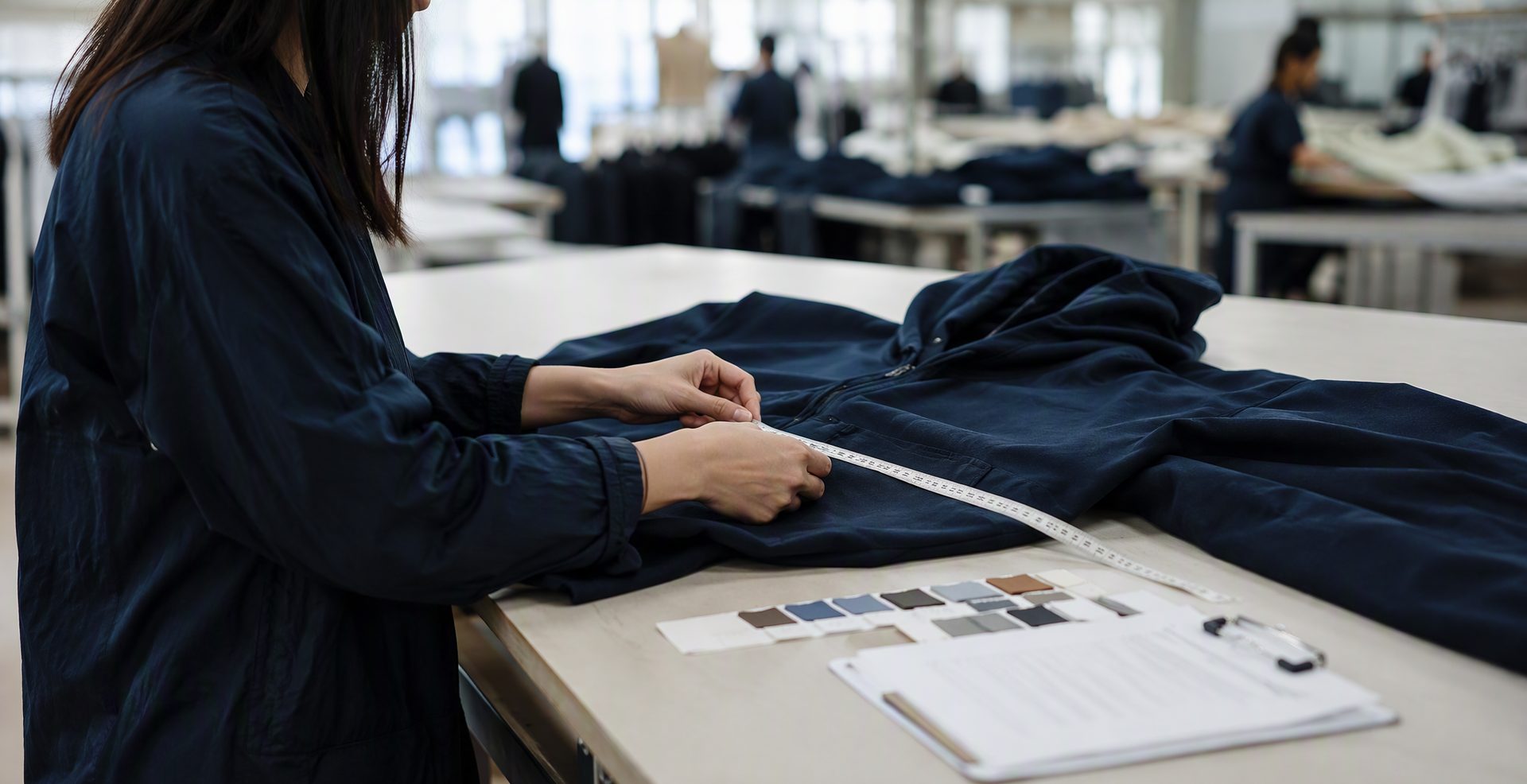
AQL 2.5 Apparel Inspection Explained
AQL sets defect acceptance limits for a sample. It does not mean only 2.5 percent of the order is inspected.
How the Sampling Plan Works
The lot size and inspection level determine the sample size. The selected AQL then determines the accept and reject numbers.
Most apparel programs use General Inspection Level II. The final plan is confirmed against the purchase order, product risk and buyer requirements.
Read the AQL 2.5 guide →Critical Defects
Safety or regulatory failures. The normal acceptance target is zero.
Major Defects
Problems that affect use, saleability or appearance. AQL 2.5 is commonly specified.
Minor Defects
Small workmanship issues that do not affect function. AQL 4.0 is commonly specified.
Accept or Reject
The shipment passes only when defect counts stay within the agreed sampling plan.
Plan the Checks
Quality Control Planning
Fabric Inspection
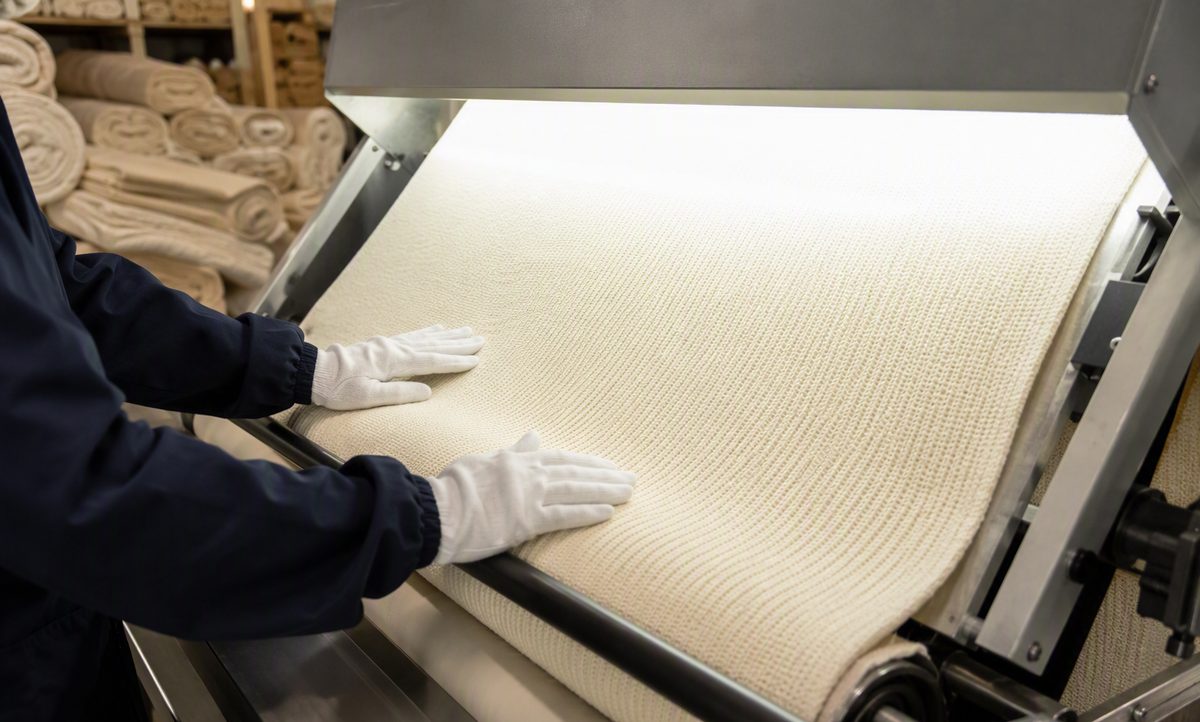
- Fabric composition verification
- Color shade and consistency check
- Weight, shrinkage, and colorfastness testing
- Defect scanning before cutting
Pre-Production Approval
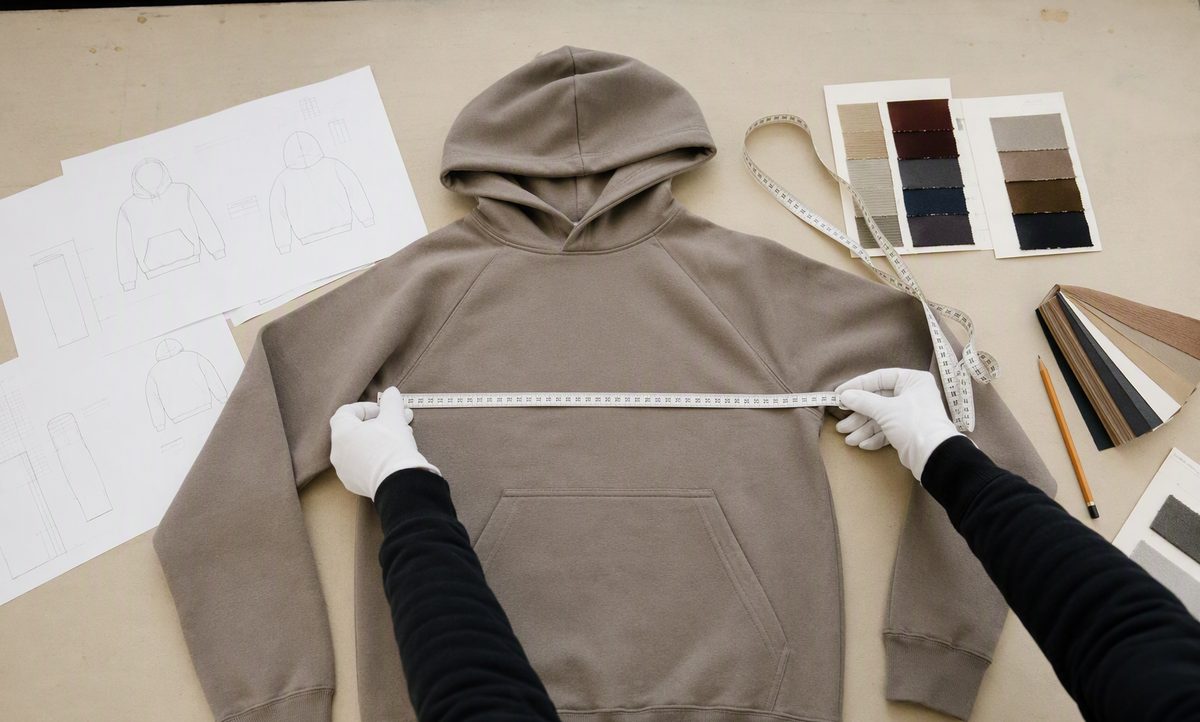
- Proto sample review and fit approval
- Measurement and construction verification
- Tech pack compliance check
- Pre-production sample sign-off before bulk
Inline Production QC

- Cutting quality and panel accuracy
- Sewing workmanship and stitch quality
- Real-time defect tracking and correction
- Trims, labels, and finishing verification
Final Inspection Plan
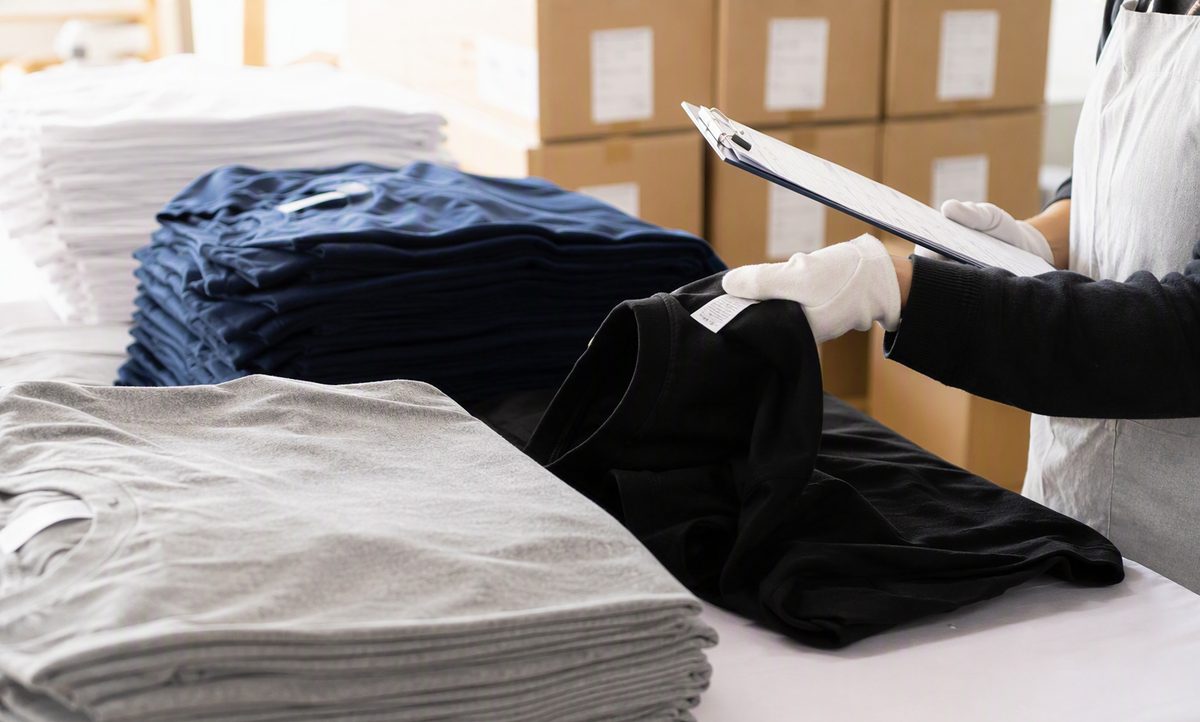
- Sampling level and defect limits agreed for the order
- Measurement audit against spec sheet
- Visual appearance and packaging check
- Reporting scope confirmed before production
Inspection Standards
Confirm the sampling method, defect limits, reporting format and release decision for each order. Any third-party inspection needs its own agreed scope.
Tests to Discuss
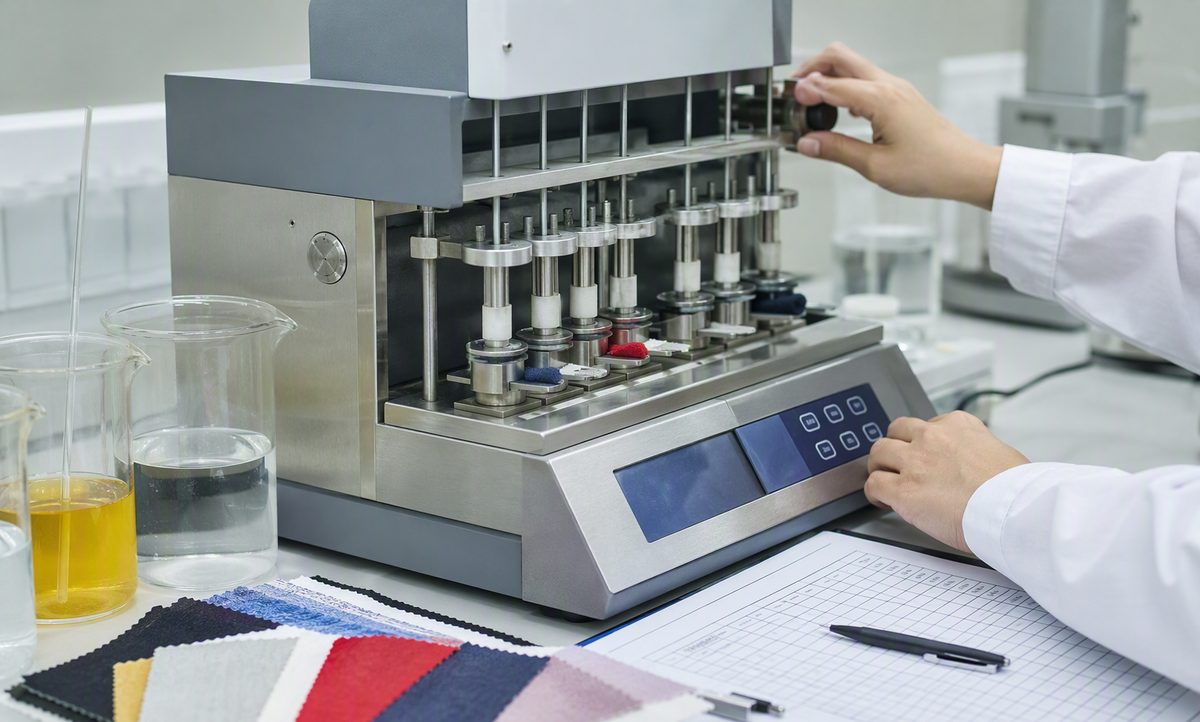
What a Shipment QC Report Should Show
The report connects approved specifications, sampling results and corrective actions.
Order and Sampling Record
PO number, color and size breakdown, lot quantity, inspection level, sample size and AQL limits.
Measurement Audit
Actual measurements by sampled size, tolerance comparison and a clear list of out-of-tolerance points.
Defect Evidence
Critical, major and minor defects classified with photos, quantities and production-line locations.
Packing and Release
Label, barcode, assortment, carton and shipping-mark checks, followed by pass, hold or reinspection status.
Documentation for Your Project
Tell us which factory audits, material certificates and inspection records your market requires. Confirm document validity and scope for the selected facility, material and order before making any certification claim.
Apparel Customization & Finishing
Labels & Packaging
Woven labels, cotton labels, hang tags, care labels and custom poly bags for full brand identity integration.
Print Techniques
Water-based screen print, foil transfer, devoré, heat transfer and DTG for varied artwork and placements.
Embroidery
Flat embroidery, 3D puff, appliqué, laser-cut patches, all-over embroidery, manual beading.
Wash Treatments
Stone wash, enzyme wash, silicone wash, sand wash, crinkle wash and acid wash for premium finishes.
Dyeing Methods
Pigment dye, reactive dye, cold dye, tie dye, garment dye, spray effect, dip dye.
Garment Construction
Flatlock seams, binding, bartack reinforcement, blind hem, custom trims and hardware.
Apparel Inspection Questions
What does AQL mean in garment inspection?
AQL means Acceptable Quality Limit. It is a statistical sampling method used to decide whether a production lot meets the buyer's agreed defect limits.
What does AQL 2.5 mean for apparel?
AQL 2.5 is a commonly used limit for major defects. The exact accept and reject numbers depend on lot size, inspection level and the resulting sample size.
Why do buyers use AQL 2.5 major and 4.0 minor?
Major defects affect function, saleability or appearance, so they receive the tighter 2.5 limit. Minor workmanship defects are often controlled at 4.0. Critical defects normally have zero tolerance.
How many garments are checked in a final inspection?
The sample size comes from the lot quantity and inspection level, commonly General Level II. It is not a fixed percentage of the order.
What is the difference between inline QC and final inspection?
Inline QC finds process problems while garments can still be corrected. Final inspection checks the completed, packed order against the approved sample and purchase requirements.
Can a third-party inspection company check the shipment?
Yes. Buyers may appoint SGS, Intertek, Bureau Veritas or another independent inspector. We prepare the order, approved documents and inspection area for review.
Discuss Your Quality Requirements
Share your specs and quality standards. We'll show you how our QC process protects your brand.
Request Quality Specs →