
Outerwear Sample Review
Jacket Hem Drawcord Slipping: Sample Checks Before Approval
An adjusted jacket hem can open up because the cord moves through its lock, an elastic cord extends, or the gathers and garment shift. A useful sample comment identifies which change you observed. “The drawcord slips” alone leaves the technical team guessing what to reproduce.
Start with the assembled sample, its component references and a recorded setting. Compare the same points before and after the agreed adjustment and movement sequence. This gives the team a specific question to investigate during the fall/winter development and quality review. It does not establish holding strength or replace any testing required for the product.
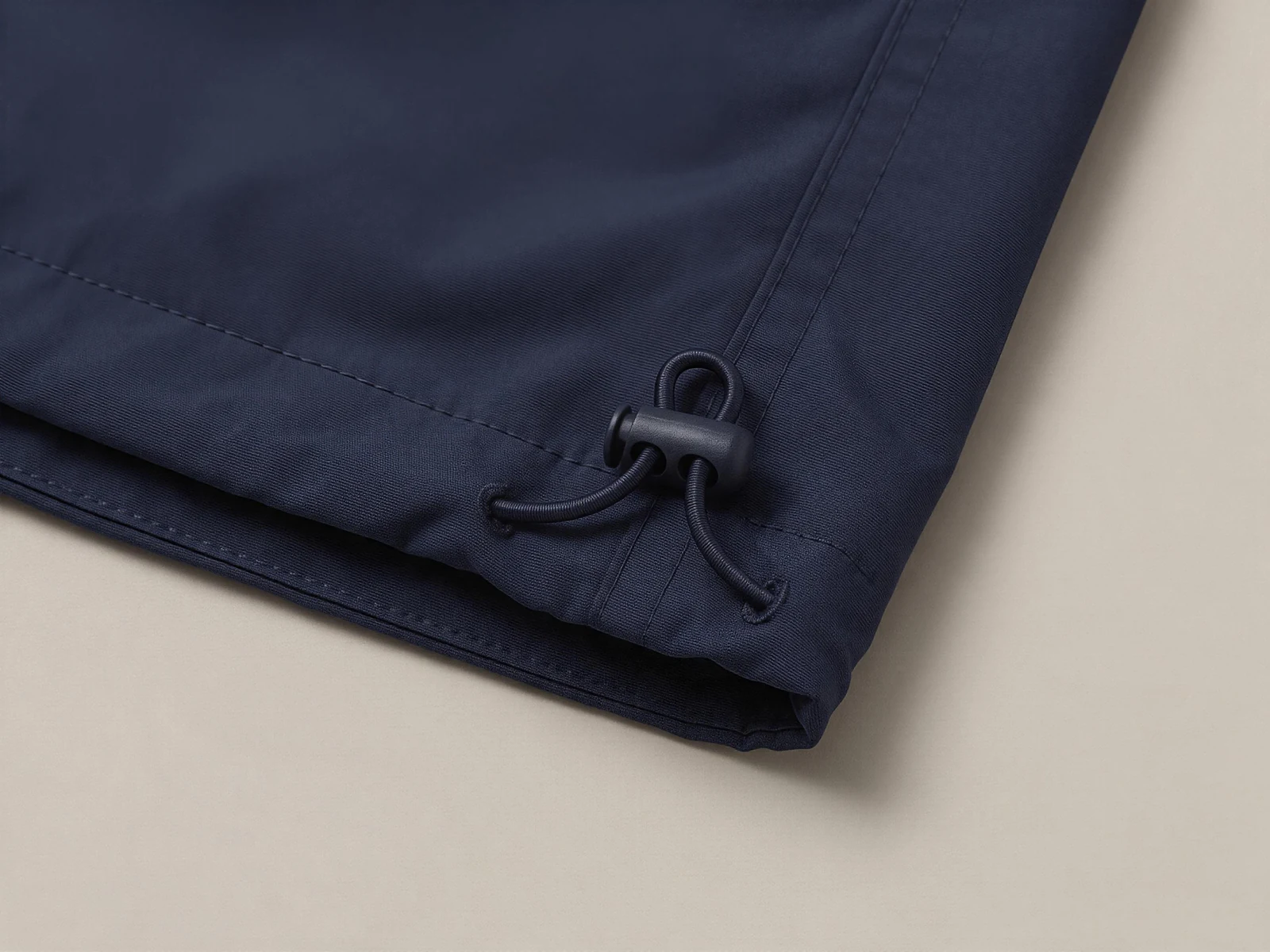
Locate what actually changes after adjustment
Separate movement between cord and lock, elastic length change, and movement of the channel or garment. More than one can occur during the same observation.
First, check the cord's position relative to the lock. A cord travelling through a stationary lock and a lock travelling along a stationary cord both describe relative movement at that interface. They are not, by themselves, different diagnoses. Record the lock's position relative to the garment as well, so the team can see whether the whole assembly moved.
Next, consider elastic extension. A visible cord segment may become longer while its position at the lock appears unchanged. Record its length under the stated condition and again after release, using the same endpoints. That helps distinguish extension and recovery from travel through the lock. Where the endpoints are unclear or concealed, record the uncertainty rather than assign a cause.
Finally, look at the channel and surrounding panel. Gathers may redistribute, or the jacket may shift over the layers underneath. A changed hem outline therefore does not automatically show lock slippage. Take a wider view alongside the detail view, and describe what stayed in place as carefully as what changed.
Set up a repeatable adjustment comparison
Use a recorded starting setting and comparable conditions so another reviewer can repeat the observation. Agree the operation with the technical team before comparing samples.
Identify the sample version, size and exact hem location. Record the garment's condition, layers worn, closure position and how the adjustment was made. Photograph the starting state before the agreed movement sequence; then record the resulting state and the state after release. Keep the camera view and garment support consistent enough to compare the same points.
Use existing visible features, such as the cord exit, lock edge or seam intersection, as references where they are clear enough. Avoid adding pins, stitches, adhesive or ink that could damage the garment or affect the adjustment. If there is no reliable reference on the cord, ask the technical team for a suitable method; a photograph cannot recover information that was never visible.
Describe the action precisely enough to repeat without introducing extra tension. “Adjusted to the recorded setting, then followed the agreed fit movement” is more useful when the movement and starting position are attached. Note who performed each comparison. Stop if the operation damages the sample or cannot be repeated as specified.
Treat intentionally asymmetric sides separately. Compare each side with its own starting state and design requirement. Keep the record with the wider sample review checklist, including any conditions that have not yet been checked.
Ask the technical team to check the cord-and-lock pairing
Verify the actual cord, lock and routing together against the current specification. A different lock or thicker cord is a proposed change to evaluate, not an automatic correction.
For the cord, request the component reference, construction, profile, surface, elasticity and specified dimensions. For the lock, request its reference, type and intended routing. Confirm whether the components fitted to the sample match those records. A similar colour or appearance does not establish that two components are interchangeable.
The sewn assembly needs its own check. Ask the team to verify the channel path and dimensions, attachment points, available adjustment travel and how exposed cord ends or loops are managed. Record whether each answer comes from the specification, an observed feature or a technical inspection of the sample. Hidden construction should remain unverified until someone can check it appropriately.
Link any approved substitution to the tech pack and bill of materials. If the cord and lock must change together, identify the revised pairing as a set. Its result can be assessed as an assembly, even though that comparison alone cannot isolate the effect of each component.
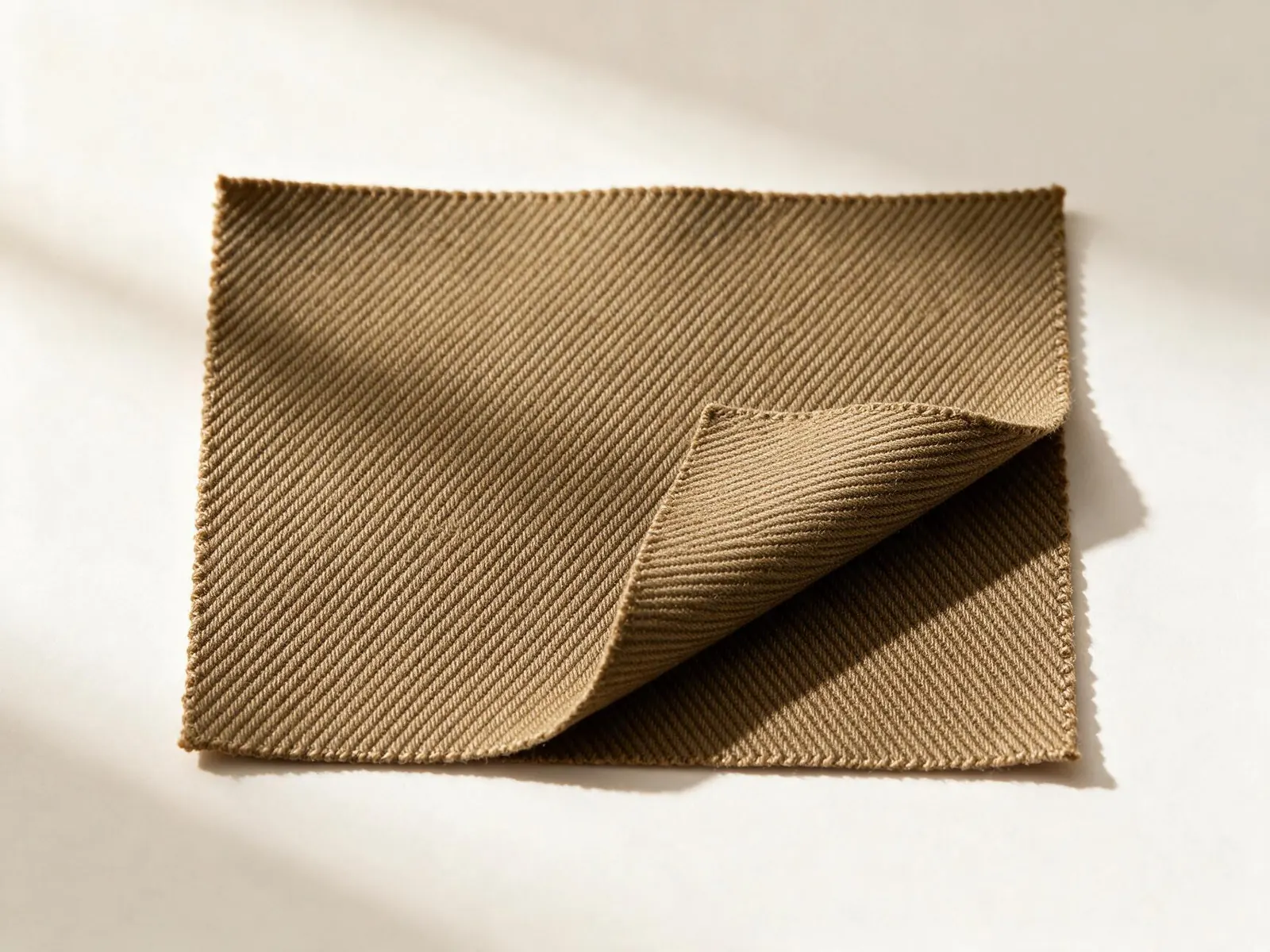
Separate functional correction from the jacket silhouette
Record adjustment retention and hem appearance as separate review items. A setting that remains in place does not establish that the resulting silhouette matches the design.
With the hem adjusted, record the specified hem measurement, visible cord arrangement and distribution of gathers. Compare the left and right sides only where the design calls for that comparison. Then release the adjustment as specified and record the resulting outline. Keep the whole garment in view so a shifted jacket is not mistaken for a changed hem setting.
A useful comment might state that the cord position relative to the lock appeared unchanged while gathers moved toward one side. Another might record that the cord moved through the lock while the lock remained beside the same seam. These are examples of observations to document, not findings from a tested sample.
Keep requirements that should remain unchanged in the revision request: the intended hem line, component appearance or specified adjustment range. Any washing, finishing or conditioning must follow the project requirements. If its relevance or procedure is unclear, ask the technical team before treating an untreated and a treated sample as comparable.
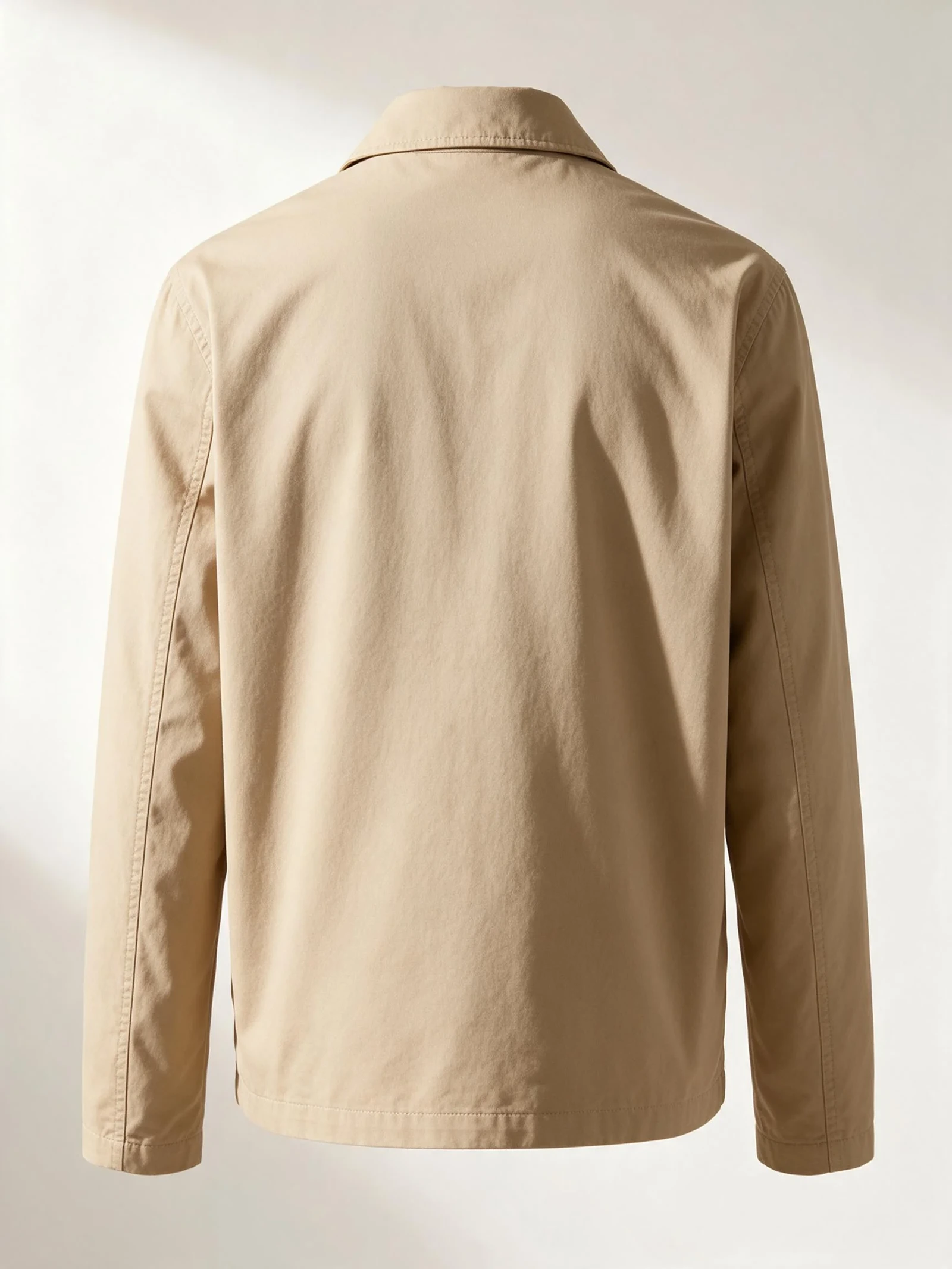
Send one actionable revision record for the next sample
Send the observed change, the unresolved question and the required recheck in one versioned record. This gives the next sample a clear review target.
Copy-ready sample comment
Replace the blanks with the actual observations and agreed requirements. Leave unknown items open rather than filling them with an assumed cause.
Attach the relevant detail and wider views with the sample ID. On the next revision, repeat the agreed comparison and identify everything that changed. Close only the requirements actually reviewed; retain any outstanding functional or compliance checks in the sample record.
Is elastic cord extension the same as slipping?
No. Extension changes the length of a cord segment; slippage changes its position relative to the lock. They can happen together. Record the segment endpoints and the cord-to-lock relationship separately, and flag any movement you could not observe reliably.
Can photos prove that a cord lock holds?
No. Photos can document visible positions and help reproduce an observation. They cannot establish holding force, durability or performance under conditions that were not assessed. Ask for the appropriate component and assembled-garment evaluation where those requirements apply.
Is there one tension or cycle limit for every jacket?
No single limit suits every design and use. The technical team should identify the applicable requirements, methods and acceptance criteria, including relevant standards or legal requirements. An informal observation or buyer agreement does not replace those obligations.
Preparing an adult jacket for sample review? Use the outerwear project brief to bring the style reference, intended hem adjustment and open sample questions into the development discussion.
You can also select and copy the text manually.