
Outerwear Sample Review
Jacket Pocket Bags Showing: Sample Checks Before Approval
If pocket bag or lining fabric shows at a jacket's pocket opening or below the hem, compare it with the appearance agreed for the style. Hold approval if it falls short, then record the location, direction, garment condition, pocket contents and sample version. These observations help the technical team investigate the cause; they do not establish it on their own. Record any sagging as a separate symptom.
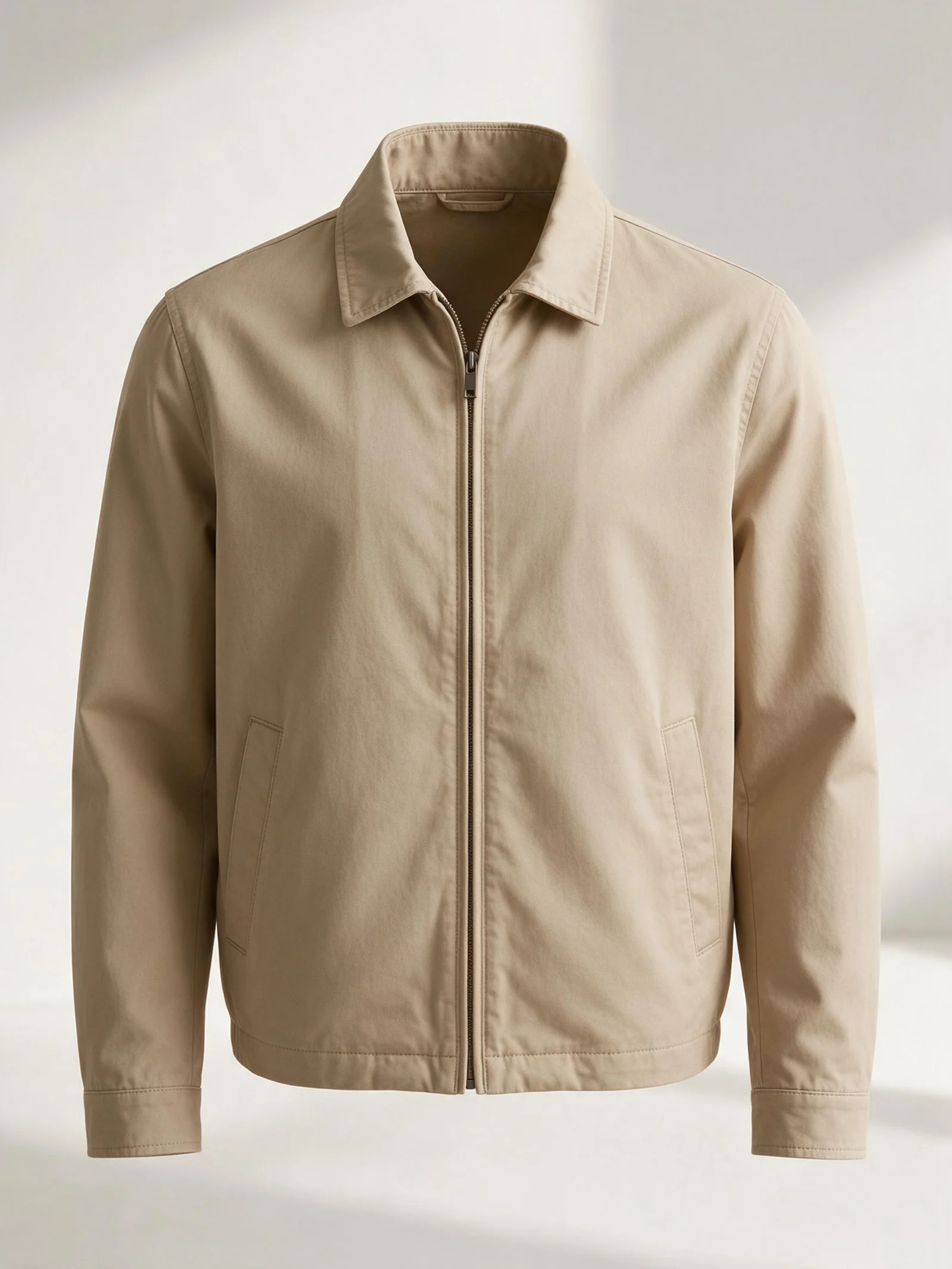
Identify the material that is showing
Confirm whether the visible material belongs to the pocket bag, the pocket's own inner layer or the jacket lining before requesting a correction. Material at an opening or below a hem can come from different parts of the garment.
A separate pocket bag forms a cavity behind an opening, with its own panels and attachments. A patch pocket is sewn onto the outside of the garment. It may have an inner layer, facing or backing, so it is not necessarily a single piece of fabric. The jacket lining is a different component and should not be treated as a third type of pocket construction.
Check the physical sample against the pattern and construction sheet. A flat sketch may show an opening without showing what sits behind it. An illustration also leaves those details unconfirmed. If the material cannot yet be identified, write “visible internal fabric, component to confirm” rather than assigning it to the pocket bag.
State which appearance reference applies. Some designs intentionally reveal contrasting material at the opening. A contrast panel is not automatically an error; the question is whether this sample matches the agreed design and use requirement. For broader seasonal planning, refer to the fall/winter collection development guide.
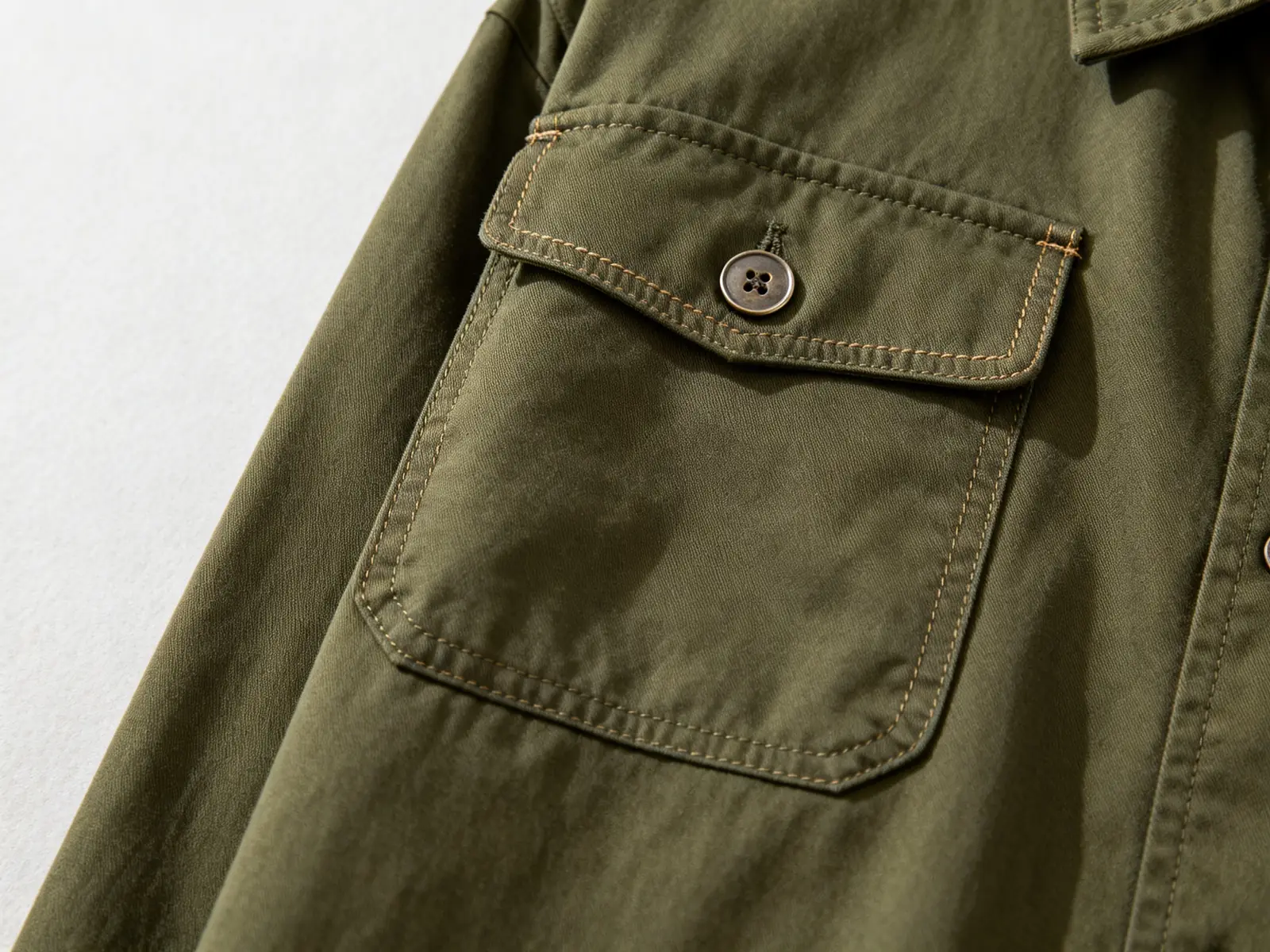
Record the symptom accurately
Describe what was seen, under which conditions, before suggesting why it happened. Keep these six fields together so the next sample can be checked against the same observation.
Position. Identify the pocket, the side and whether the view is inside or outside. At the opening, note whether material shows along the full edge, at one corner or in the middle. Below the hem, record its extent using a stated measuring point, where practical.
Direction. Note whether the material rises above the opening edge, comes forward through it, hangs below the hem or projects diagonally. This describes the visible fabric, rather than how the garment is being held.
Garment condition. Record whether the jacket is flat, hanging, worn or moving. For a worn review, note the intended underlayer and how the jacket is fastened. Keep this separate from direction: a problem visible on a hanger may not appear in the same way when worn.
Pocket state. Review the empty pocket first, then the agreed use items if this forms part of the brief. List those items and their placement. Avoid substituting whatever happens to be available, because different contents can change how the pocket sits.
Left and right. Compare both sides under comparable conditions. Record any difference without assuming its cause. If the design intentionally uses different pockets on each side, assess each against its own requirement rather than expecting identical behavior.
Sample version. Include the style, revision or date, size, colorway and tech pack revision. Photograph comparable views in consistent lighting, with a wider view for location and a close-up for detail. Add a scale reference where measurement is relevant. See the clothing sampling process guide for the wider approval workflow.
Keep sagging separate from visibility
Log sagging and exposed material separately, even when they occur together. Sagging describes how a pocket hangs or deforms under its own weight or its contents. Material can show without sagging, and a pocket can sag without fabric protruding through the opening or past the hem.
It is tempting to write a cause straight into the comment: the bag is too shallow, reinforcement is missing or the stitching is wrong. Those are hypotheses. The appearance alone does not establish which applies, and a correction that helps one symptom may leave the other unresolved.
Usable depth depends on the actual pattern, seam allowances and attachments. Review those details with the available space inside the garment. A general appearance photo provides little basis for deciding how much to change the bag. If measurements are needed, agree on the measuring convention and record the actual result.
Internal attachments and seam methods also need specific evidence. A clear close-up may show a tack or seam detail; an ordinary exterior photo may not. Check the inside of the sample and the relevant construction notes rather than treating something absent from a photo as missing from the garment.
If lining tension appears in the same area, give it a separate observation linked to the pocket comment. The jacket lining pulling guide provides related sample-review questions. Keep both observations visible through the revision so one does not disappear from the record when the other improves.
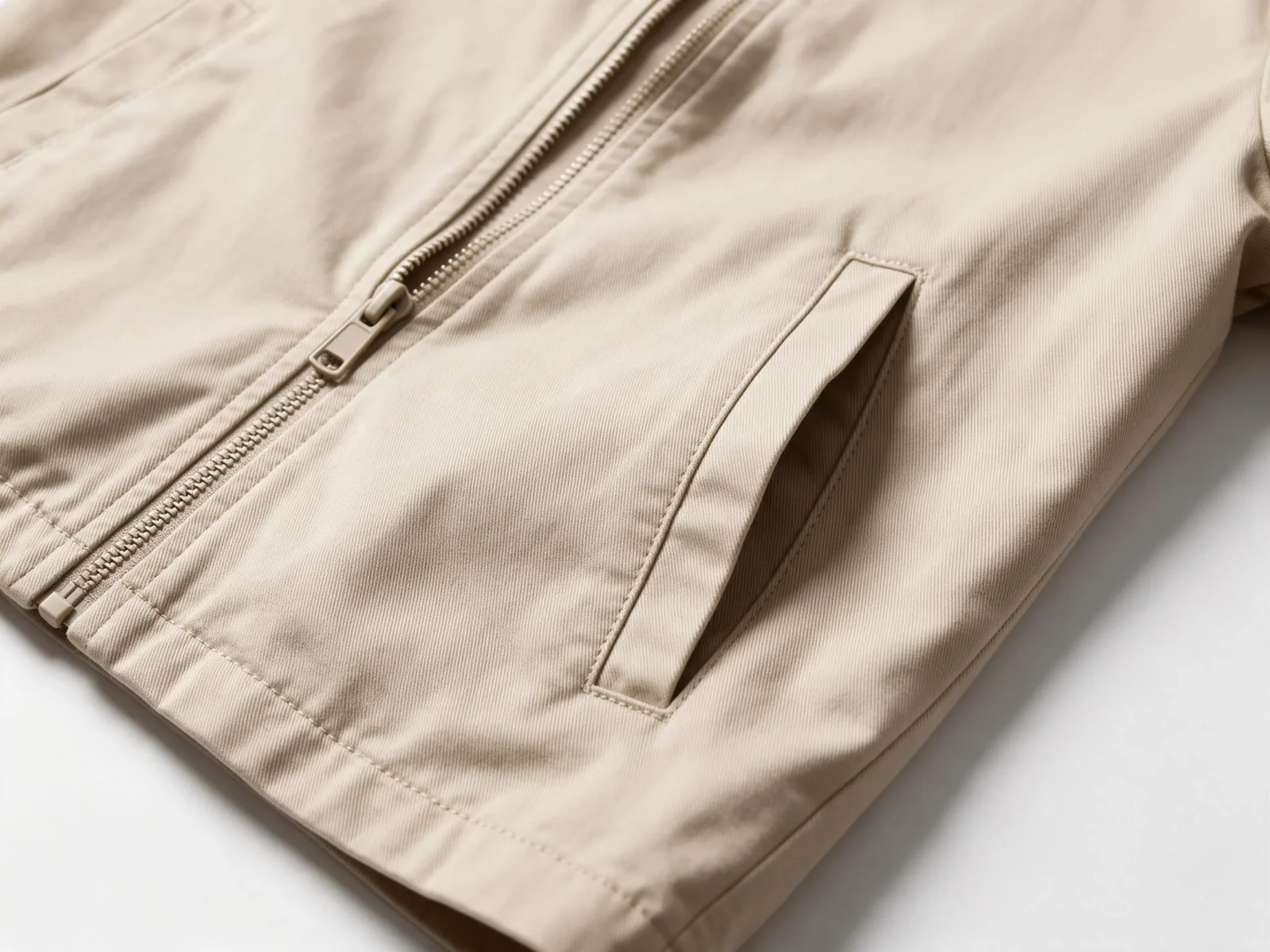
Review the correction with the technical team
Ask for a proposed change tied to the observed condition and the agreed pocket use. Send the comment, photographs and sample identity alongside the tech pack revision the sample was made against. Buyer requirements and technical assessment should inform the same decision.
Have the team identify the component involved and review the actual pattern and construction. Ask what a proposed adjustment changes: usable space, opening shape, attachment, lining relationship or hem appearance. Removing exposed material is only part of the decision if the pocket must still hold particular items or allow comfortable hand access.
Avoid turning an unverified cause into an instruction such as “make the bag deeper” or “add reinforcement.” Record the proposed correction after its implications have been considered. Where several changes are needed, list them together so later improvement is not attributed to one isolated change without evidence.
Define the condition that needs to be resolved: for example, no unintended fabric showing below the hem when worn with the agreed pocket contents. This is a project requirement to agree, not a universal acceptance standard. For a GoVoloom outerwear brief, include the observation and intended pocket use in the outerwear development tools.
Re-check the revised sample before approval
Repeat the relevant observations on the revised sample and record the decision against the same issue. An improved close-up alone does not confirm that the full pocket requirement has been met.
Check usable space against the agreed contents and access requirement. Review the opening, hem and surrounding panel in the conditions that revealed the issue. Include the intended movements where relevant, such as sitting, reaching or walking. Record which conditions were actually reviewed and leave any unfinished check marked as pending.
Keep the original comment ID for an unresolved issue and append the new sample version, photographs and result. Open a separate comment for a different observation, with a cross-reference if needed. The tech pack preparation guide is a related resource for organizing development information.
Copy-ready sample comment
Use the following blank fields with actual sample information. This is a development record, not a completed test or an acceptance specification.
Does visible fabric mean the pocket is too shallow?
Not necessarily. Visibility and usable depth are different questions. Record the symptom, identify the material and review the actual construction before specifying a change.
Is sagging the same issue?
No. Sagging concerns how the pocket hangs or deforms; exposure concerns material becoming visible. Record separate observations if both occur.
Can an illustration confirm the construction?
No. Use it to discuss design direction. Confirm the sample's construction from the physical garment, pattern and relevant development records.
This article is general development guidance. It does not report tests or results for a specific GoVoloom sample.
Comment ID: ___; style / sample revision / size / colorway: ___
Tech pack revision and appearance reference: ___
Component: pocket bag / pocket inner layer / lining / to confirm: ___
Position: pocket, side, opening or hem, affected area: ___
Direction and extent of visible material: ___
Garment condition: flat / hanging / worn / movement: ___
Pocket state: empty / agreed items and placement: ___
Left-right comparison and photo references: ___
Sagging, if present — separate observation: ___
Requested review: assess the actual pattern and construction; record the proposed change and its effect on space, access and appearance.
Next revision and re-check: ___
Decision: pending / revise / approved for stated requirement: ___
Reviewer and date: ___
Copy not working? Select the text manually