
Adult Streetwear · Shoulder Construction
Raglan vs Drop Shoulder: A Streetwear Development Brief
Raglan and drop-shoulder sleeves create different seam layouts. A raglan sleeve extends to the neckline, with seams running toward the underarm. A drop-shoulder design moves the sleeve attachment beyond the natural shoulder point. Either can be developed into a relaxed streetwear silhouette; neither label specifies the body width, sleeve volume or finished fit on its own.
Choose the shoulder and sleeve relationship before comparing development quotes. Give the technical team a front-and-back drawing, an intended silhouette and defined measurement routes. That makes “keep the boxy body, change the shoulder” a development decision that can be reviewed, instead of a request interpreted differently by each supplier.
Name the seam construction before choosing the look
Use the seam route to identify the construction, then describe the proportions separately. “Oversized,” “boxy” and “cropped” describe aspects of a silhouette. They do not tell a pattern maker where the sleeve joins the body. A short, wide jacket can have either construction, and a garment can combine seam arrangements that need their own drawing.
| Brief decision | Raglan sleeve | Drop shoulder |
|---|---|---|
| Sleeve attachment | The sleeve extends to the neckline; diagonal seams join it to the body. | The shoulder extends beyond the natural shoulder point before joining the sleeve. |
| Visual line to define | The front and back seam paths, including where they meet the neckline. | The shoulder extension and the sleeve-attachment position on the upper arm. |
| Measurement risk | A sleeve-length route borrowed from a set-in sleeve can start at the wrong point. | Extra shoulder width contributes to the overall reach; sleeve length alone can mislead. |
| Design question | How should the seam divide the body and sleeve panels? | How far should the shoulder extend while keeping the intended body and sleeve proportions? |
Mark the seam line on the technical drawing, including its back view. A contrasting panel on a reference image is not enough to establish the concealed construction. Identify whether a line is a seam, topstitching or a decoration boundary. If that remains unclear, list it as an open question before the pattern is developed.
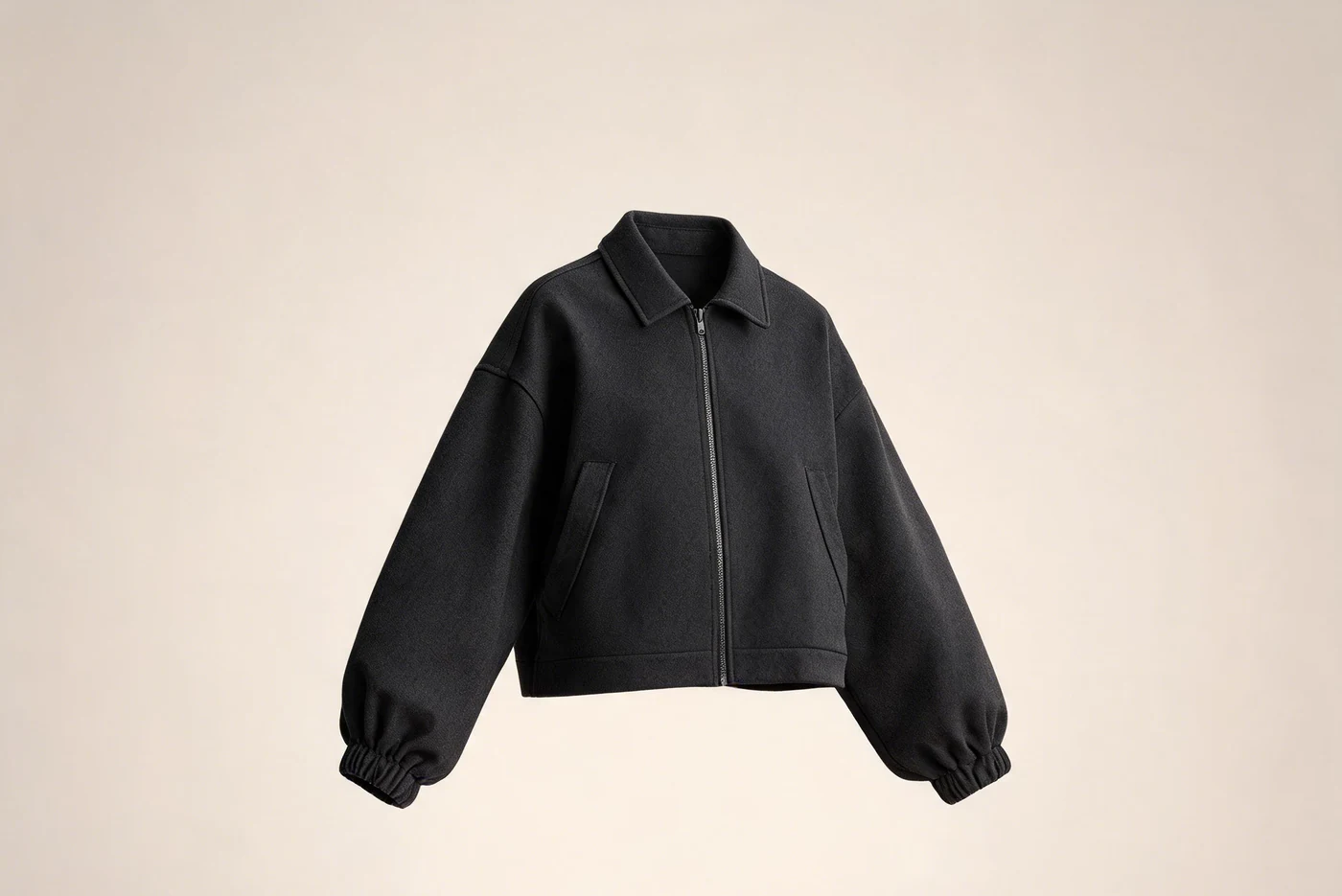
For a black, short-body jacket, for example, a buyer might want the lowered shoulder line to remain visible while narrowing the sleeve toward the cuff. That is more precise than asking for “a better oversized fit.” The actual extension and taper still need agreed measurements and sample review.
Set measurement routes that survive a construction change
Define the endpoints before transferring any sleeve measurement between constructions. A sleeve measured from its attachment seam is not directly comparable when that seam moves. Copying a number from a drop-shoulder sample into a raglan specification can change the intended wrist position even if the number remains the same.
Use a diagram for each point of measure. State whether the measurement follows a seam, a straight line or an agreed route across the garment. Also identify whether the cuff is included and whether the garment is relaxed, laid flat or prepared under another agreed condition. The tech pack checklist keeps these instructions with the drawings and specification version.
For an overall sleeve-reach check, the team may agree a route from the centre-back neckline across the shoulder and down to the sleeve edge. Treat that as a named measurement method, not an automatic replacement for all sleeve measurements. Keep local measurements that explain the shape, such as upper-sleeve width, cuff opening and the relevant shoulder or raglan seam dimensions.
Hold the intended body width and length in the brief while reviewing the new construction. If they change too, record the changes explicitly. Otherwise, a comparison can confuse a new shoulder arrangement with an entirely different garment proportion. Do not scale from the reference photograph: camera angle, garment arrangement and image size cannot establish a physical measurement.
Match the seam path to fabric and decoration
Review fabric behaviour and decoration placement around the chosen seam, using the intended materials. A seam that looks smooth in a flat image may sit differently when sewn in a firmer fabric, a stretchier material or a lined construction. A photograph can show a visible surface and panel layout; it cannot confirm composition, stretch recovery or how a garment will move.
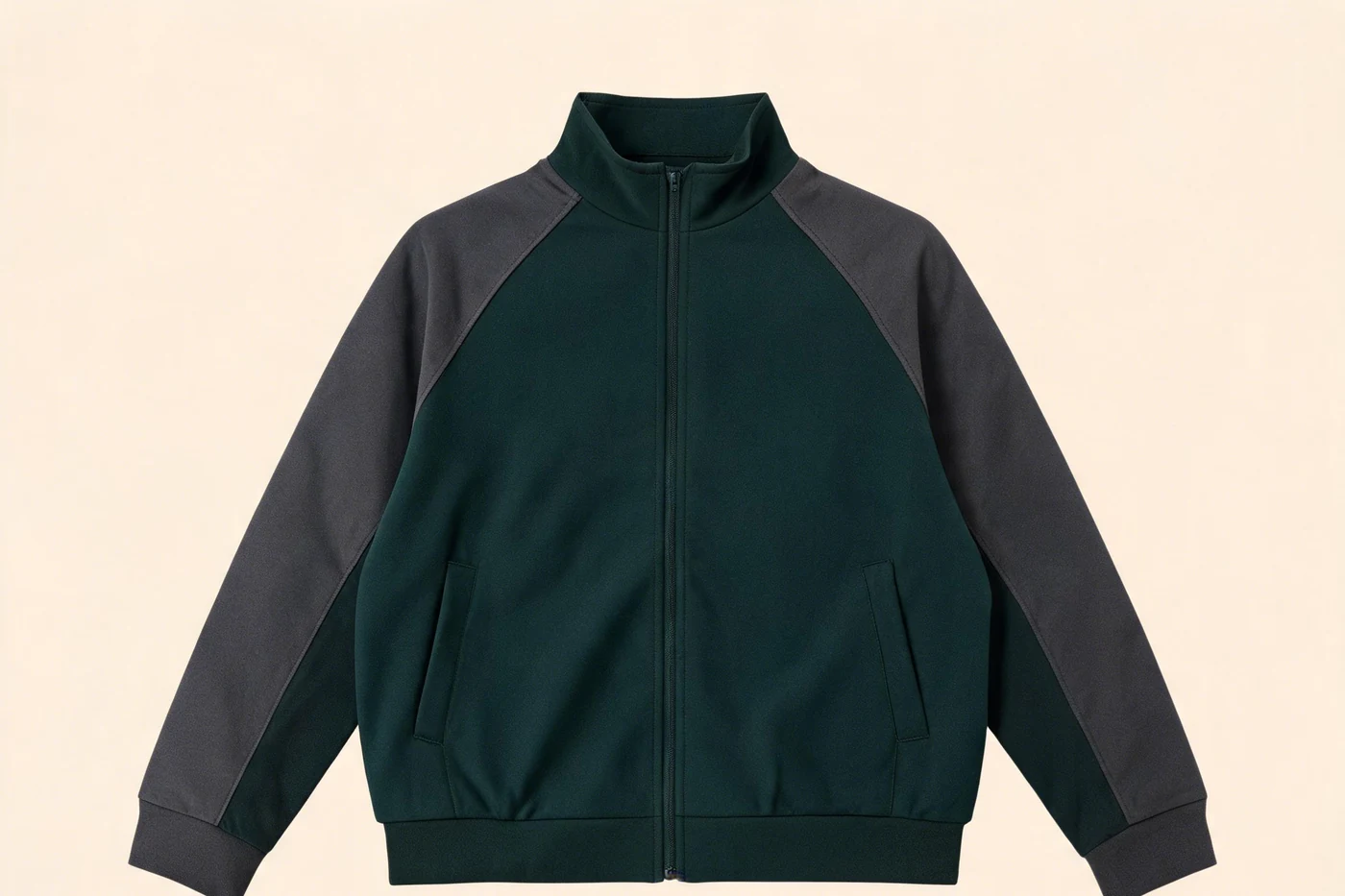
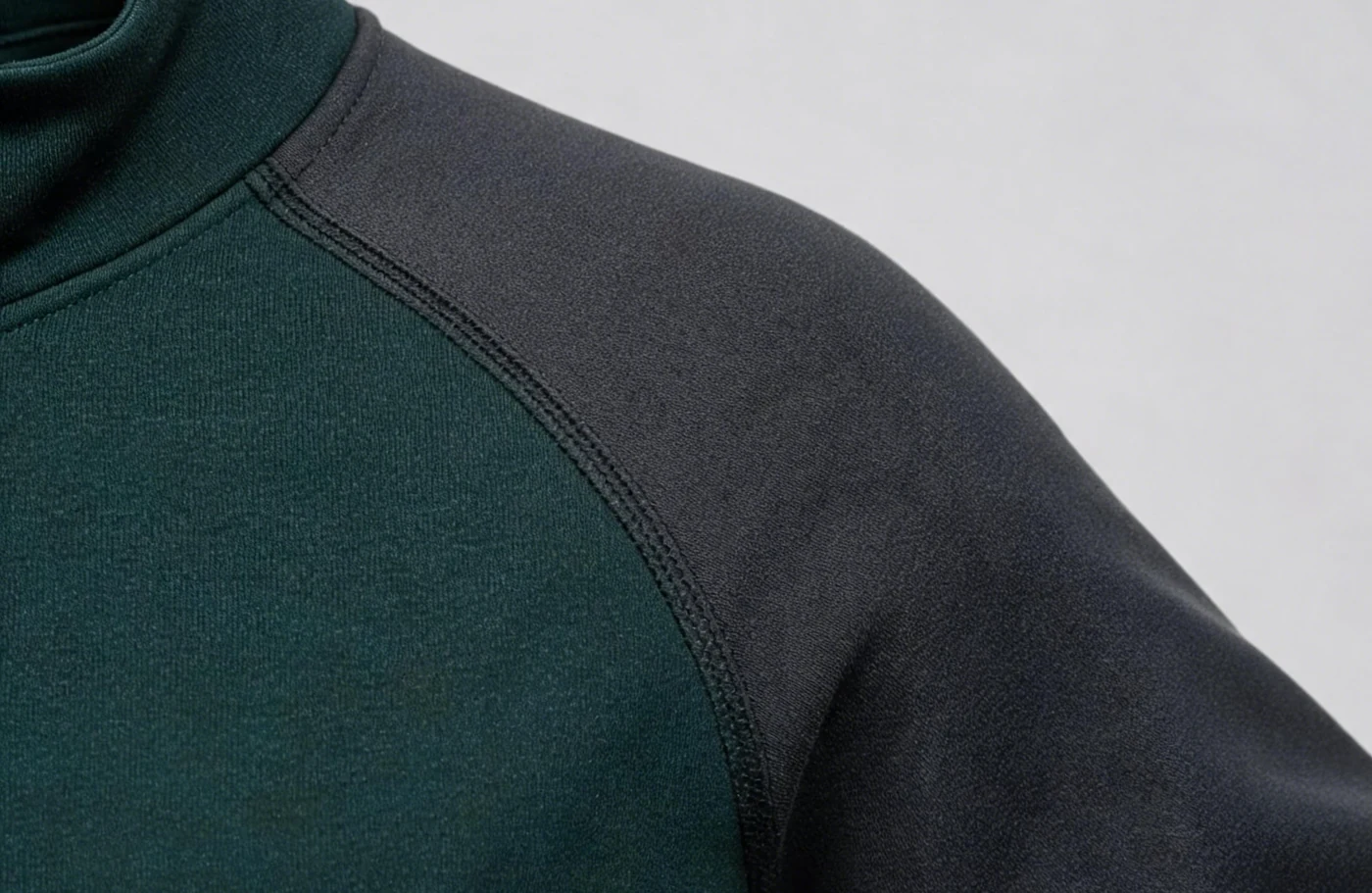
For a raglan design, mark the front and back seam paths and check how the neckline, sleeve panels and body join. If the design uses contrasting colours, include a panel colour map so the team does not interpret the reference differently. Request the agreed seam and topstitch appearance, then review it on the sewn sample. Do not select a construction solely because a colour-blocked image looks cleaner.
For a drop-shoulder design, locate chest and upper-sleeve artwork from defined garment landmarks. The attachment seam may lie within a large graphic or near a proposed name or logo. Check the intended decoration area on the relevant sizes before confirming the layout. Decoration that crosses a seam needs a specific discussion about alignment, process sequence and the acceptable appearance at the join.
Keep decoration decisions distinct from fit decisions. Moving a sleeve seam to clear a logo can change the pattern and the visual proportions. Moving the logo may resolve the layout with a different scope of work. Ask the team to identify the options and revise the drawing before treating either change as approved.
Compare development scope before comparing the quote
Compare quotes against the same construction, materials and unresolved decisions. “Raglan jacket” and “drop-shoulder jacket” are too broad to establish a price difference. Pattern work, fabric usage, seam construction, decoration and sample revisions all depend on the specific design.
State whether the project uses an existing approved block with a limited revision or needs a new pattern. Include the intended size range, fabric references, panel layout, trims and decoration files available so far. Mark missing information clearly. Ask each supplier to identify assumptions and separately describe any work that has not been priced.
If you want to compare two shoulder constructions, label them as separate development options and ask what is shared between them. Confirm whether the proposal includes both patterns, sewn samples, material trials and later revisions. Two drawings in the attachment do not automatically mean two complete samples are included in one fee.
Use the outerwear project brief to organise the jacket specification. Confirm development fees, revision charges, deliverables and timing in the written project quote. A supplier's proposed method and approval conditions are useful comparison points alongside the amount; the sleeve label alone does not establish which option is cheaper.
Record one clear decision before the next sample
Record the feature to preserve, the proposed change and the next approval check together. Start with the construction choice and measurement routes. Review the sample against that brief before asking for a general change in size. If the construction itself is changing, identify which existing approvals need to be reviewed again.
Use a compact decision record:
| Field | What to record |
|---|---|
| Version | Style ID, sample or drawing version, size and review date. |
| Construction | Raglan, drop shoulder or a drawn combination; front and back seam routes. |
| Proportions to preserve | Body length and width, sleeve volume, cuff position and any agreed shoulder line. |
| Measurement method | Start and end points, route, cuff inclusion and garment condition for each measurement. |
| Proposed change | One clearly marked request, with an annotated drawing or photograph. |
| Open questions | Material, decoration, assembly, price or timing decisions still requiring confirmation. |
| Next check | The revised specification and sample features that must be compared before approval. |
A useful comment is: “Keep the approved body length and width. Review a raglan option using the marked front and back seam routes. Confirm its measurement diagram, pattern scope and decoration position before sewing the next sample.” This is an example of how to write a request, not a record of a completed project.
Once the structure is agreed, the jacket sleeve fit checklist covers movement over the intended layer. Keep those observations with the sample version through the sampling review process. Construction choice, movement approval and commercial approval are related decisions, but each needs its own recorded basis.
Questions before choosing raglan or drop shoulder
Is raglan the same as drop shoulder?
No. A raglan sleeve extends to the neckline. A drop-shoulder design extends the shoulder beyond the natural shoulder point before joining the sleeve. Both can look relaxed, so confirm the actual seam layout on a technical drawing.
Does a raglan sleeve always allow more movement?
No. Movement depends on the pattern, sleeve and body dimensions, fabric, lining and intended layer. Choose the seam arrangement for the design, then check movement in the identified sample under agreed conditions.
Can I reuse the same sleeve length when changing the shoulder construction?
Only if the measurement route and intended result remain comparable. Define the endpoints and check the overall reach as well as local sleeve dimensions. The same number measured from different seams does not describe the same garment length.
Does changing the shoulder construction require another sample review?
The affected fit, seam layout and decoration need review. Agree which sample stage or physical checks will confirm them, and record any existing approvals that remain valid. Confirm the additional development work before it starts.
Share the front-and-back drawing, fabric direction and unresolved shoulder decision when you discuss a development brief with GoVoloom. The aim is a clear specification the buyer and production team can use for the next decision.