
Adult Streetwear · Wash Finish Development
Washed Streetwear Sample Brief: Shade, Handfeel and Wear Effects
A washed streetwear sample brief should separate the intended shade, surface appearance, handfeel and finished fit. “Vintage wash” alone leaves too much open: one buyer may mean an even faded colour, while another expects pale seams, local wear marks or a softer touch. Record those choices before asking a factory to develop the finish.
Start with the garment and the result you want. The process can then be discussed against the fabric, colour, construction and decoration. A photograph helps communicate appearance; a physical sample and agreed review conditions are needed to assess what the finished garment actually feels like and how it performs.
Separate the look from the process name
Describe shade, handfeel and wear pattern as separate targets, then ask which finishing route suits the garment.
Give each reference a purpose. One image might show the overall colour you want, another the contrast at seams, and a physical garment the handfeel. Label what to follow from each reference. If a photograph contains an attractive fit as well as a wash effect, say whether both matter; otherwise the sample team may copy an unrelated detail.
For colour, distinguish the starting shade from the intended finished appearance. Describe whether the body should remain fairly even or show visible variation. “Faded black with lighter seam edges” communicates more than “old-looking,” but it still needs review on the chosen material. Screen brightness, lighting and camera processing can change apparent colour, so keep a physical reference when one is available.
A process name does not settle every appearance decision. The enzyme wash guide and stone wash guide explain different finishing routes. Use them to frame the discussion, then ask about suitability for your actual fabric and construction. Do not infer a process from a photograph or assume that choosing a wash name guarantees a particular result.
Note any unknowns in the base garment. A reference with an unverified fibre blend or colour treatment is a visual starting point, not a reproducible recipe. The sampling brief should identify which properties are confirmed and which the supplier needs to investigate before offering a finish.
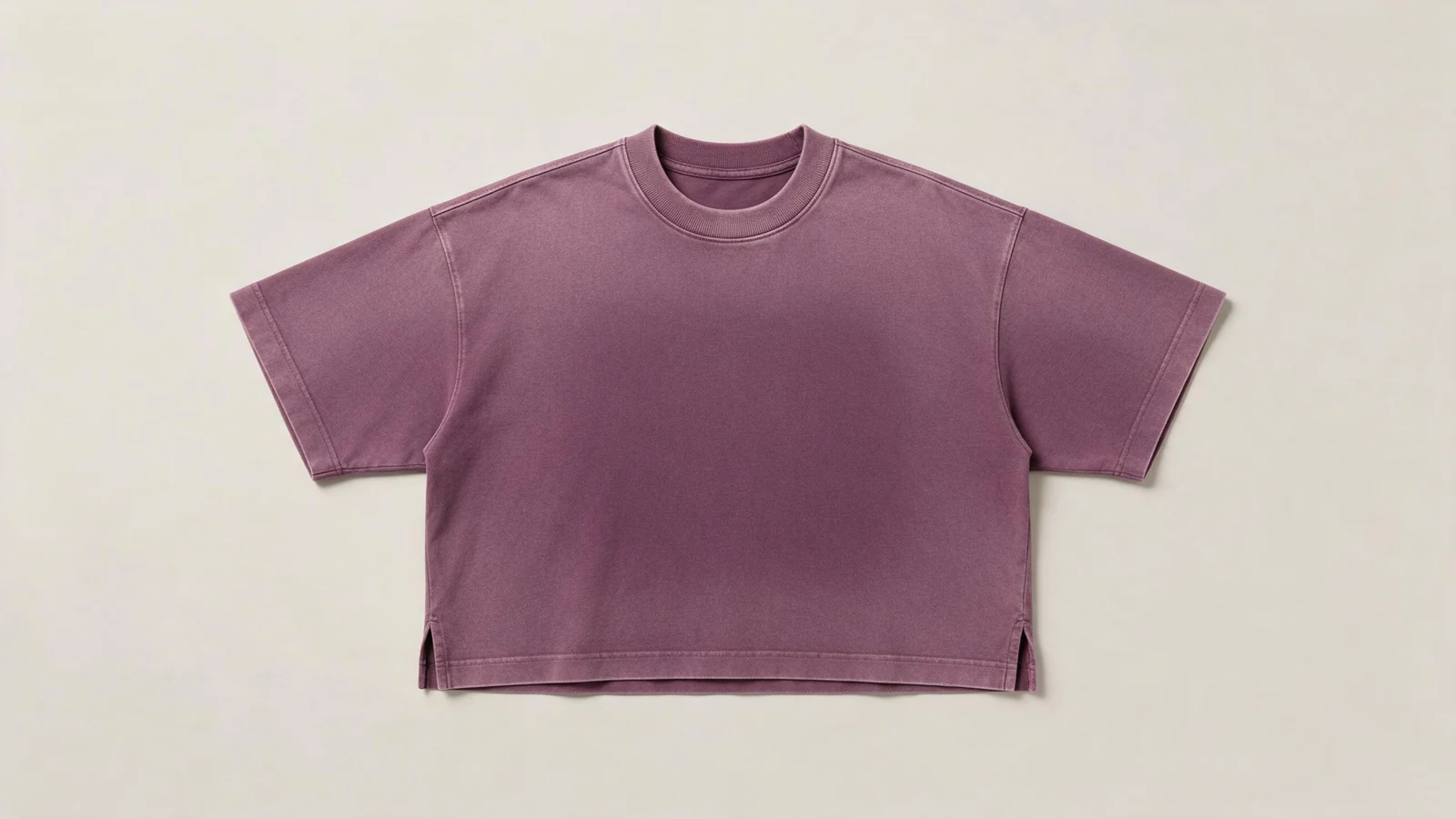
Mark wear areas and the details that should stay intact
Show overall fading and local wear areas separately, with clear instructions for details that must remain intact.
Use front and back views to mark where the appearance matters. A broader back-panel fade, lighter pocket edges and a worn collar are different requests. Give each area a short note describing the intended contrast, extent and priority. Add a close-up where a small edge or seam detail would otherwise be unclear.
Separate a general character from a controlled placement requirement. Random variation across the garment may be part of the design, whereas a pale patch immediately beside a logo may need a defined position. Ask the supplier to confirm whether the proposed route can support that distinction. Marking a region on a drawing does not mean every wash process can reproduce its boundary precisely.
Record the opposite requirement too: what should remain intact. Examples include the printed design, collar shape, pocket opening, fastening function and fabric at stress points. If intentional holes, fraying or raw edges are wanted, name them explicitly rather than assuming they are included in “distressed.” Agree which effects are acceptable and which would count as damage.
Check decoration and trim timing with the supplier. A graphic applied before finishing may be reviewed differently from one applied afterwards. The same applies to labels, embroidery and hardware. Put the proposed sequence in the brief and review the completed combination; approval of an undecorated washed garment does not automatically approve the later decorated version.
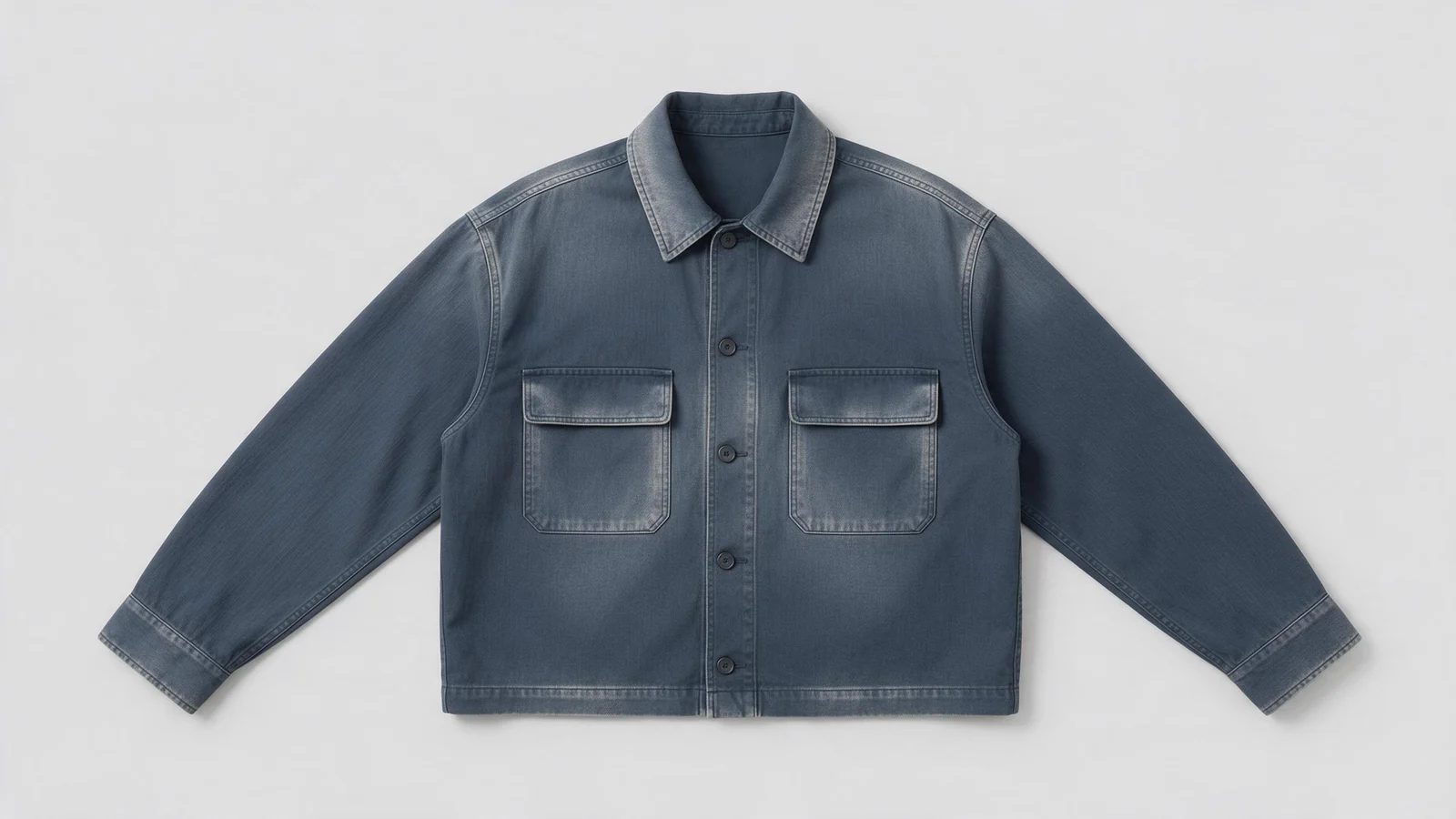
Review the finish on the intended garment
Assess the complete fabric, colour and trim combination, including its dimensions after the planned finishing sequence.
A finish approved on one material may not give the same result on another. Record the intended fibre composition, fabric construction and weight where known, plus any proposed substitute. If the first sample uses a different base, state what can be reviewed from it and what must be repeated on the intended material. Avoid letting a temporary substitution become an unrecorded production decision.
For a washed tee, connect the finish to the T-shirt development brief: body proportions, neckline, sleeve shape and fabric requirements all belong to the same garment. A surface effect that looks right should still be reviewed alongside the collar and hem, rather than receiving a separate approval with the fit left unresolved.
Handfeel needs physical review. Describe the attributes that matter, such as softness, surface texture, body or drape, and compare the sample with the agreed reference under consistent conditions. A close-up can show visible texture but cannot establish softness, fabric strength or comfort. Keep appearance comments separate from conclusions that require handling or testing.
Measure the sample in its agreed finished condition. Identify the garment size, measurement points, units and preparation before measuring. The shrinkage review guide provides supporting measurement context. Manufacturing wash and later consumer care are separate stages: specify any subsequent washing and drying assessment instead of treating the factory finish as proof of stability during use.
Colour transfer and colour change also need their own requirements. Refer to the colourfastness guide when agreeing the relevant checks and acceptance criteria. A faded aesthetic does not itself demonstrate acceptable colourfastness. Do not infer a pass from an attractive sample photograph.
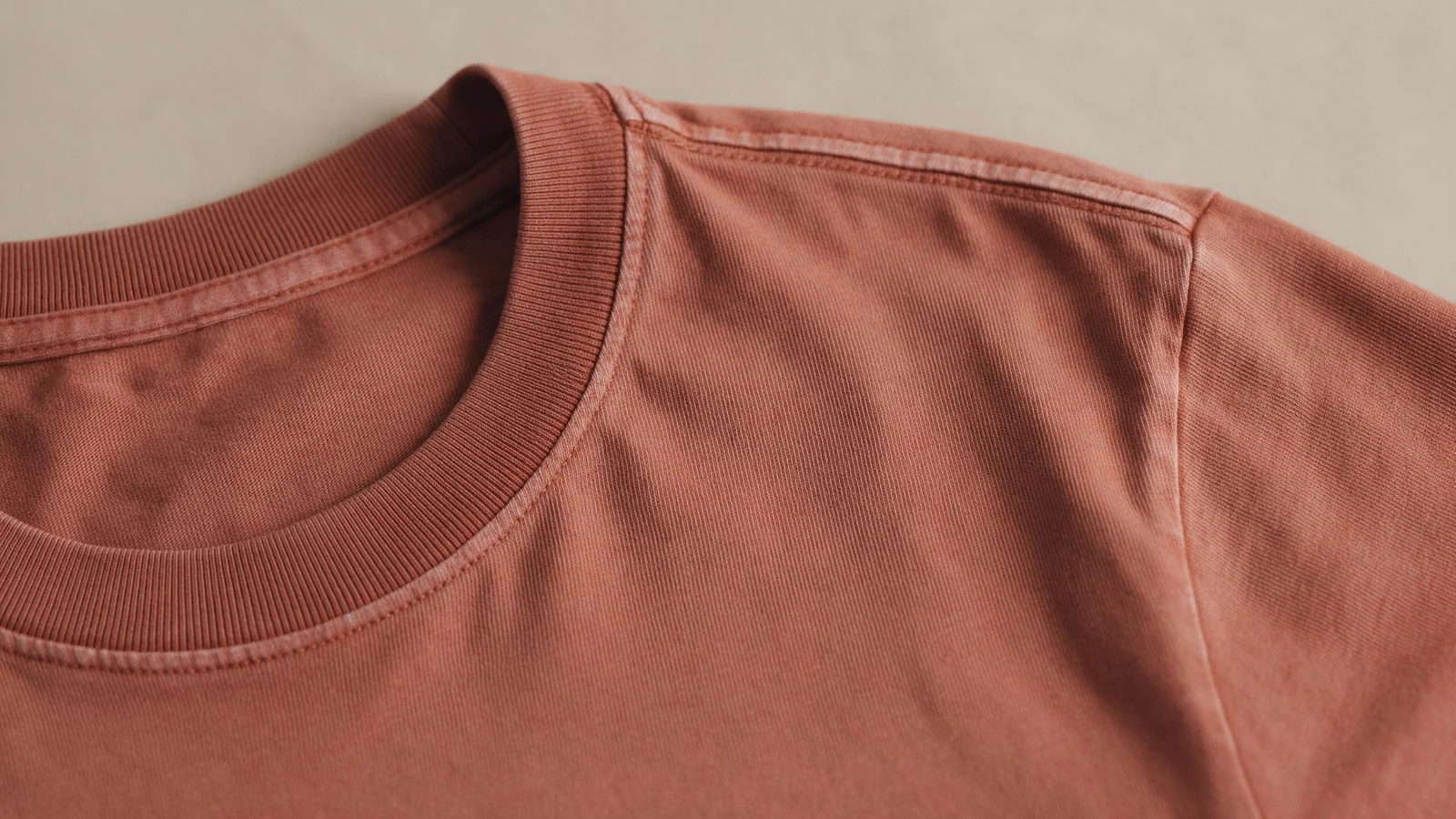
Turn approval comments into a versioned record
Keep the current sample reference, requested changes and unresolved checks together in one approval record.
Identify the sample and the revision being reviewed. Attach front and back views, relevant detail views and the measurement record. Keep images labelled by sample version so a later comment cannot accidentally refer to an earlier garment. Where a physical reference is used, give it an identifier that both parties can recognise.
Make feedback specific. Instead of “more vintage,” write which area needs changing and which parts should stay as reviewed. For example: “Keep the body shade and neckline appearance; reduce contrast around the pocket edge, then return the revised garment for handfeel and measurement review.” This is an illustrative instruction, not a claim about a completed customer project.
Agree how variation will be judged before proceeding. If a range of shades or wear effects is acceptable, identify the reference pieces or documented boundaries used for that decision. Do not copy a tolerance from an unrelated garment. A written number only helps when both sides use the same characteristic, reference and assessment conditions.
The sample review process helps separate approved points from open items. An appearance approval may still leave finished measurements, decoration, physical handfeel or specified testing unresolved. Record the next action and responsible party for each open item, then keep the revised brief aligned with the sample you eventually approve.
Build a wash brief before asking for a quote
Send the garment specification, finish references and review requirements together so the sampling scope can be discussed.
The project brief and worksheets provide a place to collect the garment information. Add a short finish record rather than relying on a collection of unlabelled images. Mark undecided fields clearly; a useful starting brief can include questions as well as confirmed specifications.
| Brief item | What to record |
|---|---|
| Base garment | Style, reference size, fabric composition and construction, weight if known, starting colour and any substitutions |
| Finish targets | Overall shade, surface appearance and handfeel; the specific purpose of each reference |
| Wear map | Front and back views, local effects, intended variation and areas or functions to preserve |
| Finished fit | Measurement points, units, review condition and agreed garment tolerances |
| Decoration and trims | Artwork, labels, hardware and proposed sequence; compatibility still to be reviewed |
| Review record | Sample identifier, revision, approved points, requested changes and outstanding physical checks |
| Project needs | Planned quantities, colour allocation, destination and required dates for feasibility discussion |
Ask the quote to identify the sampling scope and any assumptions about materials or finishing. If a change of fabric, colour or decoration is proposed later, revisit the relevant approvals rather than assuming the earlier sample still represents the project.
Is a reference photo enough to approve a washed finish?
A reference photo can explain the appearance direction. It cannot establish physical handfeel, finished measurements or test performance. Identify the features to follow, then agree what must be checked on the garment sample.
Should I choose enzyme wash or stone wash before contacting a factory?
You can name a preferred route, but describe the intended result and base garment first. Ask the supplier to review suitability and sampling requirements instead of treating the wash name as a complete specification.
Can every garment have exactly the same faded marks?
Do not assume exact repetition. Describe where variation is acceptable and which areas need controlled placement, then ask what the proposed process can reproduce and agree the reference used for approval.
Does a washed sample prove that the colour will not transfer?
No. Appearance approval and colourfastness assessment answer different questions. Agree the relevant test conditions and acceptance criteria, and review the results separately from the visual finish.
For a new GoVoloom project, front, back and side design views are preferred; front and back are the minimum starting views. Add a reference size, fabric requirements and fit requirements. Send the finish references and open questions through the project enquiry form so the garment, sampling scope and remaining checks can be discussed together.
