
Hoodie Sample Review
Hoodie Eyelets Coming Loose: What to Check Before Sample Approval
When a hoodie eyelet looks or feels loose, first separate what is moving: the metal component, the surrounding fabric, or the drawstring against the opening. These conditions need different records and can occur together. A photograph may show a visible gap or damaged hole edge; it cannot establish setting pressure, confirm hidden reinforcement or explain the cause.
Identify the sample, record what you can see and ask the technical team to check the assembly. This guide covers adult hoodie sample reviews. The fall/winter collection development guide places hardware and trim checks within the wider range plan.
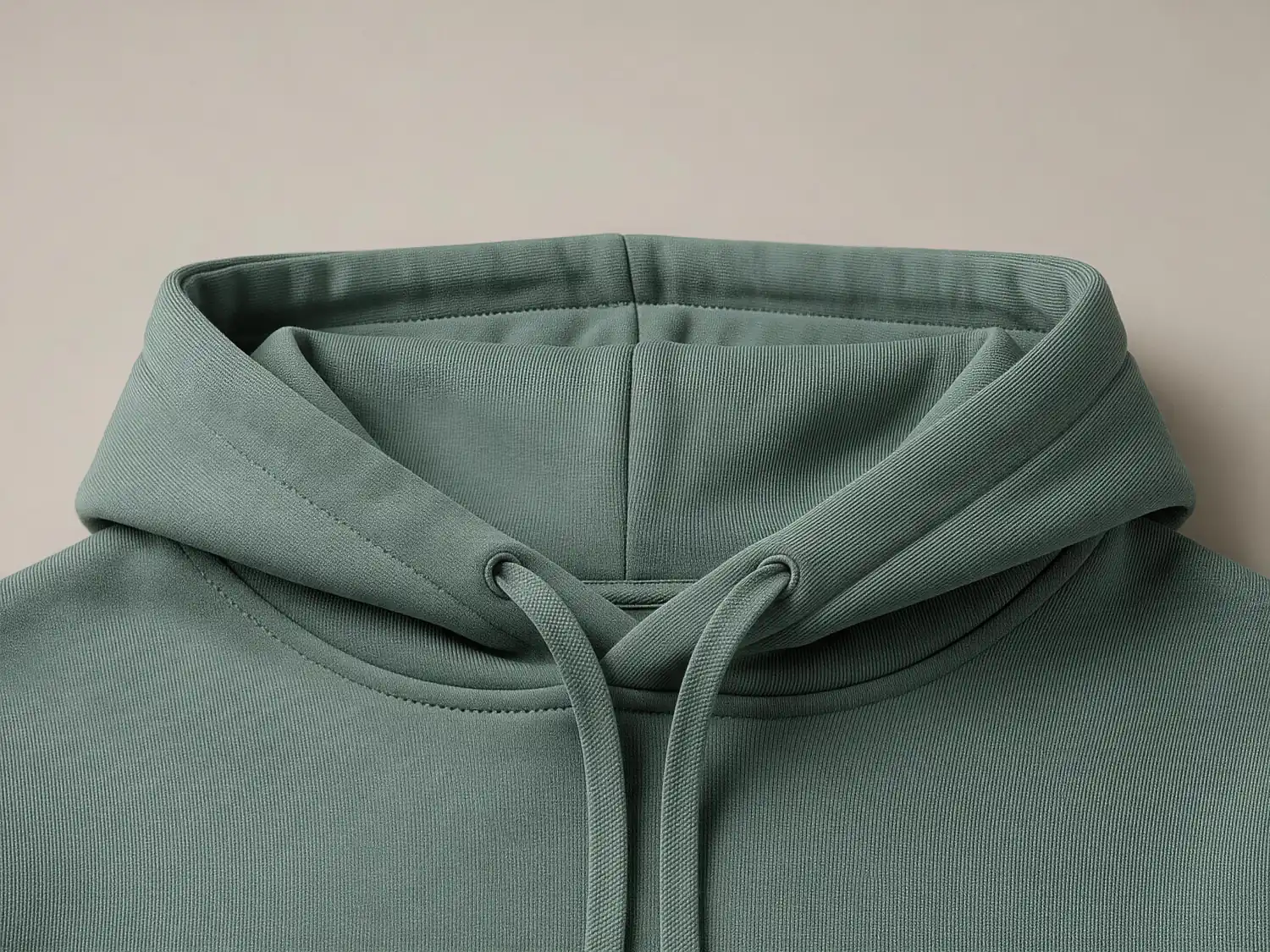
1. Establish which part is moving
Record metal movement, fabric distortion and drawstring contact separately, even at the same eyelet.
Metal component. Note a lifted edge, a barrel standing away from the fabric, or movement observed during intended handling. Identify whether you are looking at the face, reverse or inside of the hood. Include the washer or backing ring where used; eyelet constructions differ, and not every component uses a separate ring.
Surrounding fabric. Describe puckering, stretching, abrasion or broken fabric at the hole edge separately from distortion in the wider panel. Neither automatically establishes that the metal component is loose.
Drawstring contact. Record whether the cord passes freely, drags, catches or rests at an angle. Identify any knot, stopper or aglet involved. Cord contact does not by itself establish how the eyelet was set.
Keeping these observations separate prevents an improvement in appearance from being mistaken for resolution of every issue.
2. Fix the comparison conditions
Compare the same locations under comparable conditions on an identified sample.
A hood lying flat and a hood held open can make the same eyelet area look different. Keep the garment position, lighting and viewing angle consistent for left-right comparisons. Record:
- Sample identity: style, sample round, size, colourway and specification version.
- Location: which eyelet, which side, and face, reverse or inside view.
- Garment state: as received, or after a specified wash, finish or handling procedure. Keep the procedure reference with the record.
- Views: a wider image locating the eyelet and a close view showing the component and fabric edge.
- Specified materials: fabric, hardware and reinforcement details from the development documents. Mark unverified construction as unverified.
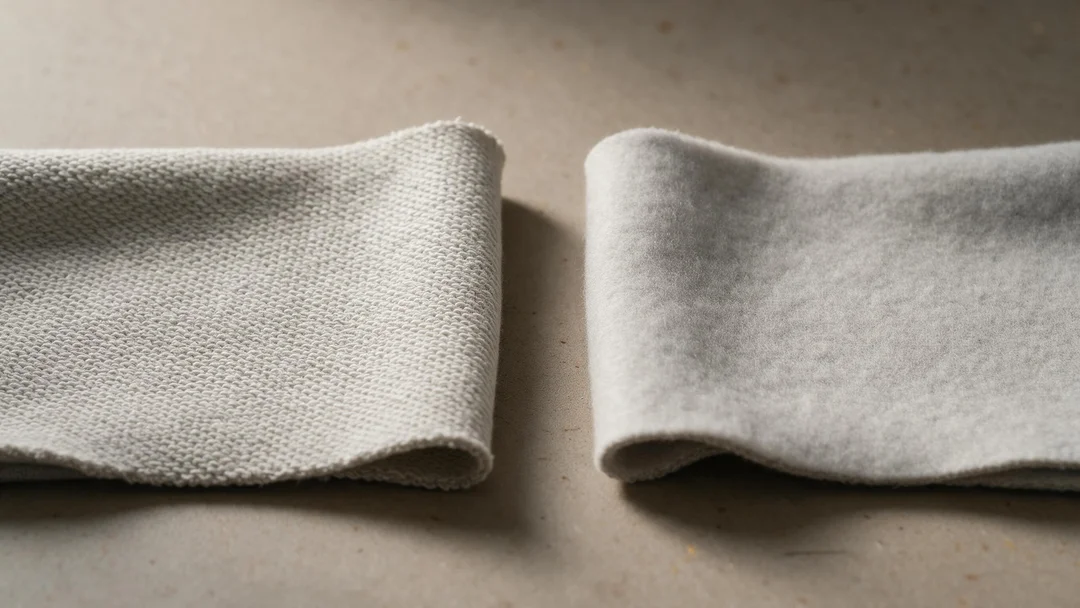
A fabric detail can help explain the material under discussion, but cannot establish the construction beneath an installed eyelet. Separate reference images from photographs of the sample being reviewed.
The clothing sampling process guide shows how to keep comments traceable across review rounds. “A backing-ring edge is raised on the left side” records a visible condition where that component is used. “The setting pressure is too low” is a hypothesis requiring further investigation.
3. Ask the technical team to verify the assembly
Send observations and sample photographs, then request checks of the components and construction.
Useful questions include:
- Does the installed eyelet match the specified type, dimensions, material and finish? Does any specified washer or backing ring match it?
- How was the hole formed, and how does its size and edge condition relate to the selected component?
- What reinforcement is specified and actually present? How many material layers pass through the assembly?
- When was the eyelet installed relative to hood construction, topstitching and any washing or finishing?
- Does the drawstring match the specified construction and diameter, and where does it catch or rub?
- Does the visible result match the agreed appearance reference?
These questions require the actual sample and relevant records; a close-up alone will not answer all of them. Ask the team to record findings separately from proposed changes.
If a change is proposed, review its effect on the surrounding fabric, hood shape and cord passage. A larger component or different reinforcement may alter more than the eyelet area. Update missing trim information in the bill of materials before the next round; the tech pack preparation guide explains the relevant document sections.
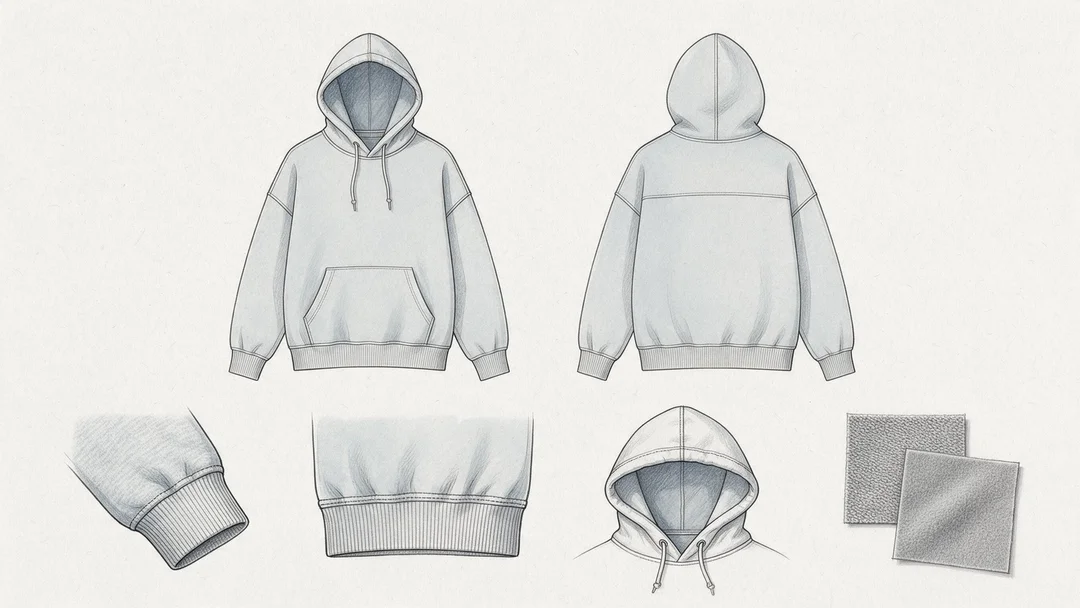
4. Write a correction without prescribing an unverified cause
Name the condition to resolve, reference the agreed requirement and keep each requested change traceable.
For example: “Review the raised edge at the left eyelet against the approved appearance reference; confirm the construction findings and proposed correction.” This gives the technical team a defined issue. “Increase the setting pressure” prescribes a process change before the cause is known.
Identify details that should remain unchanged, such as eyelet position, hood shape or cord specification. Confirm any proposed knock-on changes before approving the next revision.
Uncontrolled hand pulling can damage the sample and is not a comparable strength test. Hammering or adding adhesive to a loose component is not a substitute for reviewing and correcting the specified assembly.
Visual inspection assesses visible appearance and placement. It does not prove secure attachment, connection strength or durability. Where strength or durability testing is needed, determine the applicable requirements from the product, intended use, destination market and relevant regulations or standards. A qualified technical team or laboratory can help select the method, specimens and conditions. Buyer-manufacturer agreement cannot replace applicable legal requirements. Do not borrow a pass value from an unrelated product.
5. Re-check the revision and close the specific comment
Repeat the recorded observations and keep the decision tied to the sample version and stated requirement.
Compare the revised location against the earlier record and agreed appearance reference under comparable conditions. Use the specified wash or finish procedure where applicable. Check that previously approved surrounding details have not changed unintentionally.
Record the result, reviewer and date. Close only the requirement actually assessed; leave an outstanding construction check or required test pending. If the issue remains, keep its comment ID and attach the new sample version.
Copy-ready sample comment
Complete these fields with your own sample information. This blank development record is not a test report or acceptance specification.
FAQ
Does a visible gap mean the eyelet is loose?
Not necessarily. A visible gap is an appearance observation. Compare it with the component design and agreed reference, then have the actual assembly checked. The photograph alone cannot establish attachment strength.
Can I assess strength by pulling the eyelet by hand?
Uncontrolled hand pulling is not a comparable strength test and can damage the sample. Use an appropriate specified method when testing is required, with suitable specimens and recorded conditions.
Is there one pull value for every hoodie eyelet?
Do not assume a universal value. Identify the requirements applicable to the product and market, then determine the method and acceptance criteria. An agreed project specification must still comply with applicable regulations.
Planning a sample round? Bring the trim specification, sample photographs and open comments to the hoodie development and sample tools to prepare the project brief. Confirm the review and next-sample scope for your project before proceeding.
You can also select and copy the text manually.