 AI design concept
01 / T-Shirts
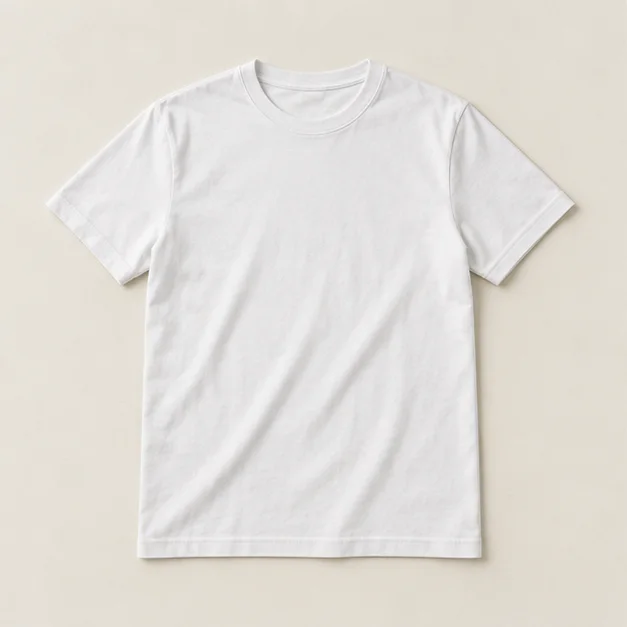
Classic crewneck tees
A regular body and clean neckline for everyday basics or graphics.
Define in your briefBody length / chest width / neck rib width
Discuss this directionT-Shirts · OEM & ODM
Get the proportions and fabric right first. Build your T-shirt brief around the fit, collar, handfeel and the way your artwork should sit.
Pricing and bulk production timing are confirmed per order.
Your project at a glance
Share the style, materials, quantities and finishing details.
Record the agreed specification and any changes before approval.
Include your destination and target arrival date in the brief.
01 / Design directions
Choose a silhouette as the starting point, then specify the measurements and finishing. The concepts below illustrate options, not stocked blanks or finished customer orders.
AI design concept
01 / T-Shirts
A regular body and clean neckline for everyday basics or graphics.
Define in your briefBody length / chest width / neck rib width
Discuss this direction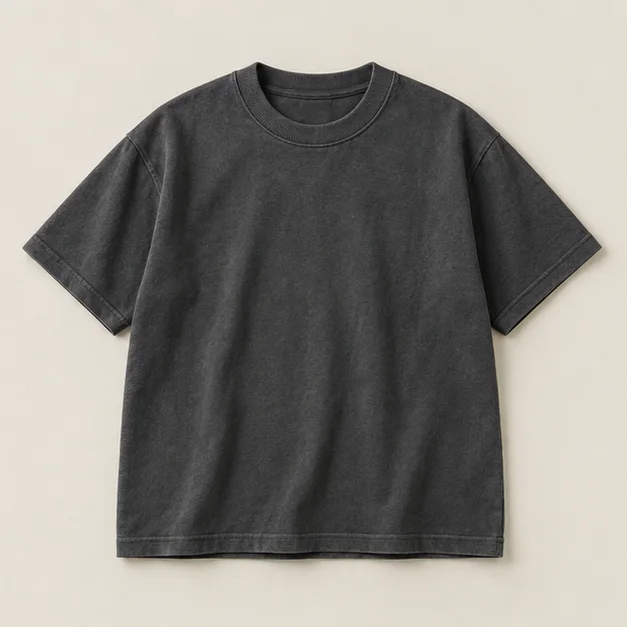 AI design concept
02 / T-Shirts
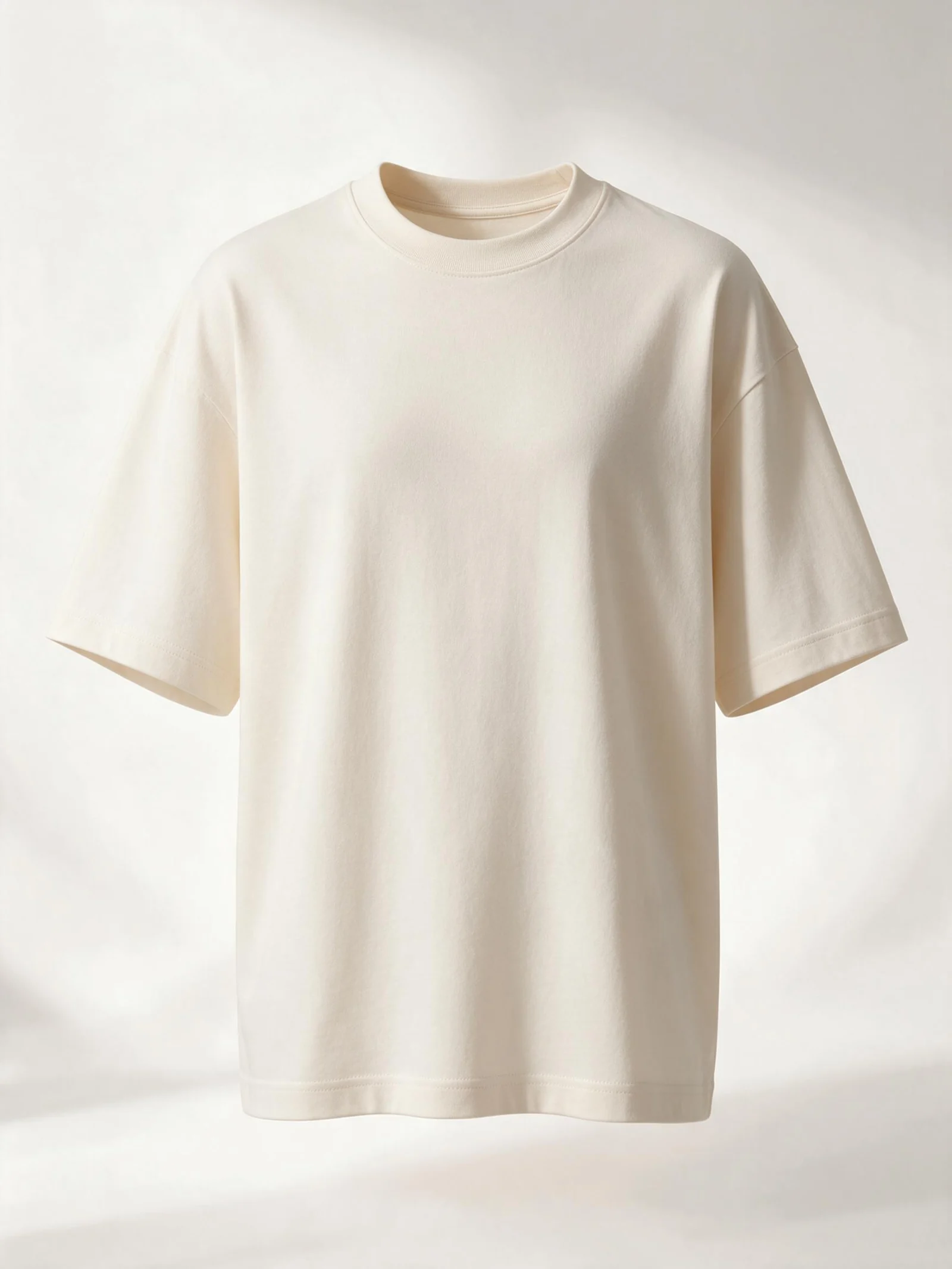
A more substantial visual direction for a structured, boxy tee.
Define in your briefFabric swatch / shoulder shape / seam bulk
Discuss this direction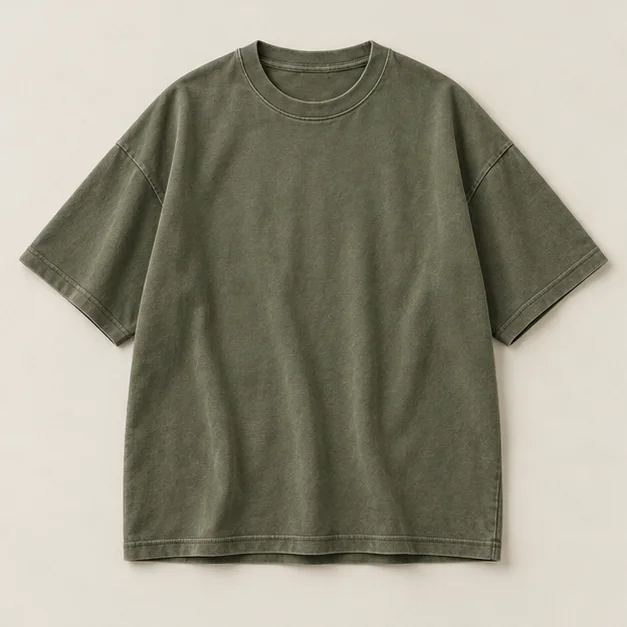 AI design concept
03 / T-Shirts
Dropped shoulders and broader sleeves for a relaxed proportion.
Define in your briefShoulder drop / sleeve length / hem width
Discuss this direction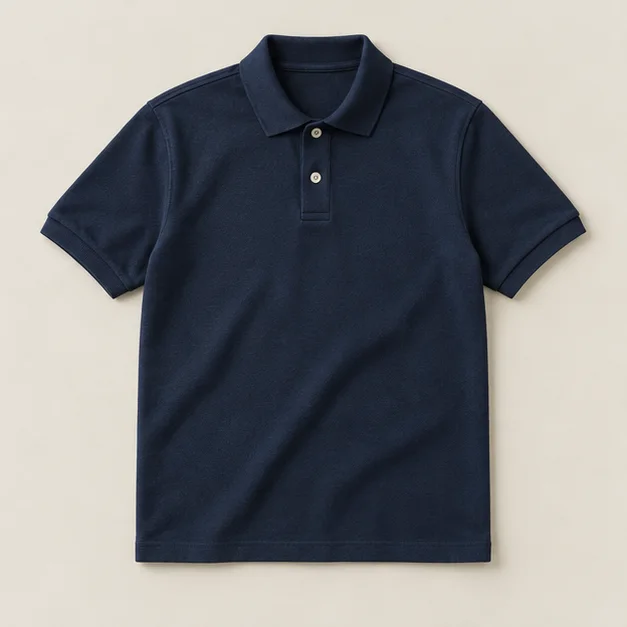 AI design concept
04 / T-Shirts
A collar and placket bring a different finish to a casual collection.
Define in your briefPique or jersey / collar shape / placket length
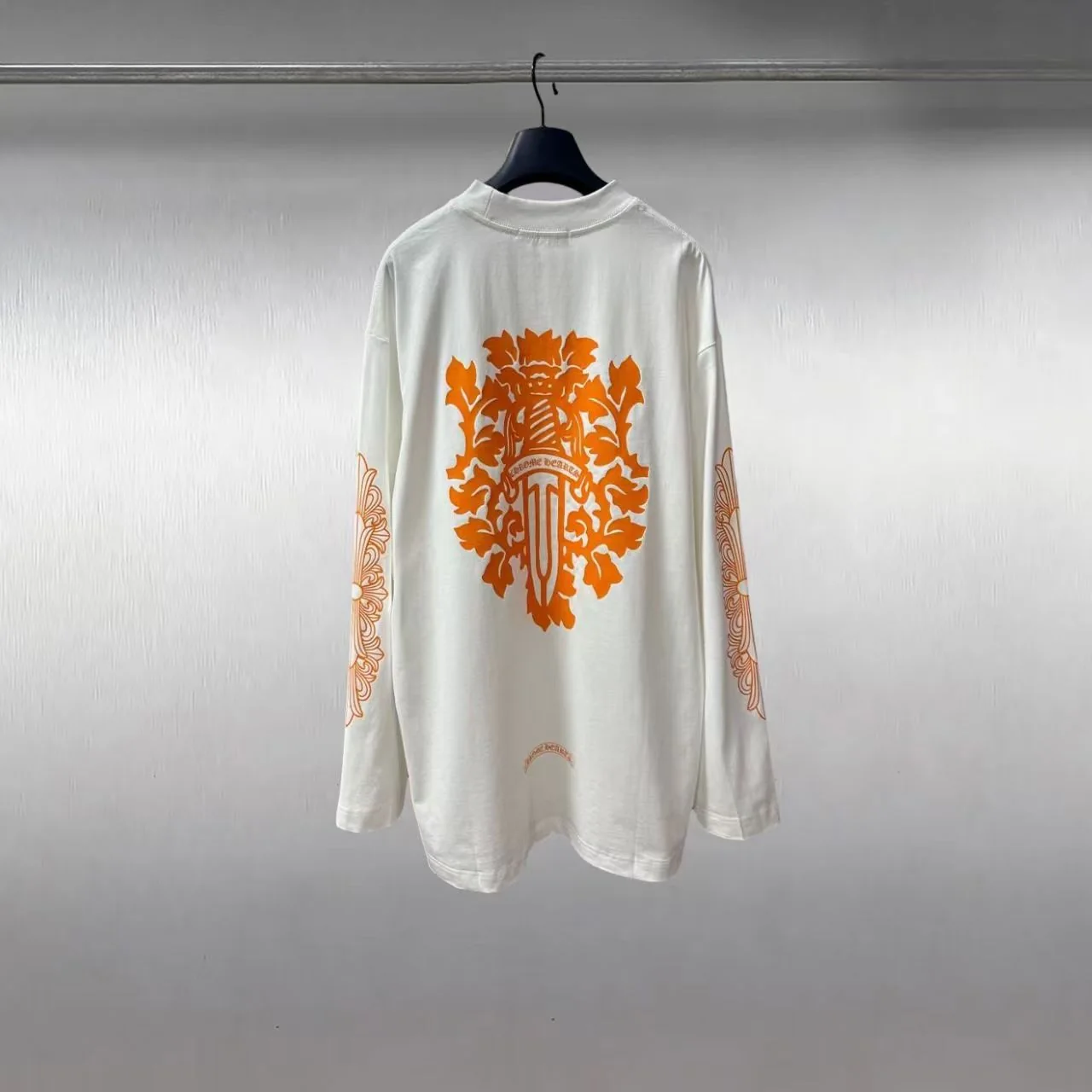
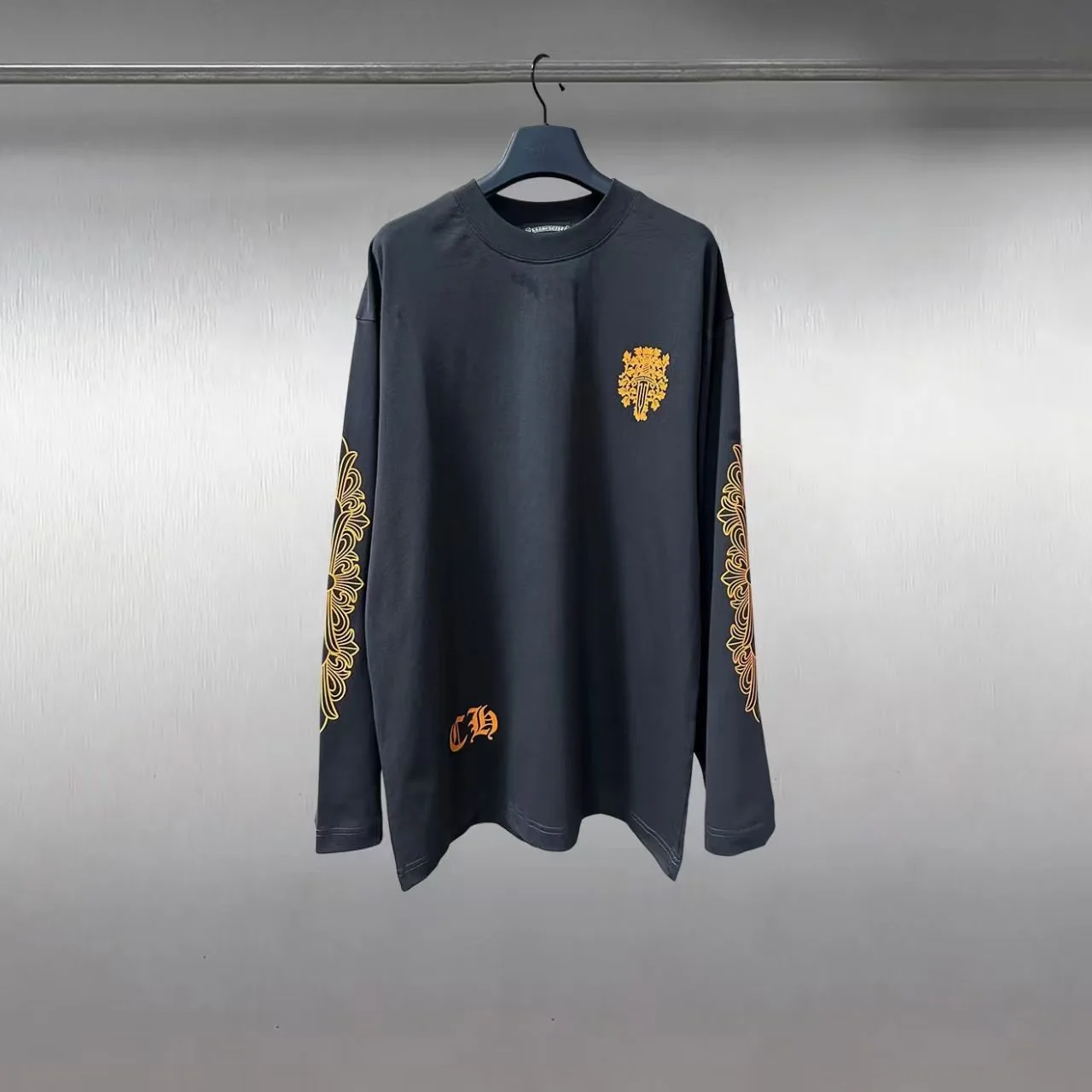
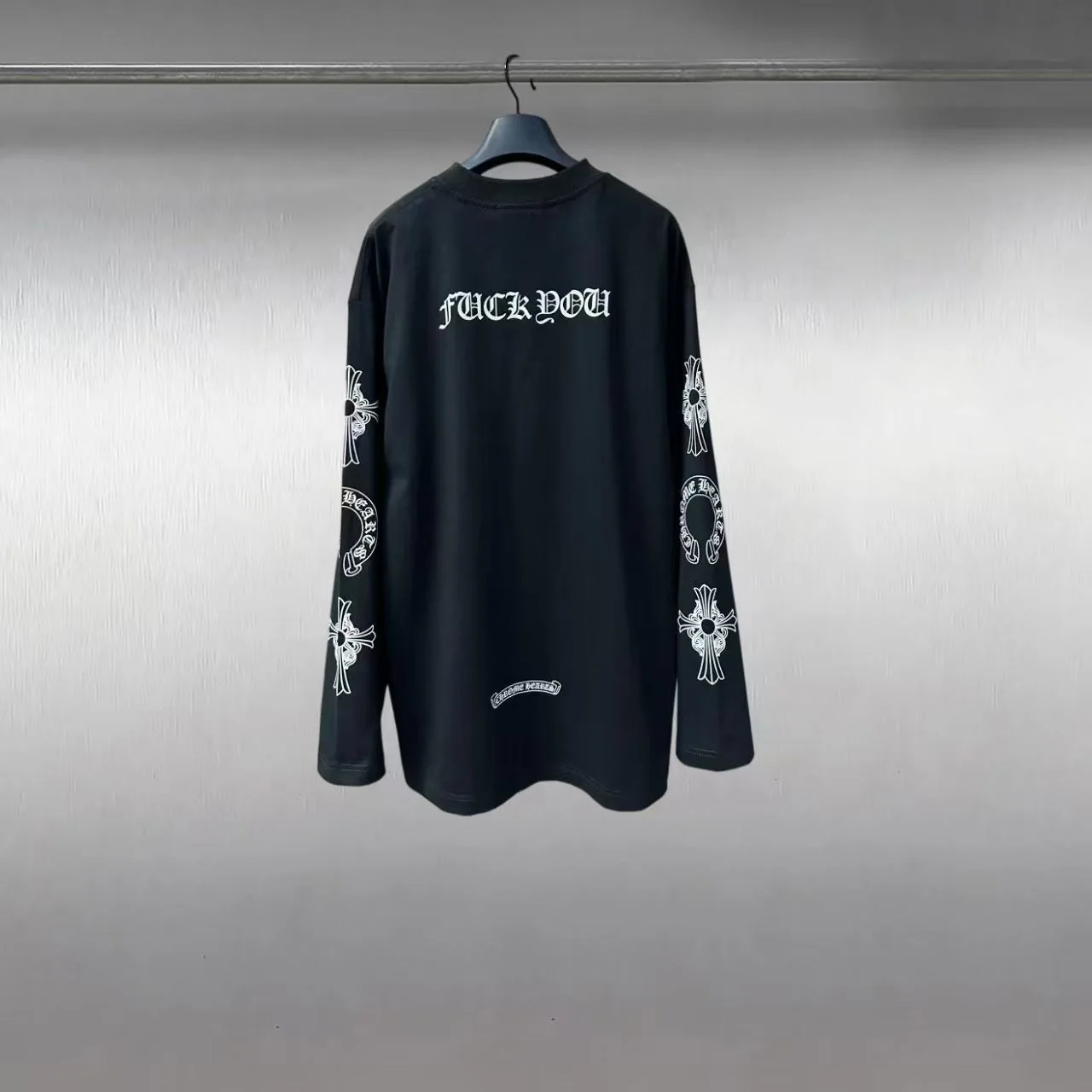
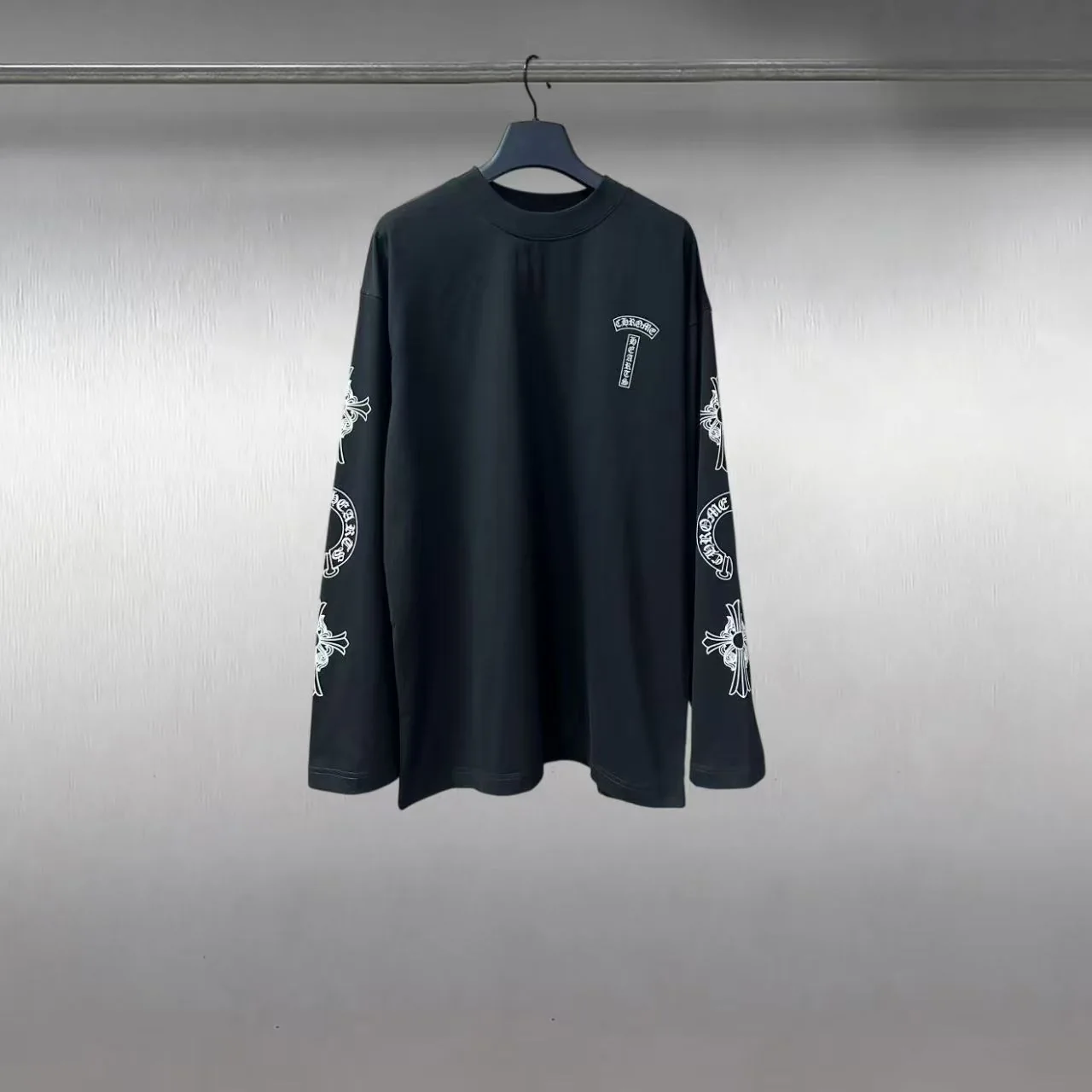
Discuss this directionGarment photographs
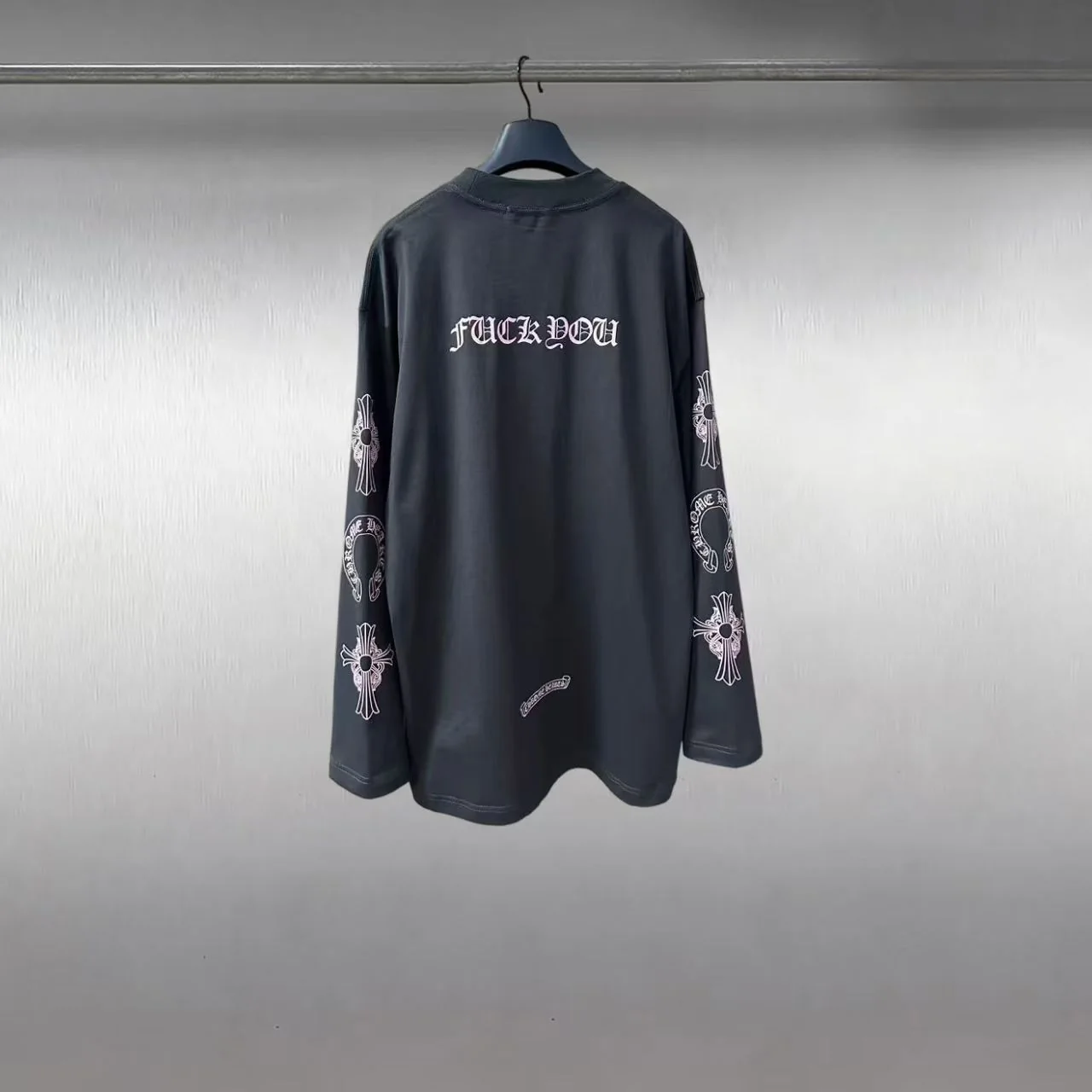
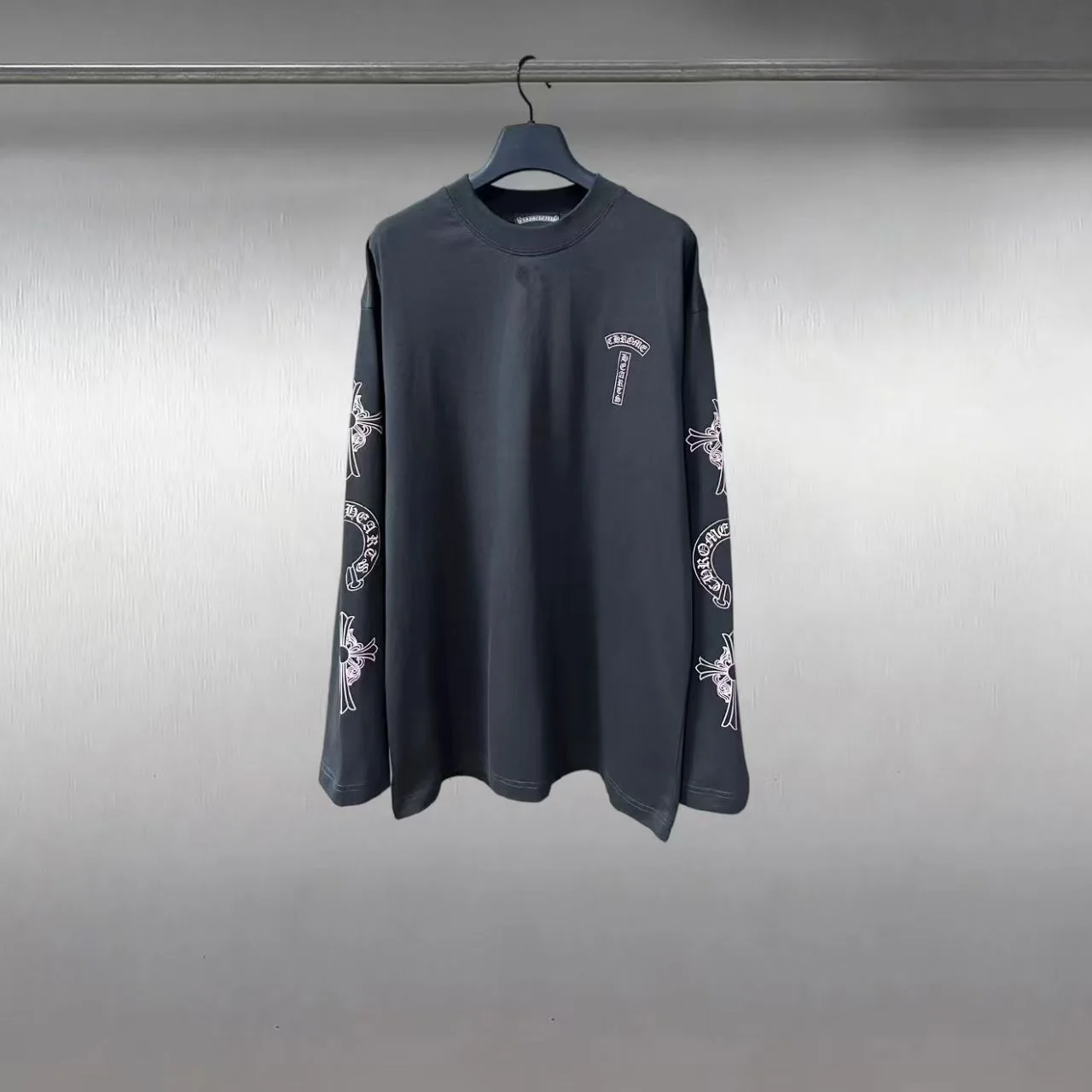
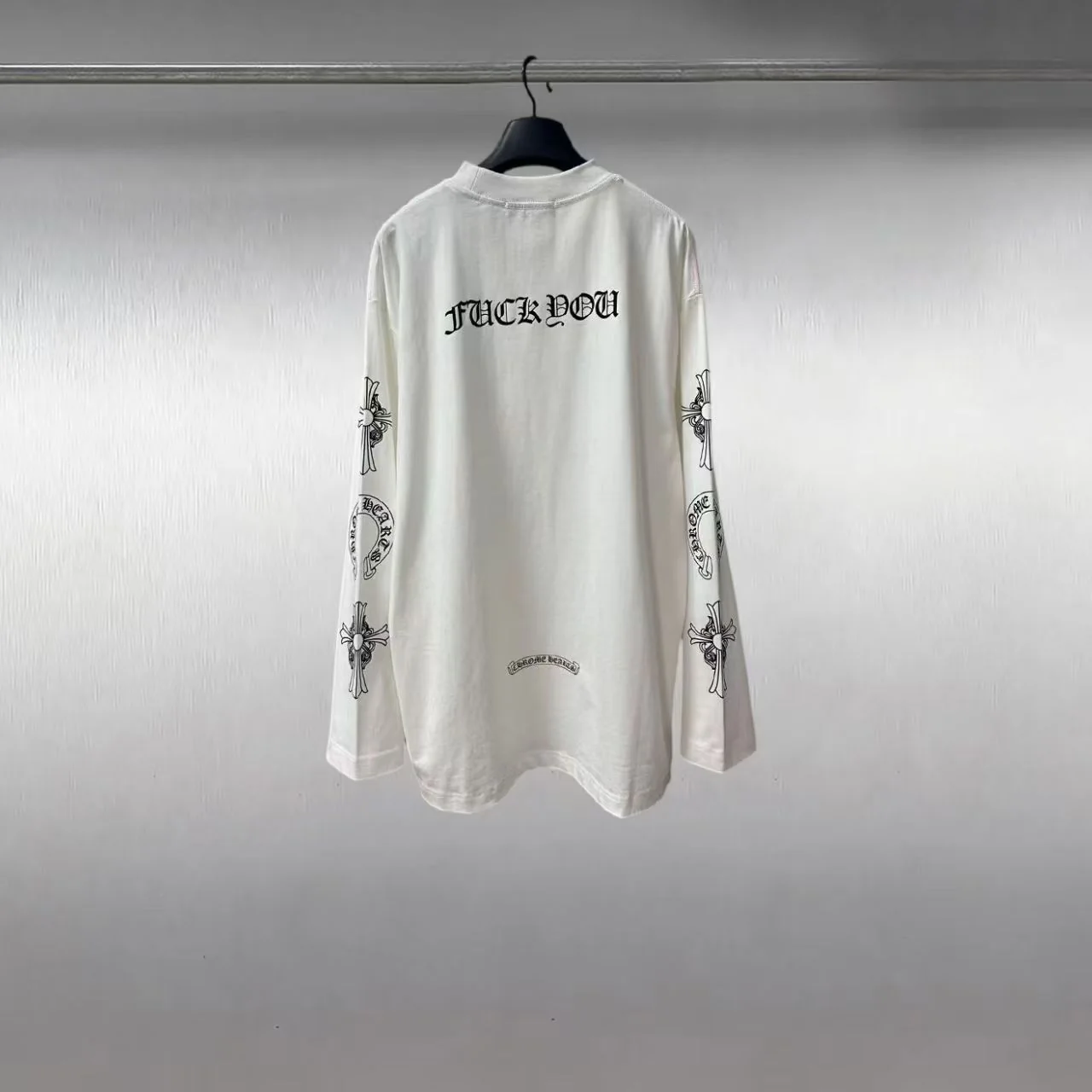
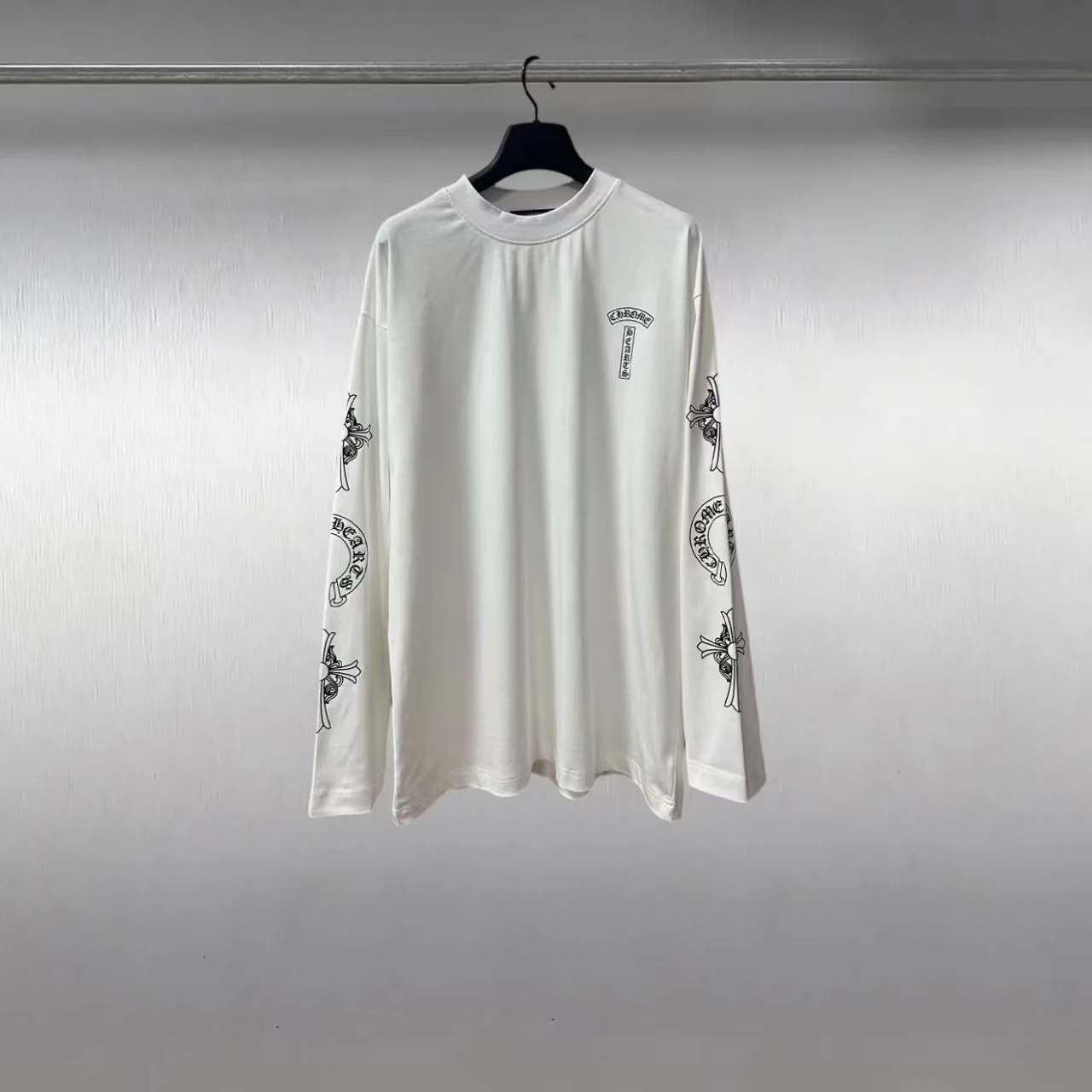
GoVoloom garment photographs showing front and back views of long-sleeve tops.
02 / Material decisions
A fabric name is a starting point, not a full specification. Bring the desired look and feel; review the actual material before committing to the garment.
| Direction | What it changes | What to confirm |
|---|---|---|
| Cotton jersey | A starting point for everyday tees and printed collections. | Compare surface smoothness, opacity and post-wash dimensions. |
| Heavier jersey | A direction when a more substantial silhouette is wanted. | Check drape and breathability rather than choosing by GSM alone. |
| Pique | A textured fabric direction for polos. | Approve the collar and placket together with the main fabric. |
Confirm composition, weight, color, care and any required supporting documents as part of your material brief.
Look closer
Use these independent design references to explain shape, construction and finishing. They are AI-generated concepts; your brief and approved sample define the final garment.
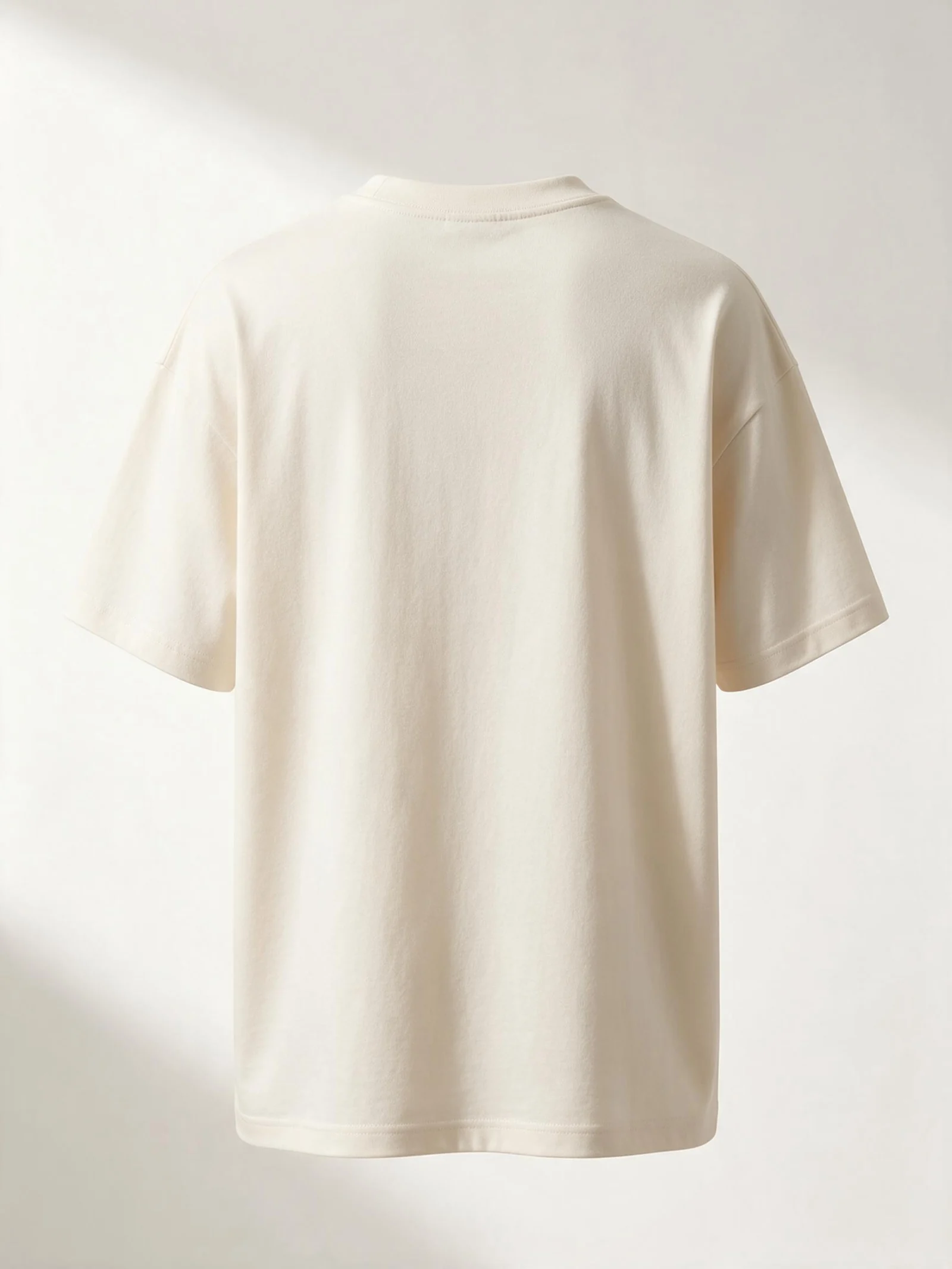
Use the shoulder, body and hem proportions to explain your fit direction.
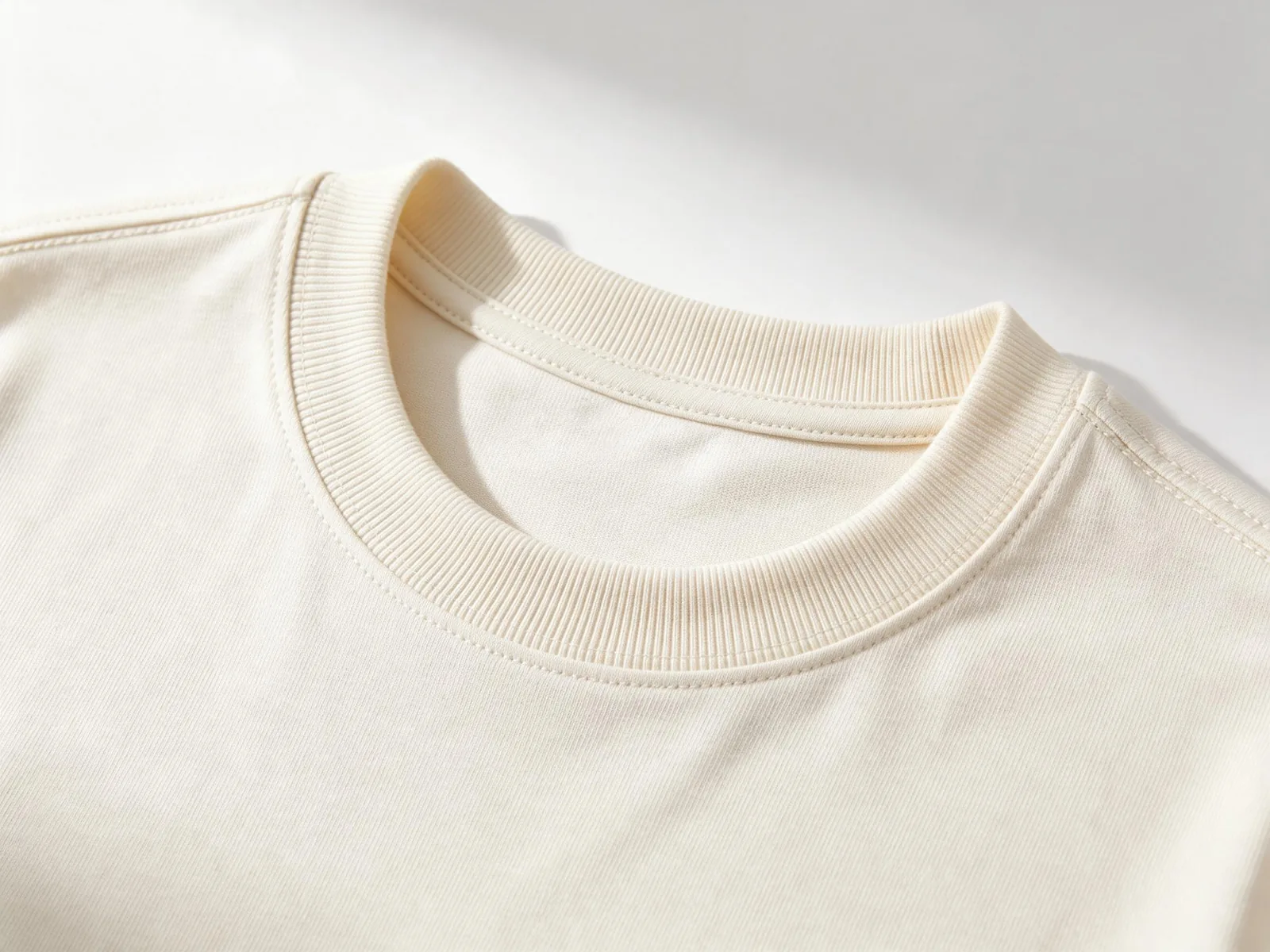
Define finished rib width and the neckline finish.
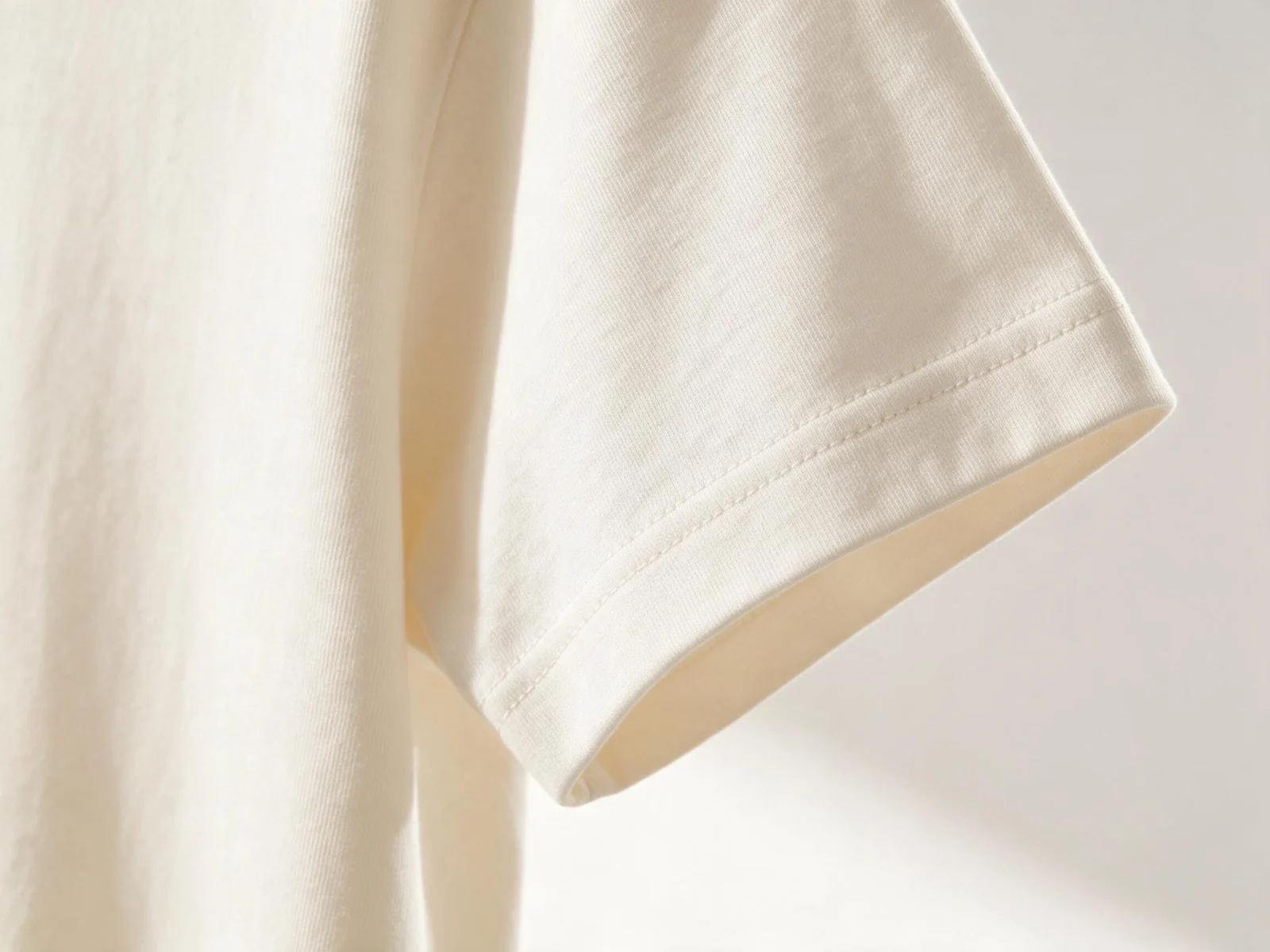
Include sleeve length, opening and hem finish in the brief.
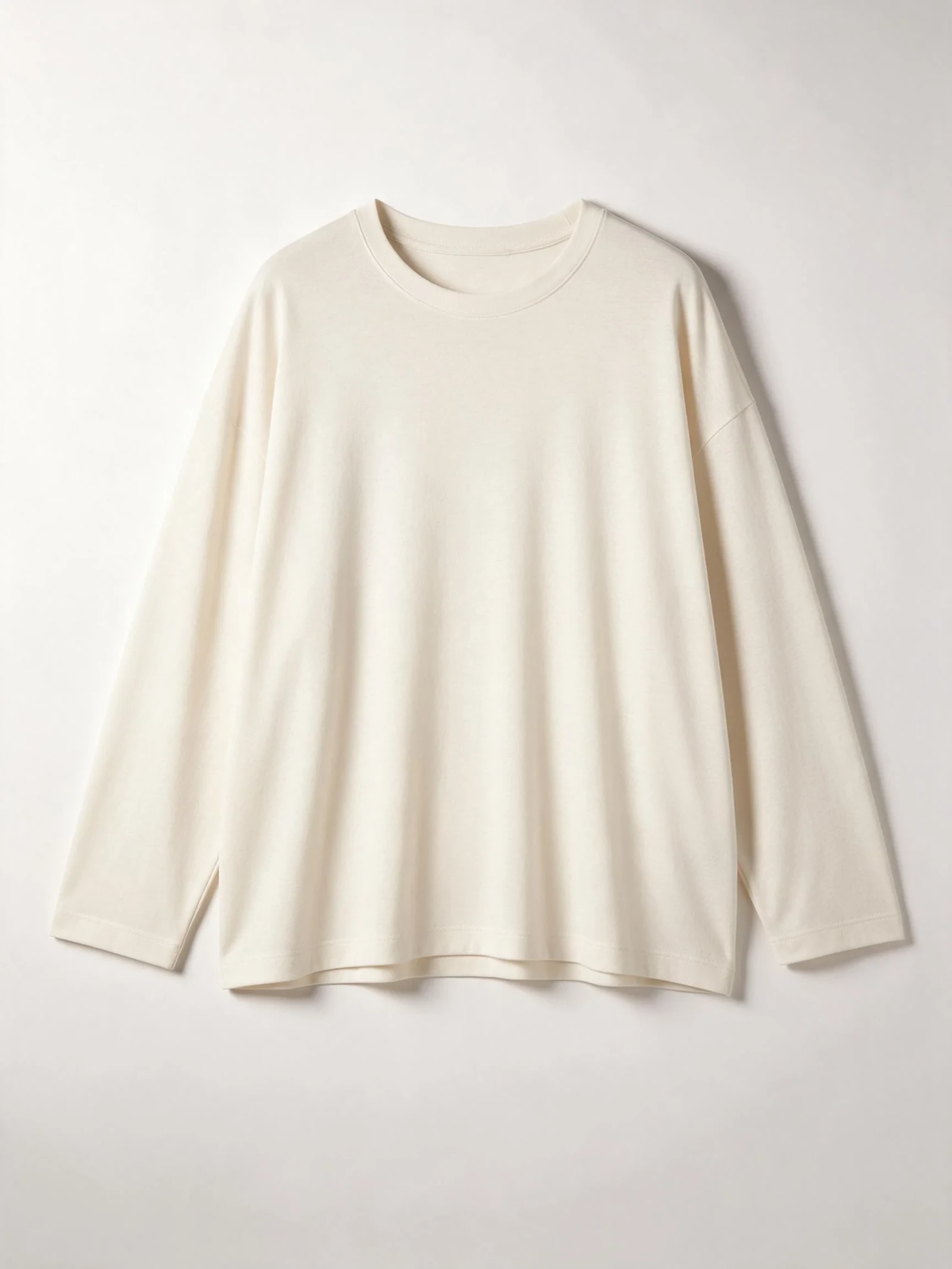
Specify sleeve length, cuff finish and body proportions.
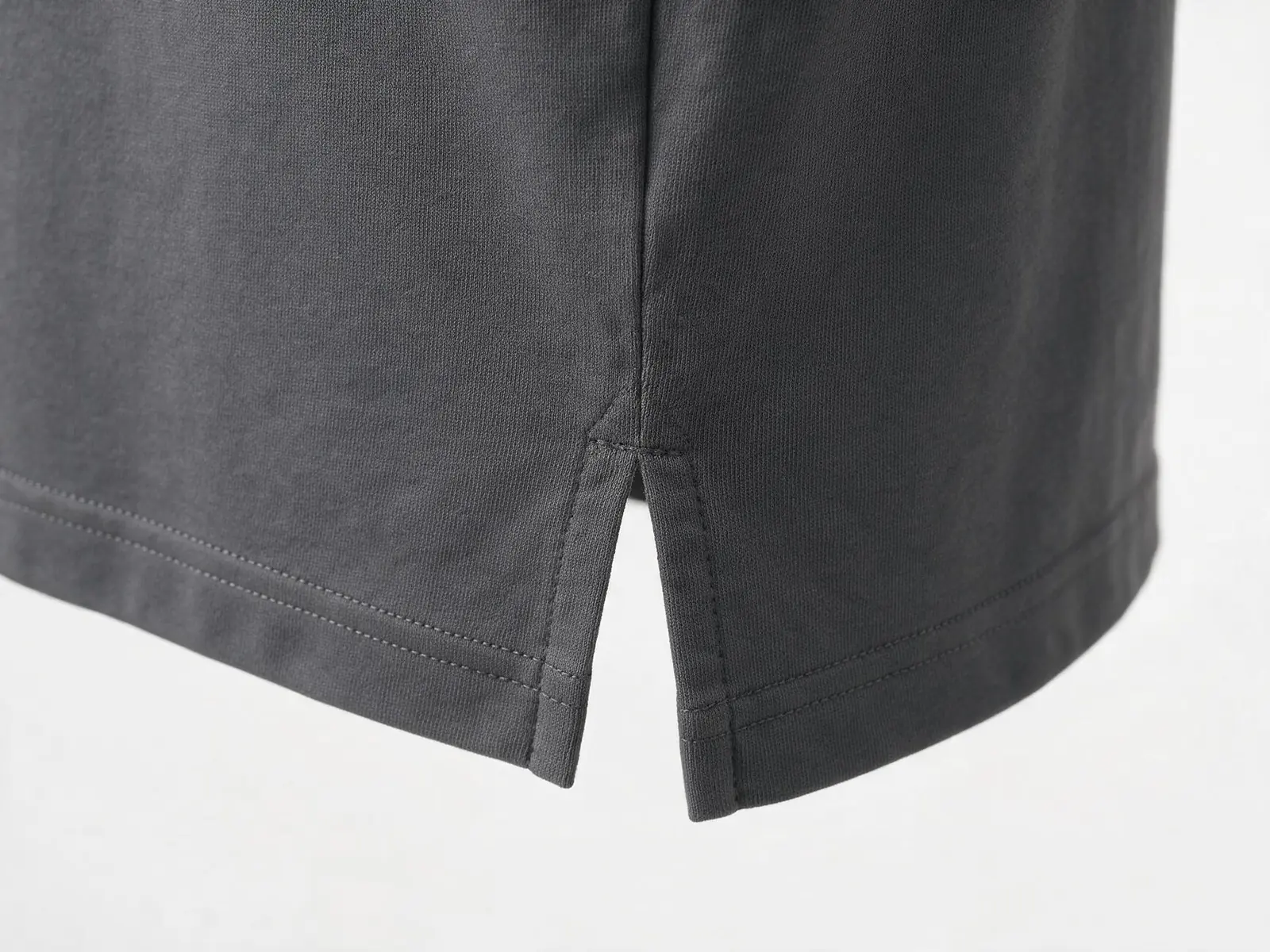
Side seam and short hem opening as a design reference.
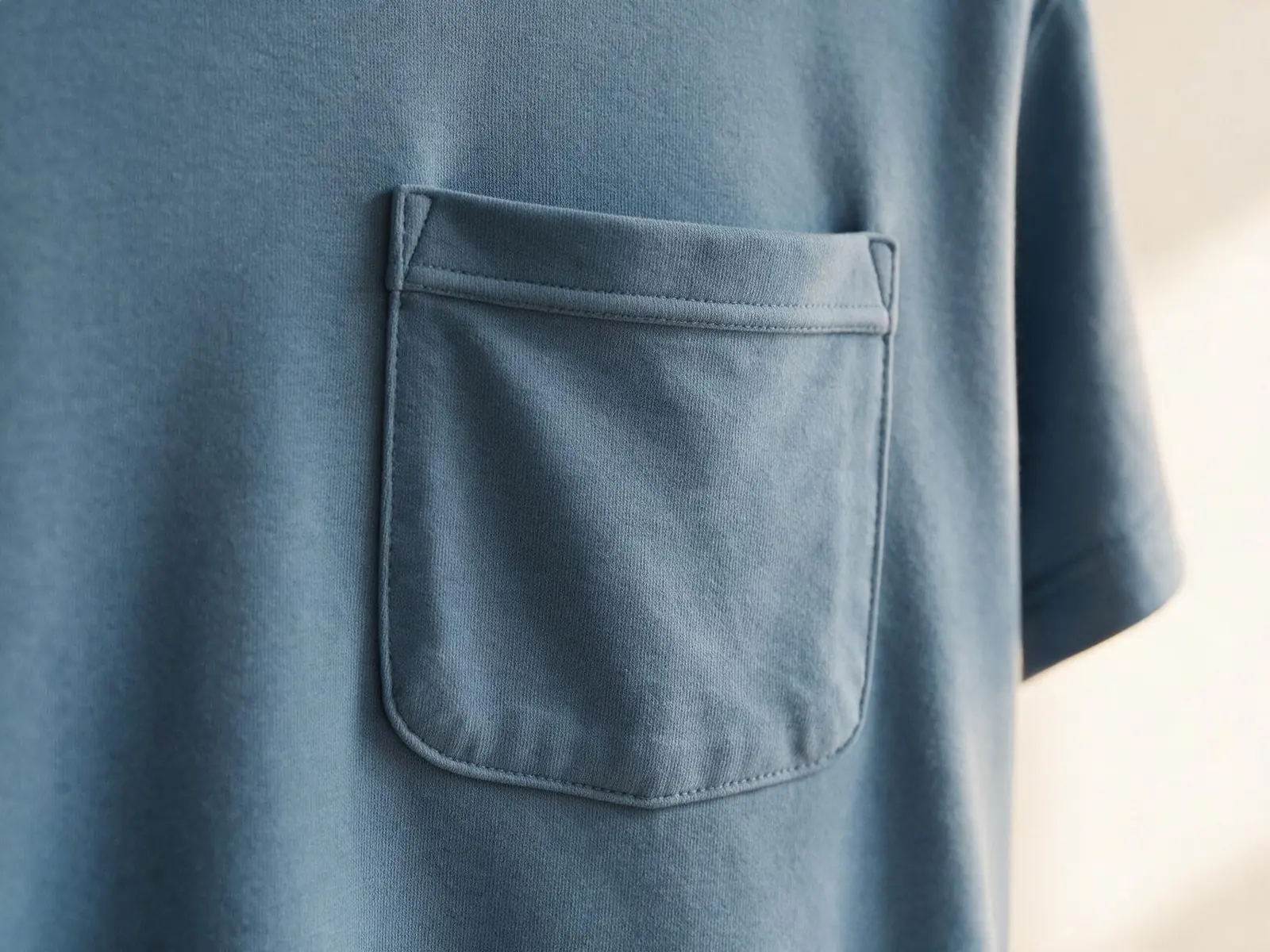
Define pocket width, depth, corner shape and placement in your T-shirt brief.
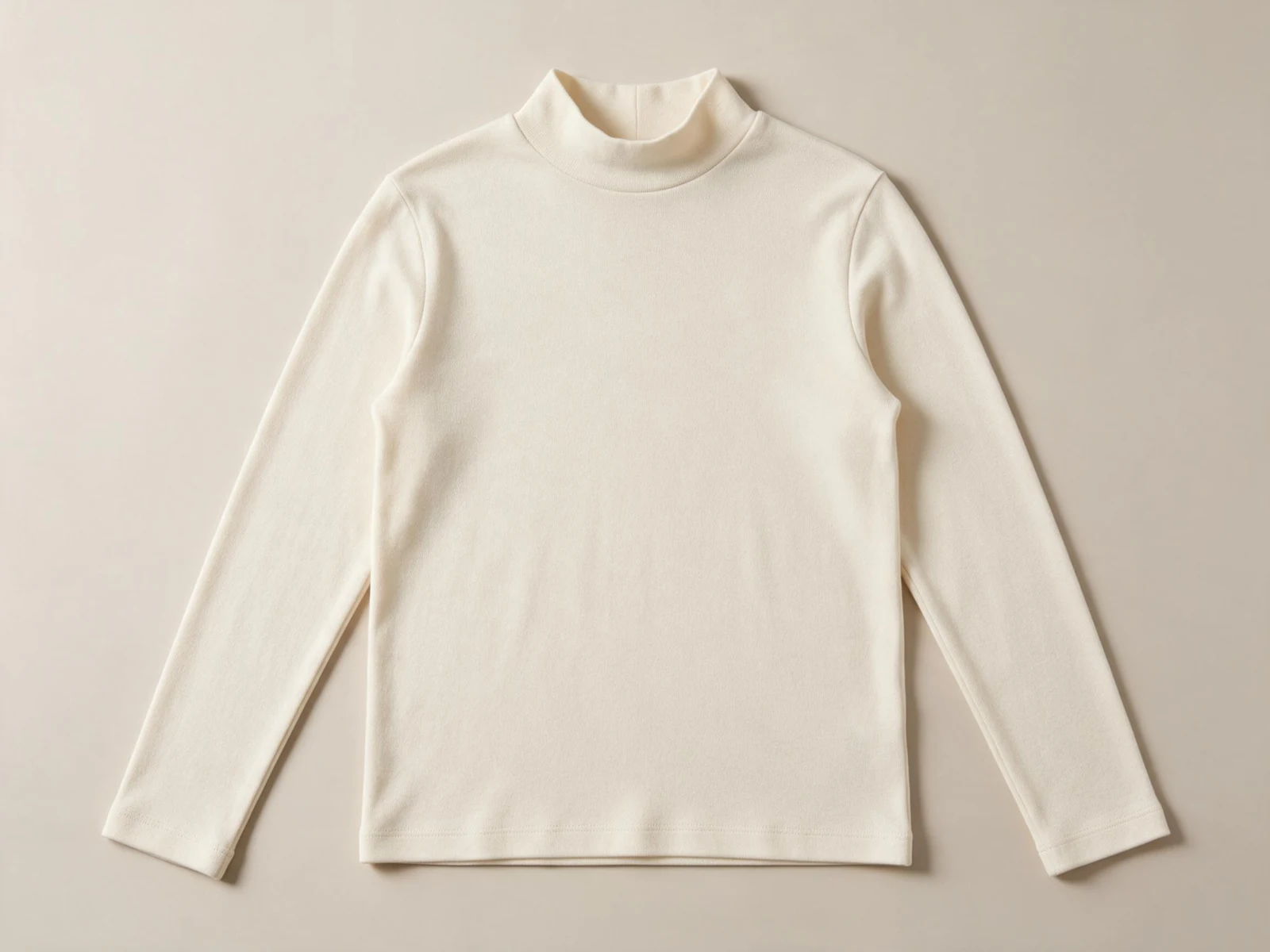
Specify neckline height, sleeve length, body fit and hem finish in your brief.
03 / Before sampling
Use these checkpoints to turn an image into a clearer development brief.
Send your referencesUse measurements to distinguish a regular, boxy or oversized body.
Confirm neck rib, taping and seam finish on the sample, including after care.
Compare opacity, twisting and dimensional change using an agreed care method.
Place artwork on the actual size and fabric; approve color, scale and handfeel.
Preparing a crewneck sample? Use our T-shirt neck rib brief to define the collar material, finished width and review conditions.
04 / Finishing
A short, relevant selection for this category. Suitability depends on your material and artwork and should be checked on a sample.
05 / Sample review
Use one sample record to connect the fit block, jersey, neck rib and artwork. State the measurement points and care conditions before reviewing neck shape, opacity, seam alignment and dimensional change. Check print size and placement on the sizes that matter to the design. Photograph actual observations and record requested changes against the sample ID. Approve the garment and specification together, with any unchecked items clearly listed.
Reference, measurements, materials, quantity and target date.
Marked-up photos, measurements and one consolidated change list.
Agreed fit, fabric, finishing and any required checks before bulk.
Labels, size ratios, carton requirements and delivery details.
Ask about relevant sample photos and order-specific documentation. The design visuals on this page are AI-generated and must not be used as evidence of factory output, performance or certification.
Ask about sample references ↗Brief and sample notes
Use what you know and leave undecided details open. Copy or download your notes when you are ready.
This worksheet does not send an inquiry or save your entries to our server. Keep a copy before leaving this page.
This technique has been added to your brief. Edit the requirements below; suitability still needs review on your actual fabric and artwork.
Use the same brief when comparing quotes so materials, finishing and delivery assumptions stay comparable.
Record what was specified, what you observed and what needs another check. These are your working notes, not a test report or an automatic approval.
Before bulk production, agree which sample and specification version form the final approval reference, including the intended materials and finishing.
Continue to the inquiry form with all filled quotation and sample notes. The transfer is available in this browser tab for one hour; review and send the form yourself.
06 / Quote questions
No. Composition, yarn, knitting and finishing also affect how a tee feels and hangs. Use a physical swatch and a sample garment to compare the result.
It can, but confirm its dimensions and placement relative to the neckline and seams. Review the smallest and largest sizes rather than approving only one sample size.
Pricing and bulk production timing are confirmed in your order-specific quote after reviewing the style, fabric availability, decoration and quantity.
Yes. Send a sketch or reference image with the measurements and details you already know. Identify what is still undecided so the next sample-development steps can be discussed.
Send the total quantity and your proposed breakdown by style, colour and size. The feasible split and any conditions are reviewed for your project and confirmed in the written quote.
Compare the same specification version, materials, decoration, labels, packaging and quantity breakdown. Ask which sample, testing, inspection and freight costs are included or separate, and confirm the destination, quote validity and production timing in writing.
Plan the next step
Explore the range
Your next collection
Send sketches, reference images or a tech pack, plus your quantity and target date. We can then discuss the next development step.
Or email [email protected]