
T-Shirt Development / Sample Review
T-Shirt Side Seam Twisting After Washing: What Brands Should Check
A T-shirt can still meet its chest and body-length measurements while a side seam moves towards the front. For a brand reviewing samples, that is a separate concern: the garment may have changed shape even though the size chart looks acceptable.
Start with a comparison of the same garment before and after care. Record what moved, keep the care conditions attached, and use that evidence to guide questions about the material and construction.
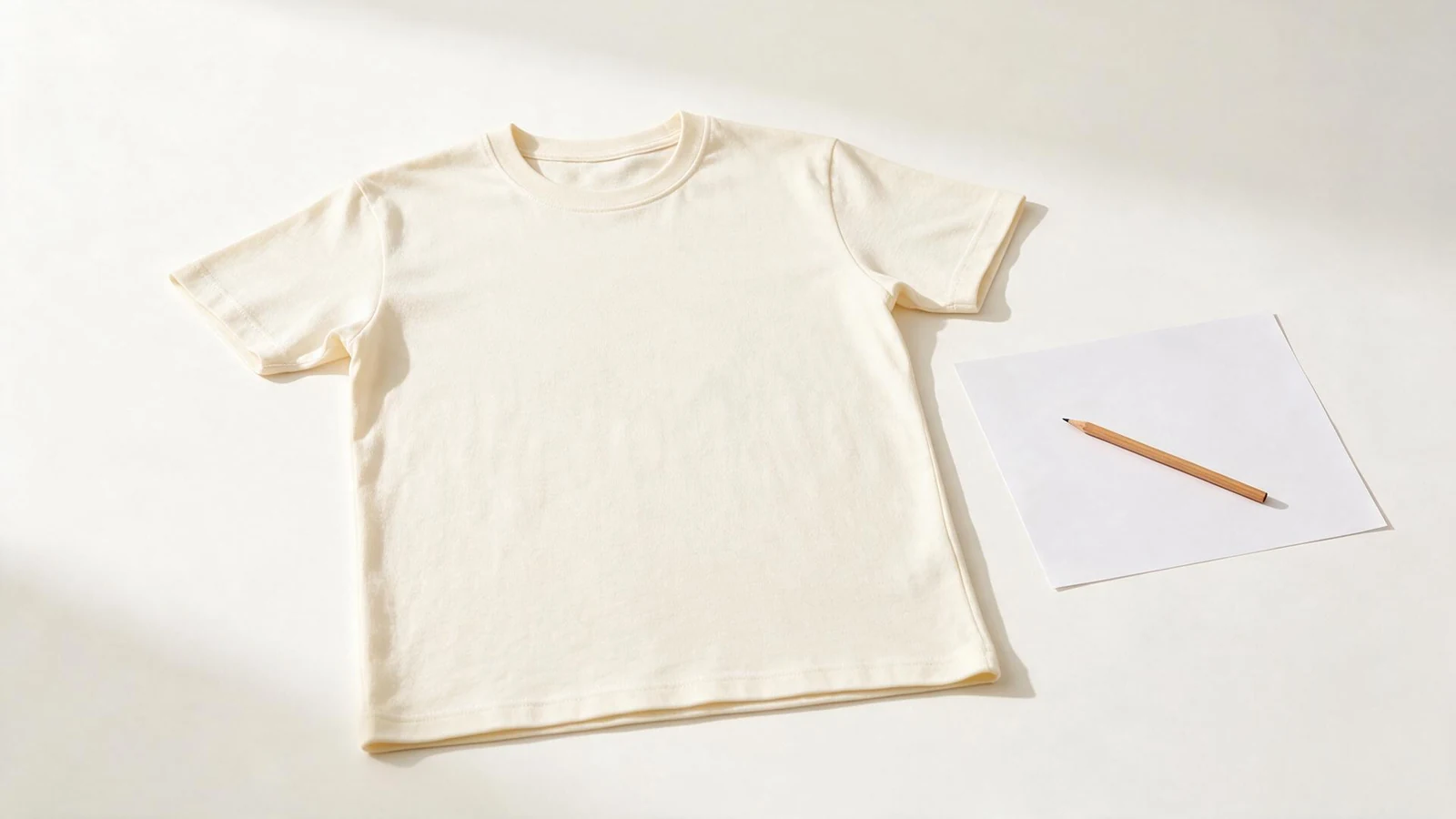
Why does a T-shirt side seam twist after washing?
Washing can reveal movement in the jersey or garment construction; seam appearance alone does not identify which material or production step caused it.
Separate seam movement from shrinkage
Shrinkage describes a reduction in a measured dimension. Twisting describes a change in orientation: a seam that sat near the side may move towards the front or back, sometimes with a rotated-looking hem. Both changes can occur together, so record them separately.
In knitted fabrics, spirality describes a tendency for the knit structure to lie at an angle. Suppliers may also discuss skew. Ask how the term is being used and measured; a photograph of a curved seam is not a complete fabric diagnosis. Local seam waviness or an uneven hem may need a different investigation.
Adding body length to a pattern can compensate for a consistent loss of length. It does not establish that sideways seam movement has been corrected. Use the fabric shrinkage test guide for directional size changes, and keep a separate record of seam position.
How should brands record the before-and-after change?
Use the same identified garment, reference points and viewing method before and after care, without pulling the seams back into the position you expect.
Identify the sample and establish the starting view
Record the style, size, sample revision, fabric reference, colour and available lot information. Note whether the garment has already been washed, steamed or pressed. If the only evidence is a washed sample, record that limitation; another garment cannot recreate its original condition.
Agree a flat-lay arrangement and show it in a reference photograph. Identify the front, back and the wearer's left and right. Let the garment rest naturally. Forcing both side seams onto the outside edges can hide the movement being investigated.
Ask the sample maker or testing provider to mark repeatable reference points and define any measurement line before washing. An agreed method might record seam displacement at a specified level, but the reference, direction and unit must be explicit. This development record is not a substitute for a specified laboratory method.
Repeat the same view after the agreed care process
Record the wash programme, temperature, detergent, drying procedure and completed cycles. Use the agreed procedure for the intended care instructions, including any stated conditioning before assessment. Record pressing or reshaping too; it can change what the reviewer sees.
Photograph the front, back and relevant inside seams using comparable framing. Show the whole garment as well as details. Repeat the same measurements without stretching the fabric, and identify which side moved and in which direction.
| Record | What the comparison needs |
|---|---|
| Sample identity | Style, size, revision, material reference and lot where available |
| Starting condition | Previous washing or finishing; whether the seam already deviated |
| Reference view | Orientation, marked points, measuring line and relaxed placement |
| Care history | Actual wash, dry, cycle and conditioning details |
| Result | Seam movement, body dimensions and appearance recorded separately |
Keep original photographs beside any annotated copies. A drawn line helps explain an observation, but it should not conceal the seam or replace the agreed measuring reference.
Keep the left and right results separate rather than averaging them into one value. Ask the reviewer to note whether the movement extends along the body or appears only near a seam join or hem. Those details help the next person locate the concern on the physical sample.
What should you ask about fabric, cutting, sewing and finishing?
Treat fabric behaviour, panel alignment, sewing and finishing as investigation areas; ask for evidence before assigning the problem to one cause.
Fabric: ask what changed in the jersey
Ask the fabric supplier to review the yarn, knit construction and finishing history, and explain any visible skew in the material. Yarn twist and the way the knitted structure relaxes can contribute to spirality. Fibre content and fabric weight alone cannot establish how the finished tee will behave.
Request identifiable material references and any relevant wash observations for the fabric actually used. If another jersey is proposed, compare its handle, appearance and performance requirements as well as seam behaviour. The clothing fabric sourcing guide helps organise that broader material brief.
Cutting and sewing: check alignment and handling
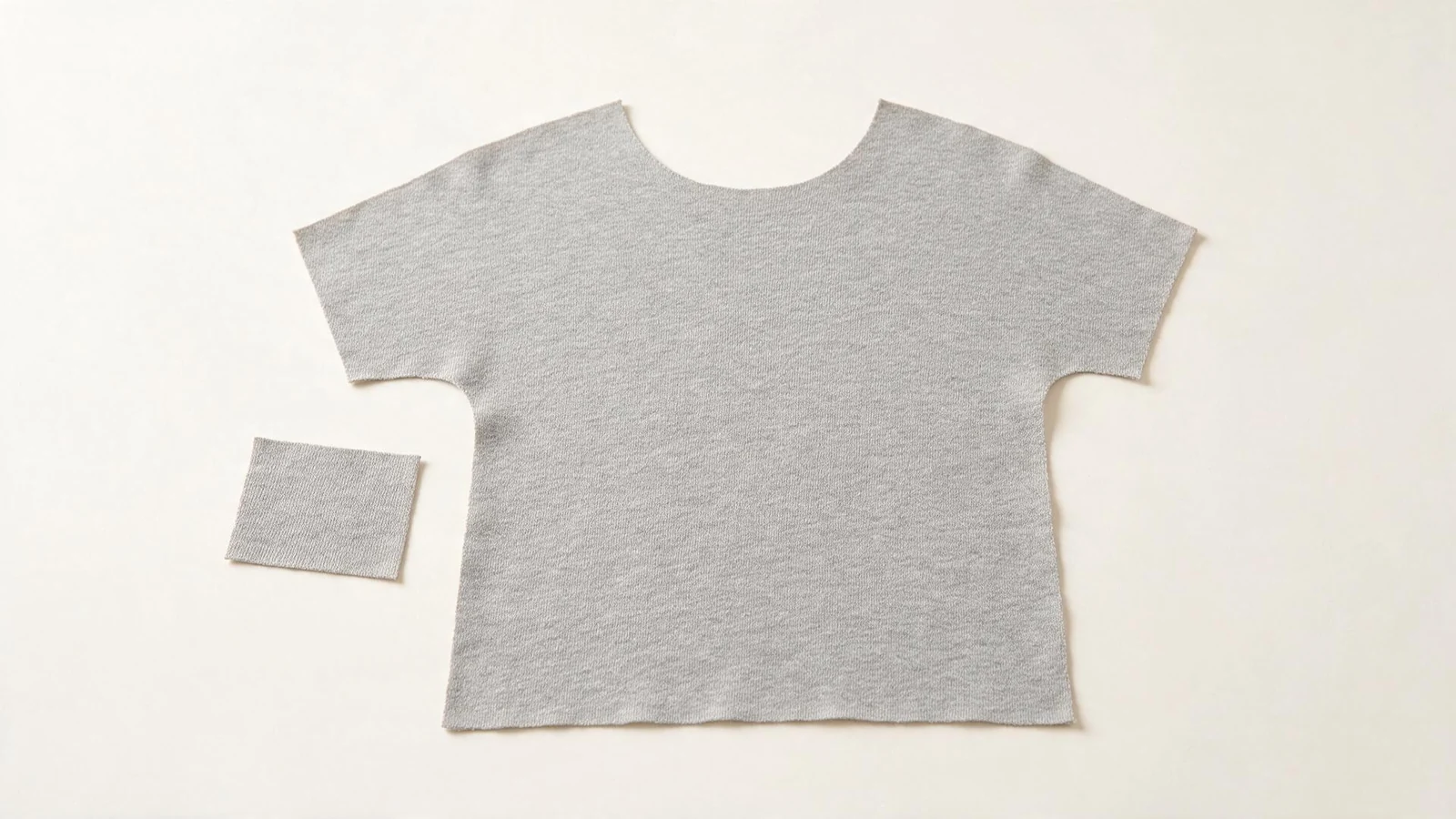
Ask how the fabric was relaxed and spread before cutting, how panel direction was set, and whether the cut pieces matched the approved pattern. Request a comparison of panel orientation and alignment marks. Do not prescribe cutting across an unstable knit as a universal correction.
For sewing, ask whether front and back panels were matched without pulling one edge to meet the other. Unequal feeding, stretching during handling or changes in seam settings are possible discussion points. Compare the inside seam, join points and local puckering; a request to “sew it straighter” leaves these questions unanswered.
Finishing: review the condition the buyer receives
Ask which garment washing, drying, pressing or other finishing steps occurred before the sample was sent. Then check what happened during the later care review. These are different stages, and the record should distinguish them.
If steaming or reshaping makes the seam look straighter, ask whether the result remains after the agreed care process. A neat presentation photograph does not answer that question. Any proposed change to finishing needs verification on the revised garment.
How should the next sample be approved?
Agree the comparison and acceptance criteria before reviewing the revision, then connect each proposed correction to a sample that demonstrates the resulting behaviour.
Compare revisions under the same conditions
Write the issue in three parts: what was observed, what may explain it, and what will change. For example, “the wearer's left seam moves towards the front after care” is an observation. “Unequal panel feeding” remains a hypothesis until supported by the investigation.
Keep the comparison conditions consistent and label every revision. Where possible, change one factor at a time; if several changes are necessary, record them together. Otherwise, a better-looking sample may not explain which change mattered.
Ask the buyer and testing provider to define the relevant method, sample selection, reporting units and acceptance criteria. There is no single twist percentage suitable for every T-shirt and measuring method. A number without its reference line and procedure is difficult to interpret.
Keep unresolved movement open in the sampling process until the agreed evidence is available. Put the approved material, construction, care conditions and review decision in the current tech pack. A change of fabric lot or process may require renewed checks under the project plan.
Send a T-shirt brief with the evidence attached
Send an identifiable sample record and a clear description of the movement so the development team can assess the issue and propose the next check.
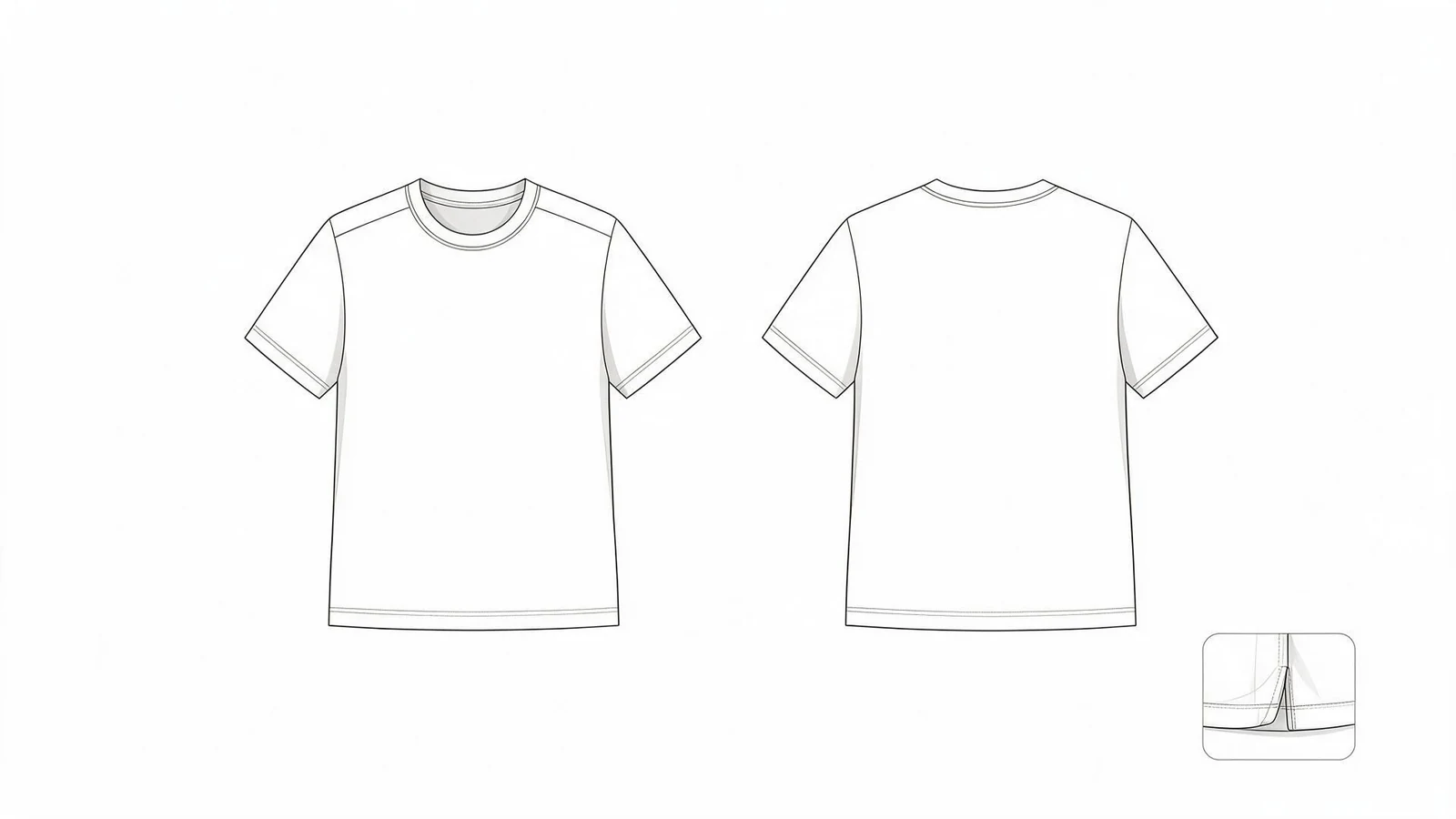
Include the current drawing and material reference, original and annotated photographs, care record, measurements and open questions. State who will review the revised sample and what evidence is needed for approval.
For a new style, start with the T-shirt development page. To discuss a project, send GoVoloom your T-shirt brief, including any wash-review concerns that need resolving before production.