
Hoodie Sample Review
Hoodie Cuffs Stretching Out: Sample Checks Before Approval
A hoodie cuff may look neat on a table, yet sit loosely after the sleeve has been pushed up. Another cuff may hold its shape but make it difficult to pass a hand through. Approving either from a photograph leaves a useful question unanswered: does the finished opening work as intended during use?
For a brand reviewing a sample, the next step is to record what changed, where it changed and under which conditions. A request to “make the rib tighter” skips those details and can move the problem elsewhere. Use the cuff review below alongside the style's measurements, fit reference and agreed care instructions.
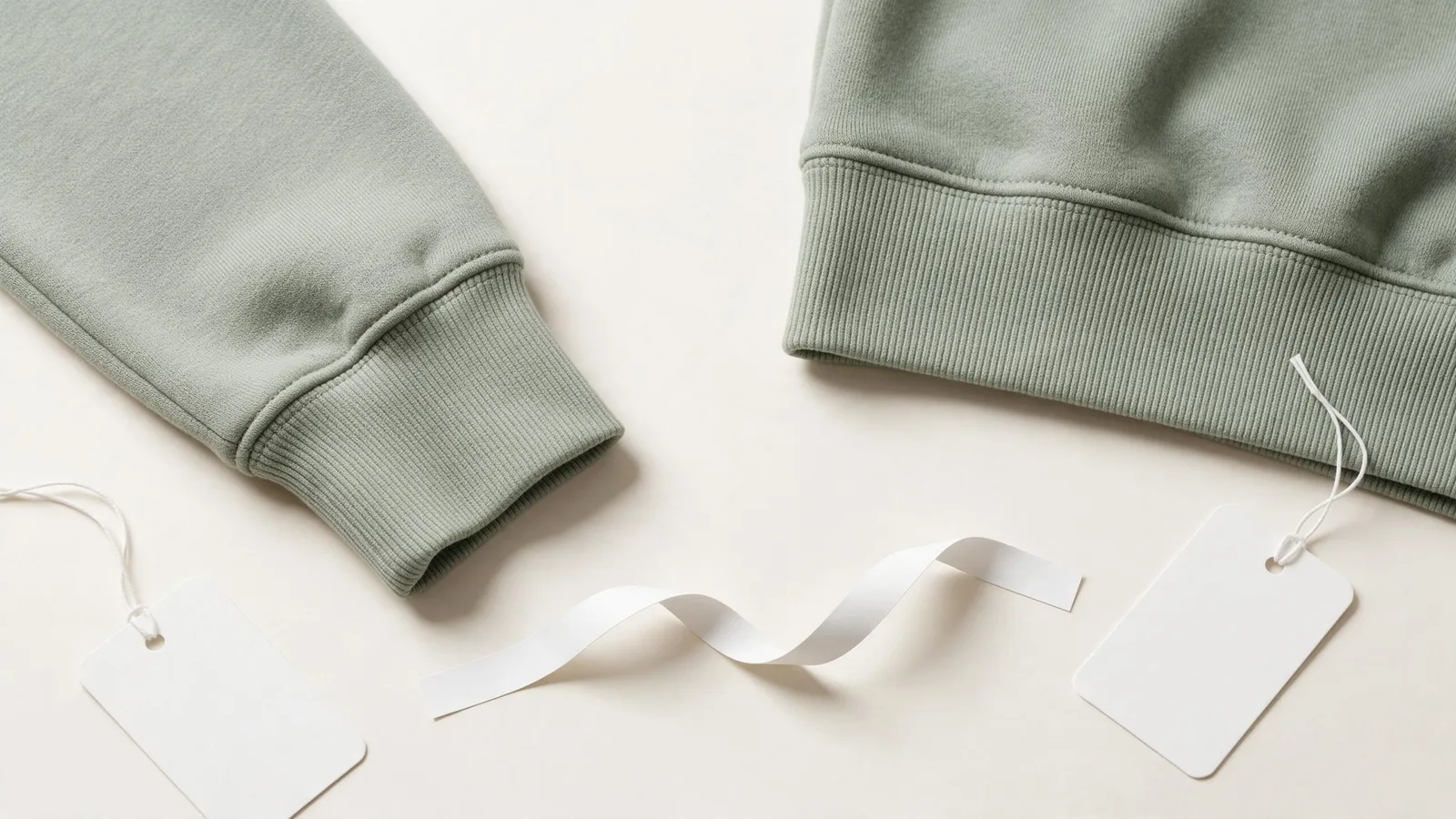
What does “the cuff has stretched out” mean?
Separate a cuff that starts too wide from one that stays enlarged after use, and from a cuff that changes after care.
Describe the starting fit and the later change
First identify the sample, size and revision. Record each cuff in the agreed relaxed condition, without pulling the opening into shape. Use the same measuring points and convention each time. If the starting opening already differs from the specification, address that dimensional question before calling it a recovery problem.
A cuff that begins as intended but remains looser after being pushed up presents a different observation. The useful record includes the action, the position reached on the arm, the time worn there and when it was checked after release. None of these conditions should be silently changed between samples.
A change seen only after washing or drying needs its own record. Keep that result separate from the initial wear observation. Use the existing fabric and garment shrinkage guide for the care-comparison method, rather than assuming that every loose opening has the same cause.
Name the area that appears different
Look at the free edge, the rib itself, its attachment to the sleeve and the nearby sleeve fabric. Does the whole band stand away from the wrist, or is the change concentrated near a seam? Does the sleeve body also look distorted? Photograph those areas and retain the garment. Appearance can guide the next question, but it cannot establish a material or sewing fault by itself.
How should the finished cuff work during use?
Review hand passage, wrist fit and return after sleeve positioning as separate tasks on the actual assembled sample.
Check hand passage and wrist fit separately
Agree who will review the intended size and what fit reference they will use. Pass the hand through in an ordinary dressing action; do not force an opening that is uncomfortable or straining its seam. Record whether the restriction seems to be at the rib opening, the attachment seam or another part of the sleeve. Ask the sample team to assess it before prescribing a correction.
Once the cuff is at the wrist, check its intended position and feel. A roomy streetwear sleeve and a closer everyday cuff may have different design goals. Describe the target in the brief instead of treating the tightest opening as the best one. The sleeve length and volume also affect where the cuff sits, so keep the complete garment in view.
Record what happens when the sleeve is pushed up
If wearing the sleeve above the wrist is part of the intended use, agree the position and observation conditions before comparing samples. After returning the sleeve to the wrist, record its appearance and fit at the agreed observation point. A casual try-on is a development observation; it is not a laboratory recovery result.
Check both cuffs with the same procedure. Record any difference in fit, shape or seam behaviour, even if the relaxed openings measure alike. Use the hoodie measurement-tolerance guide to define those measurements. A matching pair of static readings does not, by itself, answer how the cuffs behave during use.
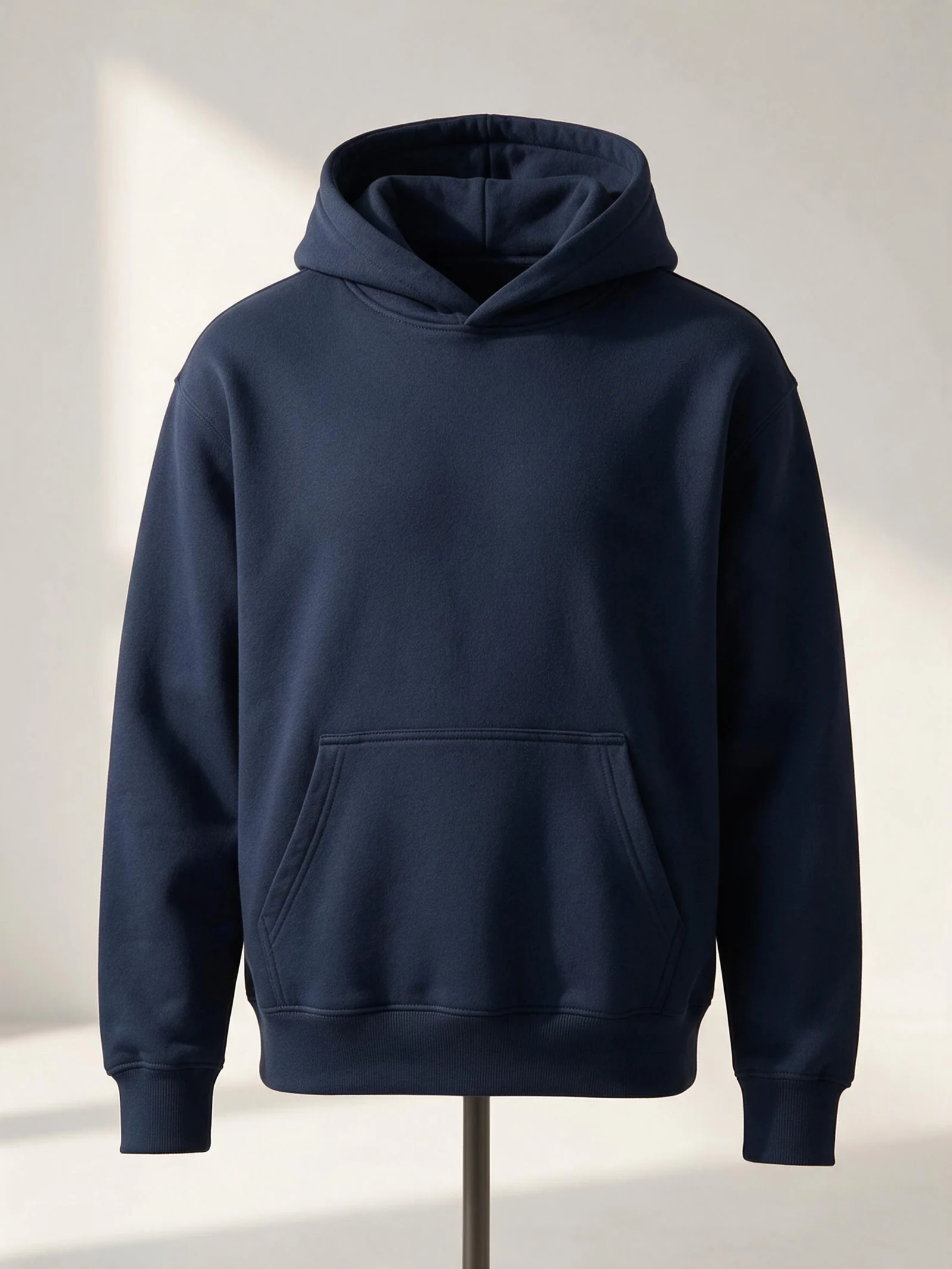
What should change in the next sample?
Tie each proposed correction to the recorded symptom, then confirm its effect on the whole cuff rather than tightening the opening by default.
Give the sample team a question they can investigate
The record should allow the team to compare the material references, cuff shape, joining and attachment with the actual sample. Ask which factors need checking; do not diagnose composition, elasticity or sewing tension from an image. If a different rib is proposed, identify it as a material change and keep the original reference available.
The existing French terry and fleece comparison covers body-fabric choices and reviewing rib with the garment. Keep this correction focused on the observed cuff problem. A change that improves wrist fit still needs a hand-passage check, and a change to the seam needs review in the assembled sleeve.
| Recorded observation | Useful follow-up for the sample team |
|---|---|
| Cuff already sits loosely before use | Compare the relaxed opening, cuff shape and sleeve position with the intended fit reference. |
| Cuff feels restrictive while the hand passes through | Locate the restriction and review the opening and assembled seam together before reducing dimensions. |
| Cuff remains looser after the agreed sleeve-up action | Compare the retained sample, rib reference and construction under the recorded observation conditions. |
| Left and right cuffs behave differently | Check each side's material identity, assembly and starting condition; preserve side-specific notes. |
Keep revisions traceable
List what changed between sample versions. Where possible, keep other details stable while assessing a proposed correction. If several changes are necessary, record them together and avoid attributing an improved result to one unisolated change. Repeat the same relevant use and care observations on the revised garment.
Give the result a written status: approved for the stated requirement, revise and review again, or pending a defined check. “Looks better” can be a useful comment, but it is not a complete release instruction. The clothing sampling process explains how comments and approved references fit into the wider development record.
Where does cuff approval fit in a winter hoodie project?
Approve cuff behaviour with the intended sleeve, fit and use conditions, and record any changes that require the decision to be revisited.
Consider the intended layers and sleeve position
For an autumn or winter hoodie, state whether it is intended to sit over another sleeve or under an outer layer. Review the intended combination where available. A cuff that works against a bare wrist may sit differently over an underlayer; sleeve bulk may also affect how easily it is pushed up. Record the combination used rather than claiming suitability for every layering arrangement.
Use the fall/winter collection development guide to place this decision among material, fit and sample approvals. The cuff discussion should resolve a specific garment requirement, not reopen the entire collection plan whenever a local correction is made.
Keep cuff and hem decisions separate
A hoodie may use rib at both the cuffs and lower hem, but those openings perform different jobs. A satisfactory hem does not confirm hand passage or wrist fit. Identify both locations in the brief, retain their separate observations and note whether a proposed material substitution affects either one. Do not assume that the same revision is appropriate everywhere.
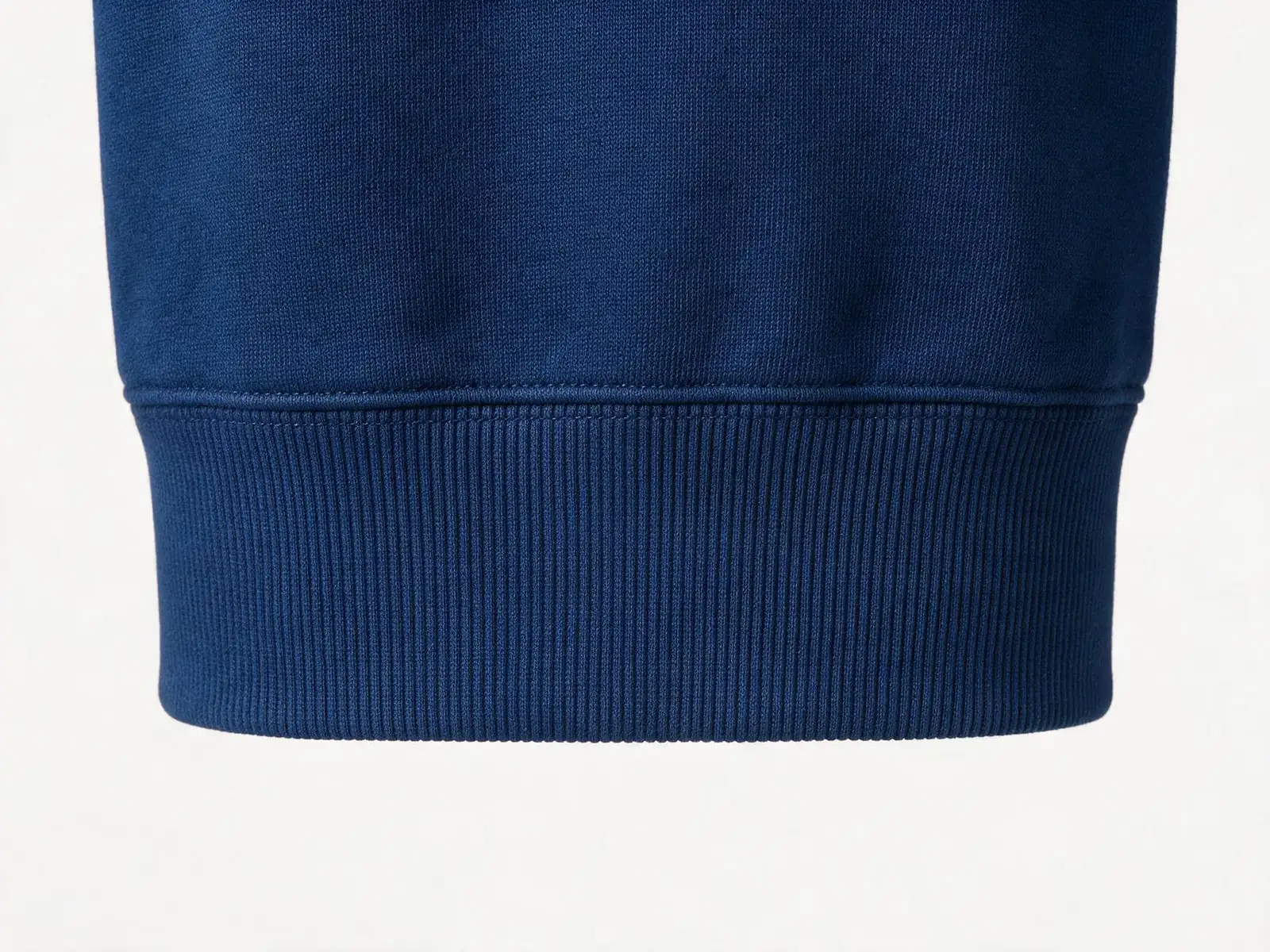
Prepare a cuff comment for your hoodie brief
Send the sample identity, starting condition, observed action and requested review together so the next revision answers a clear question.
Use the fields below with your own measurements and photographs. Leave unavailable details marked as pending. This is a blank development comment, not an example of a completed test or an acceptance standard.
For a GoVoloom hoodie project, add these notes to the hoodie development brief. Include the actual sample reference and the decision you need to resolve. The next step is to review the proposed correction and its effect on the finished garment, then confirm the agreed reference in writing.
Sample: style / size / revision / date: ___
References: body fabric / cuff rib / intended fit reference: ___
Starting condition: relaxed measurements and measuring convention; left cuff: ___; right cuff: ___
Use observation: hand passage: ___; wrist fit: ___; sleeve-up position and conditions: ___
After release: observation timing and conditions: ___; left-side change: ___; right-side change: ___
Care record, if applicable: agreed process and garment condition when reviewed: ___
Requested review: please check ___ against the retained reference. Record any proposed material, pattern or construction change before the next sample.
Release status: pending / revise / approved for the stated requirement: ___; reviewer: ___
Copy not working? Select the text manually