
Adult Clothing · Starting a Brand
Self-Fulfillment or a 3PL for Your First Clothing Drop?
Choose self-fulfillment if you can store, count, pack and dispatch your first clothing orders reliably. Consider a third-party logistics provider, or 3PL, when its service fits the work you need to outsource. Compare the full cost and responsibilities, then check the handover before committing your stock.
Your first drop needs a clear plan for getting the right garment to each buyer. This guide helps you choose who will do that work. Use your planned products, selling channels and available time as the starting point.
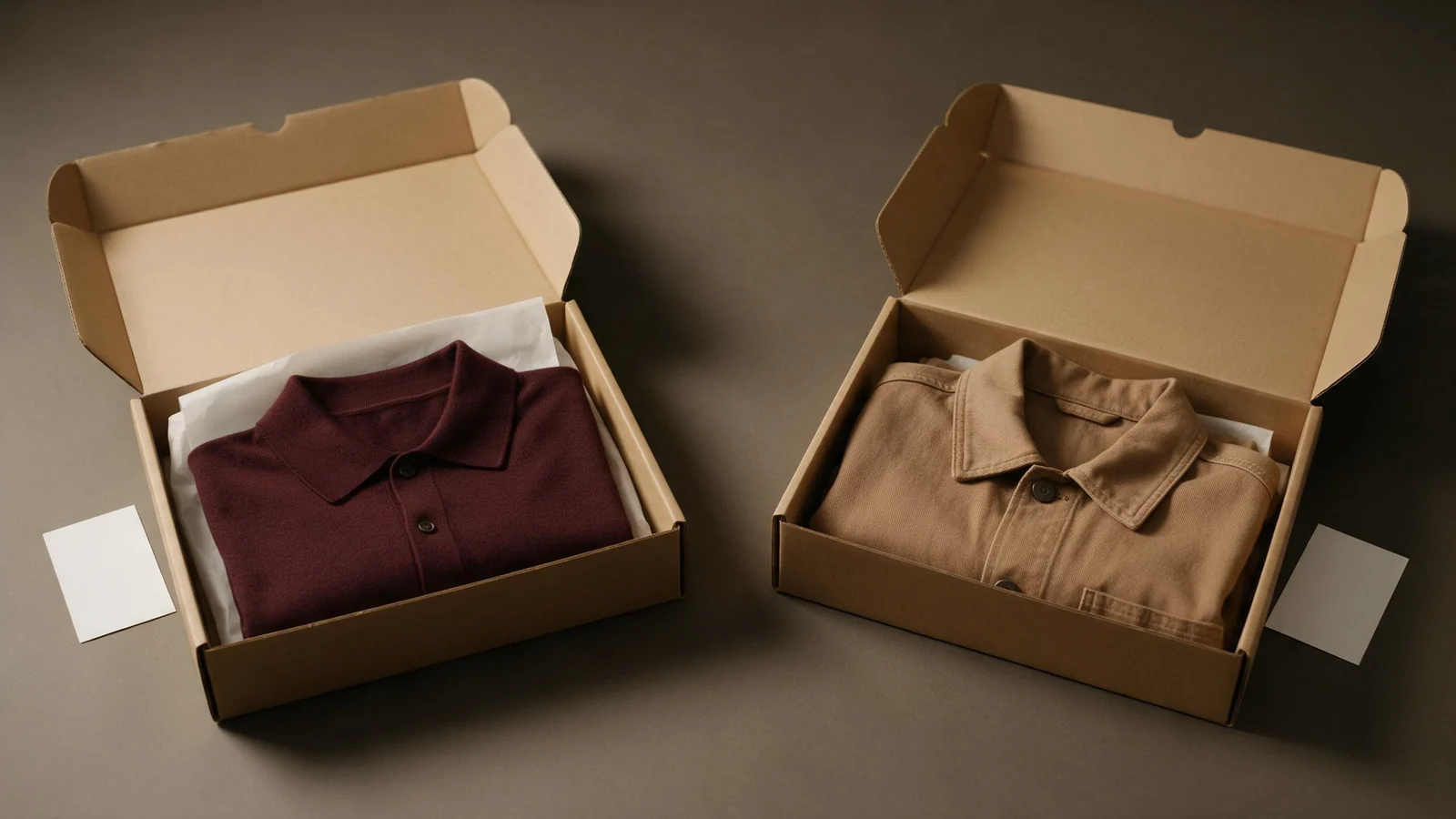
What orders do you need to fulfill?
Write a brief for the orders you expect to handle. List the garment styles, colors and sizes, where buyers will order, and the destinations you intend to serve. Add your launch plan and any retailer or marketplace packing requirements.
Keep forecasts labeled as forecasts. If you have no order history, ask each provider to explain its costs and process for both quiet periods and a launch peak. A low average can hide the work needed when many orders arrive together.
For clothing fulfillment, count the tasks as well as the parcels. Someone must receive stock, identify each variant, pick the ordered items, pack them, arrange dispatch and answer exceptions. Decide who owns each task.
Your DTC or wholesale plan helps define those needs. A single-garment consumer order and an assorted retailer shipment can require different picking and packing work.
What would self-fulfillment require?
Self-fulfillment gives your team direct responsibility for the stock and daily dispatch. Check whether you have suitable storage, a reliable count by variant, packing space and time to handle orders and returns.
Walk through one order from receipt to dispatch. List who picks the garment, checks the variant and quantity, prepares the parcel and updates the order. Decide who takes over when that person is unavailable.
Include your own working time in the comparison. Add the materials, storage, software and carrier services your plan requires. Use actual quotes where available and mark estimates clearly.
Shopify's fulfillment guidance describes handling orders yourself, using a service, or combining methods. Choose the arrangement your team can operate and track. Keep the stock and responsibilities clear if you use more than one route. (Shopify Help Center, “Fulfilling orders,” accessed November 11, 2026.)
Use the first clothing orders packing guide for the hands-on picking and parcel checks. Test that workflow before deciding how much work your team can take on.
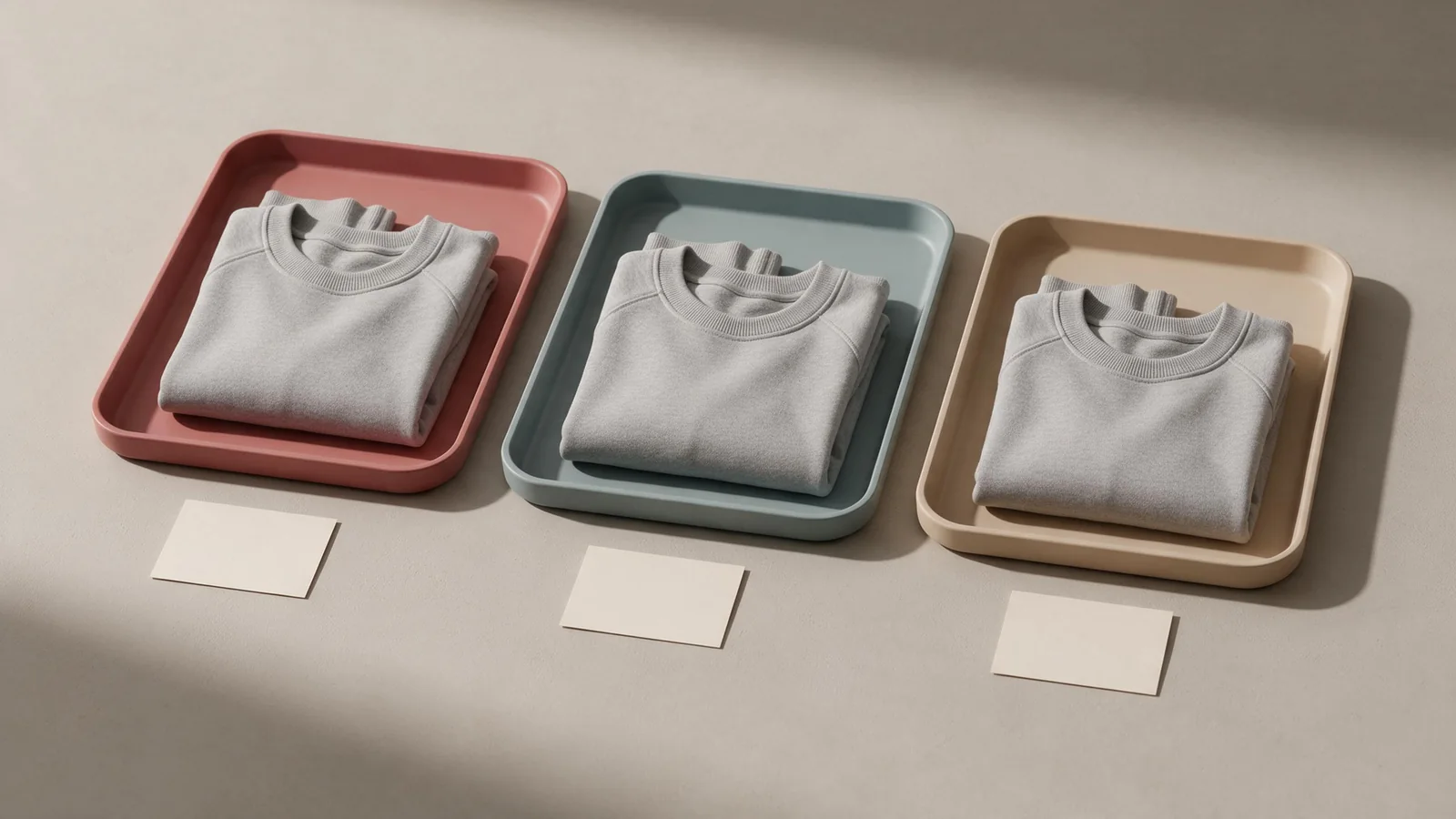
How do you compare a 3PL quote?
Give each provider the same brief and ask for a written explanation of the charges. Assess a 3PL for clothing brands against the actual work in your self-fulfillment plan. Check the included tasks, limits and extra work before comparing totals.
Use the original comparison table below to collect your own figures and answers. Add the currency and charging unit beside each quoted amount. A charge per carton, item, order or storage location can describe a different cost.
| Service item | Self-fulfillment input | 3PL quote question | Evidence to keep |
|---|---|---|---|
| Receiving | Unloading, counting and checking time | What intake work is included? | Receiving brief and count report |
| Storage | Space, equipment and stock records | How is occupied storage charged? | Storage unit and review terms |
| Pick-and-pack | Labor for the expected order mix | How are extra items charged? | Sample orders and quoted units |
| Packaging and inserts | Materials, assembly and replenishment | Which packing steps are included? | Packing version and approved example |
| Outbound shipping | Carrier quote and dispatch work | What rates and extra charges apply? | Parcel assumptions and rate scope |
| Returns and exceptions | Support, inspection and stock updates | Who handles each case and cost? | Return workflow and decision owner |
Ask about setup, software, minimum charges and launch-peak terms. Check how damaged stock, repacking, extra handling or a change in order mix would be priced. Keep those answers with the quote.
Compare a quiet-period estimate and a launch-period estimate using stated assumptions. Add the work your team will still do after outsourcing. The result should show the cash needed and the tasks still on your schedule.
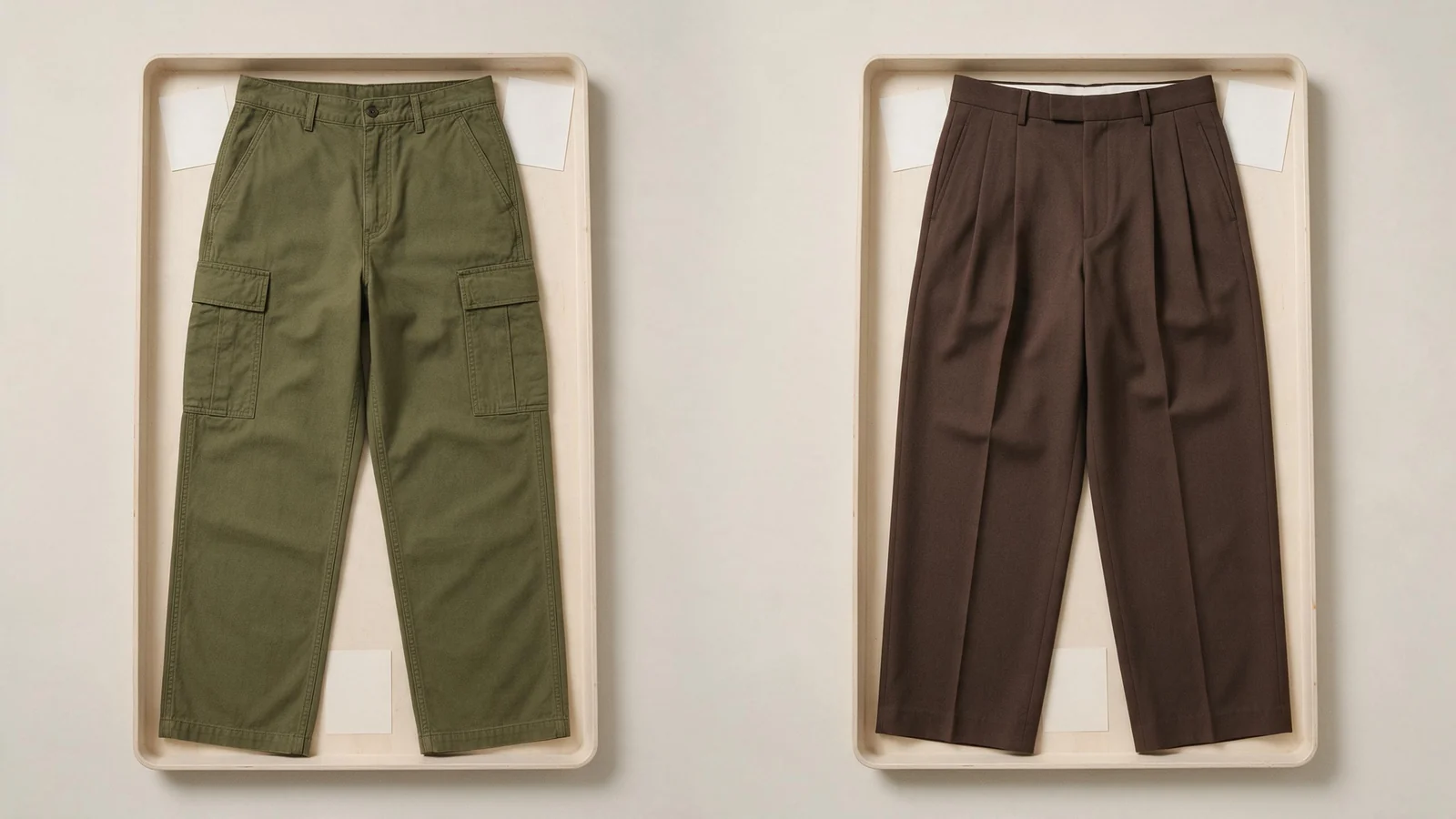
How will each clothing variant enter stock?
Agree how the receiving team will identify, count and record every style, color and size. Send the current variant register with the shipment details. Ask how shortages, mixed cartons and unidentified garments will be reported.
Shopify's variant guidance treats combinations such as size and color as separate variants and allows inventory tracking by variant. Use your own clothing SKU register to keep that identity consistent across the order and receiving records. (Shopify Help Center, “Variants,” accessed November 11, 2026.)
If the warehouse uses barcode scanning, ask which identifiers and label format it needs. Check a label with the receiving team before applying it to all the garments. Keep the file version and the accepted placement in your packing brief.
Agree which received units can become available for sale. Keep damaged, unreviewed and reserved items in the appropriate stock states. Reconcile differences using the sellable clothing stock check before releasing the launch quantity.
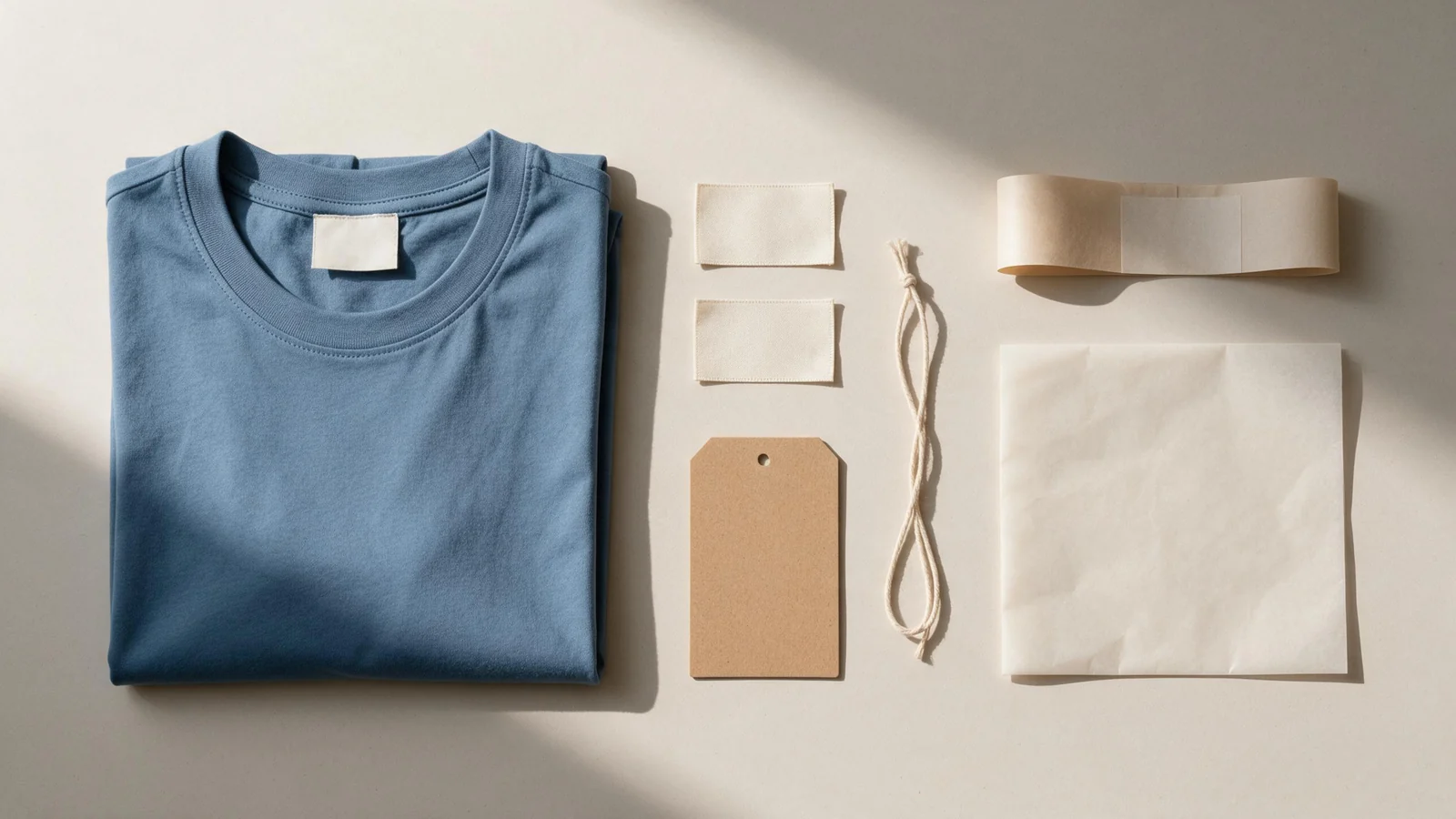
Who handles returns and order problems?
Name the person who answers the buyer and the person who checks the stock. Agree the steps for a wrong variant, a missing item, an address change or a returned garment. Include the response process and any charges in your comparison.
Give the handler your current return instructions and ask how it records each return. Decide who can approve a refund, replacement, repacking or stock adjustment. Review any market or selling-channel requirements that apply to your orders.
For a returned garment, record its identity and observed condition before deciding its stock status. If your team must make the decision, agree how the handler will hold the item and send the review information.
Keep the buyer's report, the handling record and any product findings together. The clothing returns revision guide helps turn repeated findings into a product review when one is needed.
What should you check before launch?
Rehearse the chosen workflow with representative garments and clearly labeled internal test records. Check a single-item order, a mixed-variant order and any special packing you intend to offer. Agree how to handle the trial stock and records.
Compare the picked garments with the order and the parcel contents record. Check the style, color, size, quantity and packing instructions. Have the responsible person review each mismatch before approving the workflow.
For a split shipment, show which items and quantities belong in each parcel. Shopify's packing-slip reference includes SKU, variant and shipment-quantity fields. Use the quantity assigned to the parcel when checking what has been packed. (Shopify Help Center, “Packing slip variable reference,” accessed November 11, 2026.)
Check how the order status and stock count change after dispatch, a cancellation or a return. Ask how your team can see and export those records. Keep the agreed dispatch process and buyer-facing delivery information aligned.
How do you record the decision?
Choose the arrangement that fits your full quote, available working time and reviewed workflow. Record the accepted scope, the people responsible and the open points to close before launch.
Set a review date or a clear trigger, such as a change in order mix or storage needs. Compare actual working time, charges and handling issues with your plan. Use the same measures for both arrangements.
Agree the exit process before transferring stock to a 3PL. Ask how remaining garments, packing materials, open returns and inventory records would be handed back or moved. Record any notice requirements and quoted charges.
For factory packing, send GoVoloom your garment brief and handover requirements. Include the SKU references, label and packing versions, and the receiving instructions you have agreed. Custom bulk clothing manufacturing starts at 100 pieces. Factory work, quantity allocation, charges and delivery handover need confirmation for your project.
