
Adult Clothing · Starting a Brand
How to Pack Your First Clothing Orders Without Mixing Up Variants
To pack your first clothing orders, match the current order to the exact garment variant, check the contents before sealing, and keep the parcel connected to its own shipping label. Use a separate space and a short check record for each order. If the size, product version, quantity or condition does not match, stop that item and resolve the difference before dispatch.
This guide is for an adult clothing or streetwear brand sending received stock directly to customers. It covers a small self-fulfilled workflow. The order numbers and quantities below are fictional examples, not GoVoloom shipments or measured packing results.
Before choosing who will store and dispatch your stock, compare self-fulfillment and a 3PL for your first clothing drop against your order pattern, full service costs and handover requirements.
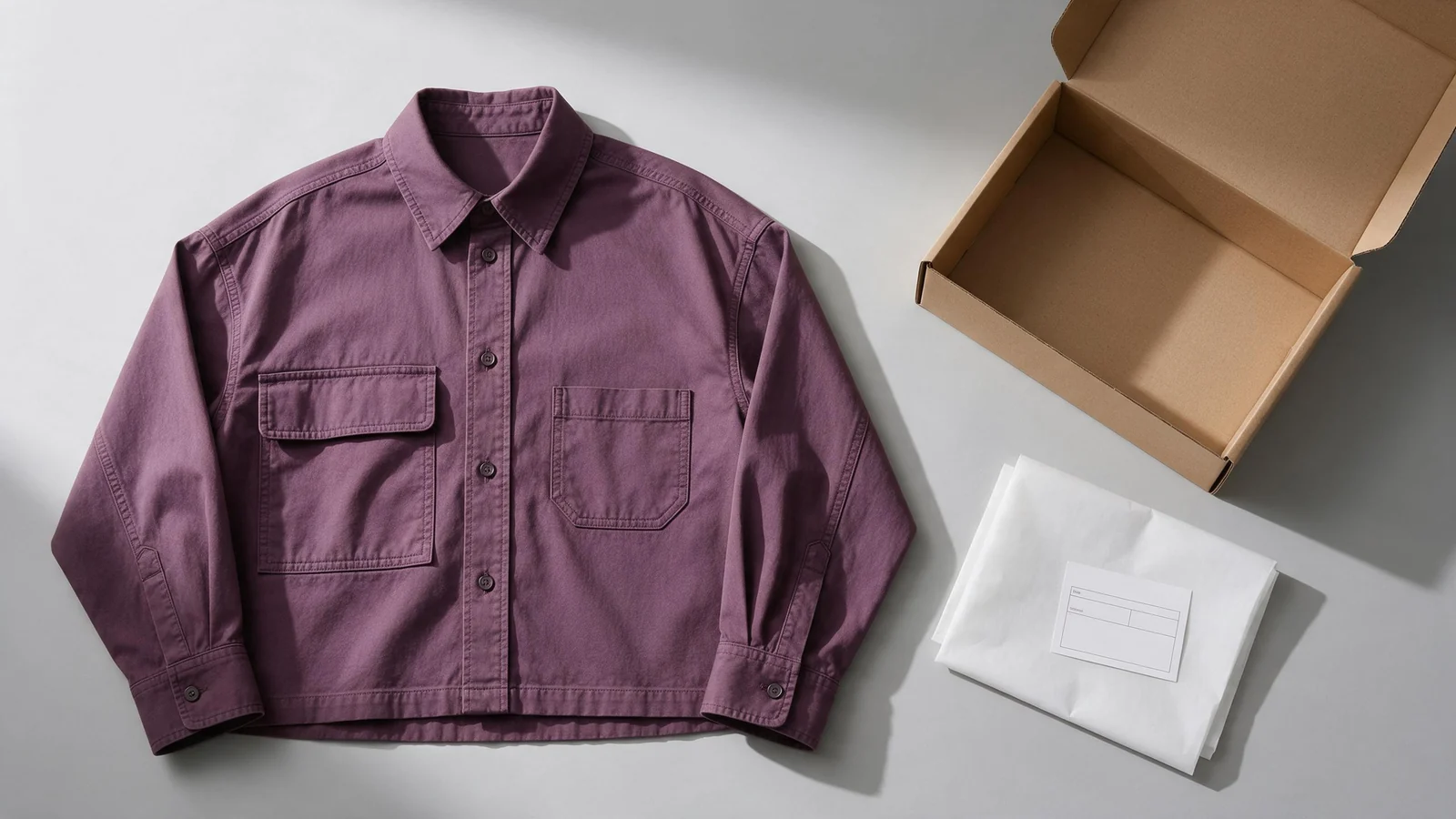
1. Start with the current order, not an old printout
Choose the order that is ready for fulfillment under your store's rules, and check its latest version before picking. Confirm the order reference, shipping address, requested variants, quantities and any agreed changes. Check for a cancellation, unresolved payment issue or fulfillment hold. A saved screenshot can be outdated even when the order number is correct.
For an order with more than one shipment, identify the items and quantities intended for this parcel. Shopify's “Printing and editing packing slips” guidance distinguishes a shipment's contents from the whole order and allows a separate slip for each shipment. Use the equivalent shipment record in your own system.
Keep the job small enough to follow. Put the current packing record beside one empty tray or clear section of the table and identify it with the order reference. If the order changes while work is underway, pause, update the record and recheck what has already been picked.
2. Pick by the full variant, not by color alone
Match the product identifier and its descriptive fields together. Read the style, color, size and any other ordered option, such as inseam length. Compare these with the garment's identifying label and your approved product record. Two dark trousers can have different cuts; two medium tops can belong to different styles.
If the identifiers are still inconsistent, fix the clothing SKU register before relying on it for packing. A code is only useful when the code, garment and record agree. A photograph helps identify the design, but it does not verify size or distinguish an unrecorded fabric revision.
- Read one order line and find its designated stock location.
- Check the full identifier and variant details before moving the required quantity.
- Place those units in that order's space, then mark that line as picked.
- Leave missing or uncertain units unconfirmed and record the reason.
For a first manual workflow, keeping one order in each clearly separated space makes the check easier to follow. If you later pick several orders together, maintain a reliable separation and reconciliation method. Do not treat a shared pile of similar garments as a completed set of individual orders.
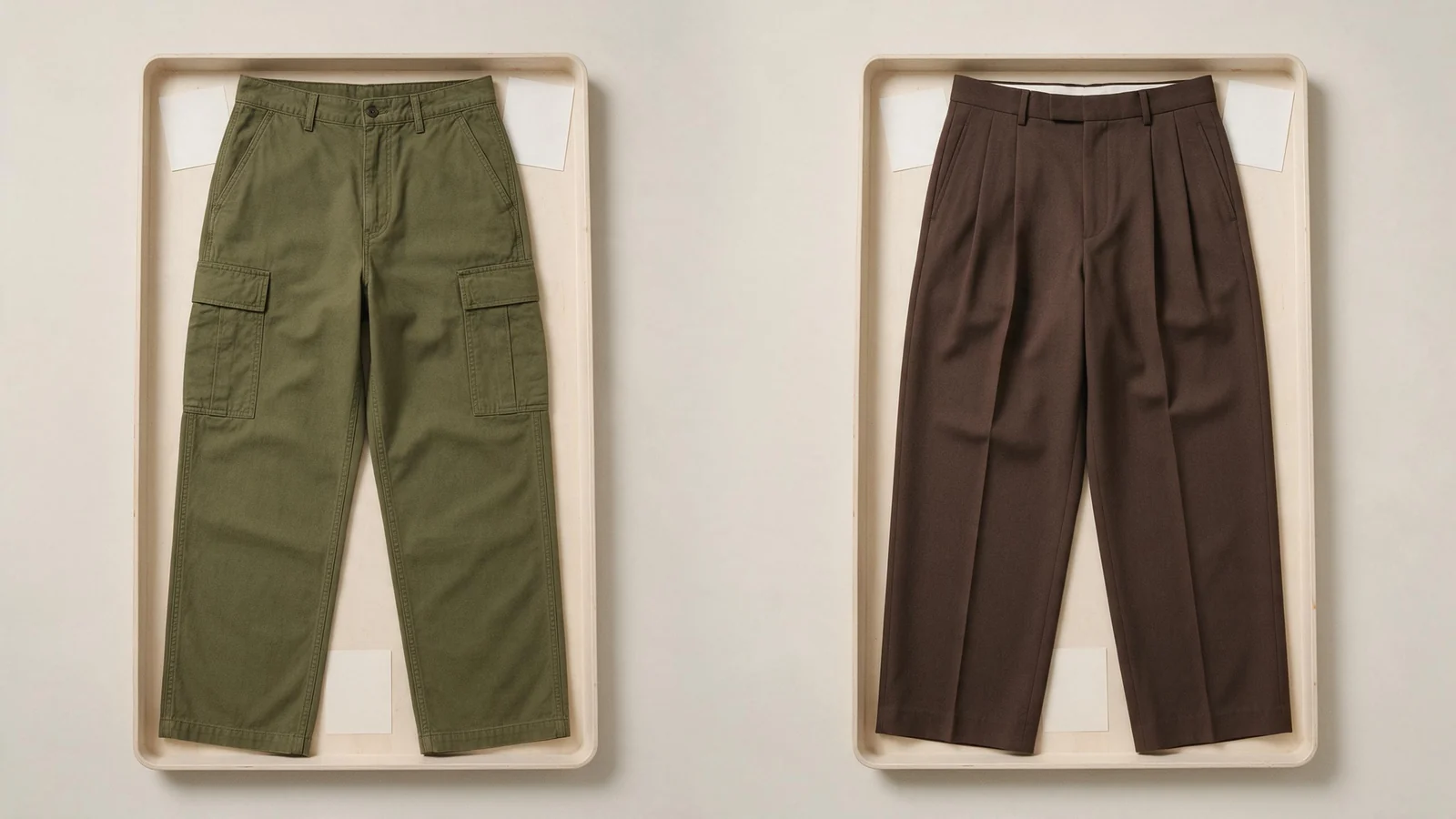
3. Check the garment before folding hides the details
Check identity and visible condition before the item goes into its packaging. Confirm that the size label, style details and any required included parts match the order. Look for a visible mark, an unexpected hole, a loose component or a mismatch between the garment and its tag. Set an uncertain item aside for review instead of covering the issue with tissue.
This is a final packing checkpoint, not a substitute for your agreed product inspection or testing. It cannot establish wash performance, composition or measurements that have not been checked. Use the released stock identified in your sellable-stock record; a garment held for inspection should not re-enter an order simply because it is nearby.
Keep the garment on a clean, dry surface and arrange its closures and details so they will not catch on another item during packing. If a raised decoration or structured part needs special protection, check the packing method with the relevant packaging or shipping provider. Do not assume that the method for a plain tee suits every garment.
4. Choose the package around the garment
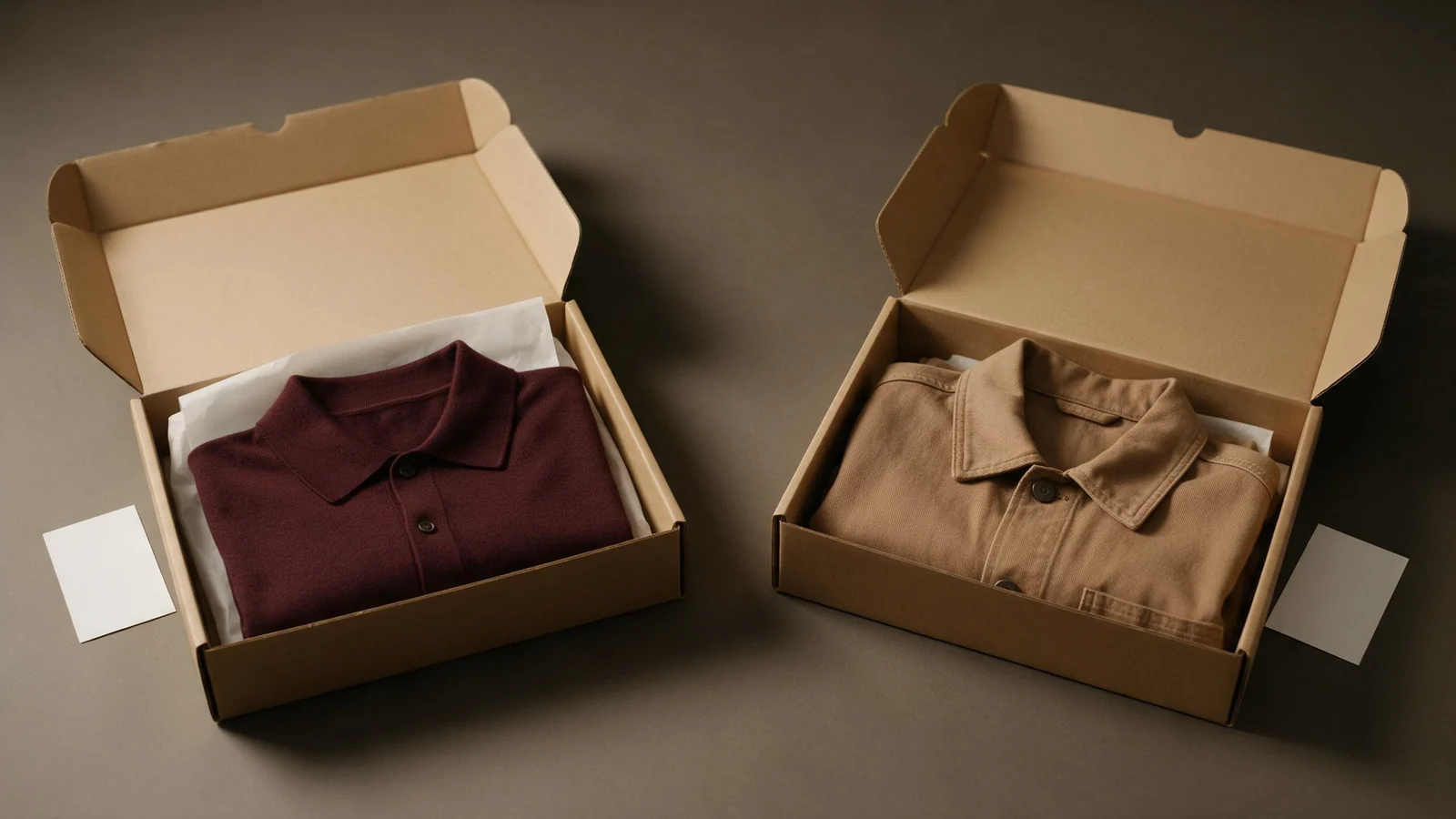
Choose enough protection for the actual contents, then check the package as it will travel. A soft garment and a structured piece present different packing problems. Fold or support the item without forcing an important feature into a shape the packaging cannot accommodate. Keep adhesive away from the clothing and place any agreed inserts with the correct order.
For U.S. domestic parcels, USPS's “How to Send a Package” guidance calls for strong packaging that does not bulge, appropriate protection against movement, and accurate size and weight. It also says reused boxes need obsolete addresses, shipping labels and barcodes covered or removed from use. Follow the actual carrier's packaging instructions for the route and service you choose.
Before buying a large batch of packaging, try the proposed format with the garments you intend to send. Close it, reopen it and inspect the fit, closure and garment presentation. This is a practical packing check; it is not a transit-damage test or proof of waterproof protection. Review your label and packaging specifications when the format or included materials need changing.
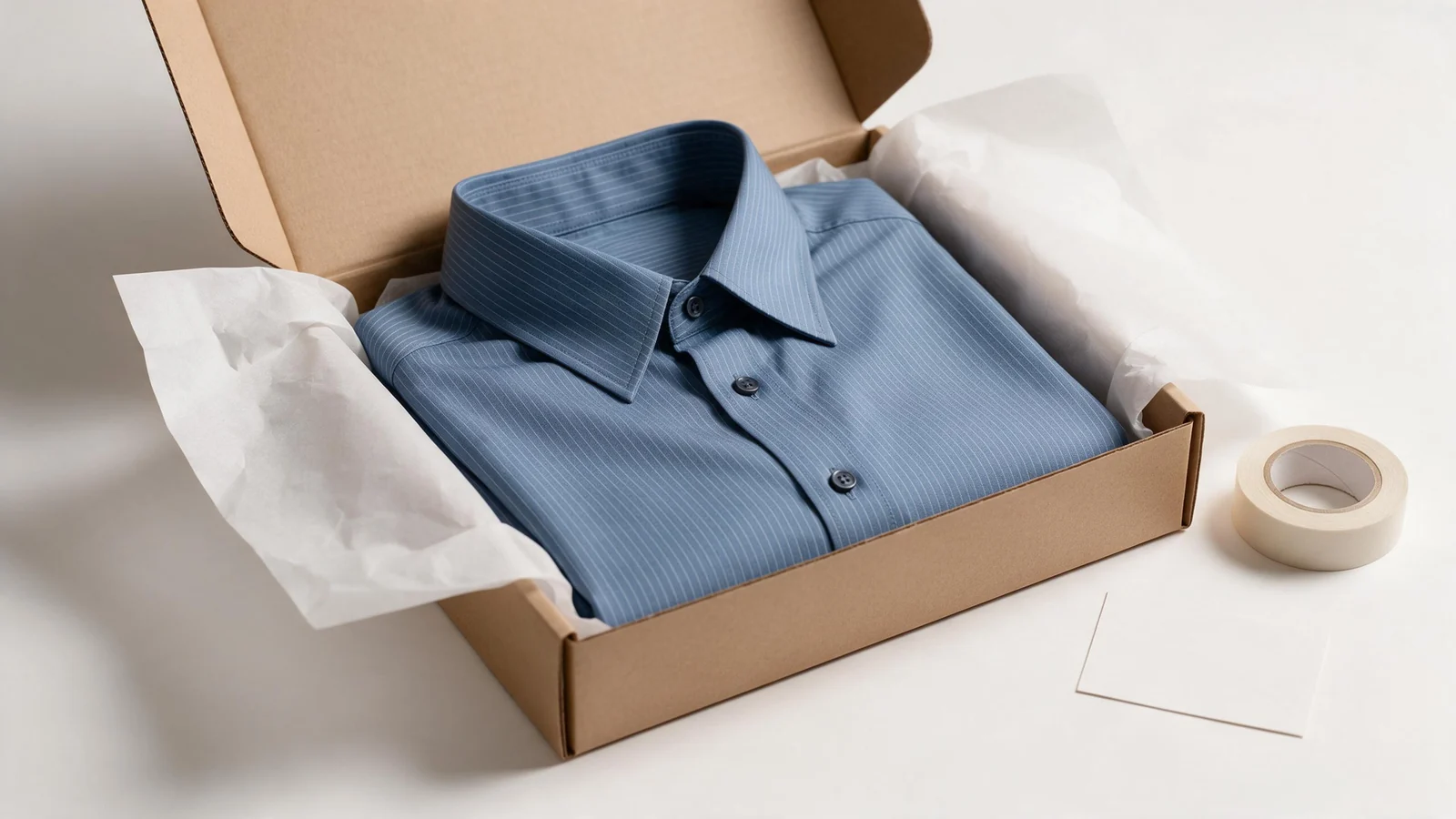
5. Reconcile the parcel before you seal it
Count what is actually in this parcel against what this shipment should contain. A correct total is not enough: three garments can still be three wrong variants. Check each line before closing the package, ideally with a second person or a fresh read of the order rather than memory.
Keep requested, packed and held quantities distinct. This fictional order demonstrates a stop decision:
| Order D104 line | Requested | Ready to pack | Action |
|---|---|---|---|
| T214-BUR-M — burgundy tee, M | 2 | 2 | Confirm both units against the line |
| P087-CHR-M — charcoal trouser, M | 1 | 0 | One picked unit has an unresolved mark; hold it for review |
The intended order contains three units, but only two are ready. Do not substitute a large trouser or another color to make the count reach three. Resolve the held item. If a partial shipment is appropriate under the order's agreed terms, confirm the change and record the exact items shipped and still outstanding; otherwise keep the order on hold.
Shopify's “Packing slip variable reference” distinguishes the total quantity on an order line from the quantity being fulfilled in a shipment. Whichever system you use, check that the customer-facing packing slip describes this parcel rather than suggesting every ordered item is inside.
Your internal check record can stay short: order and shipment reference; SKU and variant; requested, picked and packed quantities; any held item and reason; and checker/date. Use the system's current documents and avoid putting private supplier notes or unnecessary customer details into the parcel.
6. Match the label to the checked parcel
Complete one parcel-to-label match before moving to the next. Compare the order reference and confirmed delivery details with the label, then attach it to that parcel. A correctly printed label on another customer's box is still the wrong shipment. Keep unresolved parcels away from those ready for carrier handover.
Weigh and measure the finished package, including the packing materials, using the selected service's rules. For USPS domestic packages, its guidance says labels should not overlap or bend over an edge. Check the current carrier instructions and service details instead of relying on a remembered rate, weight rule or delivery time.
If a label is replaced or a parcel is reopened, repeat the relevant contents and label checks and deal with the obsolete label through the shipping system. Keep the actual parcel count and carrier reference connected to the order. When handing packages over, retain the receipt, collection record or other confirmation available for that service.
A printed label, a packed parcel and a parcel handed to the carrier are different events. Check when your store sends its fulfillment or dispatch message, and use wording that matches the actual stage. Creating a label alone does not show that a carrier has received the parcel or that delivery has happened.
7. Record the result and fix the right problem
Update the shipment and stock records through one consistent process. If your system already changes inventory at its defined fulfillment step, do not make a second manual deduction for the same units. Keep held, unshipped and canceled items visible until their next action is resolved.
Log a packing error separately from a garment-development issue. A correctly labeled large tee picked instead of medium calls for a picking correction. A garment carrying the wrong size label needs investigation of the product and label records. Repeated construction feedback belongs in a clothing revision brief, with the affected version identified.
For the next production order, carry confirmed garment identification, label placement and packing requirements into your development brief. If you plan to develop the garments with GoVoloom, discuss the product and packing requirements. MOQ: 100 pieces. Confirm the included manufacturing and packing work for your project; this checklist does not describe a GoVoloom consumer-order fulfillment service.
Your first packing process is usable when someone else can tell which garments belong in each parcel, which exceptions remain open and which parcels actually left your location. Revisit the unclear step after each issue instead of treating a neat package as proof that the order is correct.
Source notes: Shopify Help Center, “Printing and editing packing slips,” “Packing slip variable reference” and “Fulfilling orders”; USPS, “How to Send a Package: Domestic”; and UPS, “How To Ship Clothes.” Sources checked October 29, 2026. The order example and check-record method are editorial suggestions, not measured operational results. Carrier and platform examples apply only within their stated scope.
