
Adult Clothing · Starting a Brand
How to Choose Between Direct-to-Consumer and Wholesale for Your First Clothing Collection
Choose the first sales channel your clothing brand can support with reachable buyers, workable selling economics, enough cash and a reliable fulfillment process. A higher retail price does not automatically make direct-to-consumer sales better; a larger retailer inquiry does not automatically make wholesale safer.
Here, direct-to-consumer (DTC) means your brand sells to the person who will wear the clothes. Wholesale means your brand sells to a retailer for resale. This buyer distinction is the starting point in Shopify's wholesale and retail comparison. For your first adult clothing or streetwear collection, the useful question is which route you can make a credible offer through now.

1. Start with the buyer you can actually reach
Choose a route to a specific buyer, not a channel label that sounds attractive. For DTC, name the intended wearer, the reason the product fits their needs, and where you can reach them. For wholesale, name the type of retailer whose assortment, customer and price position match the range.
Make a short evidence note for each route. Useful DTC evidence could include research with the intended audience about the actual product and proposed price. Useful wholesale evidence could include a buyer conversation about the relevant category, buying window, size mix and information required. Record what was discussed and what remains unconfirmed.
Followers, likes, a store's public email address and a request to see a collection are different signals. None alone proves that someone will purchase the planned quantity. The SBA's market-research guidance recommends examining demand, customer location, competing options and pricing, using both existing information and direct research. Apply those questions separately to wearers and retail buyers.
If neither route has useful evidence yet, keep the collection at a research or development stage. Opening both channels adds work without resolving the missing reason to buy.
2. Compare what each sale leaves behind
Compare revenue after the costs attached to each selling route, using the same garment specification and cost scope. Fix the style, fabric, trims, packaging included in the manufacturing quote, currency and destination before comparing figures.
Use the clothing pricing guide for the full cost model. A wholesale offer needs its own calculation: do not simply halve a retail price or assume a retailer's requested discount will work.
The table is a fictional US-dollar example for one kept garment, excluding sales tax. Both routes use the same $22 landed inventory cost. DTC assumes a single-item order; wholesale costs are allocated per garment from one specified shipment. All prices, fees and cost allowances are invented arithmetic inputs, not GoVoloom quotes, provider rates or expected results.
| Item | DTC sale | Wholesale sale |
|---|---|---|
| Product revenue | $60 | $36 |
| Landed inventory cost | −$22 | −$22 |
| Packing, fulfillment and payment costs | −$9 | −$3 |
| Assigned acquisition or sales costs | −$12 | −$2 |
| Amount remaining on this basis | $17 | $9 |
The $24 price difference becomes an $8 difference after these assumed costs. If the DTC acquisition allocation rises from $12 to $21, its remaining amount falls to $8. That sensitivity is a reason to check the assumptions, not a prediction that either channel will outperform.
Neither result is net profit. Development, photography, subscriptions, staff and other fixed spending still need funding. Include the cost of unsuccessful selling activity in the relevant period; do not allocate only the successful advertisement or buyer visit. Model refunds, non-payment and any stock recovery separately, without counting the same loss twice.
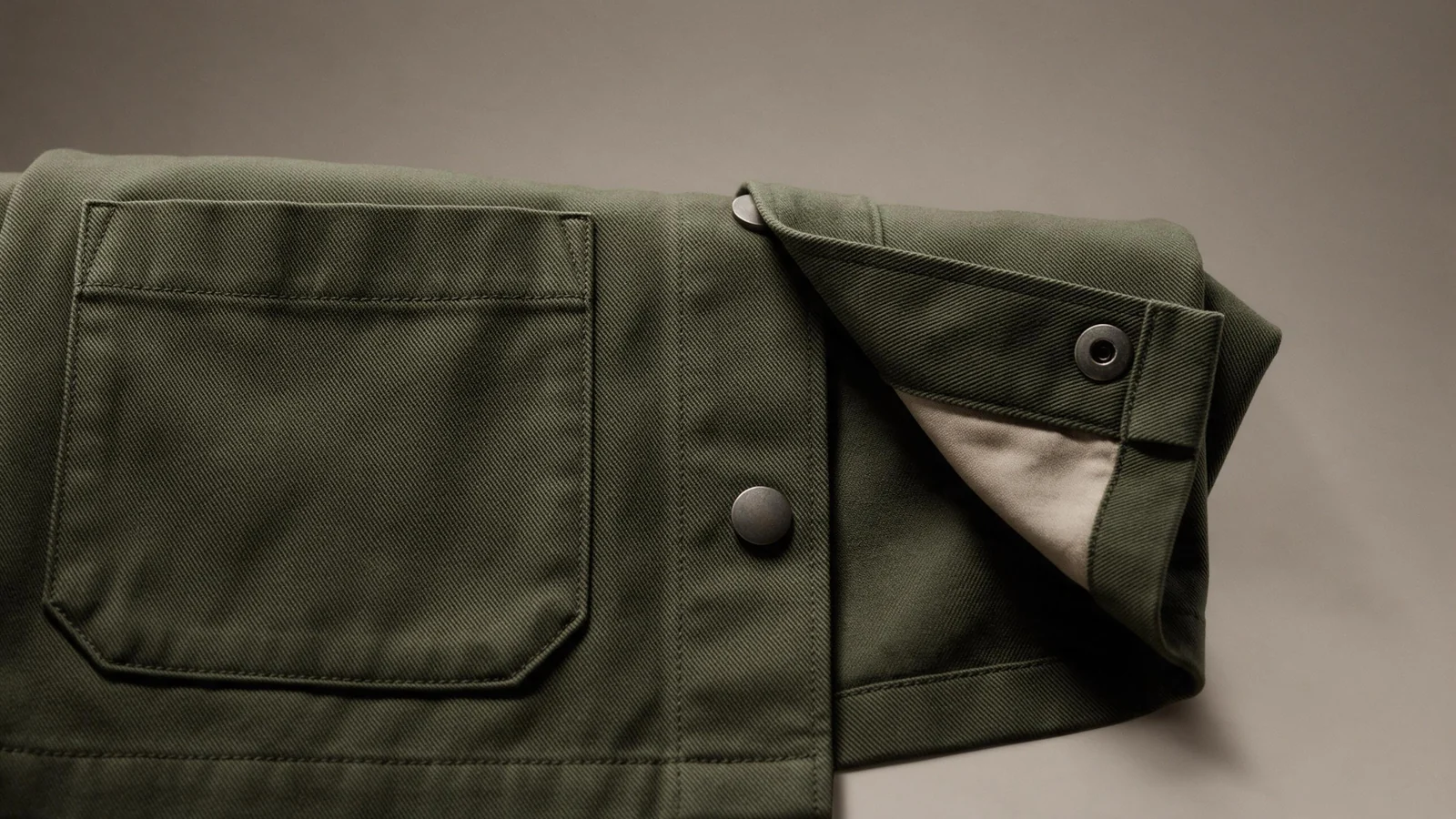
3. Put payment dates beside spending dates
A workable price can still create a cash shortage if your bills fall due before the money arrives. List when you must pay for development, production, transport and selling work, then place expected customer receipts beside those dates.
DTC checkout receipts may have a settlement delay, and part of the money may later be refunded. Wholesale payment could be upfront, partly deposited, due on fulfillment or due later under agreed terms. Shopify's B2B payment documentation shows these as distinct options. Its settings are platform features, not universal terms that every retailer must accept.
For a proposed retailer order, confirm the deposit, balance, due-date trigger and process for late or disputed payment before committing stock. Test what happens if that buyer pays later than planned. A large order concentrated in one account can leave little room for delay; a purchase order is not cash already received.
Keep consignment separate. A store displaying your garments under a consignment arrangement has not necessarily purchased them outright. Shopify's consignment explanation describes selling on the owner's behalf and payment linked to sales. Check ownership, settlement, unsold returns and responsibility for loss in the actual agreement before including those garments in a wholesale cash forecast.
4. Check the work each channel creates
Choose a channel whose routine work you can complete at the service level you promise. Walk through one example order from request to completion before planning more volume.
For DTC, check whether a shopper can understand the fit, choose the correct variant and see accurate delivery and return information. Then check picking, individual packing, dispatch updates and the route for questions or problems. Direct access to customers brings direct responsibility for handling those interactions.
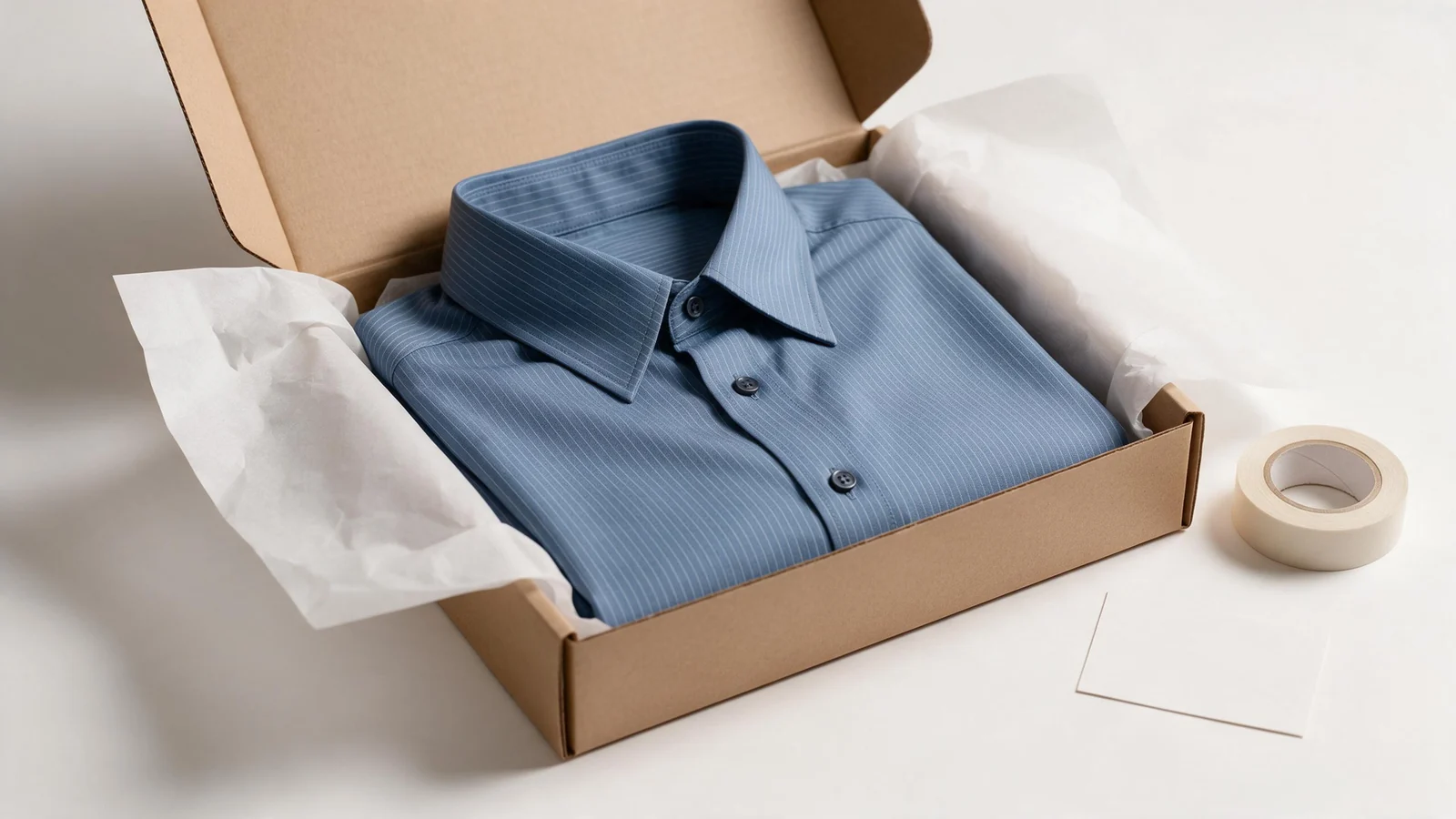
For wholesale, check whether a buyer can specify the style, color, size and quantity without ambiguity. Establish the selling unit, agreed assortment or ordering increments, delivery destination and required packing instructions. A carton containing several garments is not automatically a complete, correctly allocated retailer order.

The first wholesale line-sheet guide helps turn that offer into a clear buying conversation. Keep price, quantity and payment terms separate: a buyer may want an assortment or timing that your available stock cannot support, even when the total quantity looks manageable.
GoVoloom's current manufacturing MOQ is 100 pieces. That concerns your manufacturing purchase; it does not set a consumer purchase minimum or automatically define your brand's wholesale minimum. Confirm production allocation in the quote and define retailer terms from what your brand can actually supply.
5. Protect the stock shared between channels
If you test both channels, reserve stock in one variant-level record before promising it twice. Keep a common SKU identity across the shop, wholesale requests and stock ledger, with distinct fields for available, committed and held quantities.
For example, suppose a hypothetical SKU has 12 inspected, sellable garments. Four are committed to a retailer and two to paid DTC orders. Six remain available before any additional hold. Publishing all 12 as available online would ignore commitments already made. This is an allocation example, not a recommended quantity or a record of actual stock.
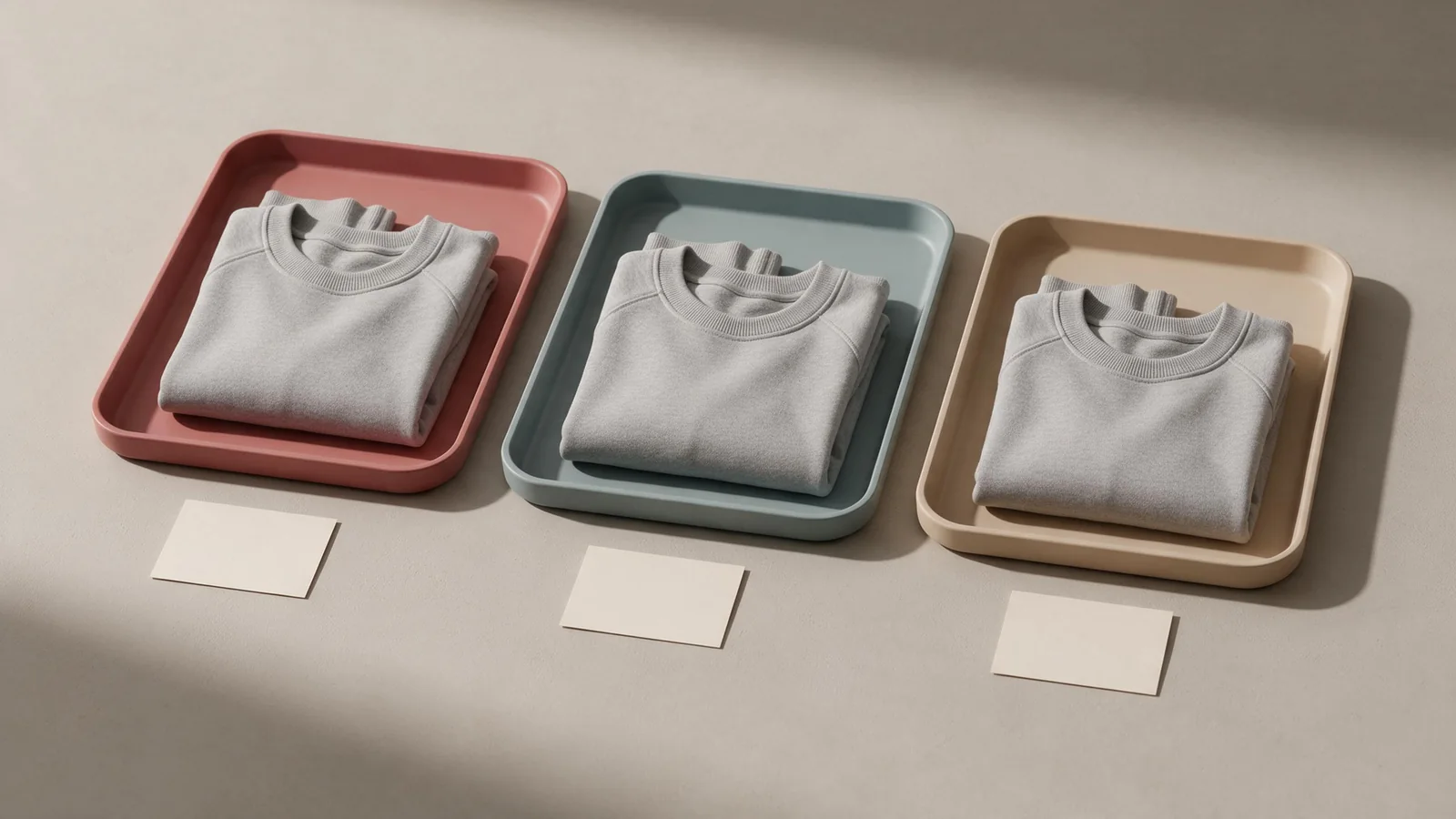
Define when a quote becomes a reservation, who can release it and when availability is updated. A retailer's tentative inquiry should not become an indefinite hold by accident. Returned items need their own review before moving back into the available pool. Use the existing sellable-stock method to reconcile physical pieces, status and commitments.
Also compare the offers buyers will see: included delivery, packs, services and planned promotions. A lower price may cover a different scope. Keep the distinction clear and review any retailer agreement before promising exclusive products or territories.
6. Choose a limited next step and a review date
Start with a defined scope you can evaluate, and expand only after the missing evidence is resolved. Use this decision table after filling in the buyer, cost, cash and operating notes.
| Action | Conditions to establish first | Next check |
|---|---|---|
| DTC first | A reachable audience, supportable consumer offer, cost model and individual-order process | Actual selling costs, kept sales, customer questions and cash remaining |
| Wholesale first | Relevant buyer interest, viable agreed terms, fundable payment timing and deliverable assortment | Accepted orders, fulfillment accuracy, payment received and account concentration |
| Limited hybrid | Both offers are supportable and shared stock commitments can be controlled | Separate channel results and conflicting stock or delivery promises |
| Hold or revise | A critical buyer, price, cash or supply assumption remains unsupported | The specific research, quote or product confirmation needed to proceed |
Write down the selected range, channel, spending limit, stock allocation, responsible person and review date. Compare results over a stated period, allowing for payment and return timing. An early sale is useful evidence; it does not establish repeat demand or justify expanding every style.
If the channel plan exposes an unresolved garment cost or assortment requirement, update your product-development brief and ask GoVoloom to review that manufacturing scope. Resolve the production question before turning it into a promise to shoppers or retail buyers.
