
Adult Clothing · Starting a Brand
Ready Stock or Preorders for Your First Clothing Drop?
Choose ready stock when you can fund and verify the garments before selling; consider preorders only when you can support the stated shipping plan and manage changes, cancellations and refunds. If the product or delivery basis is still uncertain, collect requests for updates without accepting orders. Make this decision for each item, rather than giving the whole first collection one release status.
For a new adult clothing or streetwear brand, the choice changes when cash leaves the business, when an obligation to a customer begins and how much uncertainty the customer is being asked to accept. It does not remove the cost of developing and making the clothes. This guide helps you choose the next action; use the private label manufacturing guide for the production agreement behind it.
1. Separate inventory, orders and requests for updates
Ready stock means the garments you offer are already available to fulfill from your selling inventory. Confirm the actual sellable quantity by variant, not just a factory's production count. Items awaiting inspection, held for another purpose or still in transit should not quietly appear as immediately available stock.
Before setting the ready-stock quantity, use the clothing stock-count worksheet to reconcile the physical count, existing order commitments, holds and channel allocations for each variant.

A preorder accepts an order before the product is available for the stated fulfillment. Specify what happens at checkout and afterward. Shopify's official documentation notes that preorders may collect full, partial or no payment at the time of ordering, depending on the setup. Therefore, “no money taken today” does not by itself mean “only a mailing list.” Review the actual commitment created by the offer and checkout.
An updates-only form is different: someone asks to hear when the product is ready, without placing an order or reserving a guaranteed unit. State that distinction in the wording. Use the brand-idea validation guide to interpret those responses as interest under a particular offer, rather than confirmed production demand.
| Action | What must be clear | Main tradeoff |
|---|---|---|
| Sell ready stock | Sellable variants and quantities, dispatch arrangements and the customer offer | You fund inventory before knowing which units will sell; unsold colors or sizes tie up cash |
| Accept preorders | Product version, order and payment terms, supported shipping plan and a process for changes or cancellation | Earlier orders bring fulfillment and customer-service responsibilities before the goods are ready |
| Collect updates only | No order or guaranteed allocation, what updates people request and how the next step will be announced | Less commitment from both sides, but signups do not provide confirmed sales or production funding |
2. Check the product and its dependencies before choosing a date
Start with the specific version you intend to sell. Is the fit approved? Are the material and decoration decisions resolved? Is the quantity split feasible? Which approvals, payments or deliveries must happen before work can move forward? Put each open item beside its owner and the evidence needed to close it.
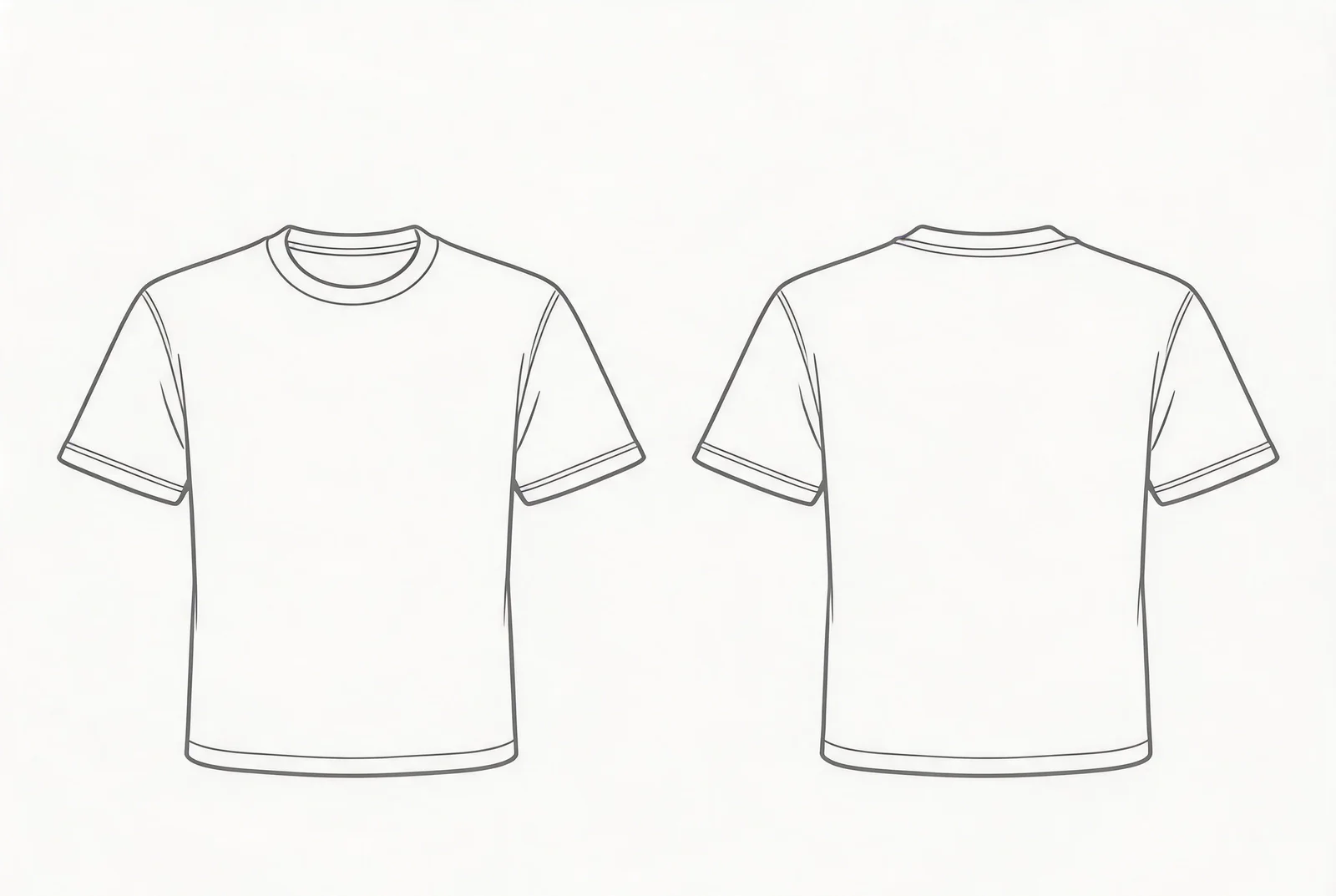
A drawing can make an idea understandable while the pattern, fabric and production route remain open. If the first physical sample still needs to answer basic fit or construction questions, it is difficult to build a dependable shipping plan from the drawing alone. An updates-only preview lets you explain the development stage while those questions are being resolved.
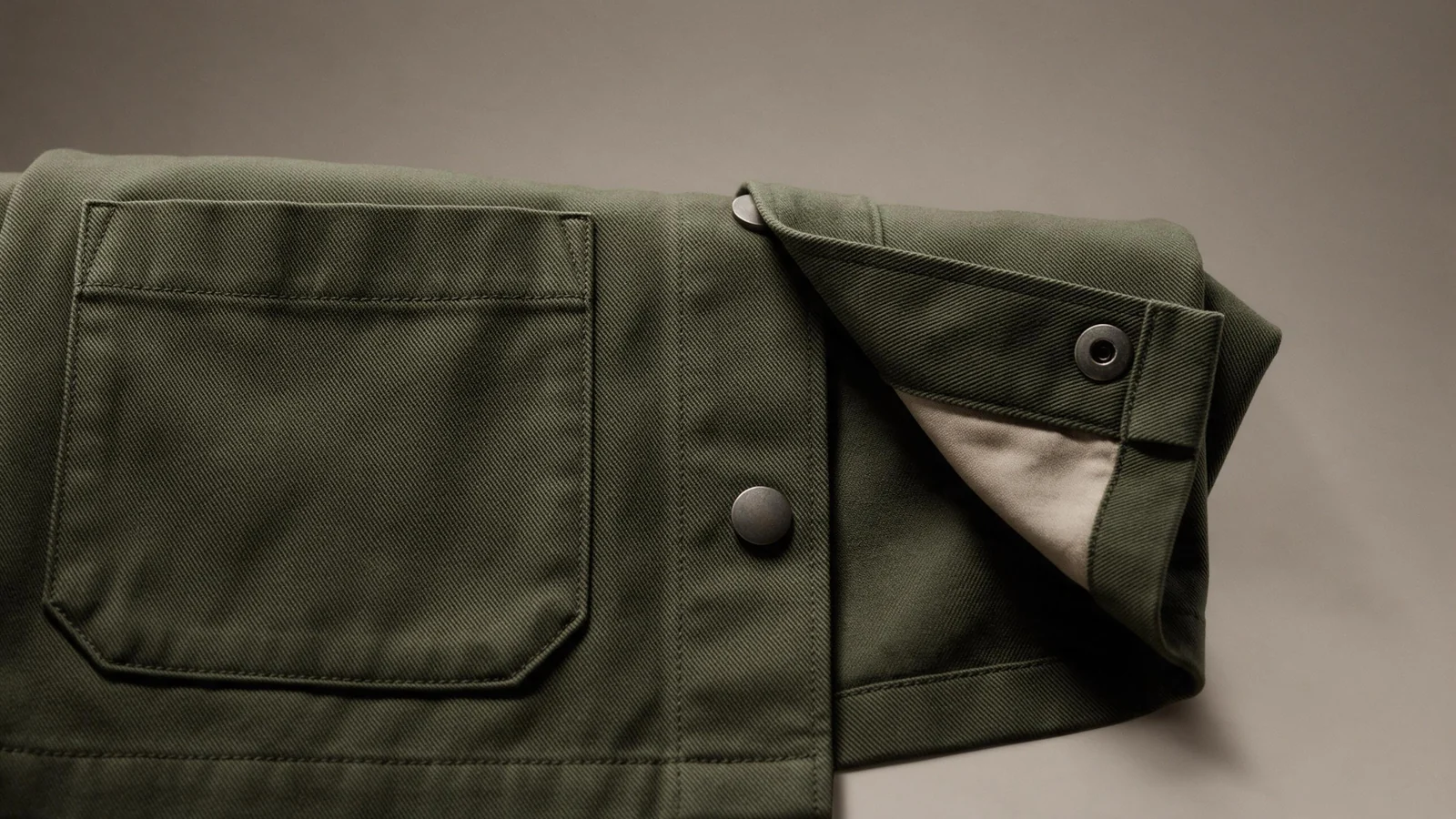
Even a convincing sample detail does not establish that bulk fabric, trims, production capacity or packing are ready. Ask for the status of each dependency and the remaining steps. Use the manufacturing timeline guide to separate stages; do not turn a general lead-time range into your brand's promised dispatch date.
Distinguish production completion, goods ready for handover, carrier collection and customer delivery. An international shipment adds its own transport and import dependencies. Work backward from the consumer offer using confirmed information, and revise the plan when an input changes. Adding an arbitrary cushion to an unsupported estimate does not create supporting evidence.
3. Compare the cash requirement and the obligations together
For ready stock, list the cash needed before the first sale: development, production, incoming delivery and the other costs that actually apply. Then look at the colors and sizes that could remain unsold. A smaller, clearly defined first release may be more manageable than funding every proposed variation at once.
For preorders, map when customer funds may become available against supplier payments, fulfillment costs and potential refunds. Do not assume all money collected is available to spend immediately. Payment availability depends on the provider and account circumstances, and canceled or delayed orders still need an operational response. Check those terms before relying on receipts to fund the next production stage.
Use the retail-price and cash planning guide to keep expected revenue, contribution and cash timing separate. Write a downside case: fewer orders arrive, a component is delayed or some customers cancel. Identify which commitments you could still meet with the cash available. There is no universal safe preorder deposit or minimum order count for every new brand.
Keep the garment supplier's order terms separate from the terms you offer consumers. A supplier deposit, minimum production quantity or refund arrangement does not automatically become your customer's policy. If the release only works when every expected order arrives and nobody cancels, revisit the scope or wait before opening orders.
4. Build a supported shipping promise and a delay process
For a U.S. example, the FTC's Mail, Internet, or Telephone Order Merchandise Rule requires a reasonable basis for the advertised shipping timeframe; its summary specifies 30 days when no timeframe is stated. When a seller cannot ship as promised, the FTC summary requires the buyer's consent to a shipping delay or a refund for the unshipped merchandise. Treat this as a rule to check for the actual offer, not permission to use an untested 30-day production estimate.
The summary is not a complete cancellation or refund policy for every product and market. Check the applicable requirements for your business and customers before launching. A label saying “preorder,” an estimated date or a supplier's schedule does not by itself settle your obligations.
Prepare the process while the plan is still on time. Record who monitors the promised date, who investigates a new delay, what evidence supports any revised date and how cancellation or refund requests will be handled. Have the appropriate customer notice reviewed against the rules that apply. Sending a routine progress update is not a substitute for any required delay consent or remedy.

Packing is a separate step from carrier handover. Keep those states distinct in the order record and customer wording. Do not mark an order “shipped” merely because a box or shipping label exists. Confirm the evidence used for each status with whoever handles fulfillment.
5. Release each item when its own conditions are met
You do not have to force all proposed products into the same launch method. One item may have checked inventory and a workable dispatch process, while another still needs a material decision. Let the first use the supported selling offer and keep the second as an accurately described updates-only preview. A shared collection name does not make the two readiness levels equal.
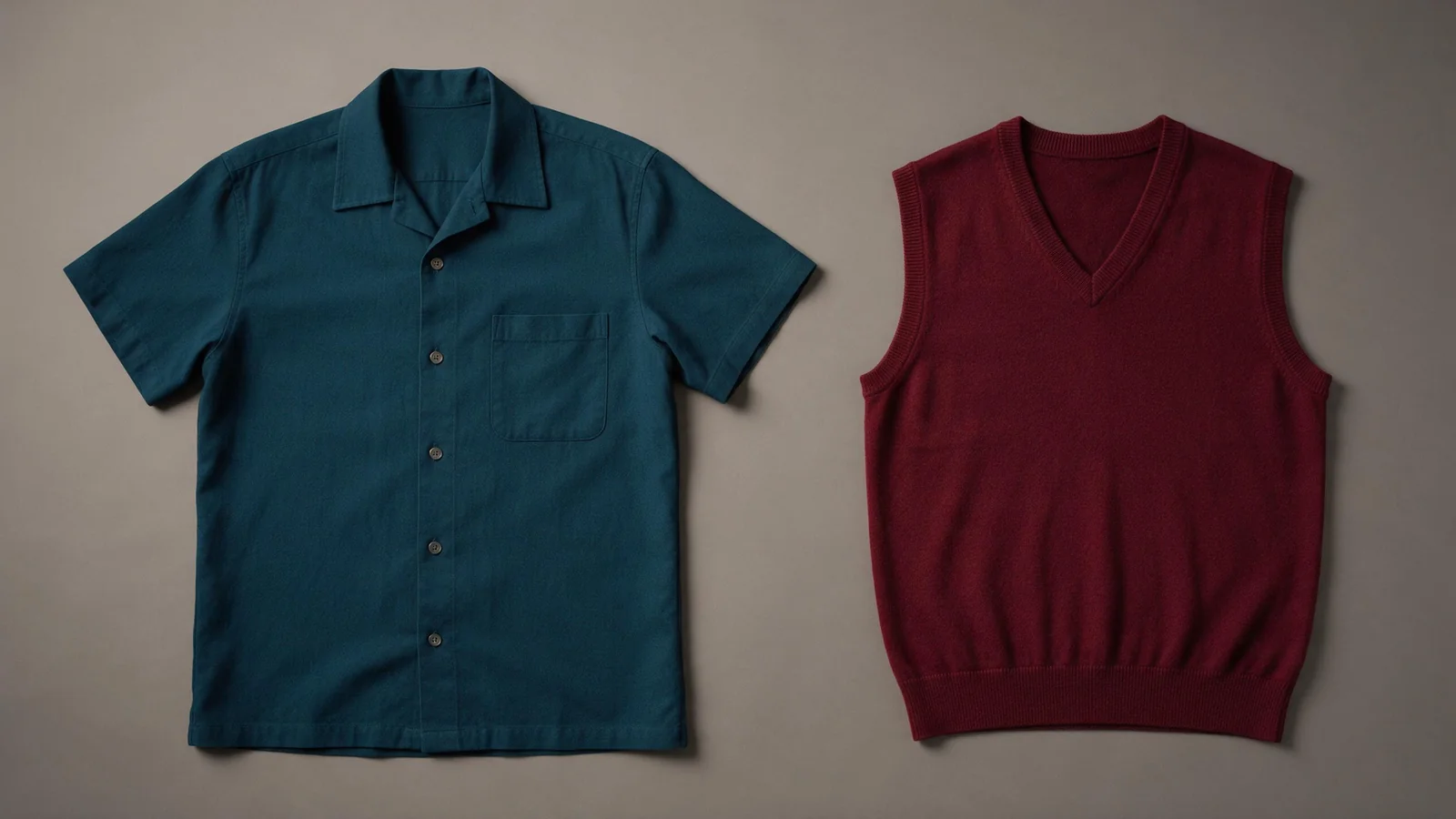
Hypothetical decision: imagine that a shirt's sellable units are checked, but a second top is still awaiting its final fabric. The shirt can be assessed for a ready-stock release. The second top needs its open dependency resolved before anyone can justify its shipping plan. Interest in the shirt does not prove demand or readiness for the top. This is an editorial example, not a GoVoloom stock or customer record.
Copy one short release record per item: product identifier and version; variants offered; ready stock, preorder or updates-only status; amount and timing of any payment; evidence supporting dispatch wording; unresolved dependencies; change/cancellation handling; decision owner; and date reviewed. Write “hold” where a necessary condition is still open rather than filling the field with an optimistic assumption.
Set a review point that corresponds to a real event, such as sample approval or confirmed receipt of materials. Revisit the release after that event. A date arriving on the calendar does not prove the dependency has been resolved.
6. Check the offer wherever the buyer sees it
Compare the product page, variant selection, cart, checkout and confirmation in the storefront's preview or test environment. Do they agree on product status, price, payment timing and shipping wording? If a cart mixes ready-stock and preorder items, make the fulfillment arrangement clear instead of letting the customer infer it. Verify the actual platform behavior without making an unplanned real payment.
Use the first product-page launch checklist to confirm images, sizes, materials and selling terms for the version on offer. A preorder application enables a purchase flow; installing one does not establish product readiness or resolve legal requirements. This article does not require changing your storefront or taking payments today.
If a missing answer belongs to garment development, send GoVoloom your product brief and the unresolved production questions. Ask for the approvals, material status and order-specific schedule needed to evaluate the plan. Keep the consumer offer and its fulfillment responsibilities in your brand's own release record.
Questions before choosing the next step
Is a preorder with no upfront payment the same as an updates list?
No. A preorder can create an order even when payment is collected later. An updates-only signup requests information without an order or guaranteed allocation. Check the actual wording and checkout behavior rather than classifying the offer by payment timing alone.
Does a finished sample mean I can promise a shipping date?
A sample supports the features it actually demonstrates. Check bulk materials, approvals, production and fulfillment dependencies separately before making a shipping promise. A sample photograph does not establish those dates.
Should every item in the first drop use the same launch method?
Assess each item independently. Checked stock, a supported preorder plan and an early concept have different evidence requirements. Hold or collect updates for an unresolved item while reviewing a ready item for its own release.
Source notes: the U.S. shipping example follows the FTC's current summary of 16 CFR Part 435. Shopify Help Center documentation informs the distinction between preorders and payment timing. Sources checked October 23, 2026. The comparison and release record are editorial planning methods, not sales forecasts, completed order records or a global policy template.
