
Adult Clothing · Starting a Brand
How to Validate a Clothing Brand Idea Before Paying for Samples
Validate the next development decision by checking whether a specific product idea deserves the cost of a sample. Low-cost research can help you clarify the intended wearer, their current alternatives and the questions worth investigating. It cannot prove future sales, physical fit or production feasibility.
The useful result is a decision: develop a sample to answer a named question, revise the idea and investigate again, or pause it. A collection of compliments does not tell you which of those steps to take. This guide focuses on that early decision; our guide to starting a clothing brand covers the wider process.
1. Define the decision before collecting feedback
Write down what you need to learn before deciding whether to spend on development. Start with a specific garment and use: who might wear it, when, what they use instead and the price you intend to explore. “A streetwear brand for everyone” leaves too many different ideas open.
To organise the alternatives for that buying occasion, use the clothing competitor comparison guide to record dated product evidence, separate unknowns and form your own design questions.
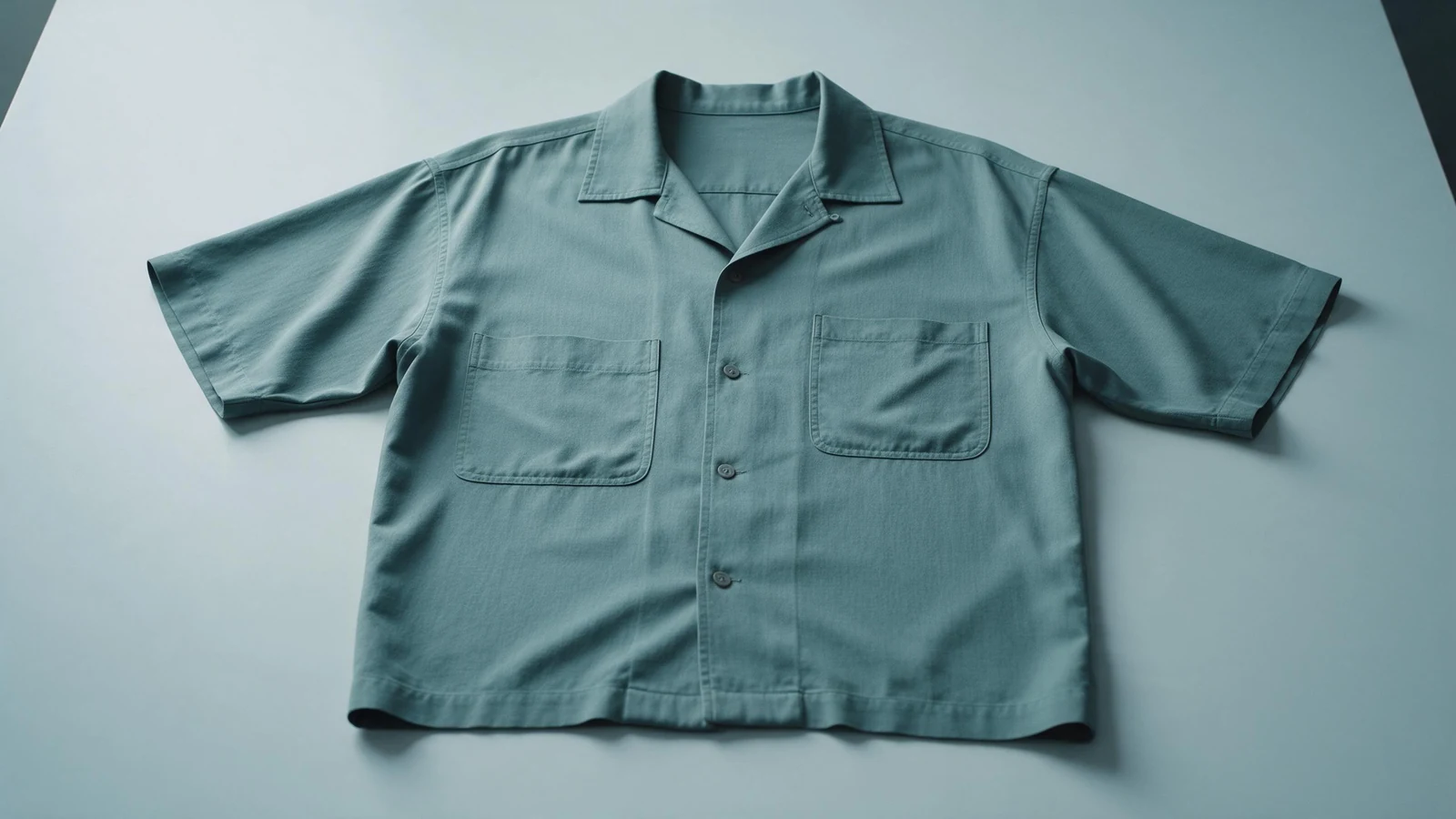
An adult short-sleeve shirt, for example, could be intended for people who want a relaxed top for casual evenings. The uncertainty might be whether they actually want an open collar rather than another T-shirt. Another idea might depend on a pocket being convenient in use. Those questions require different evidence.
Make a short research card with five fields: intended wearer, wearing occasion, current alternative, proposed product and question to resolve. Add the price assumption and what would make you reconsider. Treat the card as a hypothesis you can change.
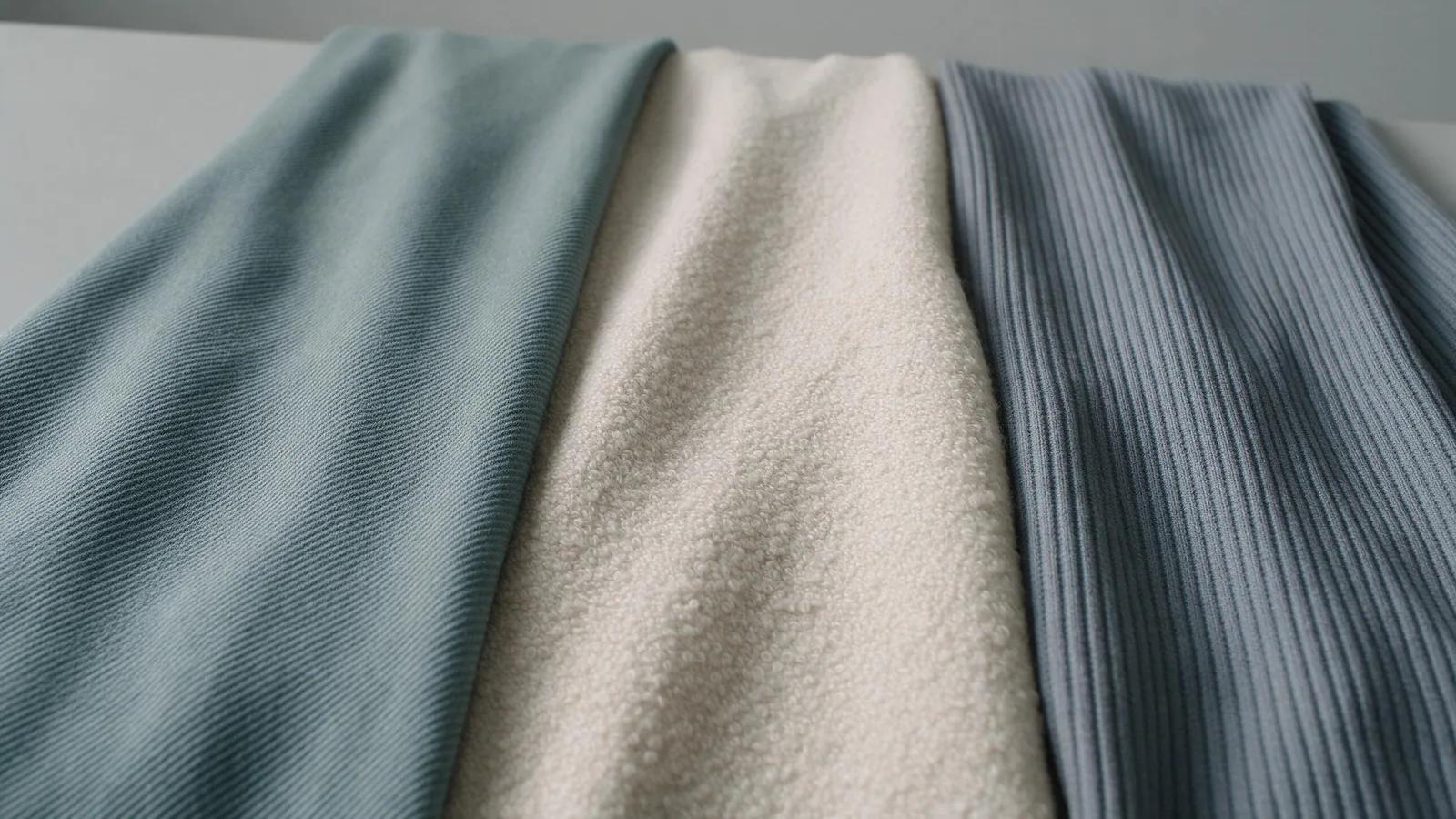
Choose the riskiest unresolved assumption first. If you cannot explain who would use the garment, more trim options will not resolve that gap. If the use is clear but the fabric's feel is central, a drawing cannot answer the remaining question; a material reference or sample may be the appropriate next step.
2. Speak to people with a relevant buying context
Look for people whose clothing choices relate to the product you are considering. Age and location alone do not explain why someone chooses a particular garment. A useful participant might have recently bought, returned or deliberately decided against the type of clothing you want to develop.
Ask how they fit the intended use before showing your design. Record the context without building an unnecessary personal profile: the garment type they considered, the occasion and the alternative they chose. Keep people with different needs separate when interpreting their answers.
Friends can help you notice an unclear description, but their encouragement should not stand in for relevant customer evidence. Likewise, people who follow your visual content may enjoy the style without shopping in the price range or product category you are considering.
Recruitment affects what you can conclude. Feedback from one community or your existing followers describes that group. Keep the recruitment source beside the notes, and look for missing perspectives before treating a pattern as broadly relevant. There is no need to claim you have validated a whole market to make a limited next-step decision.
3. Start with a recent clothing purchase
Ask about what someone actually did before asking them to judge your idea. Recent, concrete examples help reveal the choices and compromises behind an answer. Open questions also give the person room to raise an issue you did not anticipate.
Adapt prompts such as these to the product:
- What was the last similar garment you considered buying?
- Where did you expect to wear it, and what did you compare it with?
- What helped you choose it, or made you leave it behind?
- After wearing it, what worked and what annoyed you?
- What did you pay, and was that the listed price or a discount?
These are suggested interview prompts, not quotations from GoVoloom customers. Follow an interesting answer with a request for an example. If someone says a shirt felt “too formal,” find out whether they mean the collar, the fabric, the fit or the setting where they wore it.
Keep the observation separate from your interpretation. “They returned a shirt because its collar felt uncomfortable” records a reported experience. “Everyone wants a softer collar” is an unsupported generalization. Confirm that you understood the issue before turning it into a product requirement.
Explain the purpose of the conversation and obtain permission before recording it. A concise, anonymized note may be sufficient; you do not need to collect private purchase documents to learn which alternatives someone considered.
4. Show a product idea people can assess
Give people enough consistent information to understand the proposal and its limits. A striking front image alone leaves the back, material, fit and price open to imagination. Two people may praise the same picture while imagining very different garments.
Prepare a simple product card with the available views, intended use, proposed fit, material direction and target selling price. Mark undecided details as undecided. The target price is a research assumption, not a manufacturing quote or a promise that the product can be delivered at that price.
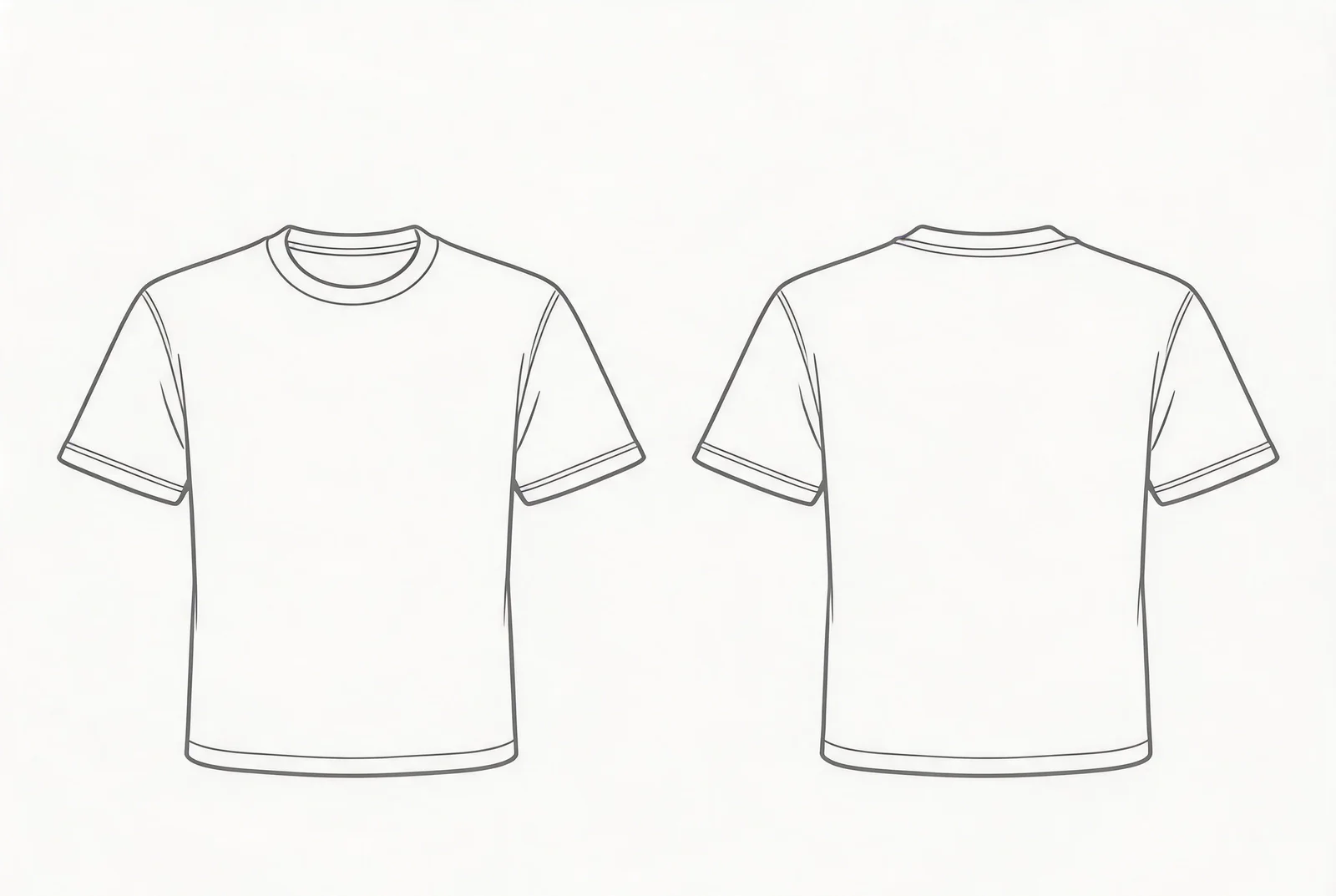
Ask what the person understands the product to be, when they might use it and which current alternative it would have to compete with. Keep “I understand it,” “I prefer it” and “I would consider it at this price” as separate responses. None records a completed purchase.
If you compare options, make the difference clear and keep the presentation reasonably comparable. Similar framing, image quality and supporting information help you discuss the garment choice. If both silhouette and price change, record both; you cannot confidently attribute the response to silhouette alone.
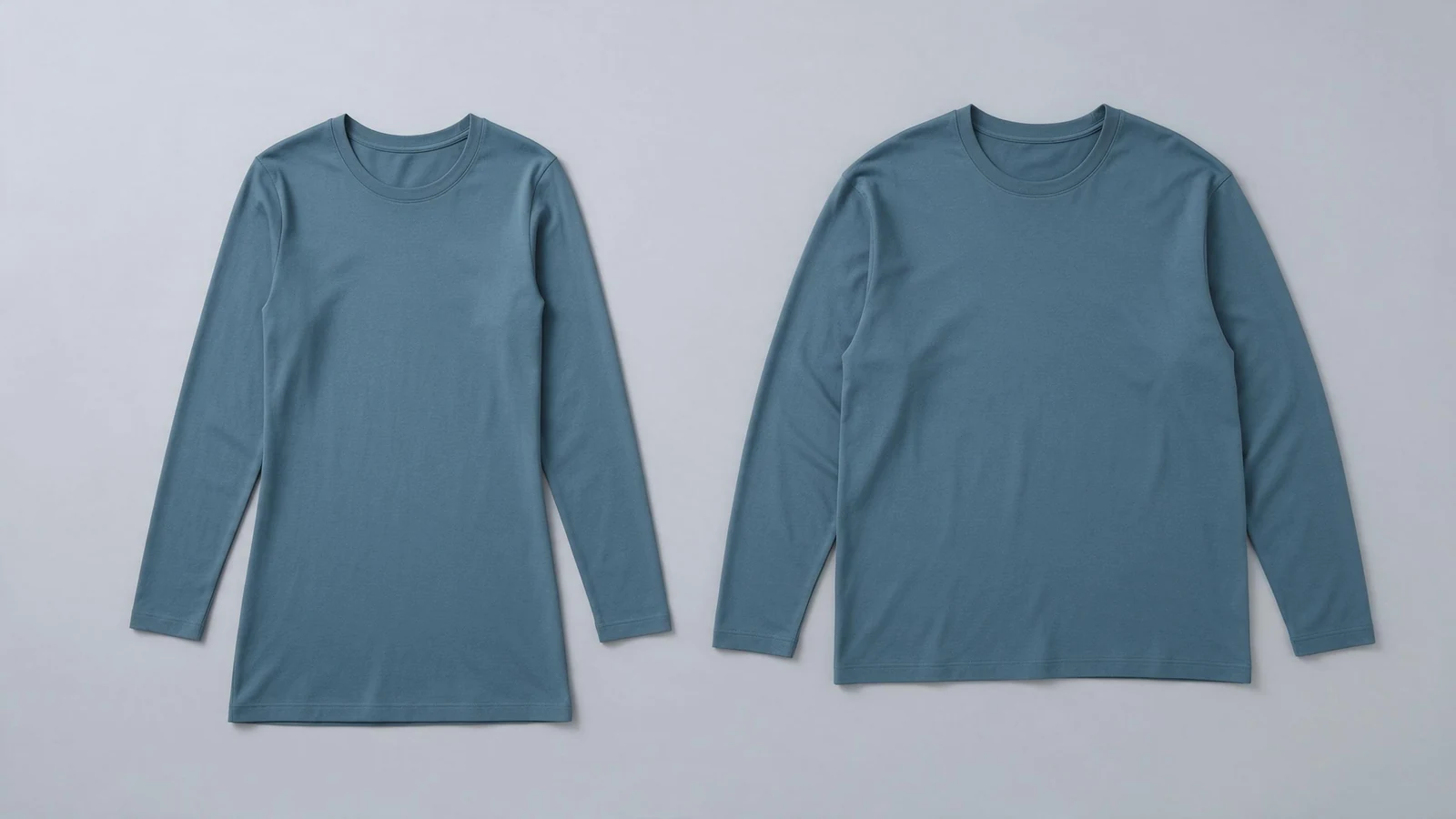
Leave room for “neither” and ask for the reason. Someone choosing the less disliked option has not necessarily found a product they want. Avoid improving one option's description halfway through a session and then combining those responses with answers to the earlier version.
Pictures can support discussion of appearance. They do not establish how a garment feels, fits or works in daily use. When the objection concerns one of those physical properties, put it on the sample question list instead of treating a more polished image as the answer.
5. Separate the signals in an evidence record
Record what happened, what it can tell you and what remains unknown. The following categories are different observations, not a scoring formula. Their meaning depends on who participated, what information they saw and what action they took.
| Observation | Useful information | What it does not establish |
|---|---|---|
| A compliment or like | An aspect of the presentation attracted a positive response | A buying decision, price acceptance or order quantity |
| A specific past purchase or return | A relevant alternative, context or problem to investigate | Demand for your proposed solution |
| A preference after seeing the product and target price | A stated choice under the information shown | A future purchase or confirmed fit |
| An opt-in request for a sample preview or launch update | A person took that particular follow-up action | A paid order or a reliable conversion rate |
| A completed purchase, if one later occurs | A transaction under its actual product and selling conditions | Demand for every future design, size or price |
Use a small log: participant code, recruitment source, product-card version, observation, unresolved issue and next action. Count people separately from actions so one person who comments and signs up does not become two potential customers.
If you use a landing page, state accurately whether the garment is available, in development or only being explored. Make the button match the action: a request for updates should not look like an order confirmation. Keep the traffic source, period, offer and eligible visitors beside any signup rate you calculate.
There is no universal signup percentage in this guide that makes a clothing concept ready for production. Rates from different audiences and offers are not automatically comparable. This early research can be done without taking payment; keep any later sales activity separate from the feedback exercise.
6. Decide whether to sample, revise or pause
Choose the next step according to the unresolved risk and the cost of learning more. Before paying, state what the sample will help you learn, how you will review it and what spending you can afford to risk. Research is useful when it changes this decision.
Here are hypothetical decision examples. They are not reports of a customer study or recommended pass thresholds.
| What your research might show | Appropriate next step to consider | Question that remains |
|---|---|---|
| Relevant wearers describe a clear use, but comfort depends on the collar and fabric | Discuss a limited sample or material review | Does the physical garment meet that use? |
| People like the image but misunderstand the garment or reject the intended price context | Revise the product card or the proposition, then investigate again | Is the revised offer understood and relevant? |
| Interest comes mainly from people outside the intended wearer group | Improve recruitment before committing to development | Does the intended audience share the interest? |
| The reason to choose this product stays unclear, or the learning cost is unaffordable | Pause the idea and document why | What new information would justify reopening it? |
A sample may be worthwhile because the next question is physical, even when demand remains uncertain. That is a bounded learning expense, not a production decision. Conversely, a clear-looking design is not a reason to pay for several versions when the intended use is still unsettled.
Record opposing feedback as well as supportive comments. A repeated objection might suggest a design change, a different wearer group or a reason to stop. A small set of conversations cannot tell you how many people in a wider market share that objection.
If you decide to proceed, keep the first development scope narrow enough to answer the question. The first collection planning guide can then help organize the wider range without assuming every discussed option must launch.
7. Give the first sample a clear job
Turn the unresolved physical question into a brief that a manufacturer can review. Include the intended wearer and use, available front and back views, a reference size, fit direction, material requirements and the decisions still open. Separate requested features from details already agreed.
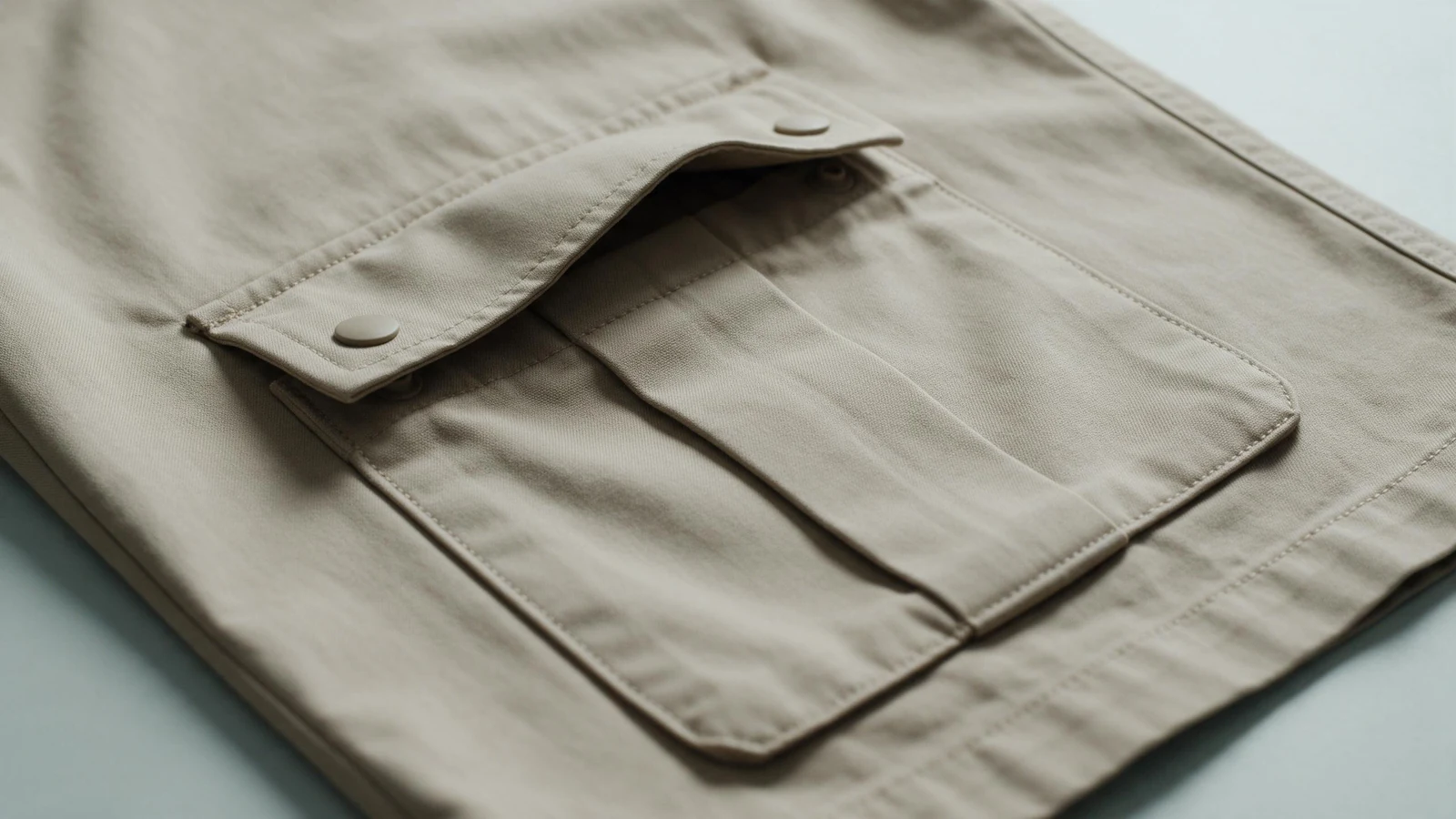
For a hypothetical overshirt, the question could be whether a flap pocket is easy to use without pulling the front out of shape. The brief would identify the pocket location and intended contents, then specify what you want to observe on the sample. A close image can show the construction idea; it cannot approve access, capacity or durability.
Agree what development work will be done and what the fee covers before authorizing it. Sample quantity, materials, revisions, delivery and any later production arrangements need their own written scope. The sample development reference explains which inclusions to clarify.
Use the project brief and worksheets to keep references, unknowns and review notes together. Once a physical sample exists, follow the sample review guide for the relevant checks. Positive concept feedback does not replace sample approval, and sample approval does not establish sales demand.
Questions before paying for a sample
Can I research an idea without an existing audience?
Yes. Define the relevant wearer and buying context, then find participants who fit it. Record how you found them and the gaps in that group. An existing following is one recruitment source, not a requirement or proof of demand.
How many interviews are enough?
There is no universal number for this decision. Consider which wearer groups are represented, whether the important uncertainty is clearer and what remains unresolved. A small qualitative study can guide the next question; it should not be reported as a market-wide sales estimate.
Does a waitlist mean I should order samples?
A waitlist records requests for updates under a particular offer. Review who joined, what they saw and whether a sample can answer the next important question within your budget. Signups alone do not determine sample scope or production quantity.
Research basis: this guide adapts general market-research and product-development methods from the U.S. Small Business Administration, Australian Government business.gov.au and the GOV.UK Service Manual. The clothing examples and decision tables are editorial illustrations; these sources do not provide a clothing-launch conversion benchmark.
Discuss the next development step
Bring the product idea, intended wearer, available references and the question your first sample needs to answer. Discuss your clothing development brief with GoVoloom so scope, costs and timing can be reviewed for the project.
