
Adult Clothing · Starting a Brand
First Clothing Collection: How to Plan Styles, Colors and Sizes
Plan your first clothing collection by listing the combinations customers can actually buy, then checking whether you can develop and fund each one. Colors and sizes can turn a short style list into a large inventory commitment. Decide what each product contributes, choose the size range your intended customers need, and assign quantities only after those choices are visible together.
The useful output is a collection matrix: a table showing what launches, in which colors and sizes, with quantities and unresolved decisions attached. There is no fixed best number of styles. For the wider process, start with our guide to starting a clothing brand.
1. Give each style a reason to exist
Keep a style when it adds something the intended customer can explain and use. Write a simple collection brief before choosing a garment count: who it is for, when they would wear it, the fit they want and the price range you intend to test.
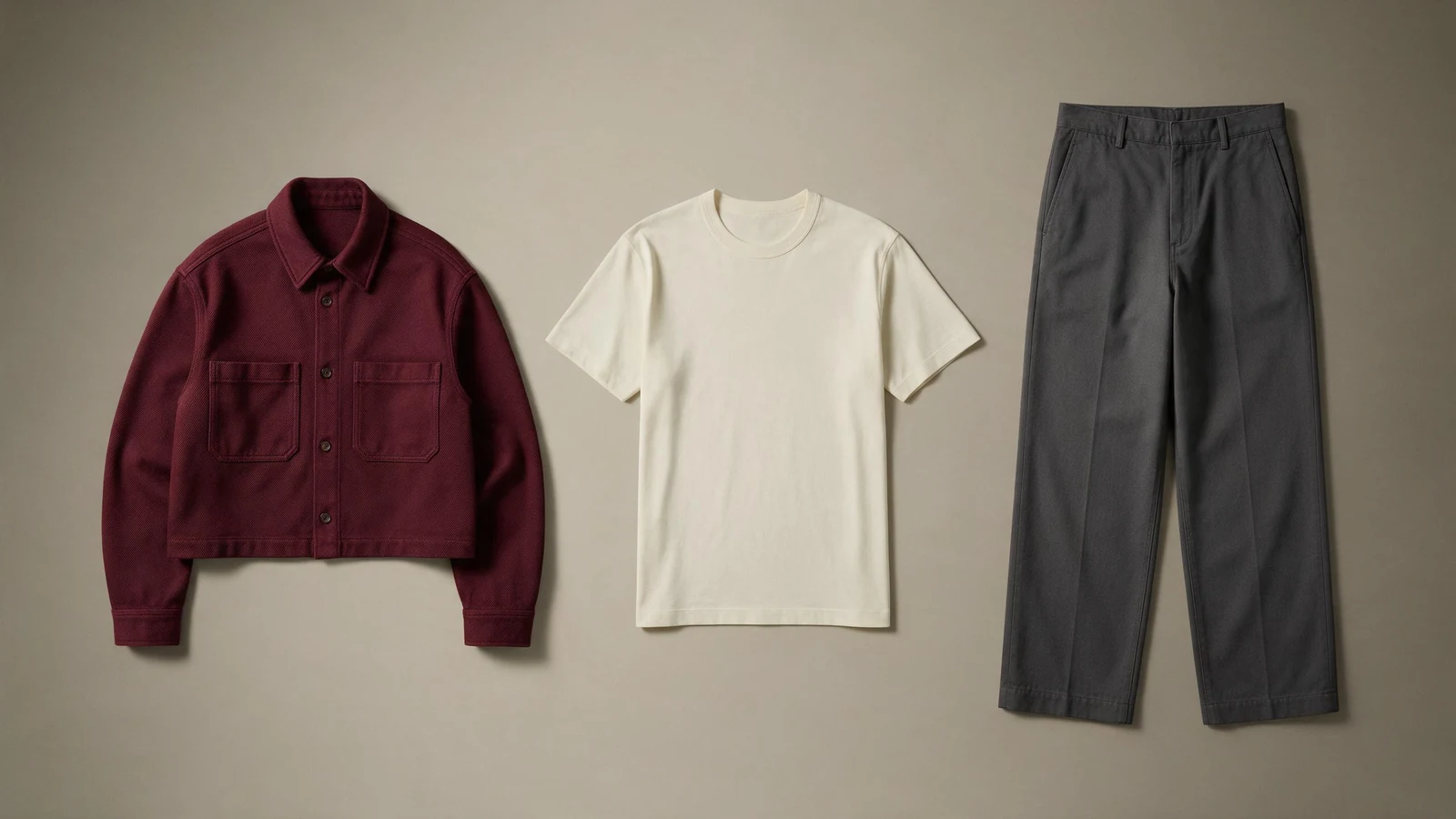
For an adult casual collection, an overshirt might carry the main silhouette, a T-shirt might sit underneath it, and trousers might complete the outfit. These are possible roles, not a required three-piece formula. A brand built around one distinctive T-shirt fit may have a different first offer.
Ask what would be lost if each proposed style disappeared. If two tops serve the same wearer, occasion and fit preference, identify a reason to develop both. Put an uncertain style on a later list instead of spending on it simply because the collection looks fuller.
Our Parke, Dandy and Sunday Cherries comparison explores how a focused product offer can connect with a distinct audience. Use the examples to question each style’s role in your own collection, then check the assumptions with your intended customers.
2. Count the combinations you will actually sell
Count sellable variants separately from styles and total garments. A style is the underlying product design. A variant is a particular option customers can buy, such as an ink T-shirt in size M. Give each stocked variant its own SKU so its quantity can be tracked.
Use the clothing SKU setup guide to give each launch variant a unique identifier and check that the same code follows it through product records, labels and orders.
For a fully populated range with the same options on every style, the calculation is:
Styles × colors per style × sizes per color = variant count.
That shortcut does not work when different styles have different colors or size ranges. Count the actual combinations row by row instead. If a color is only being considered, keep it outside the launch total. Include other independently stocked options, such as inseam lengths, if your range offers them.
Here is a hypothetical planning exercise, not a recommended collection or an accepted production order. Start with 4 styles, each offered in all 3 colors and all 4 sizes: 4 × 3 × 4 = 48 variants. A smaller launch could look like this:
| Style and role | Launch colors | Example size range | Launch variants | Quantity status |
|---|---|---|---|---|
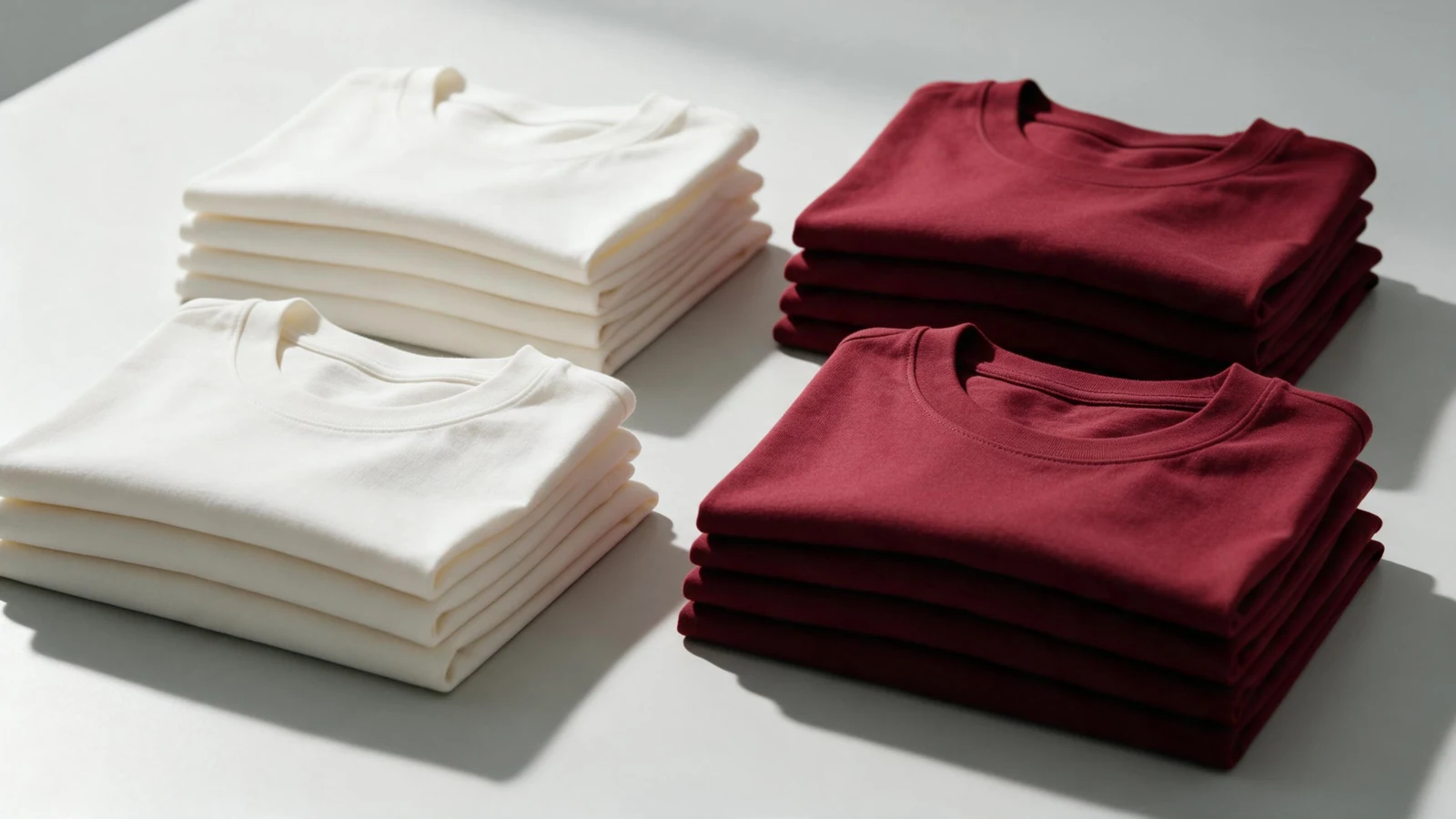
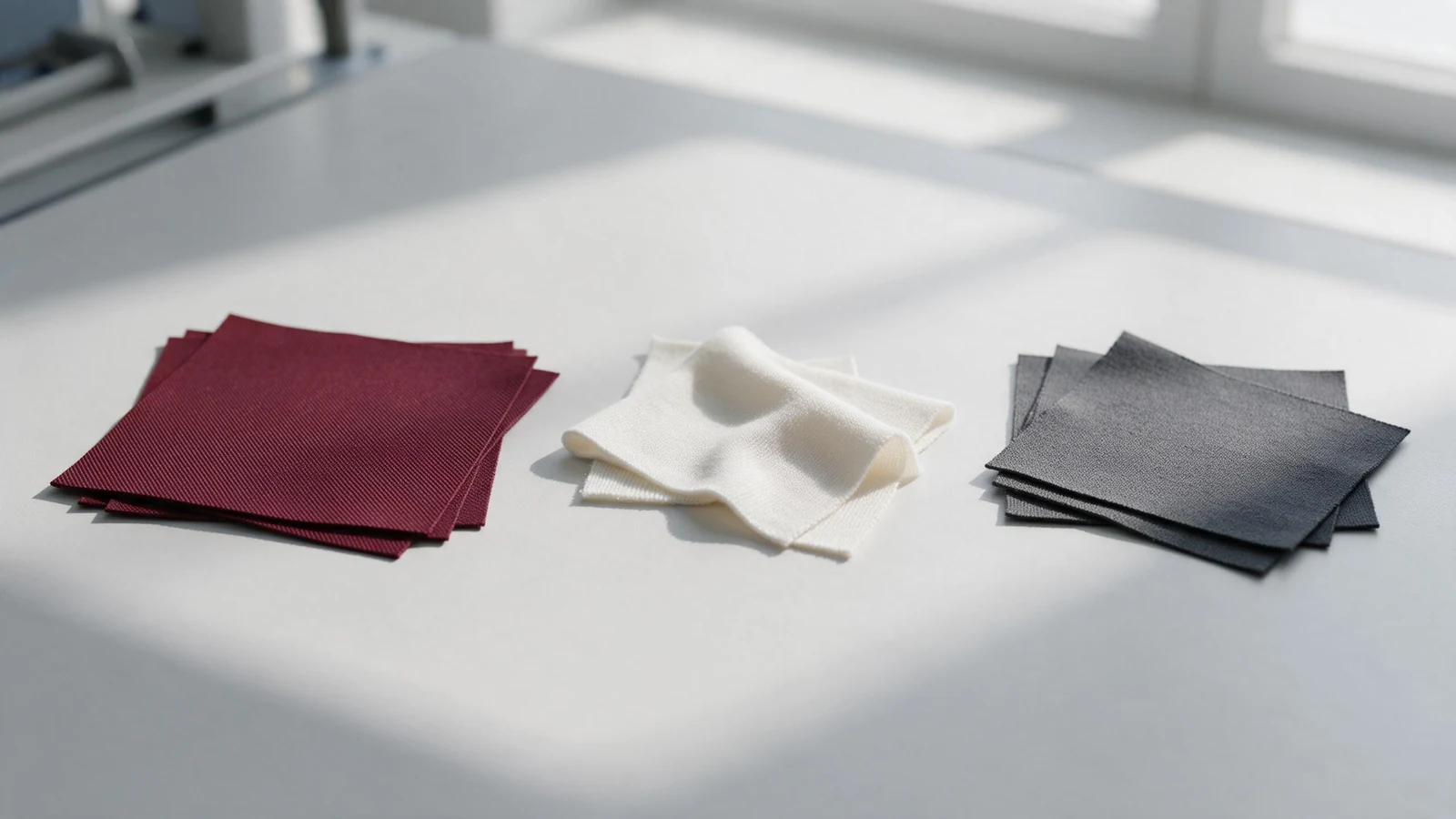
| T01 T-shirt: base layer | Chalk, ink | S, M, L, XL in both colors | 8 | Estimate each color total, then its size quantities |
| S01 Overshirt: main silhouette | Burgundy | S, M, L, XL | 4 | Confirm fit and demand assumptions |
| P01 Trousers: companion | Charcoal | S, M, L, XL | 4 | Review separately from the tops |
| H01 Hoodie: possible later addition | On hold | Not in launch scope | 0 | No launch stock assigned |
| Launch total | 16 | Units still to be decided |
The example labels and size range are placeholders for arithmetic, not a suggested fit system or size offering. The held hoodie is excluded from the launch total.
Now assume, purely for arithmetic, a fixed total of 240 garments. Across 48 variants that averages 5 garments per variant; across 16 it averages 15. Neither average tells you which sizes to buy. It shows how the same unit total becomes more thinly spread as options increase. It also says nothing about equal cost: an overshirt and a T-shirt need not have the same unit price.
3. Choose colors that earn their place
Give each color a customer reason, an outfit role or evidence strong enough to justify its inventory. The T-shirt might need a light and dark option, while one selected trouser color does the intended job.
Compare proposed colors on the actual product, alongside the intended selling price. Record whether a preference came from target-customer feedback, an order commitment or your own judgment. A popular color in a mood board does not establish how many finished garments people will buy.
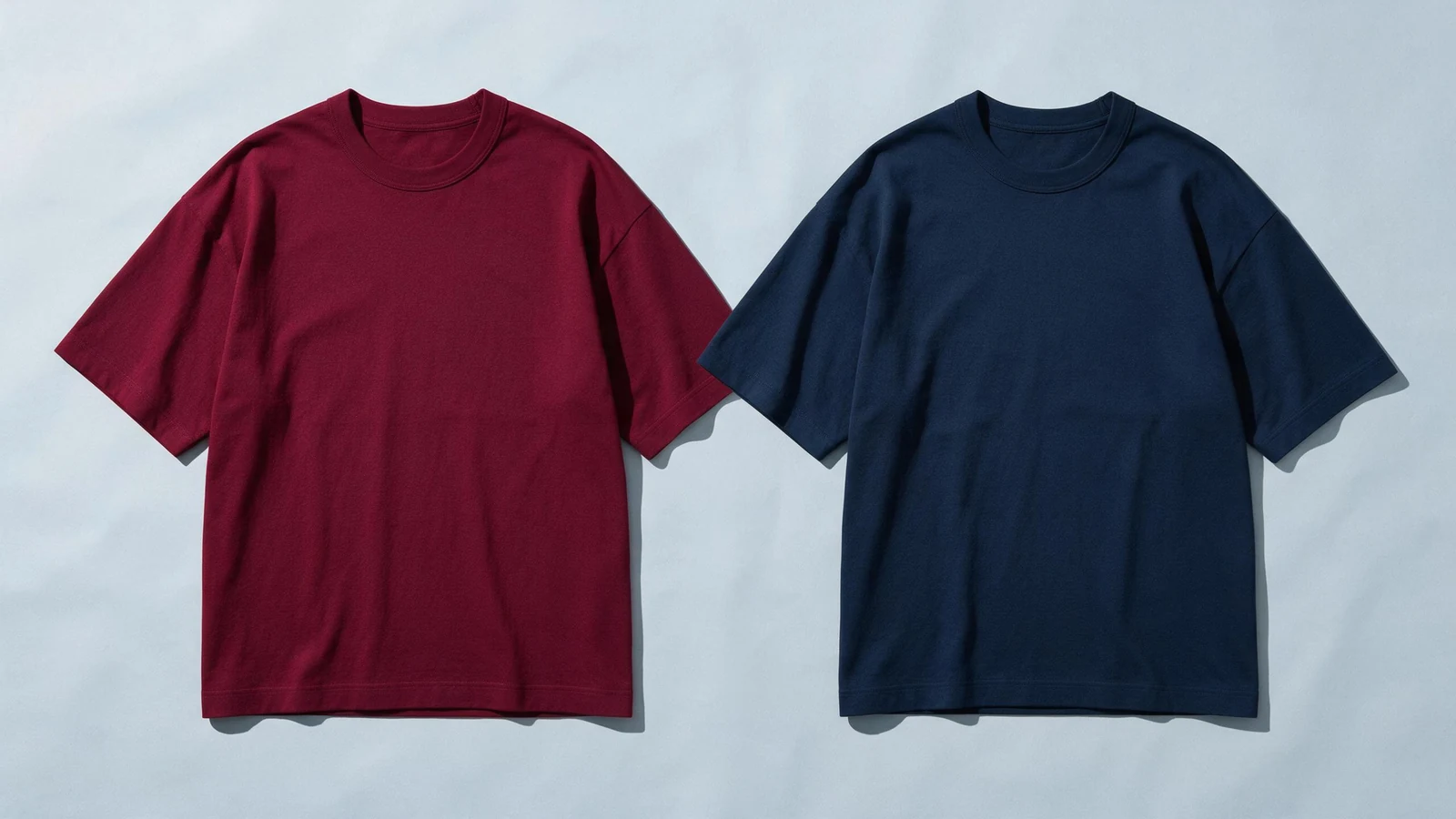
For each added color, ask whether it requires a different fabric source, color approval, matching trim or separate setup. Which charges would actually disappear if it were removed? Have those answers confirmed for the project; fewer colors do not automatically mean a particular saving.
If pieces are meant to match, say whether you want a close match or an intentional tonal contrast. A shared color name on different fabrics is not an approval standard. Review the physical materials together before describing the garments as a matching set.
4. Set the size range before dividing the units
Choose sizes for the intended wearer, then estimate demand for each style and color. Keep fit and inventory questions separate. Straight-leg and wide-leg trousers are different silhouettes; adding both is a style decision, not simply another size.
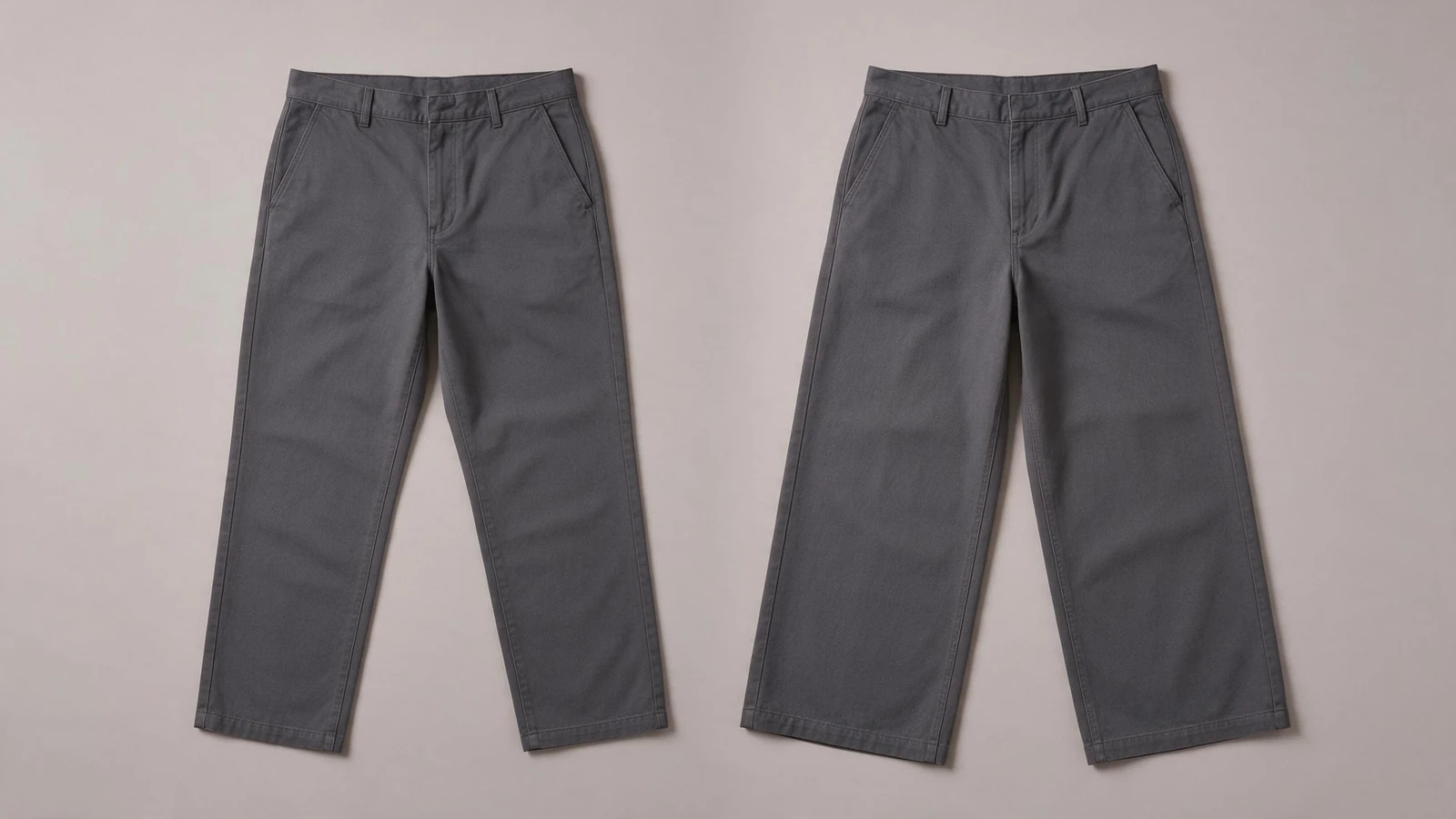
For each style, identify the reference size, intended fit and measurements that need confirmation. Use the size chart and grading guide to organize that work. A size label alone is not enough information for a manufacturer to establish your intended garment measurements.
Then turn each style–color row into a quantity sheet. Use these columns: style ID, color, size, planned units, evidence, confidence and next check. Leave an unknown quantity marked “TBD”; use zero only when you have deliberately decided not to stock that combination. Sum the size rows to check each color total, then sum the color totals to check the whole order.
Where you have relevant sales history, examine the same product type, market, fit and color context. For a first launch, show intended customers the product and price, collect size needs against the proposed chart, and note what remains uncertain. Fit feedback assesses the garment; neither it nor a stated preference guarantees a purchase.
An estimated size share can be converted into units by multiplying it by the planned style–color quantity. After rounding, check the total again. No universal size ratio belongs in this worksheet. Review trousers separately from tops, and do not copy a ratio from a different audience merely because the size labels match.
If cash is tight, reconsider an unproven extra color before automatically dropping sizes your intended customer needs. If a smaller size range is necessary, make that scope explicit and check whether the collection still serves the audience you chose.
5. Keep development cash separate from stock
Set aside development and other obligations before deciding how much cash is available for inventory. Each additional style may bring pattern, sample or other development work even if its planned order is small. Check which work is new, shared or already committed.
Consider a hypothetical budget of 100 abstract points, with no currency or implied quote. Assume 18 points are assigned to development, 22 to other launch obligations and 10 held in reserve. That leaves 50 for inventory. If another style adds 6 development points while the other entries stay fixed, only 44 remain for inventory.
Those figures are invented solely to show subtraction, not recommended budget percentages. Replace every entry with your own scoped costs. “Other obligations” must include whatever your project requires, such as delivery, duties, packaging, selling costs and launch materials, without counting any charge twice. The manufacturing cost guide provides a list of cost categories to investigate; obtain current figures for your own brief.
Removing a style before development is commissioned may avoid spending that removing it later cannot recover. Likewise, dropping a color may reduce stock purchases without changing an already agreed pattern fee. Ask for the revised total, including any remaining material commitments, before treating a narrower range as a cash saving.
6. Cut the range without weakening the launch
Remove options with the weakest purpose or evidence, then check what the remaining collection still delivers. Use the hypothetical 48-variant range from above to make the tradeoffs explicit:
| Decision in this example | Variants removed | What must remain true |
|---|---|---|
| Hold the hoodie and its 3 colors × 4 sizes | 12 | The remaining products still express the collection idea |
| Keep 2 T-shirt colors instead of 3 | 4 | The removed color adds less value than the retained options |
| Keep 1 overshirt color instead of 3 | 8 | The main style still has a convincing customer and outfit role |
| Keep 1 trouser color instead of 3 | 8 | The trouser still works with the planned tops |
| Total removed | 32 | 48 − 32 = 16 launch variants |
This example retains its illustrative size range while reducing styles and colors. It is one possible choice, not a rule that color variety must always be cut first. If a color is central to the brand idea, retaining it and postponing a less useful style may make more sense.
Give each postponed item a condition for reconsideration: confirmed demand, a resolved fit question or a revised quote that fits the budget. “Later” without a condition can turn into another unplanned purchase.
You do not have to reinvest every saving in extra units; additional stock still needs a demand reason. Holding cash can leave room for a sample revision or a later order once better evidence is available. Do not assume the same material or production slot will remain available; confirm that when planning a reorder.
7. Take the matrix to a manufacturer
Ask the manufacturer to review the actual combination and quantity plan, with open decisions clearly marked. The matrix describes what you want to launch; it does not establish that every proposed split or material is available.
Send the style references, color direction, reference sizes, fabric and fit requirements, estimated quantity breakdown, budget scope, destination and required arrival date. If an AI design is the starting point, include front and back views; a side view helps clarify shape. A front-only image leaves essential areas unresolved.
A complete tech pack is not required to begin the discussion. Use the tech pack resources to record decisions as they become specific. Ask which quantities and materials are feasible, what development is needed, what the quote includes and which approvals precede production. The small-batch quote guide helps compare those answers. For a seasonal range, connect the agreed scope to a collection development calendar.
Keep a dated launch matrix and a separate later list. Update quantities and costs together whenever a style, color or size changes.
First collection questions
Use the matrix to answer these questions for your own product and customer.
How many styles should a first clothing collection have?
There is no fixed best count. Keep the styles needed to express the offer and serve the intended use, then check the cost of developing them and stocking their actual color–size combinations. Postpone a style whose purpose or demand is still unclear.
Should I order the same quantity in every size?
Not automatically. Equal quantities are an assumption, not evidence of equal demand. Estimate the size mix for each style and color from the most relevant information available, record uncertainty and confirm the proposed split with the manufacturer.
Is it better to cut colors or whole styles?
Compare the customer value and avoidable cost of each option. Removing an extra color may reduce stock while preserving the product role; postponing a style may also avoid development work that has not yet been commissioned. Request the revised costs before deciding.
Does every planned combination have to launch at once?
No. Mark combinations as launch, later or undecided, and count only the launch group in the current stock plan. Clearly communicate the sizes and colors that will actually be available, and confirm feasibility and timing before promising a later release.
Review your first collection with GoVoloom
Send your collection matrix and product references with your fabric and fit direction. Include the decisions you have made and the ones you want help resolving. The next step is to review the proposed range, quantity split and development scope for your project.
