
Adult Clothing · Starting a Brand
How Independent Clothing Brands Grow: Three U.S. Examples
Independent clothing brands need a clear reason to be remembered. They need people who want to take part and products they can deliver reliably.
Parke, Dandy Worldwide and Sunday Cherries show how people notice a brand, take part and express interest. Their stories do not prove lasting profit.
A hoodie may be your first product, but these brands began in different ways. These clothing brand stories cover developments reported in 2025 and 2026. Use them to find questions worth testing.
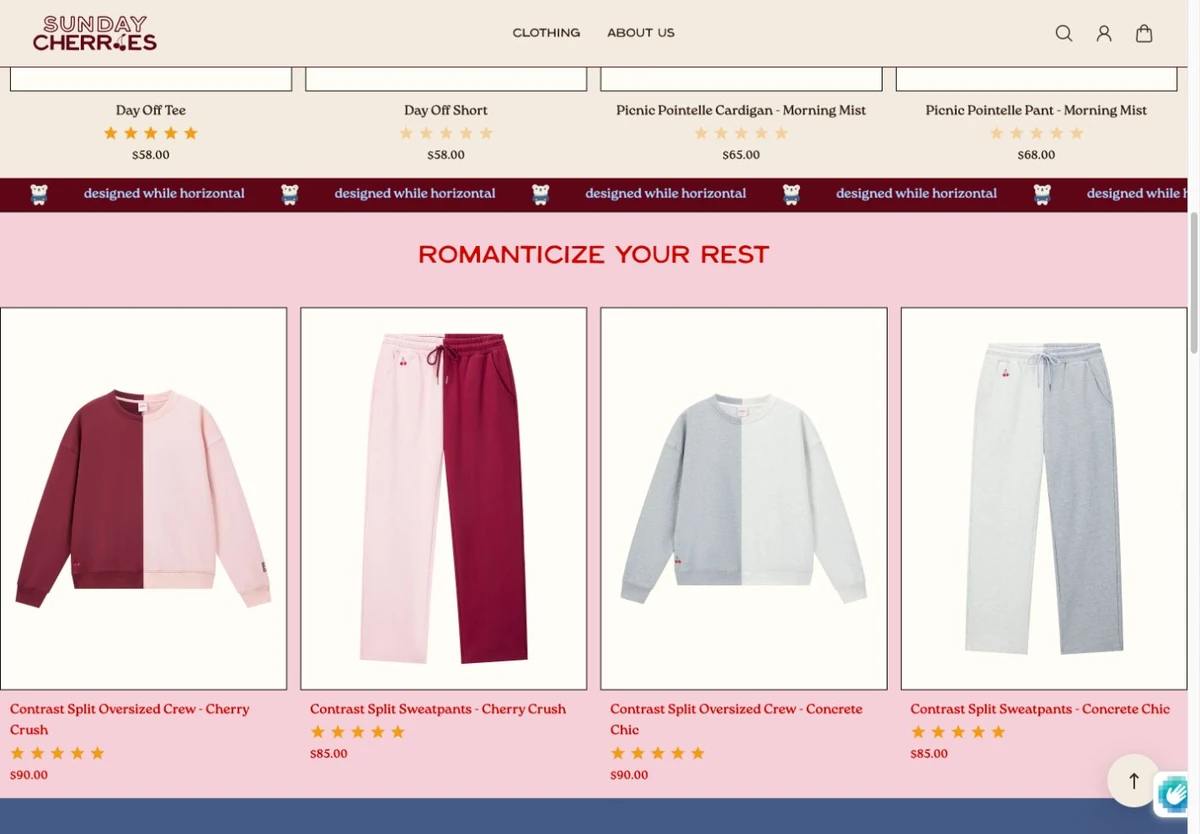
The screenshots below show the brands' official websites on November 13, 2026. Each links to its source.
Parke: give people a product they can recognize
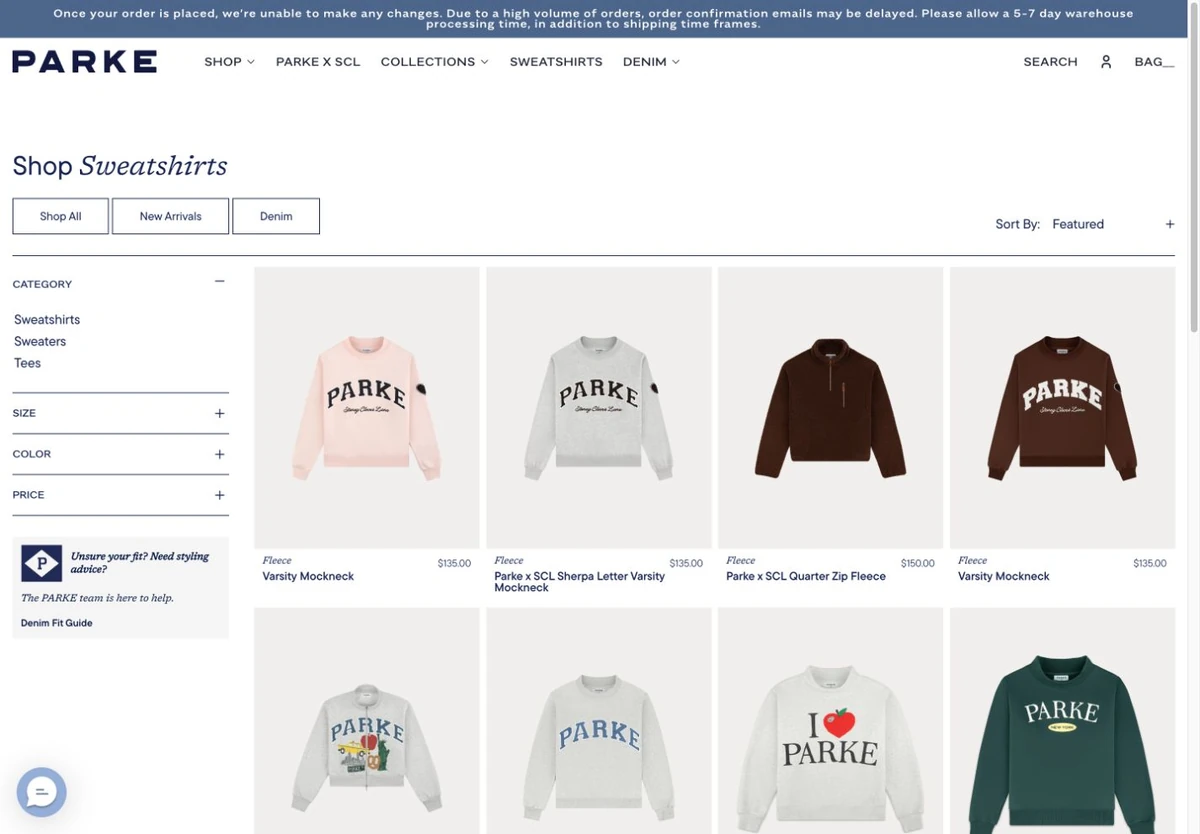
Parke's own brand history says it began in 2022 with upcycled vintage denim before expanding into everyday basics. In April 2026, Target announced a nearly 60-piece Parke collection, created with founder Chelsea Parke Goles. The announcement set an April 25 release through Target.com and selected stores.
That is a visible expansion into a new retail channel. It does not tell us the collection's sell-through, margins or the brand's overall profit.
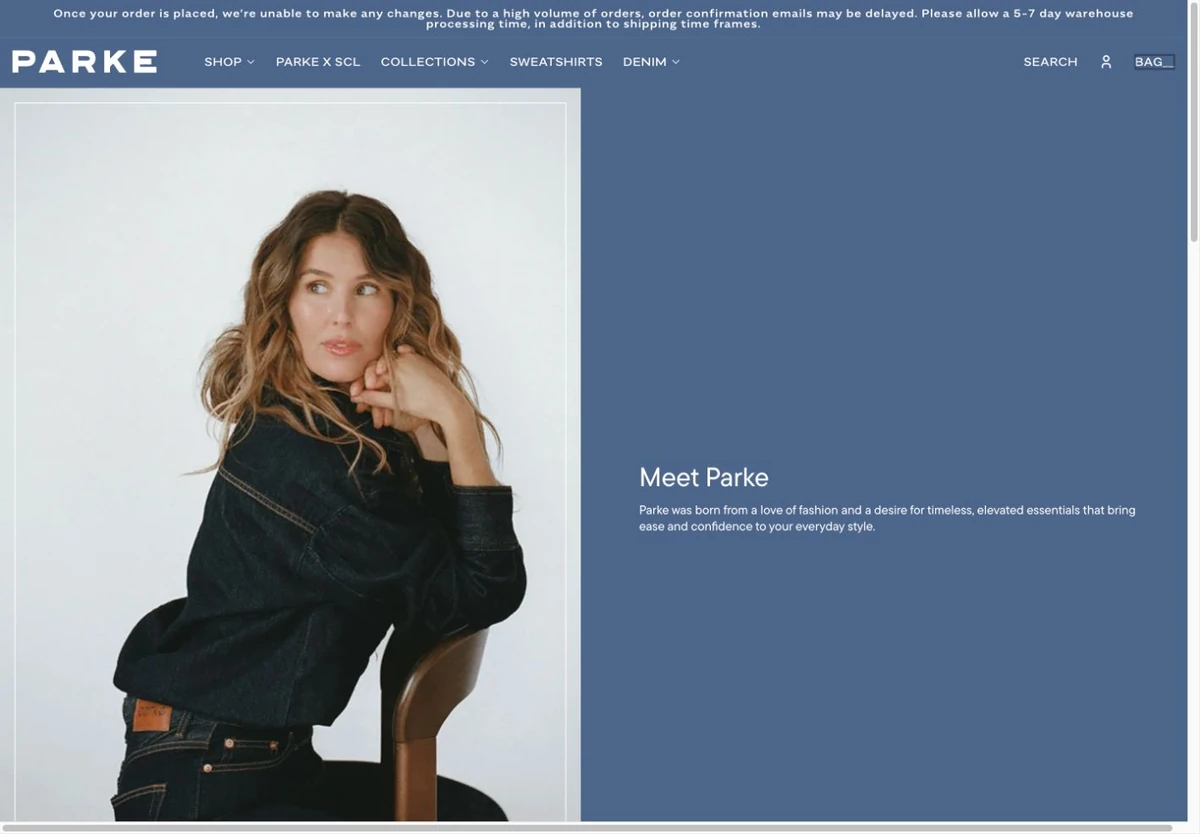
For a new label, the lesson is product recognition. Give buyers a shape, feel or styling detail to remember, then show how they could wear it.
For a sweatshirt, compare the neckline, body width, sleeve shape, weight and handfeel. Which features carry your idea?
If you removed the logo, what difference could a wearer still notice? Put that answer in your sample brief.
Dandy Worldwide: give people a way to take part
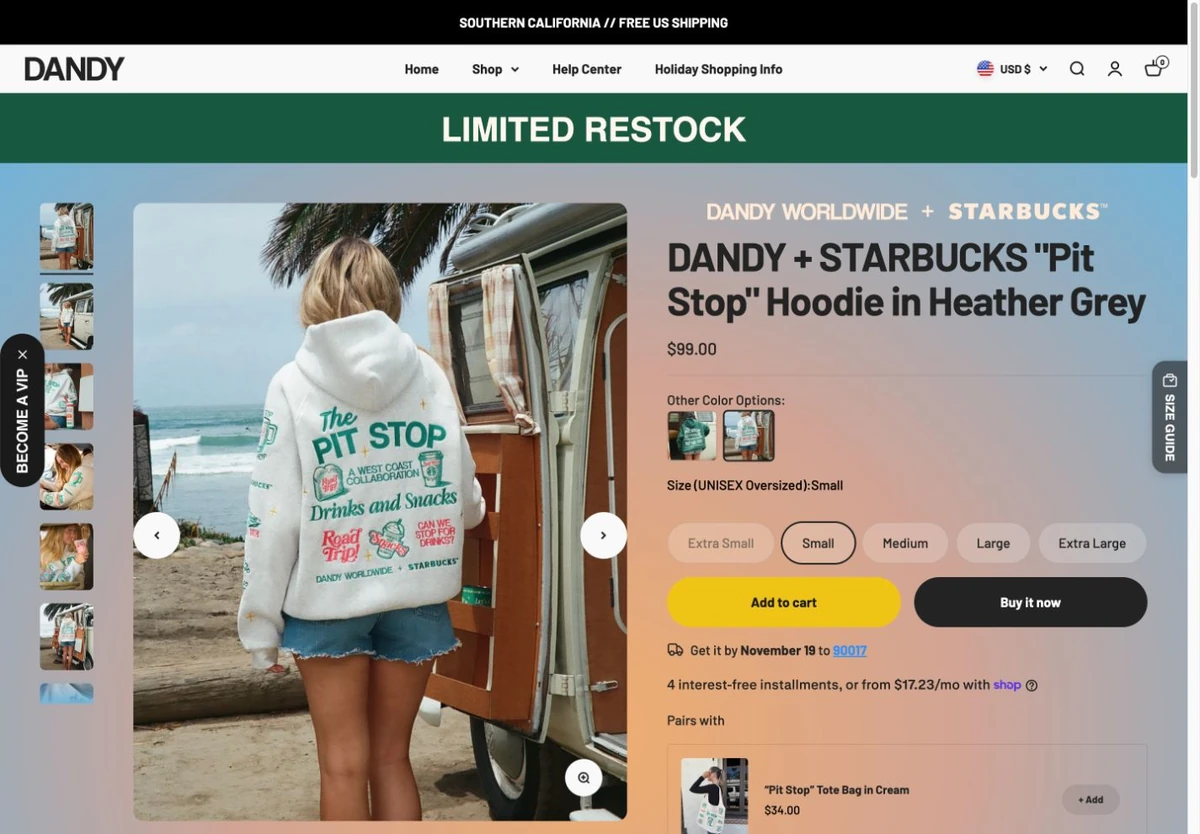
According to Starbucks' collaboration announcement, siblings Mia and Kian Schank founded Dandy Worldwide in 2021. The 2026 collaboration extended the brand's road-trip theme into merchandise, with a July 28 launch.
Dandy had also brought its visual world into physical events. Event Marketer reported that the Brooklyn stop of its 2025 Gas Station Tour attracted more than 2,000 consumers. The themed space gave visitors something to explore, photograph and share.
The attendance figure tells us how many people came, not how many placed orders. A collaboration shows access to another audience, but it does not reveal the commercial terms or profit.
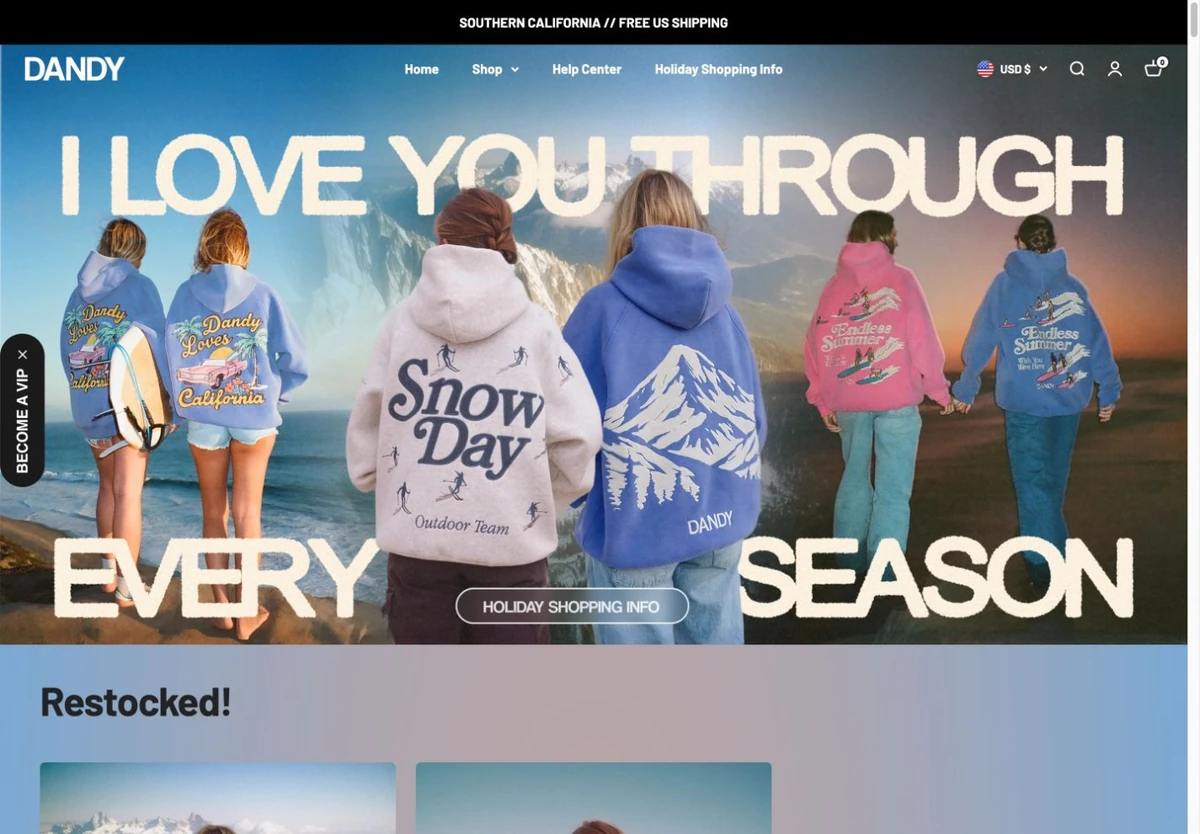
You can start smaller than a pop-up. Carry a shared palette, embroidery detail or theme across your garment, packaging and content.
Invite people to share their styling, try a sample or compare two color directions. Decide what you want to learn.
Note what people questioned and whether they went on to buy. Use feedback to guide development; record interactions separately from sales.
Sunday Cherries: connect early demand to reliable delivery
Sunday Cherries offers a closer view of the work behind an early launch. Founder Lexi Larson described its launch in a November 2026 as-told-to essay. Business Insider published the account, which AOL republished. Larson said she launched the loungewear brand in early 2024.
Larson said she shared her progress online and involved followers in choices such as samples and colors. She reported building an email list of about 15,000 people before her first product launch. That figure describes her prelaunch list, not a verified current audience or a count of buyers.
She also wrote about sales going up and down, problems with manufacturing and planning stock. She said she was not yet taking money out of the brand and was reinvesting it. She was describing her own withdrawals. This does not mean the business had no revenue, and it does not establish whether it earned a profit.
Plan beyond the launch response. Buyers need accurate product details, sizes and delivery information. Give your supplier an approved sample and current instructions.
Track each product version. Review changes to wash finish or measurements, then check that product descriptions and production instructions match the approved garment.
What do these examples tell us about clothing brand growth?
Keep the source and its limits beside each observation. These are questions for your planning; the stories do not prove that one tactic caused growth.
| Brand | Publicly visible signal | Question for your team | What remains unknown |
|---|---|---|---|
| Parke | Target announced a nearly 60-piece collaboration in April 2026. | Which product features give buyers a clear reason to remember us? | Brand profit and how much of the Target range sold. |
| Dandy Worldwide | Reported event participation and a Starbucks merchandise collaboration. | How can our audience take part in the same visual world? | Event conversion, collaboration economics and profit. |
| Sunday Cherries | The founder reported prelaunch audience building and later delivery challenges. | Can our sample, stock and delivery plan support the demand we are testing? | Audited results and profit over time. |
Reach estimates how many people saw something. Orders tell you what they bought. Neither number alone tells you how much profit remains. Use the clothing competitor analysis guide to keep what you can observe separate from what you still need to test.
How can you apply these lessons to your own brand?
1. Who is the garment for?
Choose a person, setting and preference. A weekend top and a statement piece for a night out call for different design choices.
Write who would choose it and why. Use that sentence to review fit, fabric and color, and give each style a role in your first clothing collection plan.
2. How can you test buying intent?
Share a sample or color choice. Ask what people would wear it with and what concerns them.
Record paid orders separately from polls and signups. Review purchases, returns and repeat orders after launch. Before sampling, use a clothing brand idea check to record what supports the concept and what is still an assumption.
3. What should stay consistent between releases?
Carry forward a silhouette, color relationship or recurring detail that buyers recognize. Give new pieces a connection to it.
Develop your own artwork, proportions and brief from what your buyers need. Compare the next sample with your intended standard.
4. What needs checking before production?
The image sets an expectation; the garment has to meet it. Record the approved fabric, fit, measurements, decoration and finish. Keep revisions tied to the correct sample version.
For a washed sweatshirt, compare handfeel and dimensions in the agreed finished condition. Specify any care or performance checks separately. The washed streetwear sample brief helps turn those choices into a review record.
Turn one lesson into your next product decision
Choose your current gap: a clearer buying reason, stronger evidence of demand, or better delivery. Record one decision, the evidence behind it and a review date.
Learn what works for your buyer, product and budget. These examples help you ask questions; they cannot promise the same results.
Planning your own hoodie or sweatshirt? GoVoloom's hoodie manufacturing page explains the development choices and details to prepare.
Send your garment brief with the target fabric, fit, finish, planned quantity and open questions. Custom bulk apparel manufacturing starts at 100 pieces. We confirm sample scope, pricing and timing for your project.
Sources were checked on November 13, 2026. Brand histories and founder accounts are attributed above; no supplier relationship between GoVoloom and the featured brands is claimed.
