
Adult Clothing · Starting a Brand
Clothing Competitor Analysis for Your First Collection
Start your clothing competitor analysis with a clear wearer and buying occasion. Record comparable products with dated sources. Then turn the differences into questions for your own design brief.
Start with the shopper’s real options. Keep three things separate: what you saw, what the seller says and what you think it means.
The goal for your first adult clothing collection is a clearer product decision. You might rethink what the garment is for, look into a missing feature or test whether your idea helps the wearer. Use our clothing idea validation guide to ask intended wearers about the idea.
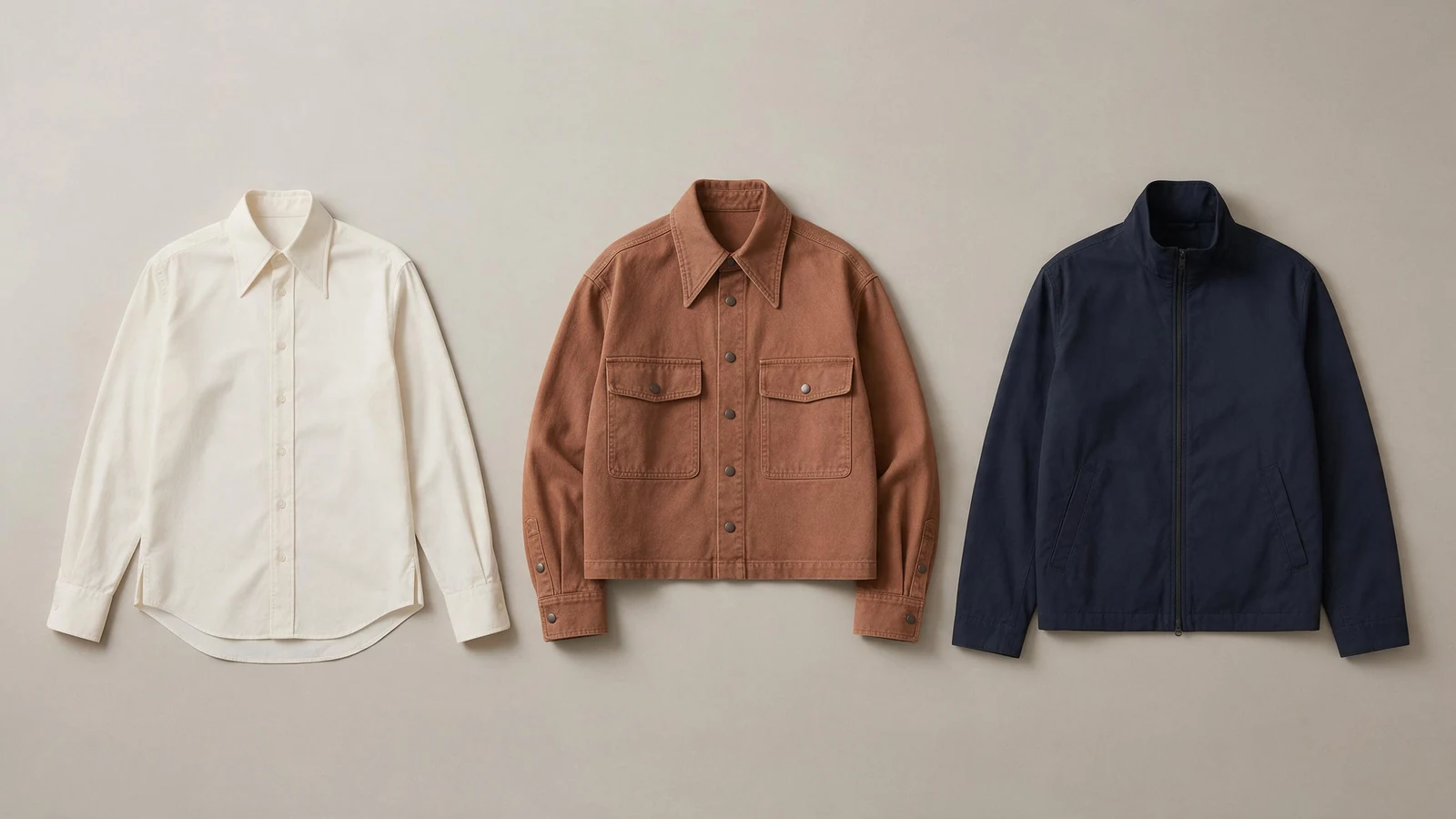
Which purchase are you trying to understand?
Write one sentence describing the wearer, occasion, garment and selling market. For example: “An adult overshirt for casual evenings in the US, sold directly online.” Now you have a specific purchase to compare. Add a possible price range, then check whether it fits your intended offer.
Include both similar garments and alternatives for the same occasion. An overshirt buyer might choose a casual shirt, light jacket or clothing they already own. Ask wearers which options they considered before choosing your shortlist.
The U.S. Small Business Administration recommends identifying competitors by product line and market segment, including indirect or secondary competitors. It also asks you to look at strengths, weaknesses and what could make entering the market difficult. Read the SBA competitive-analysis guidance.
Keep brands you admire in a separate group. Check whether their customers, prices and sales channels match yours. They can help you describe a look. They may tell you little about the purchase you want to understand.
For a sourced comparison of three different brand directions, read our Parke, Dandy and Sunday Cherries brand-growth analysis. Use it to separate public observations from assumptions before choosing what fits your own audience.
Which products belong in your comparison?
Record a specific product and variant for each row. A brand's cheapest item or homepage message tells you little about a specific overshirt.
Choose a manageable set of relevant alternatives. Note why you included each product and how you found it. Search results, retailer listings and customer suggestions can produce different selections. A convenient shortlist does not represent the whole market.
Check the brand's own product page where available. Note the product name, URL, colour, selected size, target country, currency and date. Record whether it is available, on preorder or not available to buy. If a size is not available, that alone cannot tell you whether demand was strong or supply was small.
Lectra describes how comparing competitors' product ranges and prices can help a brand choose its position and product mix. Keep fashion competitive analysis focused on products relevant to your first collection. A simple dated sheet can keep this comparison clear. See Lectra's fashion benchmarking overview.
What should a clothing brand competitor analysis record?
For each important observation, show where it came from and what it tells you. Use the fields below as a starting point. Fill them with details from the products you actually review.
| Field | What to record |
|---|---|
| Product and context | Product URL, variant, market, currency, date and reason for inclusion. |
| Garment information | The seller’s fabric description, measurements, visible construction and a source for each detail. |
| Buying conditions | Item price, discount rules, delivery charges and the return terms for this purchase. |
| Customer evidence | What a reviewer or interviewee said, which product version they meant and where you found the comment. |
| Interpretation | Your proposed explanation, the unknowns and what could challenge it. |
| Next decision | A question to ask a wearer, a detail to clarify or a requirement to test on your design. |
Distinguish a published claim from a checked property. “The seller describes the fabric as cotton” records a statement. To write “the fabric feels soft,” say who physically checked it. A photo can show a patch pocket. It cannot prove capacity, fibre content or durability.
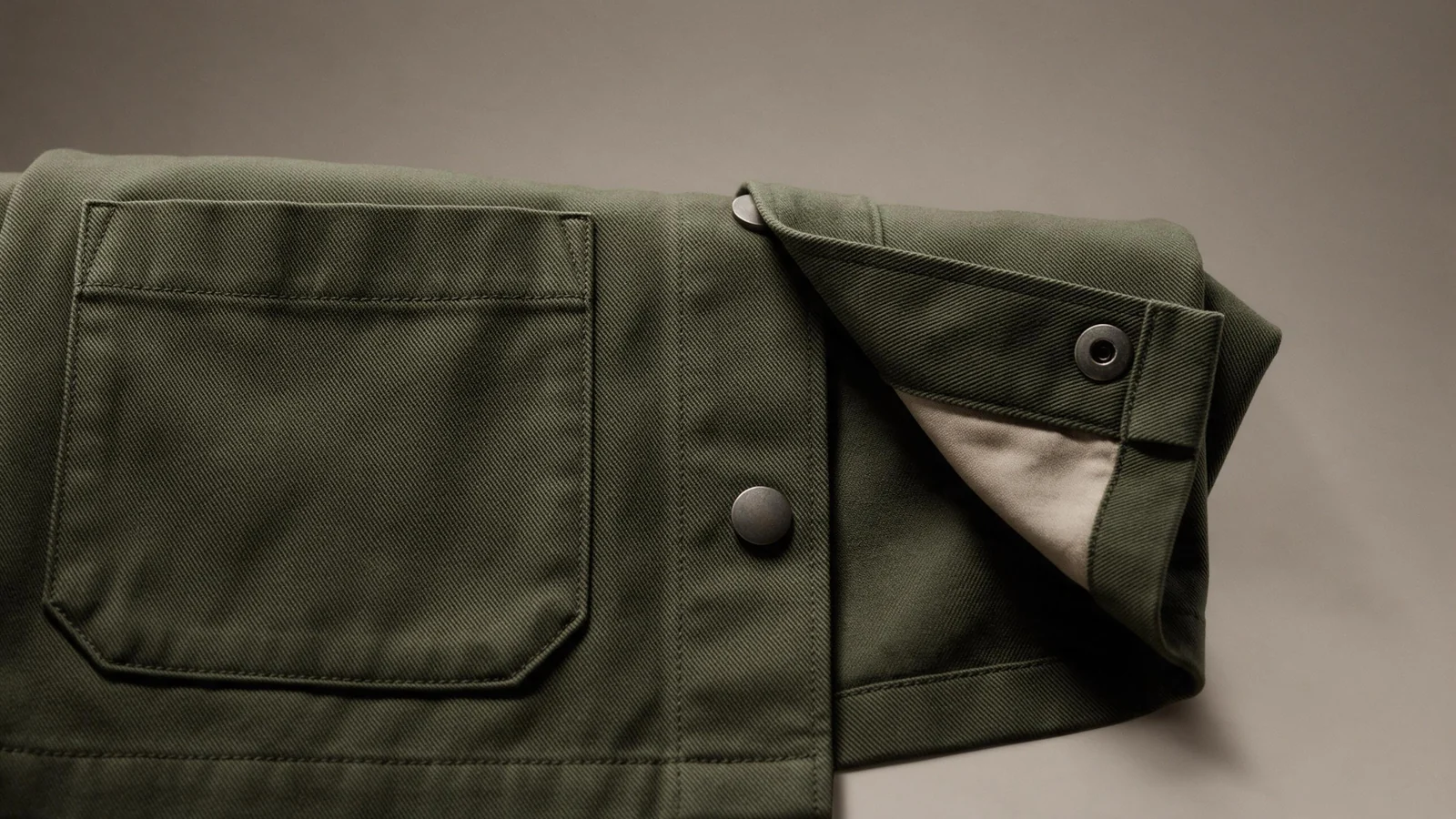
Mark missing details “not found on the page” with the date. A missing back view or measurement chart leaves a question open. It does not prove a feature is absent or more information is unavailable.
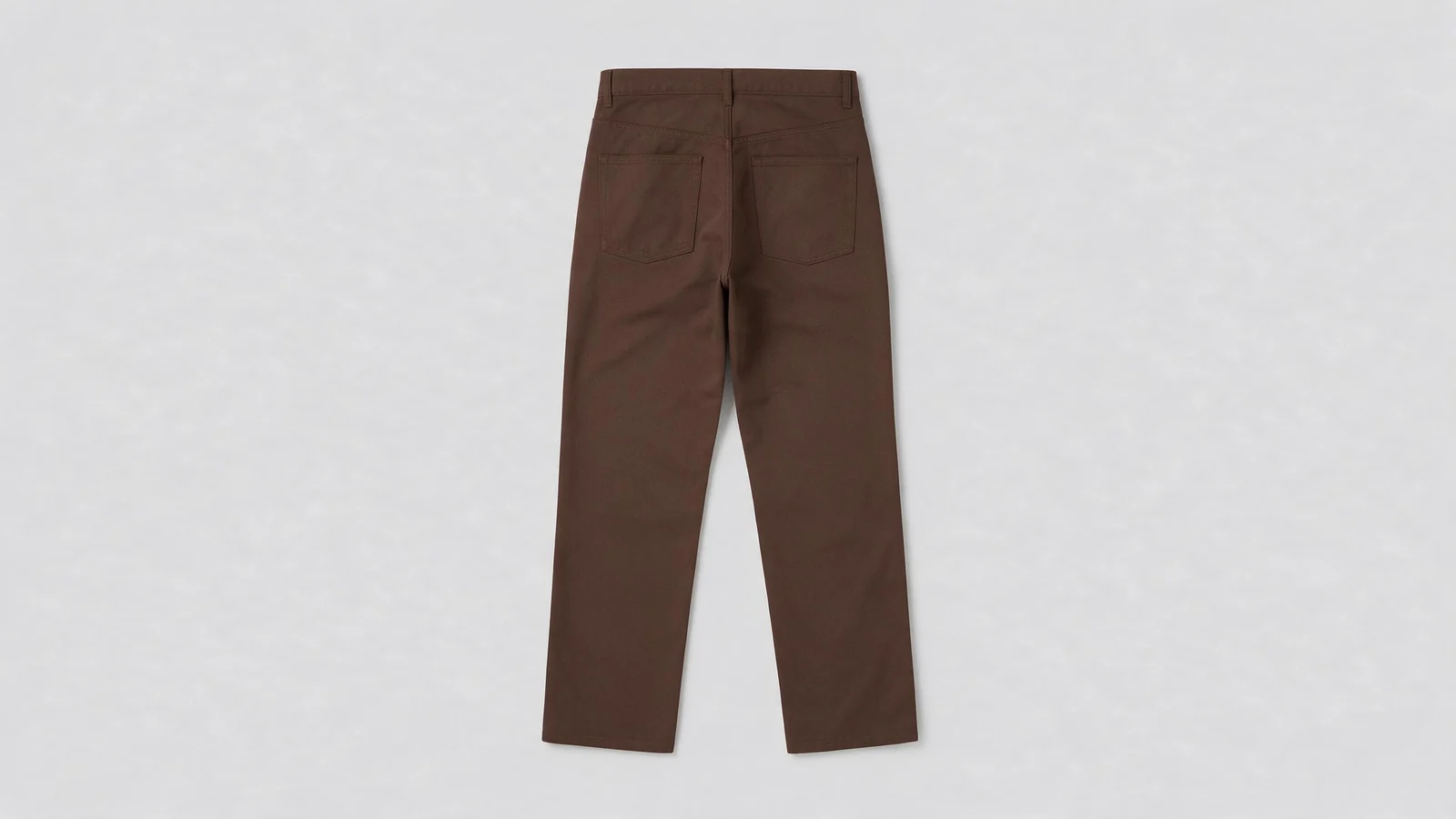
How do you compare prices and buying terms?
Compare what a customer can actually buy under the conditions you noted. Keep the normal listed price and any current sale price in separate columns. Check whether the price needs a membership, a discount code or a multi-item purchase. Mark temporary discounts so you can spot them later.
Use the same destination and currency where possible. Note whether the displayed price includes tax and whether delivery costs extra. When you convert currencies, keep the original price too.
Add the exchange rate and the date you used it. Avoid combining prices from different countries into an unexplained average.
Also check what the purchase includes. A single garment, a set and a garment bundled with accessories are different offers. Note the seller's current delivery and return terms. Keep their wording where the exact meaning matters. Keep anything that requires checkout or more details marked as unresolved.
A competitor's retail price does not reveal its manufacturing cost, margin or sales volume. Use the comparison to outline your offer. Then build your own retail-price and first-order cost model.
Use your own figures for the garment specification and selling costs. Check when you will pay costs and receive money.
What can customer feedback tell you?
Look for a described experience and its context. If a reviewer says the sleeves pull when they reach forward, you have a specific issue to look into. A star rating by itself gives less direction for a design decision.
Record the product, available version or purchase date, and the issue the reviewer describes. Summarise the comment and link to its source. Leave personal details out of your working brief. Before grouping comments, check they concern the same garment and use.
Include positive and conflicting feedback. One person may value a shorter jacket while another finds it too short. That difference could reflect body proportions, styling or a different wearing occasion. Ask intended wearers about the underlying use before deciding to lengthen your design.
Review counts, likes and followers do not establish how many units sold or how many people want your proposal. Public reviews describe people who posted on that platform under its collection process. Record the source and the limits of what you can infer.
How do you turn a possible gap into a design brief?
Connect each proposed difference to a wearer need and a way to check it. “More premium” gives a designer little direction. Keeping a phone accessible while the jacket is fastened gives the team something to test.
Consider this fictional example. Your comparison records chest-pocket openings on several alternatives, but the pages give no usable dimensions. A wearer conversation suggests phone access matters.
Agree on a phone reference for your pocket brief. On the sample, check how easily the phone goes in and out. Check the garment's shape with the phone inside. You still need to agree on the pocket size and construction during development.
Keep three notes in your brief. Write down what led to the idea, what you want the garment to do and how you will check it.
Record tradeoffs too. A larger pocket may affect the front balance or need a different placement. A lower target price may leave you with fewer fabric or trim options.
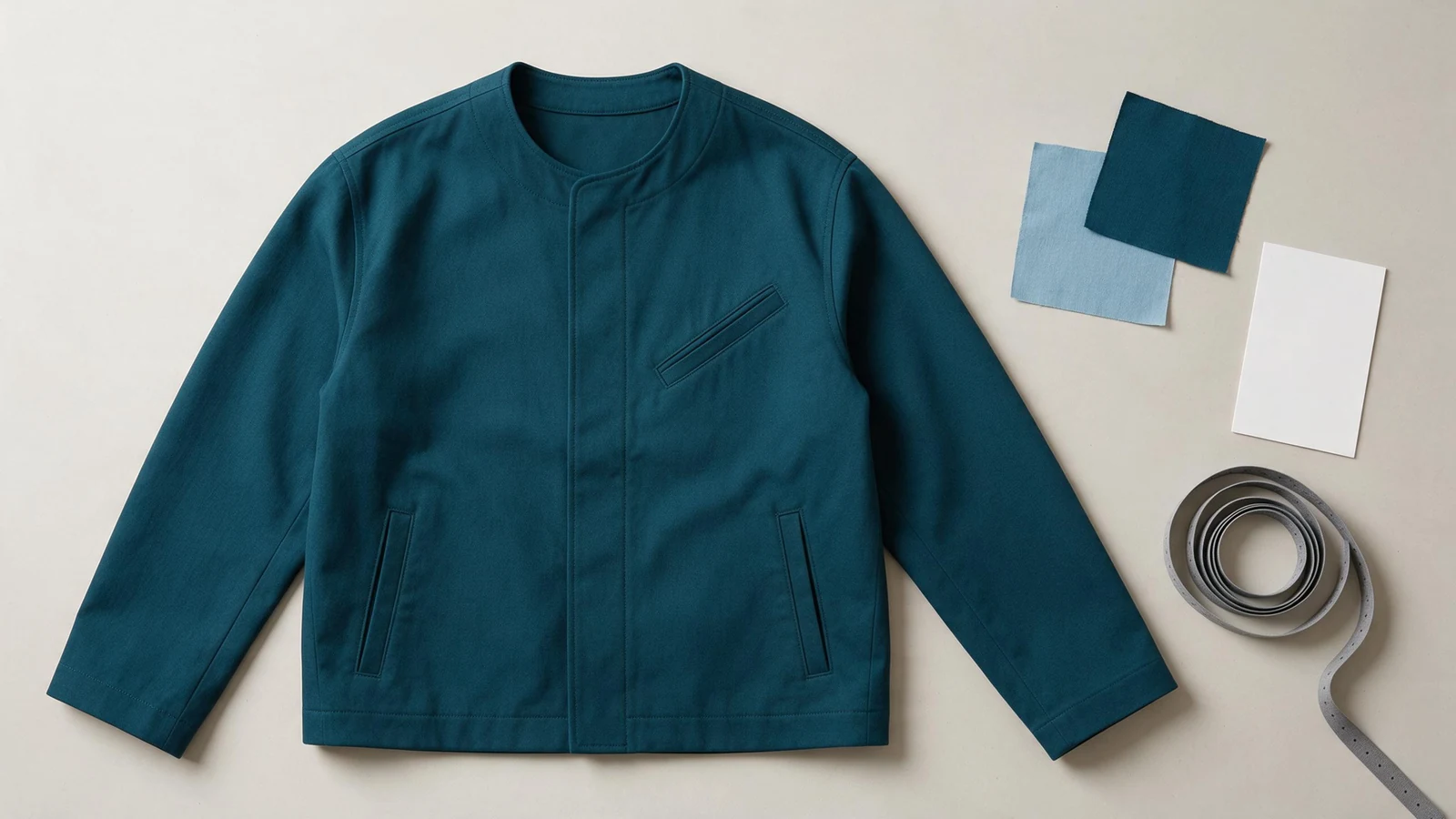
Develop your own sketches, proportions and branding. Keep competitor URLs as research references and explain the functional question behind them. Build the development pack with your own designs or material you have permission to use. Use the project brief and sample worksheets to collect what you need and what you still need to decide.
What should you check before expanding the collection?
End the comparison with a specific next action. If the buying context remains unclear, speak to relevant wearers. If the product information is incomplete, seek that missing detail. For comfort or function, plan a hands-on sample check.
A feature missing from your shortlist could be an opportunity. You may also have missed a competing product, or there may be a practical reason for leaving the feature out. Find out which explanation fits before paying to develop more products.
Date your sheet. Recheck key facts before the next decision. Product versions, prices and terms can change. Use the first collection planning guide to decide which ideas belong in the launch and which should stay in research.
To talk through your product with GoVoloom, send your design brief through the project inquiry form. Include the intended use, available references and sample questions. MOQ is 100 pieces. We agree on development scope, costs and timing with you for each project.
