
Production Timeline
Clothing Manufacturing Timeline: How Long It Really Takes from Tech Pack to Delivery
Sampling, fabric sourcing, bulk production, QC, and shipping - the full factory calendar, and how to plan backward from your launch date.
August 17, 2026 · 12 min read
Table of Contents
- 1. A Realistic Timeline Starts Before Sewing
- 2. Phase One: Tech Pack Review and Sampling
- 3. Phase Two: Fabric and Trim Sourcing
- 4. Phase Three: Bulk Production
- 5. Phase Four: QC and Shipping
- 6. The Full Timeline in One Table
- 7. What Changes the Calendar
- 8. How to Plan Backward From Your Launch Date
- FAQ
1. A Realistic Timeline Starts Before Sewing
The most common question we hear from new brands is a simple one: "How long will it take?" The answer is rarely a single number. It is a sequence of milestones: tech pack review, sampling, fabric sourcing, bulk production, inspection, and shipping. Each phase has its own clock, and the project only moves as fast as the slowest one.
A planning sequence to confirm for your project:
- Tech pack review and feasibility check - timing reviewed by project
- Sample development - stages and timing agreed after brief review
- Fabric and trim sourcing - availability confirmed for selected materials
- Bulk production - timing confirmed in the written quote for each order
- Final inspection and packing - scope and timing agreed per order
- Shipping - route, customs and final-delivery timing confirmed from a current quote
The total time to delivery depends on development, materials, the agreed bulk production schedule, and freight. Confirm these stages for your order before setting a launch date.
2. Phase One: Tech Pack Review and Sampling
The clock starts when the factory can understand the product. A complete tech pack with measurements, fabric specs, trims and artwork helps the supplier review feasibility and propose a schedule. Missing details do not stop the clock for the factory; they just push the start date later.
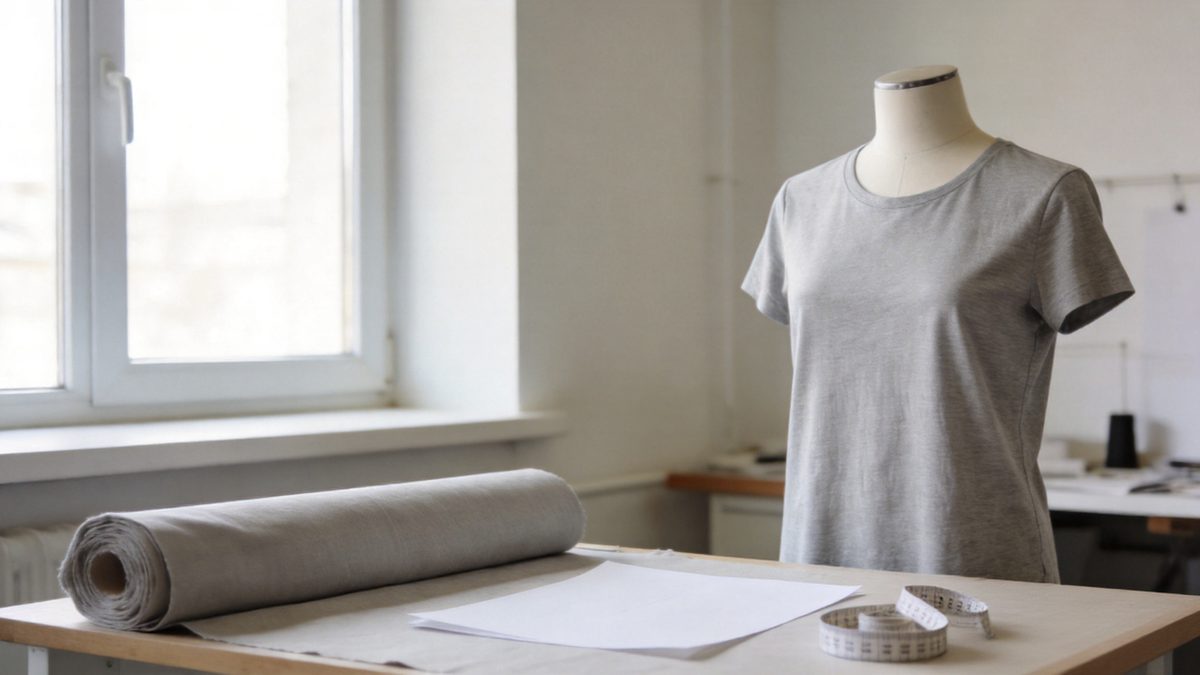
Sampling duration depends on the style, material availability and sample stages agreed for the project. A simple tee on stocked fabric may need only one or two rounds. A woven dress, custom fabric, or complex decoration can need three or more. Our clothing sampling process guide explains each sample type and what to check at every stage.
Allow time for each agreed sample stage and your own review. The fastest way to shorten this phase is to approve samples in writing, with measurements and photos, instead of sending vague feedback.
3. Phase Two: Fabric and Trim Sourcing
Fabric and trims can become the critical path. Check stock availability and supplier lead time for the selected materials. Custom colors, knits or certified materials can require additional sourcing and approval time; confirm this in the project schedule.
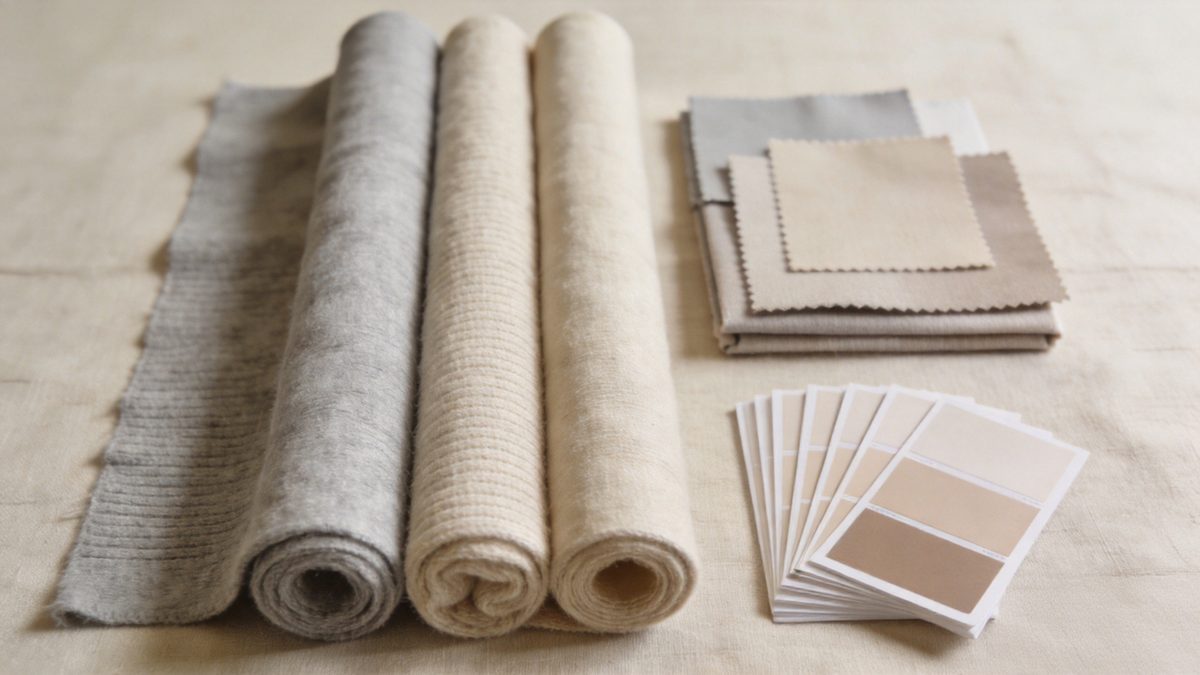
Trims can be just as slow when they are custom:
| Item | Timing to confirm | Planning check |
|---|---|---|
| Stock fabric | Confirm stock and release date | Check the selected construction, color and required quantity |
| Custom dyed fabric | Confirm dyeing and approval stages | Allow for color approval and supplier capacity |
| Custom woven label | Confirm proof and production dates | Include artwork approval before ordering |
| Custom buttons / zippers | Confirm supplier lead time | Check the exact material, finish and quantity |
| Printed / embroidered artwork | Confirm sample approval stages | Agree the decoration reference before bulk work |
Ask whether fabric and trim sourcing can run alongside sample work and when any purchase commitment is made. Keep sample approval and responsibility for unused materials clear in writing.
4. Phase Three: Bulk Production
Bulk production includes cutting, sewing, finishing, pressing, and packing. Its timing is confirmed in the written quote for each order after the design, materials, quantity, and required approvals are reviewed.
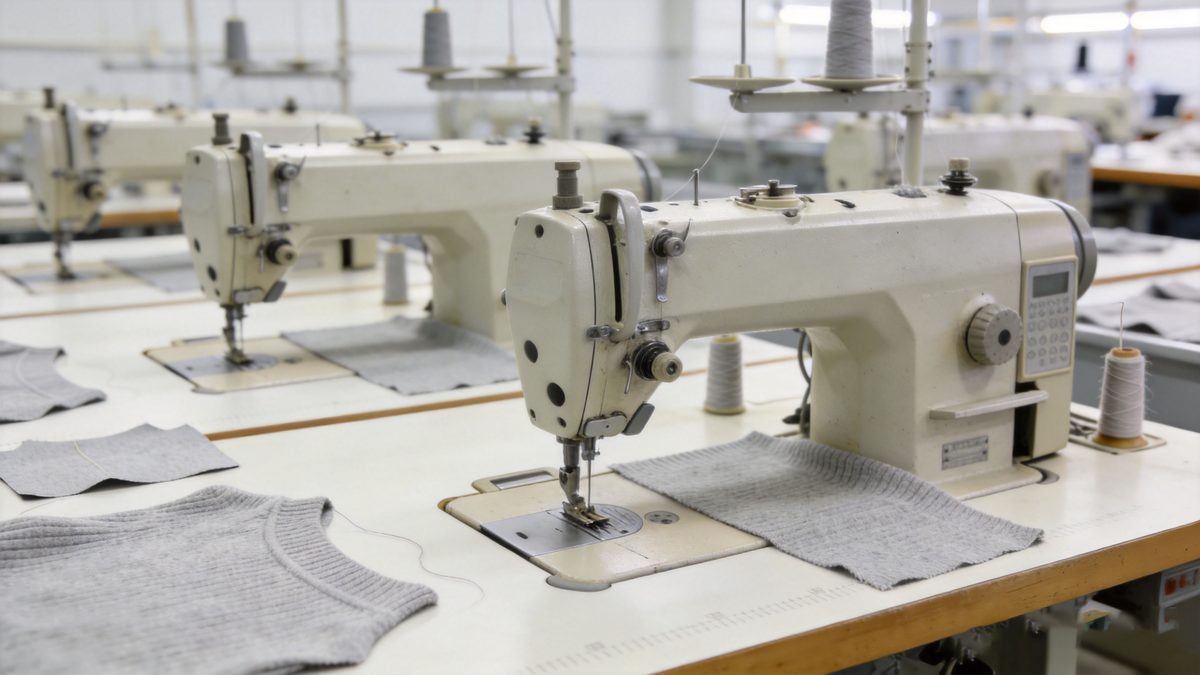
The production sequence:
- Cutting and marker making
- Sewing and assembly
- Finishing, pressing, and trimming
- Final packing and inspection
Smaller orders do not automatically finish faster. A small order still moves through the same cutting and sewing stations as a larger order. The lead time is driven by the factory schedule, not only by the quantity.
5. Phase Four: QC and Shipping
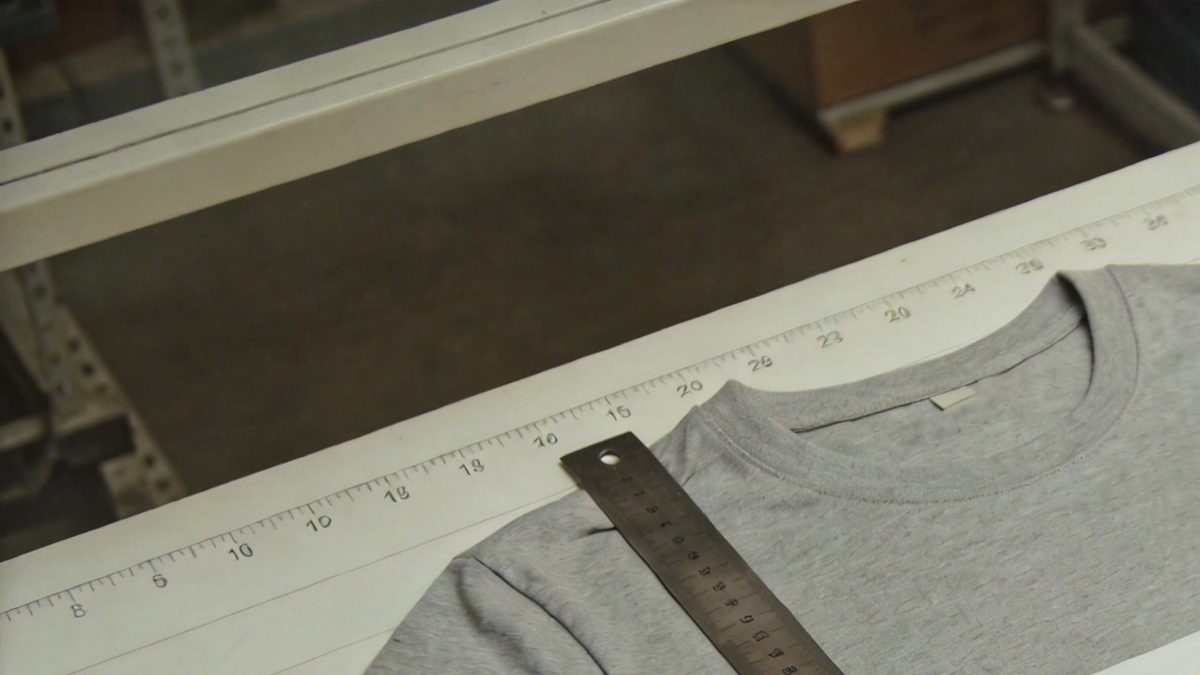
Before shipment, agree the inspection scope, sample size, acceptance criteria and reporting requirements for the order. Check measurements, construction, trims and packing against the approved reference as applicable, and allow the agreed time in the schedule.
Compare a current door-to-door estimate for each available shipping route, including customs clearance and final delivery:
| Method | Timing to confirm | Planning use |
|---|---|---|
| Express courier | Pickup, clearance and delivery estimate | Compare for samples or small urgent shipments |
| Air freight | Handover, flight, clearance and final delivery | Compare when the launch schedule is tight |
| Sea freight (LCL) | Consolidation, sailing, clearance and final delivery | Compare when the schedule allows a longer route |
Our shipping guide explains cost and duty components. Before booking, confirm the packed-carton inputs with the CBM and chargeable-weight calculator. Add a contingency buffer based on the quoted route, clearance and local-delivery risks.
6. The Full Timeline in One Table
| Stage | Duration to confirm | What must happen |
|---|---|---|
| Tech pack review | Confirm after brief review | Specs complete, feasibility reviewed |
| Sampling | Confirm sample stages | Proto, fit and PP stages as required |
| Fabric / trim sourcing | Confirm availability | Materials ordered and confirmed |
| Bulk production | Confirmed in the written quote | Cutting to packed cartons |
| Final inspection | Confirm inspection scope | Agreed checks before release |
| Shipping | Confirm from a current route quote | Include clearance and final delivery as applicable |
Build the full schedule from the confirmed development, production, inspection, and shipping stages. Custom fabric and extra sample rounds can extend the calendar; the written quote should confirm the bulk production timing for your order.
7. What Changes the Calendar
Three decisions move the timeline more than anything else:
- Fabric availability. Compare stock and custom fabric lead times for the selected construction, color and quantity.
- Sample rounds. Each extra round affects the schedule. Lock the design before sampling begins.
- Season and capacity. Holidays and available production capacity can change the schedule. Ask for the current calendar before confirming dates.
8. How to Plan Backward From Your Launch Date
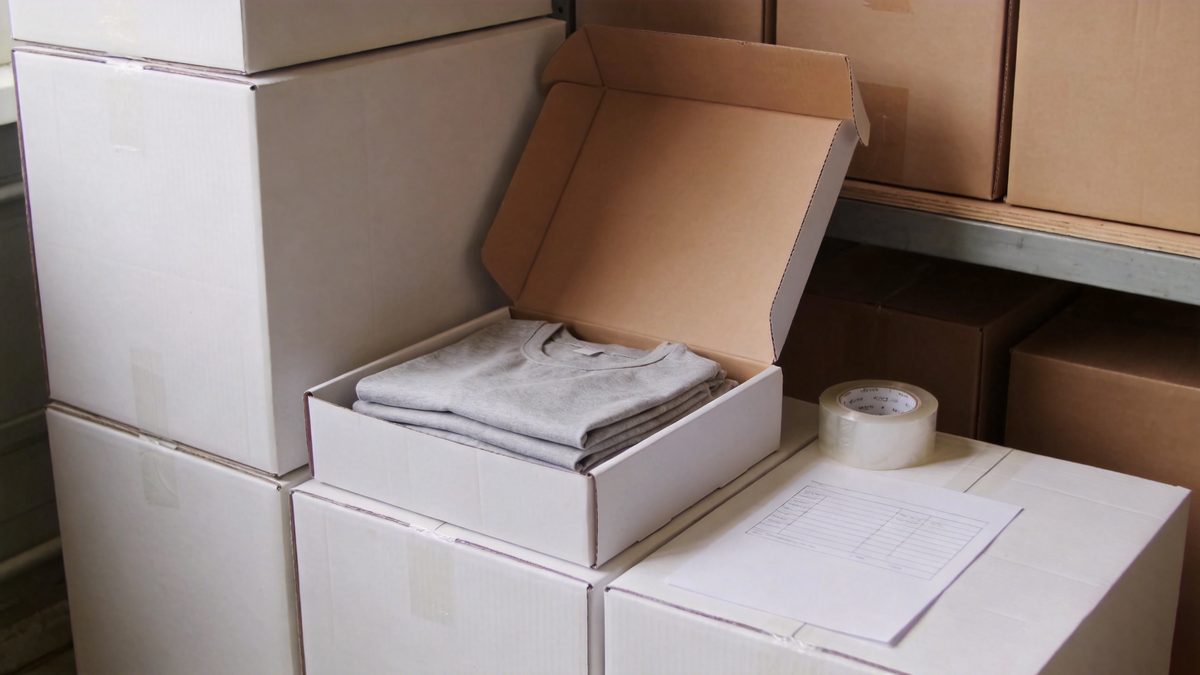
Write the launch date first, then subtract every stage:
For outerwear and layered seasonal ranges, use the dedicated Fall/Winter collection development calendar to connect fit, shell, insulation, trims and quality gates to that backward plan.
- Launch date
- Minus the quoted local-delivery time and a contingency buffer
- Minus the current freight and clearance estimate for the chosen route
- Minus the agreed time for final inspection
- Minus the bulk production time confirmed in the written quote
- Minus the confirmed material and trim lead time
- Minus the agreed time for each sample stage
- Minus the time needed for brief and feasibility review
That backward plan tells you when to start. If it lands in the past, review the launch date, product scope and available shipping options with the supplier. A split shipment may be possible, but confirm production, packing, freight and cost before relying on it.
FAQ
How long does it take to manufacture custom clothing?
There is no single duration for every custom order. Sample stages, material availability, bulk production, inspection and shipping are reviewed for the project; confirm the agreed schedule in the written quote.
Can I get clothing manufactured in 3 weeks?
Do not assume a three-week schedule is available. Send the product brief, material requirements, quantity and destination for a project-specific feasibility review; confirm sample stages, production capacity and shipping in writing before setting a launch date.
Does a smaller order mean faster production?
Not necessarily. A small order still needs the agreed development, cutting, sewing and approval stages. Available materials and the factory schedule also affect the delivery date.
What is the longest part of clothing manufacturing?
There is no universal longest stage. Material availability, sample revisions, production capacity, inspection and freight can each become the critical path; check the actual schedule for your project.
When should I start if I want clothes for a specific launch date?
Work backward from the launch date through shipping, inspection, bulk production, material sourcing, sampling and tech pack review. Obtain current written timing for each stage and add a contingency buffer before committing to the date.
Planning a launch date?
Send us your tech pack and target delivery date - we will map the timeline, flag any risks, and quote sampling and bulk together.
Get a Free Quote →