
Adult Clothing · Starting a Brand
Clothing Purchase Order for Your First Production Run
Build your clothing purchase order around the agreed garments, quantities, price and delivery scope. Link the exact product files. Compare the order with the supplier’s written response before work starts. Resolve differences and record who can approve each next step.
For your first adult clothing collection, use the order as a shared reference from quotation through receipt. Use the steps below to check the documents before you commit to production.
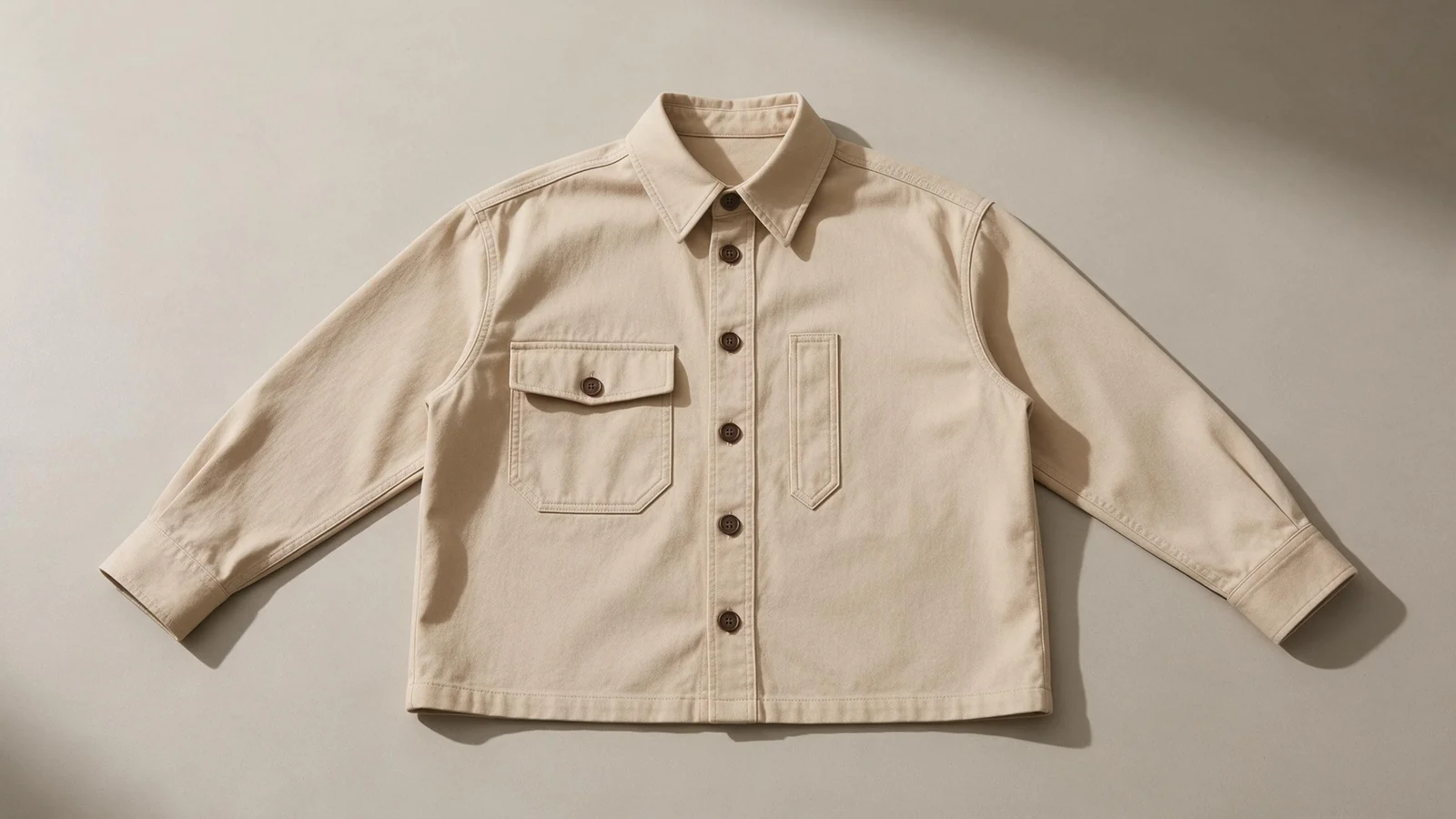
What references belong in a clothing purchase order?
Start with a unique PO number, date and revision. Record the legal buyer, supplier, billing details, delivery destination and contacts responsible for the order. Check that the supplier named on the response matches the party you intend to buy from.
A quotation records a priced offer. The garment purchase order records the requested purchase. The tech pack describes the product. Link the exact versions so everyone can compare the same scope.
For each style, list the style code and description, specification revision, material list, artwork files and relevant sample IDs. State which features have been approved and where the approval is recorded. Replace vague references such as “latest file” with a filename and revision.
Use the tech pack worksheets to organize those details. Keep the commercial order record connected to the technical files as they change.
How do you check color and size quantities?
Write a separate order line for each style, color and size. State the selling unit clearly, such as one garment or a specified set. Show the quantity and price for that unit.
Then add the lines by color, by style and across the whole order. Compare these totals with the supplier’s quantity sheet and quote. Techpacker’s garment PO guide shows how color and size breakdowns connect to the product specification. Read the garment PO guide.
For a fictional arithmetic check, suppose a draft orders 40 green tops and 60 mustard tops. The supplier’s response lists 50 of each. Both total 100, but they describe different purchases. Check the size rows within each color before accepting the response.
This is a fictional planning example. Choose quantities from your own demand evidence and confirm the accepted allocation with the supplier.
For GoVoloom custom bulk clothing manufacturing, MOQ is 100 pieces. Have the proposed style, color and size allocation confirmed for your project. Keep the same variant references in your clothing SKU register and the order sheet.
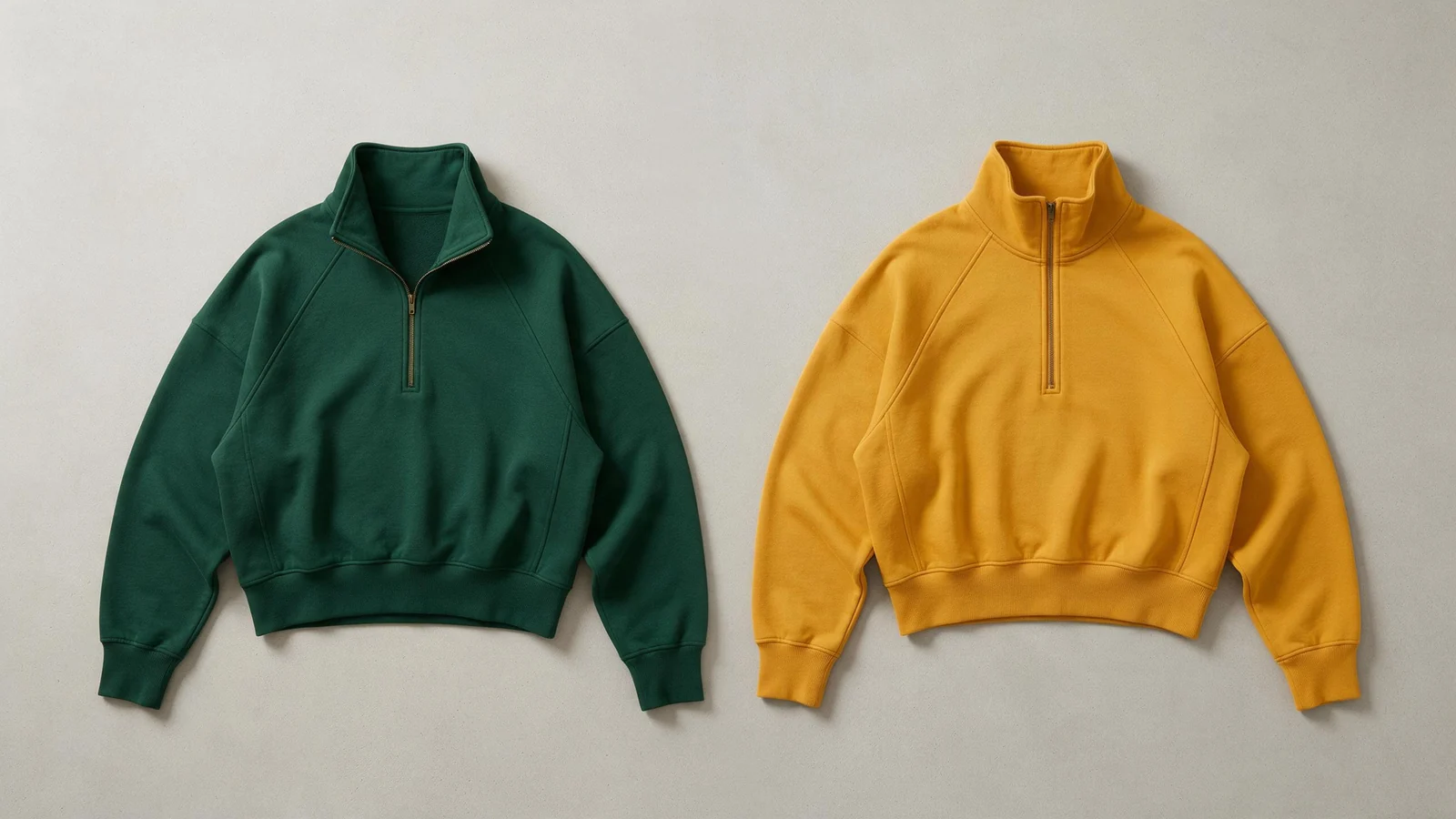
What does the quoted price include?
Record the currency, unit prices, line amounts and total. Separate any agreed development, setup, testing, packing or freight charges. Check whether a prior payment is already credited before adding it again.
Compare fabric, trims, decoration and packaging against the quote. A lower total needs an explanation when the material or included work has changed. Ask for an alternative to be labeled clearly, with its own price and approval status.
For each payment stage, record the agreed amount or calculation. Add the due date or trigger and the documents needed. Ask how each open cost will affect the total before you approve that work. Payment stages and percentages are agreed for the project.
Keep a short list of exclusions beside the total. Confirm who pays each outstanding item and when its amount will be known. That makes the cost of the first clothing order easier to compare with the brand’s available budget.
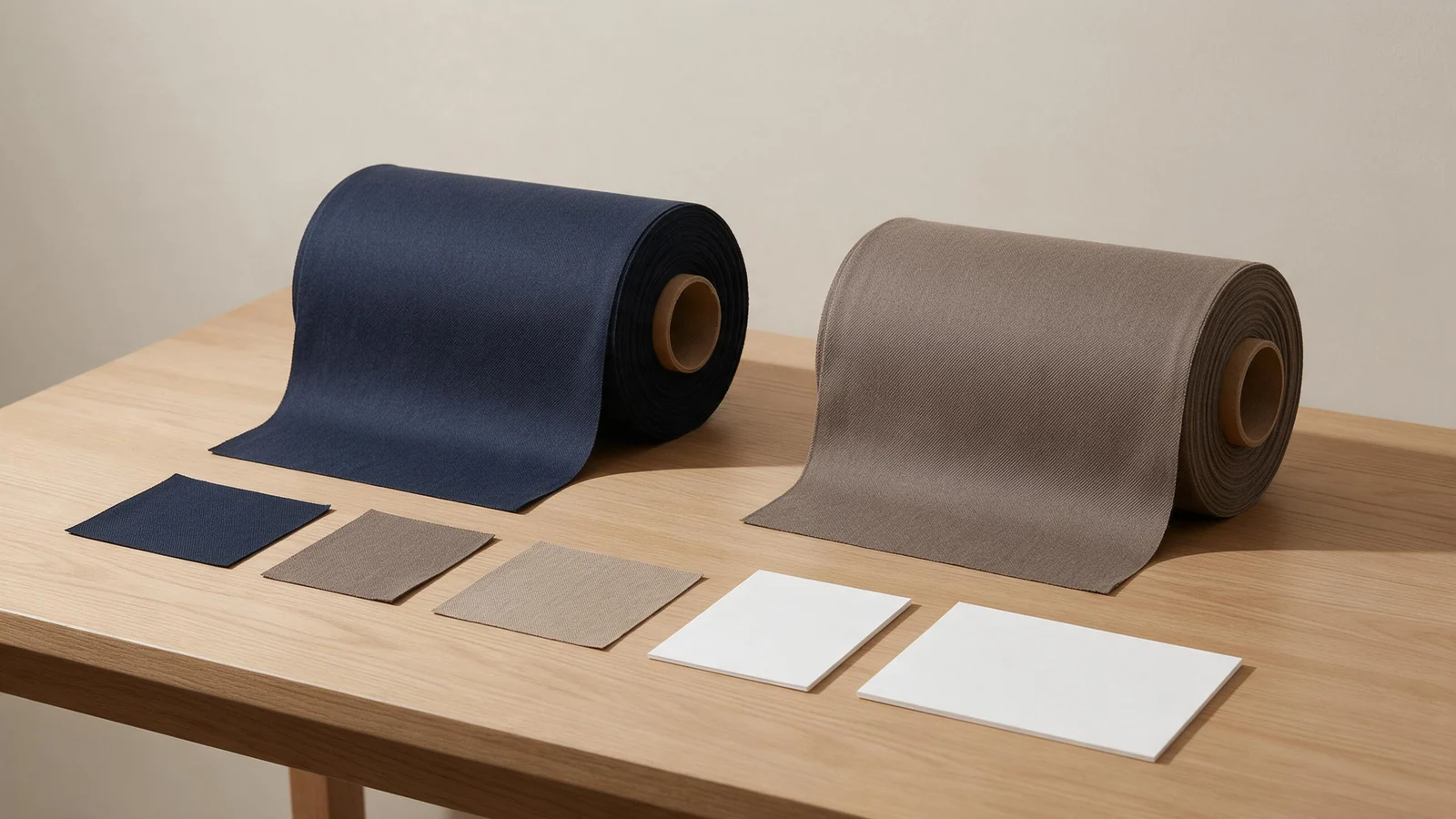
What work does each approval release?
Separate approval to buy materials, approval to begin bulk work and approval to ship. Agree the required checks and the person authorized to release each stage. Record the decision with the order and sample references.
A fit approval may leave fabric, color or label wording unresolved. List those open points and the evidence needed to close them. Use the sampling process guide to plan the relevant reviews.
Identify the approved material and trim references. Agree how the supplier should propose a replacement if a component cannot be supplied. Check its effect on the garment, cost, tests and schedule before agreeing to the change.
Put measurement tolerances and workmanship checks in the linked documents. Add any tests or inspections agreed for the project. State who supplies the results and who reviews them. A general phrase such as “good quality” gives a reviewer little to check.
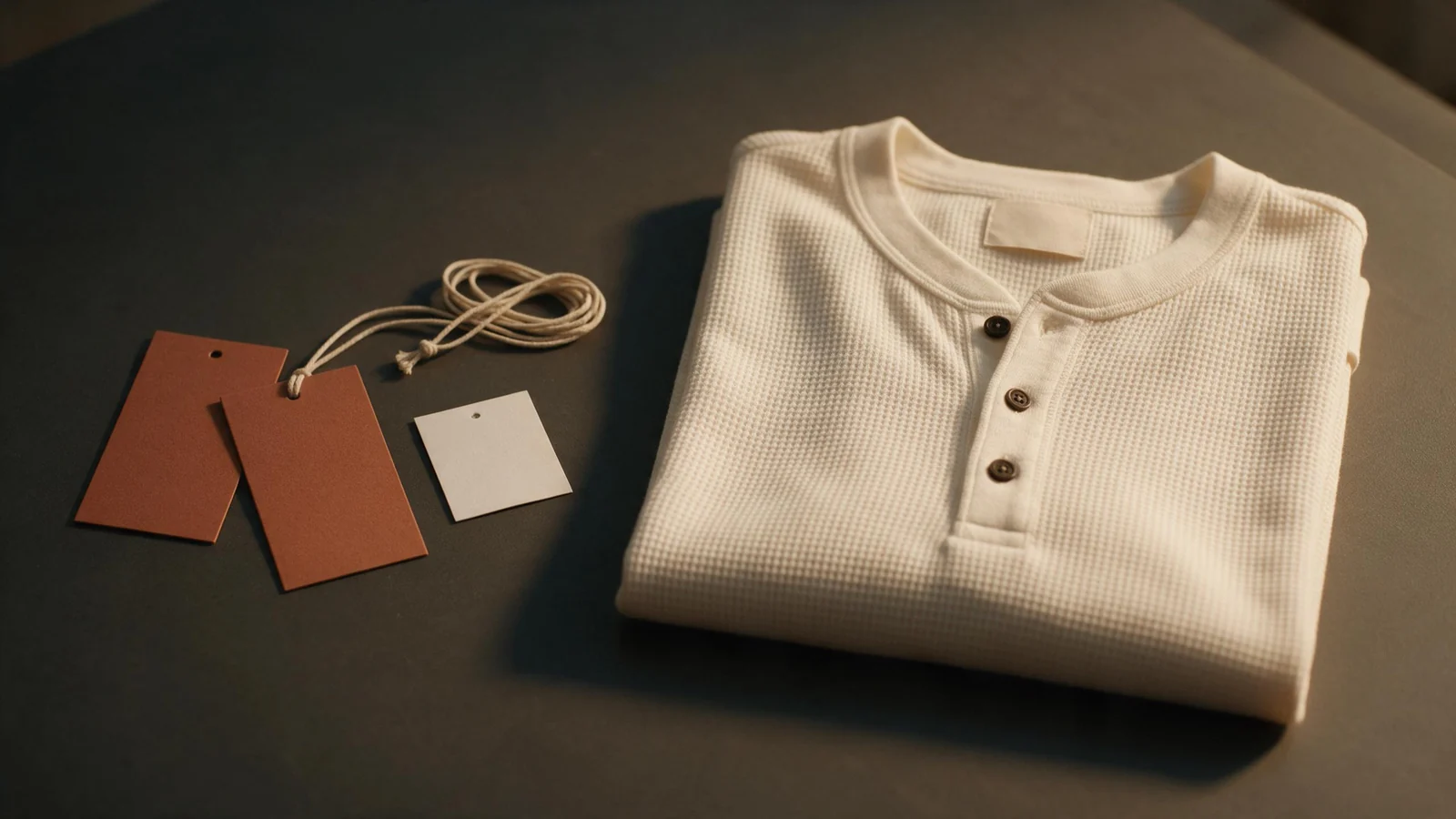
Which packing details and dates should you confirm?
Reference the approved label artwork, folding instructions, individual packing and carton assortment. Identify the version of each file. Confirm any channel-specific marking with the receiving warehouse or retailer before ordering it.
Give each schedule milestone a clear meaning. Factory readiness, dispatch and arrival at your destination happen at different points. Keep the requested date beside the supplier’s confirmed date. List the approvals and material arrivals needed to meet it.
If the parties use an Incoterms rule, record the rule, named place or port and version. ICC explains that these rules allocate delivery tasks, costs and risks. Payment terms and product specifications still need their own agreement. Read ICC’s Incoterms overview.
For split shipments, identify the quantities, destinations and dates for each part. Check the effect on packing, freight and the remaining balance before agreeing to the split.

How do you resolve differences in the order?
Put the draft order and supplier response side by side. For each difference, record the required answer and its owner. The table below is an original review layout with fictional entries. Replace them with your actual documents and agreements.
| Check | Draft order | Supplier response | Action to agree |
|---|---|---|---|
| Product version | Specification revision 3 | Revision 2 quoted | Review the revised scope and price |
| Color quantity | 40 green, 60 mustard | 50 green, 50 mustard | Confirm the accepted color and size rows |
| Packing | Approved packing brief attached | Packing allowance remains open | Confirm included work and added cost |
| Date | Arrival requested | Factory readiness offered | Confirm both milestones and transport scope |
| Approval | Material review pending | Bulk release requested | Resolve the material decision and release scope |
| Payment | Milestone stated | Different due-date trigger | Agree one payment schedule in writing |
Close each issue in the documents it affects. A corrected email total can still leave an old quantity sheet attached. Recheck all referenced files after the changes.
How do you track confirmation, changes and receipt?
Ask the supplier to respond to the exact order revision and flag any remaining differences. Save that response with the quote, product files and approval record. Shopify’s purchase-order workflow also places supplier confirmation before marking an order as ordered. See Shopify’s purchase-order workflow.
For a later change, issue a new revision with a short change summary. Ask which material purchases, work in progress, costs and dates it affects. Save the agreed response. Send the current files to the people doing the work.
When goods arrive, reconcile actual quantities by variant against the order and packing list. Track shortages, quality holds and any remaining delivery separately. Use the sellable-stock check before making received garments available for sale.
To discuss your first clothing production order with GoVoloom, send the garment brief and proposed quantity sheet. Include the decisions already made and any open questions. Development scope, fees, order allocation and timing are confirmed for the project.
