
Adult Clothing · Starting a Brand
Clothing Care Label Brief for Your First Order
Build your clothing care label brief around the garment and selling market. Use evidence to support the clothing care instructions. Confirm the text before approving artwork or ordering labels.
A clear brief links the fabric, trims, label files and sample checks. Give each open question an owner. Settle material choices before printing the care text.
What belongs in a clothing care label brief?
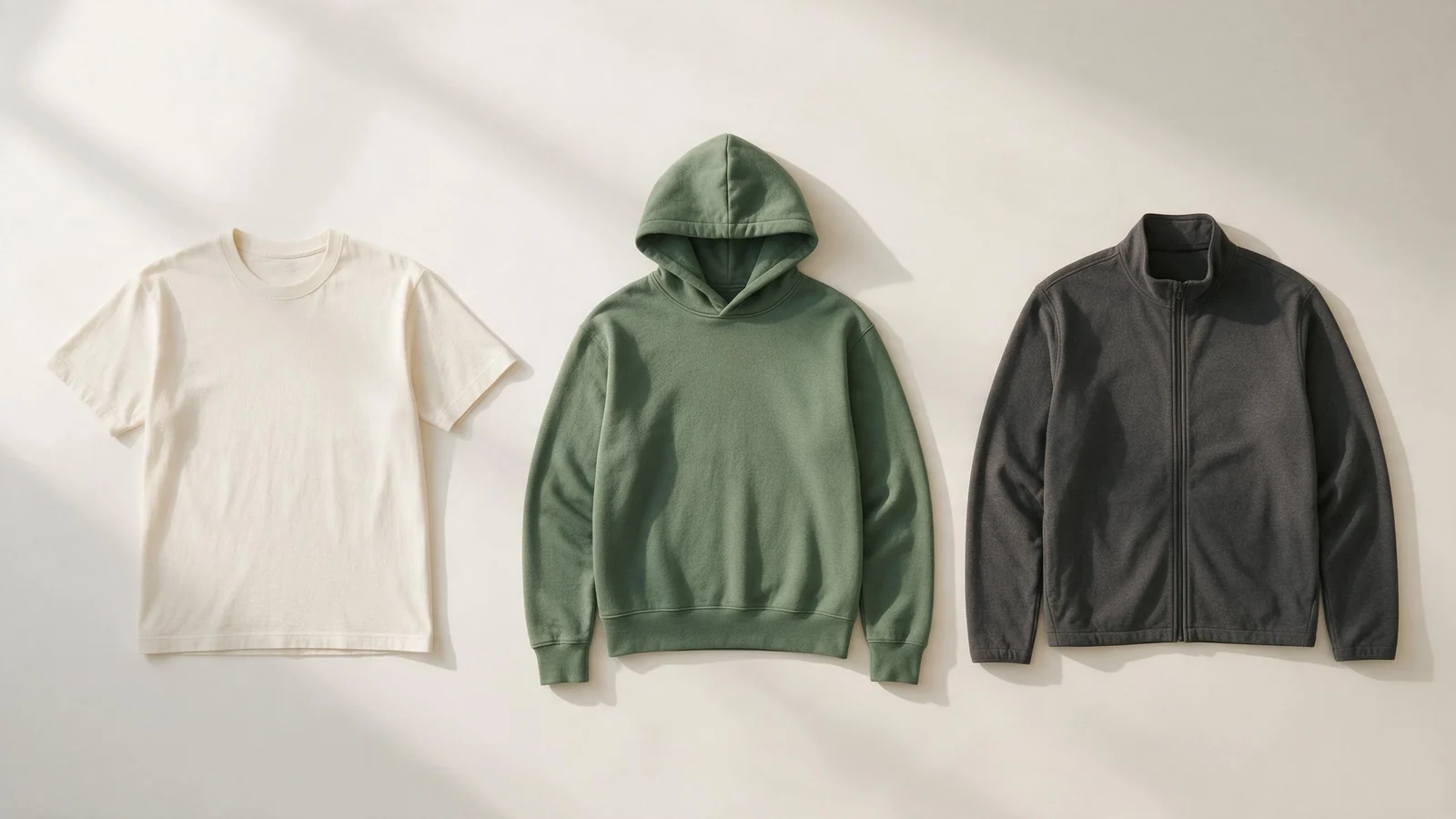
Keep product details, care evidence, label specifications and approvals together. Start with the style code and version. List the colours and materials it covers. Add the selling country and sales channel.
Use these fields to build your brief. Mark open decisions as pending, even when the layout looks finished.
| Field | What to record |
|---|---|
| Product and market | Style revision, covered variants, selling country, channel and person handling the market review. |
| Garment components | Fabric, lining, rib, decoration, trims and any proposed substitutes. |
| Care wording and evidence | Proposed instructions, the supporting records, open questions and who will resolve them. |
| Label specification | Artwork file, finished size, material, fold, printing and attachment details. |
| Sample review | Sample identity, agreed checks, observations, changes and the version to review again. |
| Release decision | Approved files, approval date, scope of approval and remaining holds. |
Keep the brand artwork, size details and care text easy to find. They may share a label. The clothing labels and packaging guide helps you plan the other parts of the order.
Which market should guide the label review?
Name the selling country and who will check its rules. A label from another brand may cover a different product, market or version.
The FTC Care Labeling Rule covers certain textile apparel sold in the United States. It requires manufacturers and importers to give regular care information with a reasonable basis.
The rule defines a care label as permanently attached and readable through the product's useful life. Check the current rule against your product. Read the FTC Care Labeling Rule.
The FTC has separate textile and wool rules for fibre content, country of origin and the responsible business's identity. Check these alongside care wording. Approving care text alone leaves those checks open. See the FTC textile labeling guidance.
For another market, check its rules and decide which languages to use. If you want care symbols, confirm the accepted system. Check whether the artwork needs permission before ordering it.
How do you connect garment components to care evidence?
Match your records to the materials and trims used together. A fabric description leaves questions about the rest of the garment.
The FTC says reliable support may come from technical literature, experience, expertise or testing. What you need depends on the circumstances.
Records for separate components must also support care of the finished garment. The FTC gives colour bleeding between parts as an example. Separate tests may miss that interaction. Read the FTC care-label guidance.
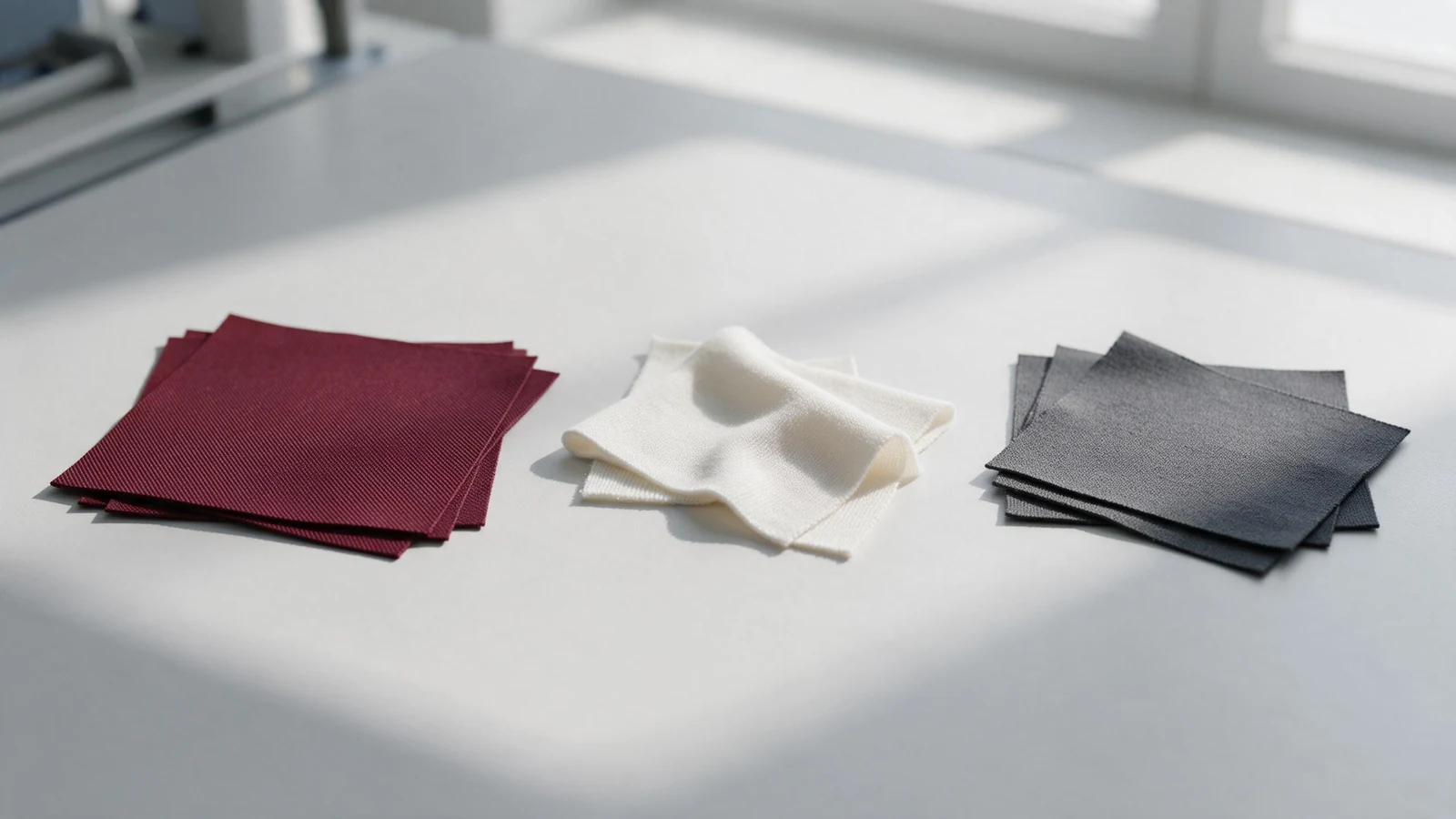
For each record, note the material, colour, finish and source. Add the garment version and what the record supports. Ask for details if a supplier note or report leaves the material unclear.
Consider a fictional planning example. An overshirt has a dark body, pale facing, buttons and a printed detail. You need care information for that combination. A record for the plain body fabric leaves the other parts and their interaction open.
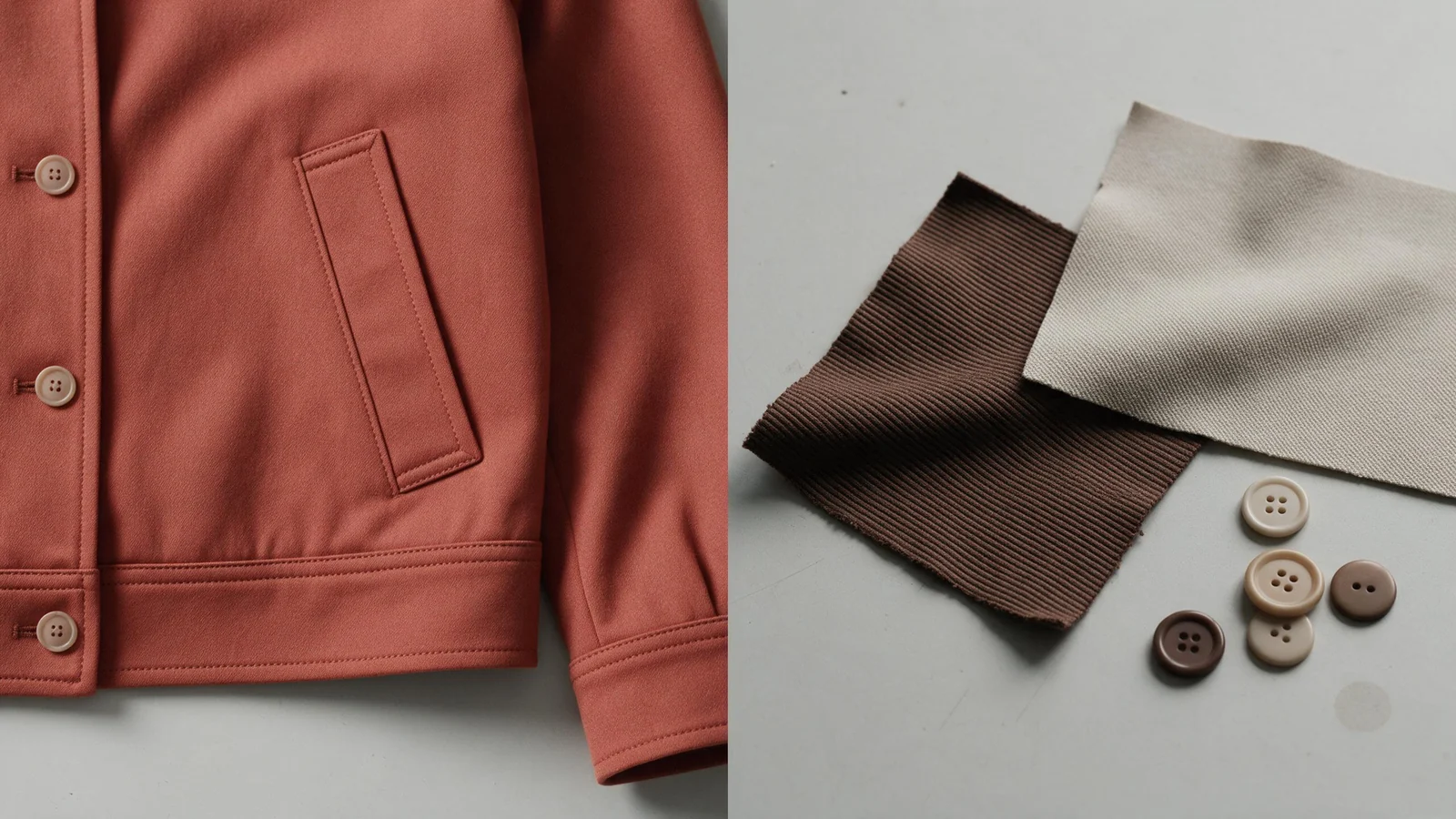
Agree how to check those questions. Name the sample, cleaning and drying procedure, and what you will observe. The fabric shrinkage guide helps you plan size checks. Agree on methods and review criteria for your project.
How do you handle unconfirmed clothing care instructions?
Mark proposed wording as pending while questions remain open. Name who will check each point and what they need.
Your internal brief might say “drying method awaiting review”. Add an owner and next action. Keep this note out of print-ready artwork. Leave the care decision open until it has support.
When a fabric, finish, lining or trim changes, review the care decisions it affects. Link the new material to the updated text and evidence. Record what a colour or fit approval covers.
Have the reviewer settle the full instructions and any needed warnings before final artwork. Give the approved text a version number. Share that file with the designer and label supplier.
What should the artwork and attachment brief show?
Show the approved text at finished size. Explain how the label will be made and sewn in. Give its dimensions, folds, print area and print direction. Name the point used to measure its position.
View the layout at its finished size. Check each line, symbol and language against the approved text. Look for print hidden by folds or seams. Check line breaks and contrast. Agree on the label material and printing process with your supplier.
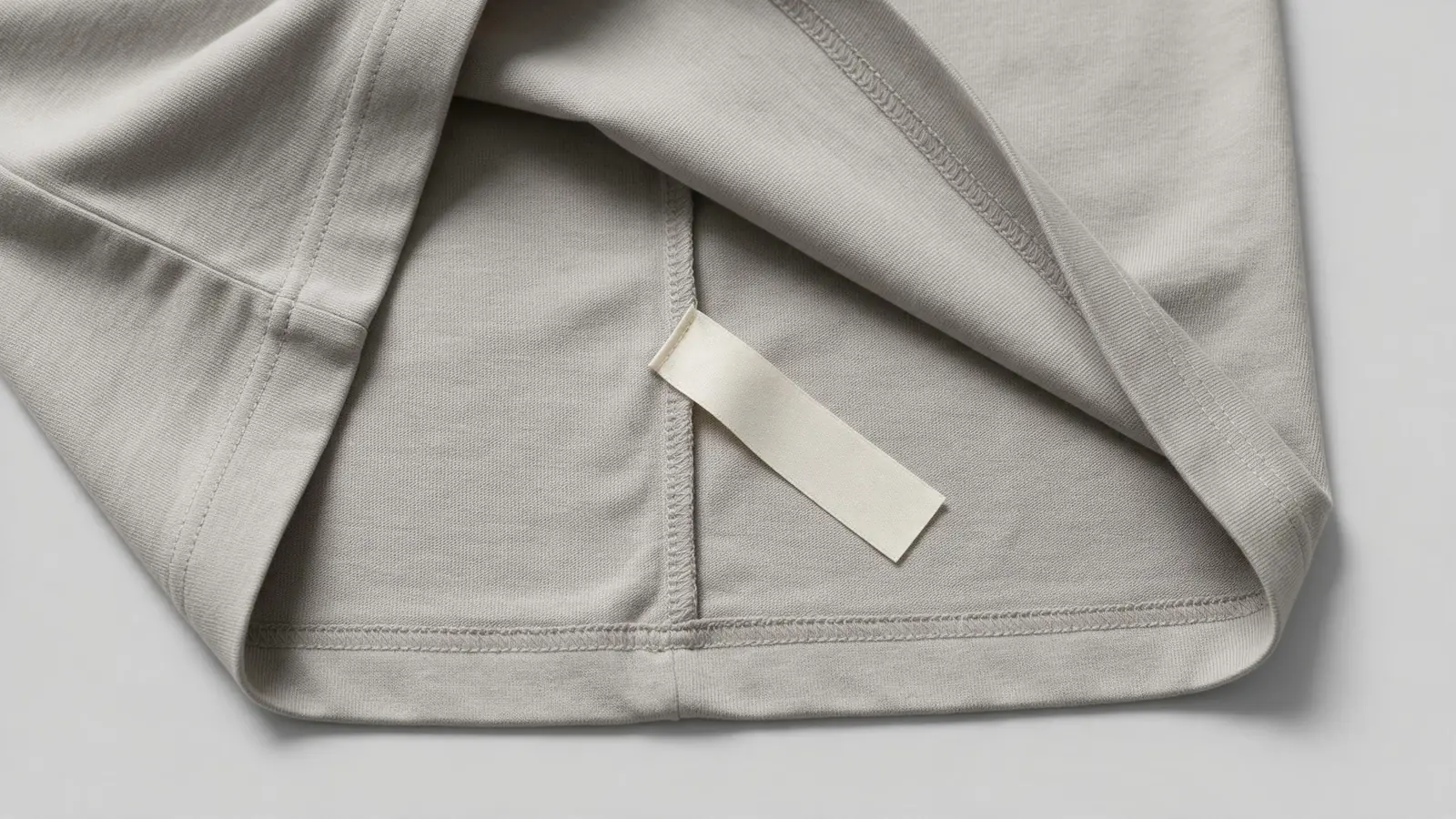
Show the label position on a garment drawing with notes. Name the seam or edge where each measurement starts. The label placement sample brief covers neck, side-seam and hem references.
A blank mock-up helps you discuss label size and position. Check the final wording and physical label separately. Can you read it clearly, and does it suit the garment?
What do you check on the labelled sample?
Compare the sample with the approved files and agreed care checks. Note which garment and label version you reviewed.
Compare the text with the artwork. Check the label's size, direction and stitching. Can the wearer find and read it? Check skin contact and how it sits as the garment moves. Take close and full-garment photos to support your notes.
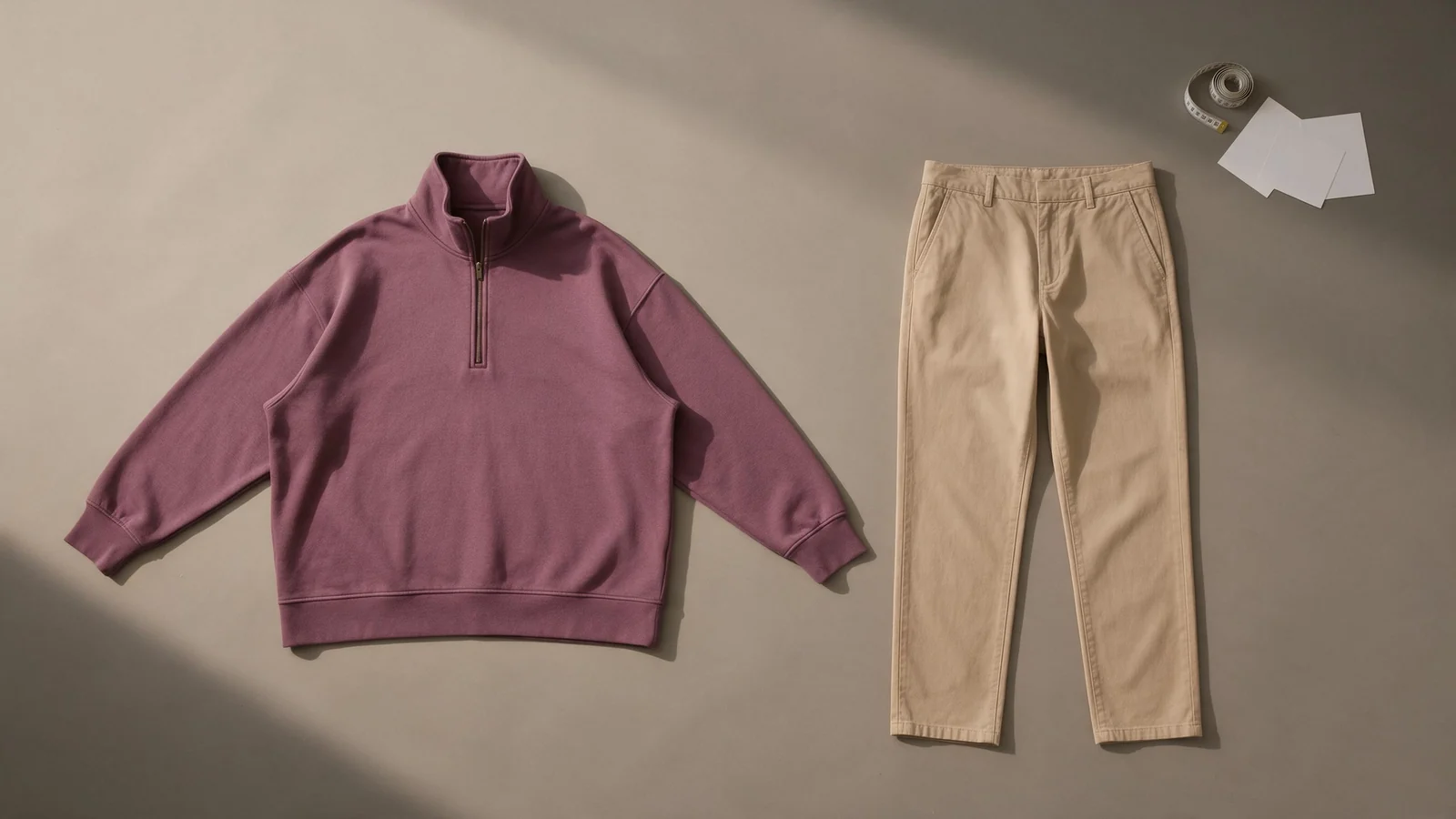
For agreed care checks, write down the procedure and conditions you used. Compare size, appearance, lettering and stitching before and after. Link your notes to the sample and its records.
Describe where and how anything changed. Ask what to revise and which checks to repeat. Keep these comments in your clothing sampling process review history.
What completes care label approval?
Finish care label approval for the stated garment version before ordering. Confirm the market review, care text, label details and required sample checks. Send your supplier the approved file names and written permission to start.
Keep the final text, artwork, material reference and placement drawing together. Note when each approval was given and what it covers. Make the current files easy to find.
Use these files during production review. If a label, material or trim is replaced, check which approvals need another look. Match the care text on your product page to the approved garment information.
Send your garment brief, target market and label questions through the project inquiry form. MOQ is 100 pieces. We confirm the development scope, costs and timing for your project.
