
Adult Clothing · Starting a Brand
How to Decide What to Reorder After Your First Clothing Drop
Decide what to reorder by comparing each variant's sales with its time in stock, product feedback and remaining inventory. Then check whether another order fits the current specification, delivery window and cash available. A sold-out badge or a busy launch day is a reason to investigate; neither tells you how many garments to manufacture next.
This guide helps an adult clothing or streetwear brand make a reorder, revise or wait decision after its first drop, as part of the broader clothing-brand launch plan. Start with a reconciled sellable-stock count. The next job is to interpret what happened while the garments were on sale.
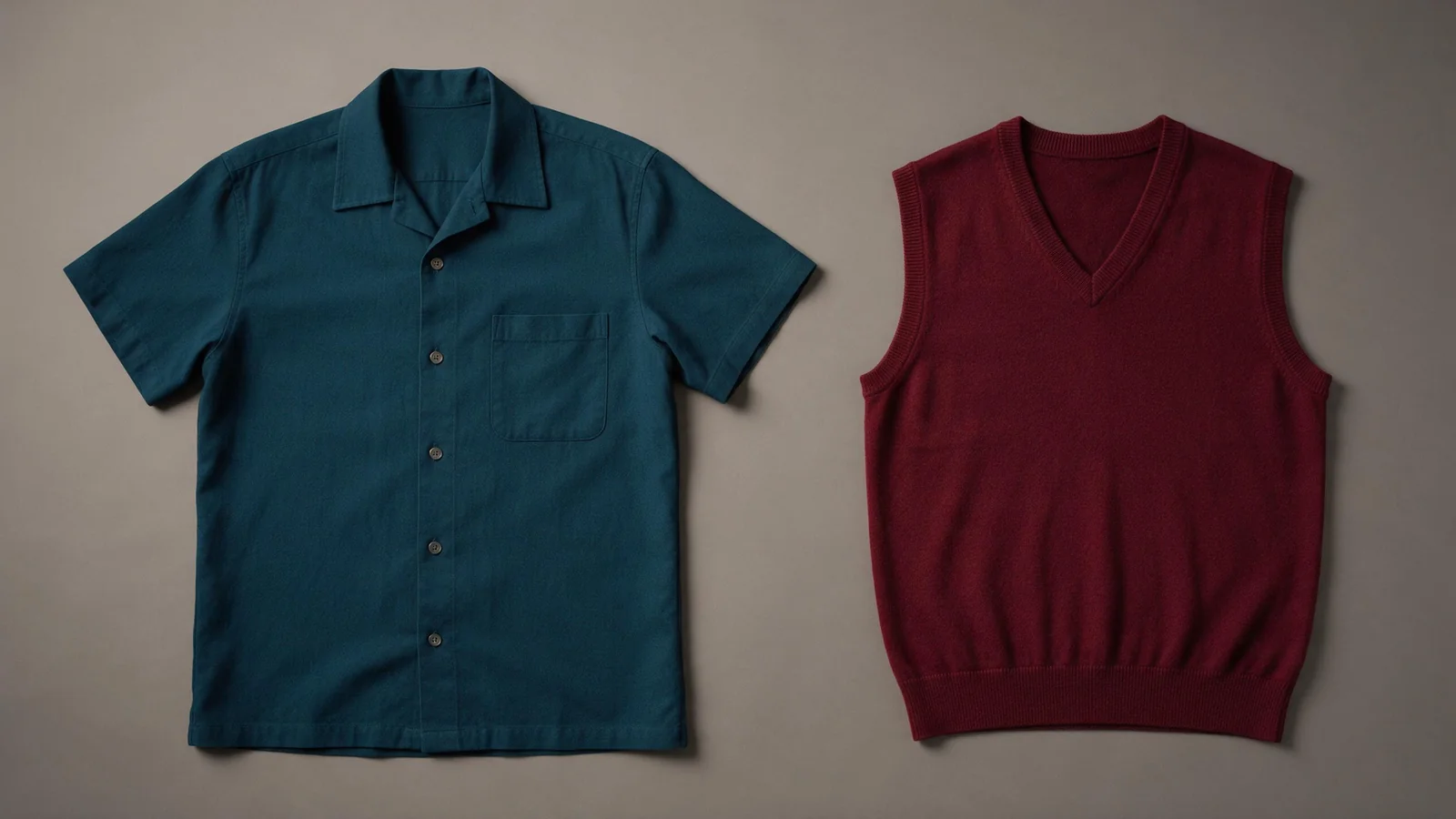
1. Build a comparison that describes the same period
Choose a start date, an end date and a review cutoff. Use one row for each style, color, size and product version. Keep the original identifiers when a product name changes, so a renamed item does not become a second apparent bestseller.
Bring together the units offered, units ordered, cancellations, fulfilled units, physical returns, exchanges and current usable stock. Keep the original order reference behind each movement. If your export already subtracts a cancellation or return, do not subtract it again. For an exchange, record the original variant coming back and the replacement going out; it is not automatically a second independent purchase.
Check the report definition before calling a column “sales.” Shopify's Sales reports documentation distinguishes order values, reversals and payments, and warns that sales reports can include pending, unpaid and canceled orders. A refund also does not always mean a garment came back. Match the fields you use to the decision you are making.
Keep the review open to later information. Orders placed near the end of the period may still be in transit or within the applicable return period. Mark that exposure as unresolved, rather than presenting the current return count as a final product verdict.
2. Read a sellout alongside starting stock and exposure
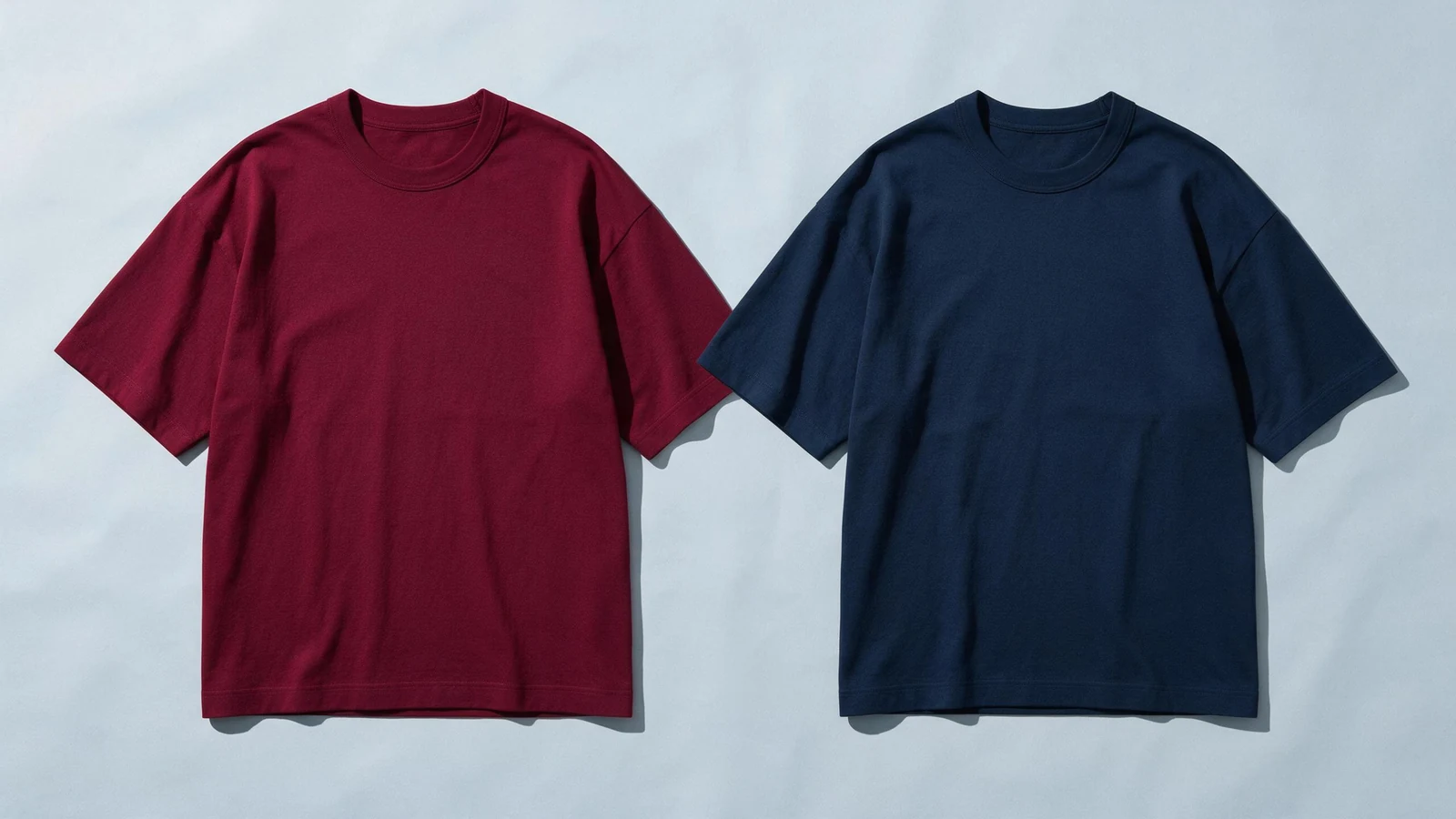
A color that sold out from a tiny allocation has a different evidence base from a color that sold more units and still has stock. Use both absolute units and a clearly defined proportion. The simple comparison below divides fulfilled units by opening units; it is an editorial example, not a universal definition of a platform's sell-through metric.
| Variant | Opening units | Fulfilled units | Opening units sold | Availability |
|---|---|---|---|---|
| Color A, size M | 8 | 8 | 8 ÷ 8 = 100% | Sold out at the end of day 2 |
| Color B, size M | 40 | 24 | 24 ÷ 40 = 60% | Available throughout all 14 days |
Color A has the higher proportion; Color B has more fulfilled units. Neither result establishes the better reorder quantity. Color A could not record further ready-stock purchases after it sold out. Color B had a longer opportunity to sell. Do not treat the twelve unavailable days as twelve days of demonstrated rejection, or multiply the first two days' pace into a confident monthly forecast.
Look at a shared in-stock window where records allow it, then note differences in price, discounts, product-page placement, launch emails and traffic sources. A featured color and a barely visible color did not receive the same test. Product-level page views also do not prove which size a visitor wanted. If you lack variant-level exposure, record the limitation.
Requests for restock updates can add context, but they are not fulfilled sales. Keep unique, relevant requests separate from orders and from casual reactions. Do not apply an invented conversion percentage to turn a waiting list into a production quantity.
3. Give each variant a decision and a reason
Separate commercial interest from readiness to repeat the product. A well-selling garment may still need a measured fit correction. A slow-selling size may have been unavailable, mislabeled or poorly explained. Investigate the specific issue before increasing or removing its allocation.
| Action | Evidence to look for | What must happen next |
|---|---|---|
| Reorder candidate | Sales across a meaningful observation period; usable product feedback; a specification you intend to repeat | Check remaining and incoming stock, a current quote and the required arrival date |
| Revise before repeating | A documented fit, construction or information issue that needs a specific correction | Approve the change and identify the new version before committing bulk quantity |
| Wait and investigate | Too few observations, unequal exposure, unresolved stock records or unclear product readiness | Name the missing evidence and a review date; do not fill the gap with a guessed demand figure |
A group of “too small” comments does not identify which measurement to change. Use the returns-to-revision brief to separate a buyer's report, the checked garment evidence and the requested change. If you change the fit, fabric or design materially, treat the next version's sales forecast with additional caution: the first version's results are evidence about that first version.
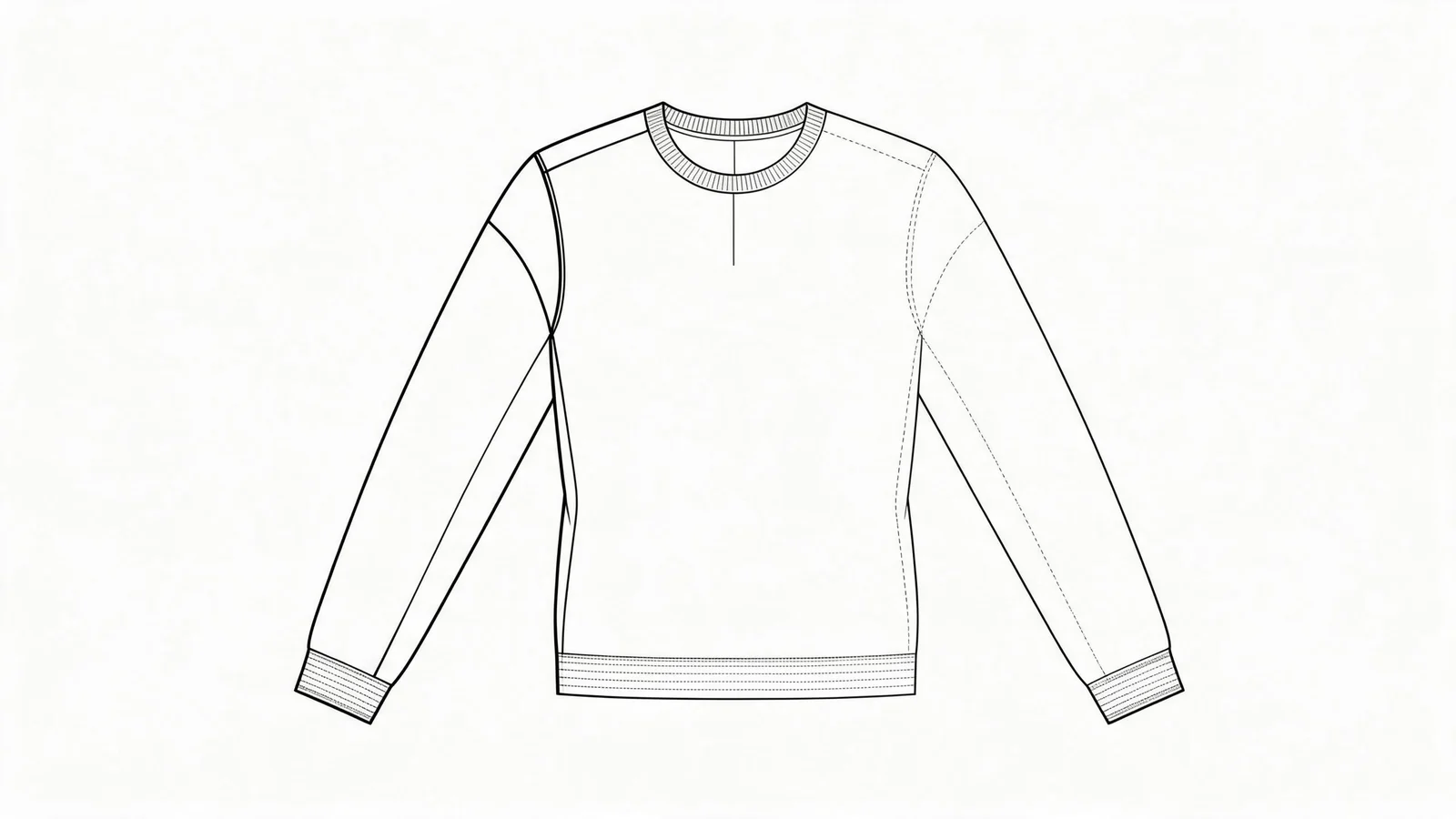
You do not need one decision for the entire collection. Continue a supported item, hold an unresolved item, and keep the reason beside each variant. That produces a more useful supplier brief than “repeat everything, but make more of the popular sizes.”
4. Turn a demand assumption into a stock gap
Choose the period the next order is meant to cover. Write down the expected sales for that period and why the assumption is reasonable. For a new brand, use a lower-sales and a higher-sales case to see how the decision changes. Short launch data cannot establish a reliable long-term pattern by itself.
As a planning check, compare expected future units sold plus the usable stock you want left at the period's end with usable, uncommitted stock now plus confirmed, unallocated incoming units expected within that period. Use the same variants and dates on both sides. Keep uninspected returns and uncertain deliveries out of confirmed supply.
For example, suppose a hypothetical plan assumes 110 future units sold and 20 usable units remaining at the end. If 30 uncommitted units are usable now and 25 more are confirmed to arrive in time, the additional requirement is 110 + 20 − 30 − 25 = 75 units. This is an assumed planning scenario, not a GoVoloom order, forecast or recommendation. The 20-unit closing allowance is an explicit choice, not a standard buffer.
A period total can still hide a shortage before delivery. Place the incoming stock on its expected usable date, allowing for transport, receipt and required checks. If your existing stock runs out earlier, increasing a later production order will not solve that earlier gap. Review the timing, the offer or the next launch plan without promising an unsupported arrival date.
The calculated gap is not a purchase order. Confirm the supplier's applicable minimum and permitted mix, then examine the surplus that those conditions would create. If the feasible order is larger than you can support, adjust the assortment or wait. Do not round up and call the extra units proven demand.
5. Confirm what will stay the same in the repeat order
Send the previous approved specification and retained reference together with a short change list. Identify the style version, quantities by variant, fabric reference, colors, measurements, artwork, trims, labels and packing. Write “unchanged” only where that is the actual requirement, and ask the supplier to identify substitutions or new approvals needed.
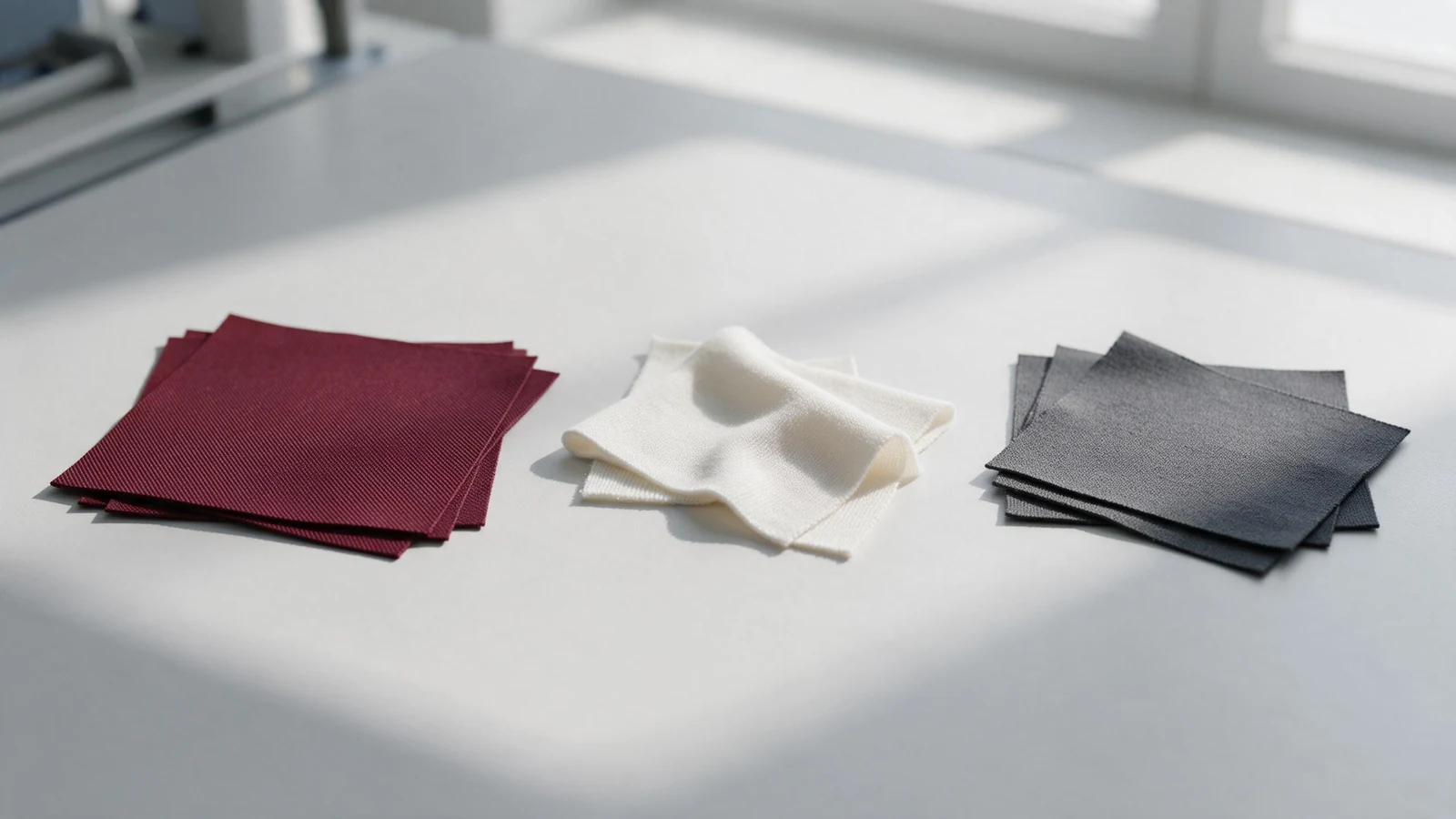
Ask whether the planned material and color remain available, which parts need a fresh sample or approval, and what the current production and shipping plan supports. A past order does not reserve the same material or a future production slot. Keep the small-batch reorder checklist as the procurement reference.
Recheck the total cash commitment and payment dates. Include approved revisions, garments, labels, packing and delivery costs as applicable; compare them with available cash and existing obligations. Revenue in a sales report is not the same as cash ready to fund the order. The retail-price planning guide helps keep pricing assumptions and cash timing separate.
6. Keep a decision record you can revisit
For each proposed reorder, save the review period, variant and version, sales definition, availability notes, unresolved returns, current usable stock, confirmed incoming quantities, demand assumptions, proposed quantity, supplier conditions and decision date. Add the person responsible for the next check.
Write the reason in plain language: “consider a repeat after confirming the new fabric lot,” “approve the fit revision before quantity,” or “wait until this variant has a comparable in-stock observation window.” Review the record when those conditions change. There is no universal first-drop sales percentage that makes a reorder safe.
When you are ready to discuss production, send GoVoloom the product reference, intended changes, proposed quantities and target delivery market. MOQ: 100 pieces. Quantity allocation, materials, price and timing need confirmation for the project.
Source notes: Shopify Help Center's Sales reports and Inventory reports inform the reporting distinctions; business.gov.au's Manage your inventory informs the stock and timing checks. Sources checked October 26, 2026. The comparison, decision table and stock-gap example are editorial planning methods, not customer results or sales forecasts.
