
Fabrics
Hoodie GSM Guide: What Fabric Weight Actually Means
Choose hoodie fabric around the intended wear, silhouette and inside feel. Use 280, 320 and 400 GSM as comparison points, then check composition, construction, finishing and a sample before approving the material.
August 11, 2026 · Updated October 25, 2026
Table of Contents
1. What GSM Actually Measures
GSM means grams per square meter: fabric mass divided by its area. A fabric measured at 320 GSM has a mass of 320 grams per square meter under the measurement conditions. It is not the weight of a finished hoodie.
GSM alone does not establish thickness, warmth, softness or quality. Compare it with the fiber content, yarn, knit construction and finishing. A French terry and a brushed fleece at the same GSM can have different surfaces and drape.
The calculation is GSM = specimen mass in grams ÷ specimen area in square meters. An accurately cut 10 cm × 10 cm specimen has an area of 0.01 m²; a mass of 3.20 g gives 320 GSM. Small specimens need a scale capable of resolving small differences. Cutting accuracy, moisture and specimen preparation affect the result.
For an order acceptance check, agree the sampling and measurement method with the supplier or laboratory. ASTM D3776/D3776M covers fabric mass per unit area; its public summary distinguishes small-swatch results from conclusions about the whole lot. A home calculation is a screening check, not proof that a bulk lot meets an agreed specification.
2. Comparing 280, 320 and 400 GSM
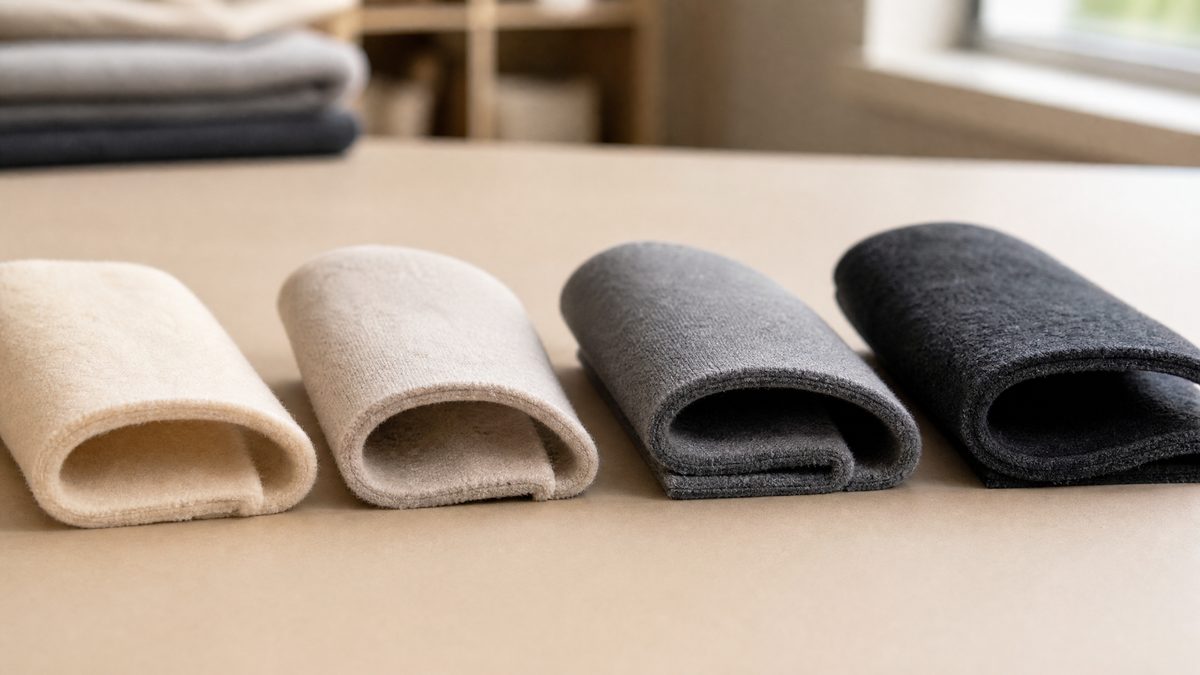
These numbers are comparison points, not universal quality classes or a list of available GoVoloom fabrics. Ask for identified swatches and compare their full specifications. Labels such as “midweight” and “heavyweight” do not replace a measured weight.
| Example target | Mass of 1 m² | What to compare on the sample |
|---|---|---|
| 280 GSM | 280 g | Drape, coverage, inside feel and whether the hood and pockets hold the intended shape. |
| 320 GSM | 320 g | The same checks, using the planned fit, rib and decoration rather than assuming a standard result. |
| 400 GSM | 400 g | Wear comfort, hood weight, folded seam bulk and movement as well as the desired silhouette. |
For equal areas, 400 GSM has about 43% more mass than 280 GSM: (400 − 280) ÷ 280. That calculation does not predict a 43% increase in finished hoodie weight or price. Those comparisons need the actual garment construction and quotation.
3. GSM Isn't Everything: French Terry vs Fleece
Look at both sides of the proposed fabric and record the finish.
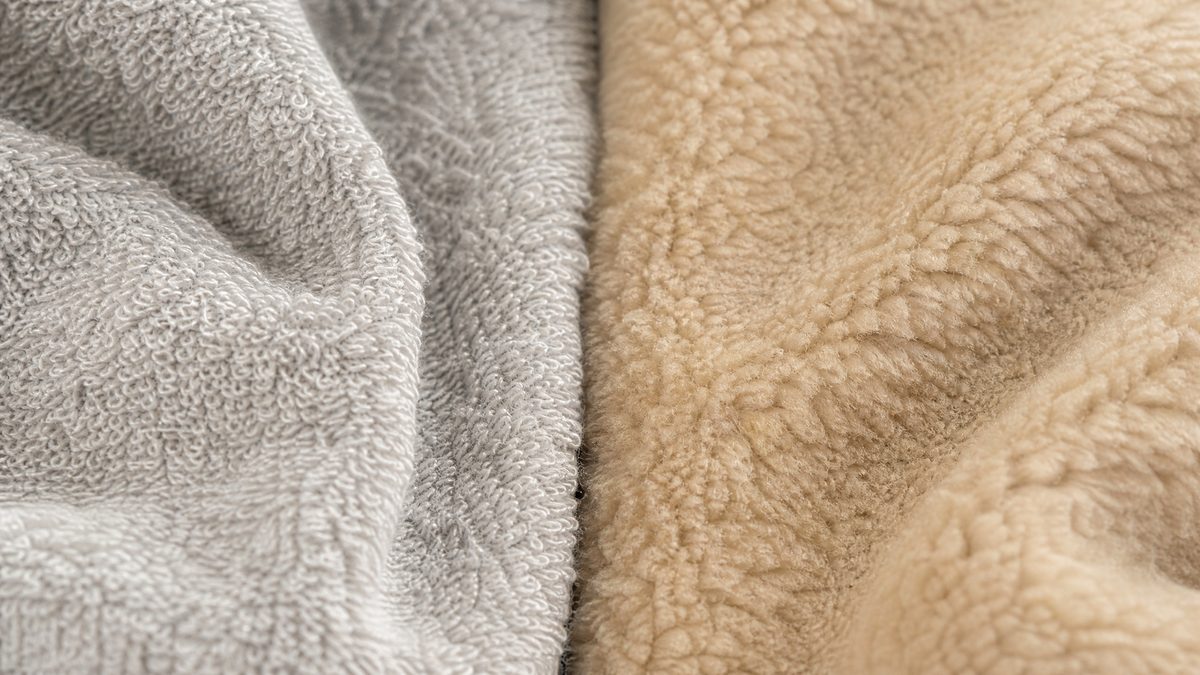
French terry (loopback) has visible loops on the inner side. Compare the loop texture, stretch, drape and contact feel on the actual swatch.
Brushed sweatshirt fleece has an inner surface raised by brushing or napping. Compare the amount of raising, loose surface fiber and handfeel before and after the agreed care procedure. The names alone do not establish breathability, pilling resistance or a warmth rating.
CottonWorks explains this relationship in its Single & Double Knits material. Use the construction term together with a swatch reference and fiber content.
Fiber composition should state the actual percentages. “Cotton blend,” “CVC” or “TC” alone is not a complete specification. Compare the proposed blend on the intended garment; composition and GSM do not by themselves guarantee price, shrinkage or print quality.
A usable material brief identifies the swatch, composition, construction, finish and target GSM, then states the checks still needed.
Use our French terry and brushed fleece sample comparison for the inside-surface checks, or the fabric selector to prepare the material direction.
4. What Weight Changes in Production
Use a weight change to reopen the affected sample and quote decisions:
- Unit cost. Confirm whether fabric is quoted by kilogram, meter or another unit. Compare usable width, garment consumption, cutting yield, finishing and quantity as well as GSM. Request two quotes against the same style and quantity instead of applying a fixed fabric-cost percentage.
- Dimensional change. Knit construction and processing affect shrinkage; a higher GSM is not a shrinkage forecast. CottonWorks describes how compaction can reduce length shrinkage, but a finishing name does not replace the agreed wash check on the proposed material.
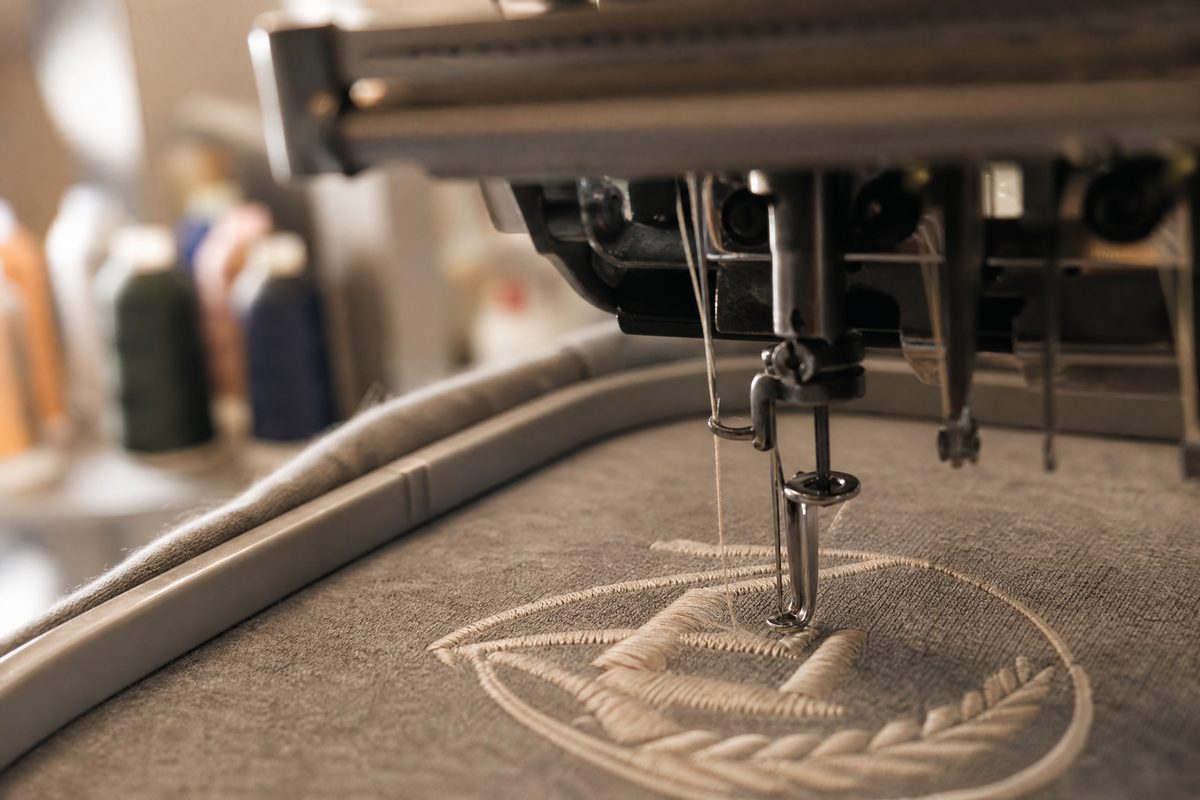
- Decoration. Review the artwork, size, placement, backing or support and handfeel on the selected fabric. Approve print or embroidery through a relevant sample; more GSM does not guarantee cleaner stitching, raised print or a flatter appliqué.
- Dyeing and washes. Confirm the fiber, dye or finish route, shade reference and effect on the garment and trims. Compare the treated sample with the agreed target; no GSM threshold establishes the result.
- Packing and freight. Use measured garment and packed-carton weight, dimensions and the proposed shipping service. Fabric GSM alone cannot determine the shipment's chargeable weight or cost.
Keep the care procedure and acceptance limits explicit. AATCC TM135 addresses fabric dimensional change and TM150 addresses garment dimensional change after home laundering. Agree the method and conditions for your project, and obtain the results for the selected sample before approval.
5. Choosing by Market and Season
Describe how the hoodie will be worn before selecting a weight. These are sample-review priorities, not fixed GSM prescriptions:
| Your intended use | Compare first | Decision to record |
|---|---|---|
| Layering or warm-weather wear | Inside feel, drape and comfort with the intended underlayer | Which candidate feels appropriate in the intended wearing conditions? |
| Boxy or oversized silhouette | Body shape, shoulder fall, hood balance and rib | Does the sewn sample achieve the shape without unwanted bulk? |
| Cool-weather wear | Inner surface, layers, fit and movement | What comfort or performance requirement still needs evaluation? |
| Large print or embroidery | Decorated sample on the proposed base and artwork placement | Are appearance, support, handfeel and the agreed care results acceptable? |
| First brand order | Two suitable swatches, one clear garment brief and comparable quotes | Which choice meets the product brief and budget, and what remains unconfirmed? |
When comparing two weights, keep the pattern, size and intended decoration consistent where practical. Label each swatch and sample. If composition, construction or finish also changes, record that difference so you do not attribute the whole result to GSM. Review both options instead of automatically choosing the heavier one.
6. How to Specify GSM in Your Tech Pack
Connect the weight target to an identifiable material and a review method:

- Material reference. Supplier or swatch code, version and intended garment use; retain the agreed physical reference where available.
- Target weight and tolerance. State the target in g/m² and agree the acceptable range. A tolerance from an example is not an automatic production standard.
- Composition and construction. Record fiber percentages, French terry or brushed fleece construction, face finish and inner finish.
- Measurement state. Say whether the target applies before or after a specified finishing or care process. Agree sampling, conditioning and measurement methods rather than comparing readings taken under different conditions.
- Approval checks. List fit, rib, decoration and the care or performance checks required, with acceptance criteria and any untested items.
Review the proposed fabric before committing to it, then review the sewn hoodie against the same specification. A whole hoodie's weight cannot verify fabric GSM because the garment includes seams, layers, rib and trims. Record material measurements and garment observations separately in the quality review.
If you do not have a target yet, describe the feel and silhouette you want and share a suitable reference. Use the fabric selector and hoodie project worksheet to record what is known and what needs review. The fabric sourcing guide covers material decisions beyond hoodie fleece.
FAQ
Is higher GSM always better?
No. GSM measures mass per area, not a quality grade or warmth rating. Choose the material by intended wear, composition, construction, finish and the sampled garment. A heavier option is useful only if it meets that brief.
How should I compare 280, 320 and 400 GSM for a streetwear hoodie?
Treat them as candidate weights, not basic, standard and luxury grades. Compare identified swatches and sample the intended silhouette, hood, rib and decoration. Record changes in composition or finish as well as weight; no single GSM is required for streetwear.
How much does GSM affect the price?
There is no fixed percentage. For equal areas, 400 GSM has about 43% more mass than 280 GSM, but garment cost also depends on material price, width, consumption, cutting yield, finishing, trims, labor and quantity. Compare written quotes for the same garment brief.
How can I check the GSM of a swatch?
Divide its measured mass in grams by its accurately measured area in square meters. For a 10 cm by 10 cm specimen, multiply the mass in grams by 100. Use a suitable scale and consistent specimen conditions. This checks that specimen; agree a sampling and test method for any lot-acceptance decision.
Can I request a GSM that is not currently available?
Ask the supplier to review the target weight, composition and construction with the mill. Compare any feasible custom-knit proposal with available alternatives, then confirm quantities, samples, price and timing in the written quote. Availability is project-specific.
Planning a hoodie line?
Share your hoodie reference, material direction, planned quantity and target arrival date. GoVoloom’s MOQ is 100 pieces; material options, sample scope, price and timing need confirmation for your project.
Discuss your hoodie brief →