Adult Streetwear · Printing Techniques
DTF Printing for Clothing: Process, Feel and Limits
Direct-to-film printing, usually shortened to DTF, transfers a printed design from a temporary film onto fabric using a heat-activated adhesive. The film is removed; the printed design and adhesive remain on the garment. It is a useful option for detailed, multicolour graphics, but the result still depends on the transfer system, fabric, artwork and application process.
For a streetwear brand, the important question is how that transferred layer will look and feel on the chosen garment. A small illustrated chest graphic and a large solid back panel can use the same general process yet create quite different products. Understanding the layers helps you choose a suitable design before paying for samples.
How DTF printing works
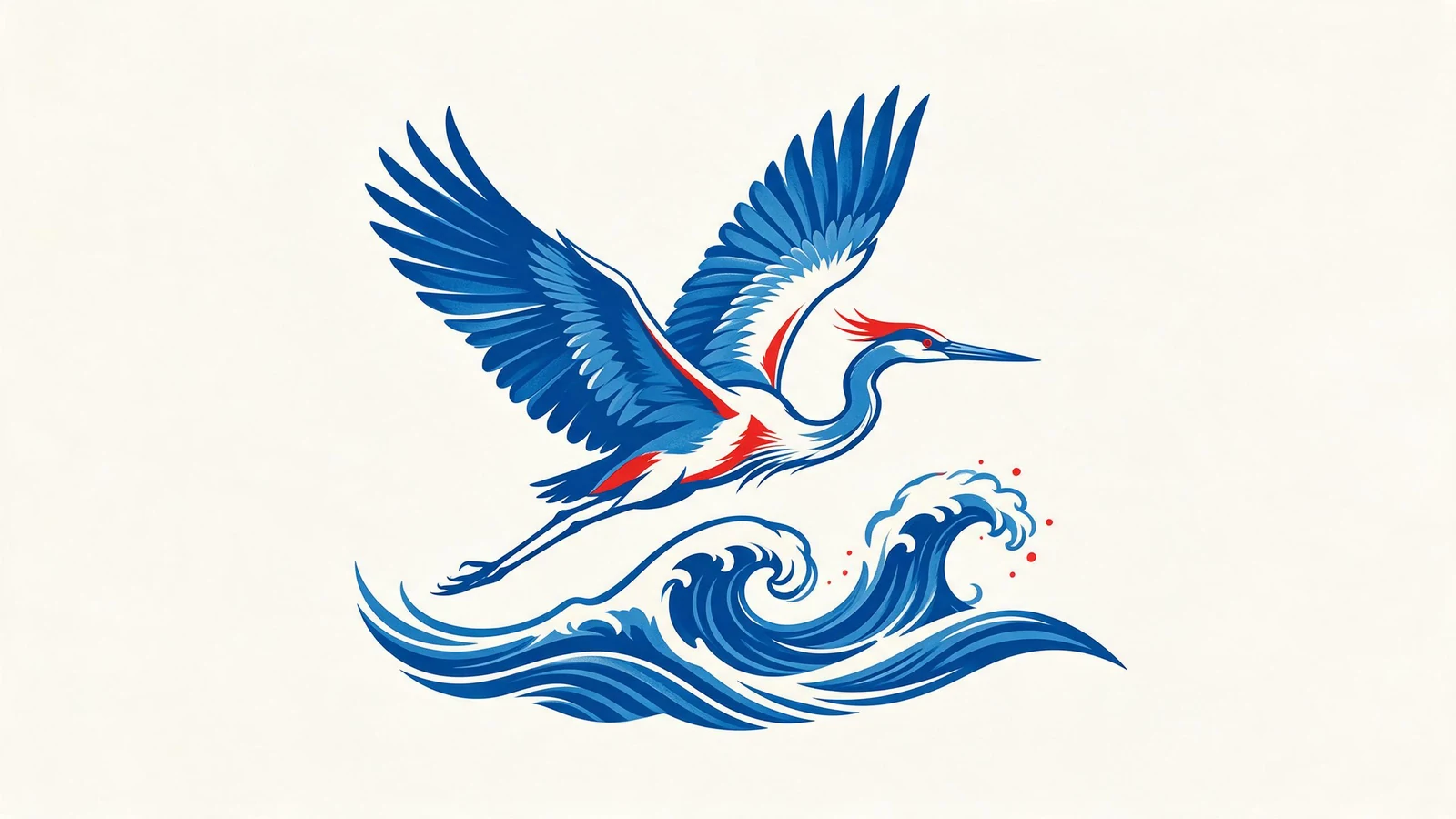
DTF creates the image on a separate carrier, then bonds it to the garment with heat and pressure.
The production team prepares the artwork for the printer, including the colour information and white backing needed by the selected system. It prints onto a release film rather than directly onto the garment. A hot-melt adhesive powder is applied to the wet printed areas, excess powder is removed, and the adhesive is heated according to the system's instructions. The prepared transfer is then positioned on the fabric and pressed.
The carrier peels away at the stage specified for that particular transfer: some products require a hot or warm peel, while others require cooling. A finishing press may also be part of the supplier's process. These details are not interchangeable. Changing the film or adhesive while retaining an old press recipe can change the outcome even when the artwork is identical.
There is no universal temperature, pressure or dwell-time setting that is safe to copy across all garments. The transfer manufacturer's instructions and the garment's heat tolerance both matter. A cotton T-shirt, coated shell and polyester-rich sweatshirt cannot be treated as the same substrate simply because each is described as clothing.
DTF sits within the wider family of heat transfer printing methods. It is different from cutting a design out of coloured heat-transfer vinyl, and different from printing ink directly onto a garment. The temporary carrier is a manufacturing aid, not a clear sheet that should remain over the finished artwork.
What changes the look and handfeel
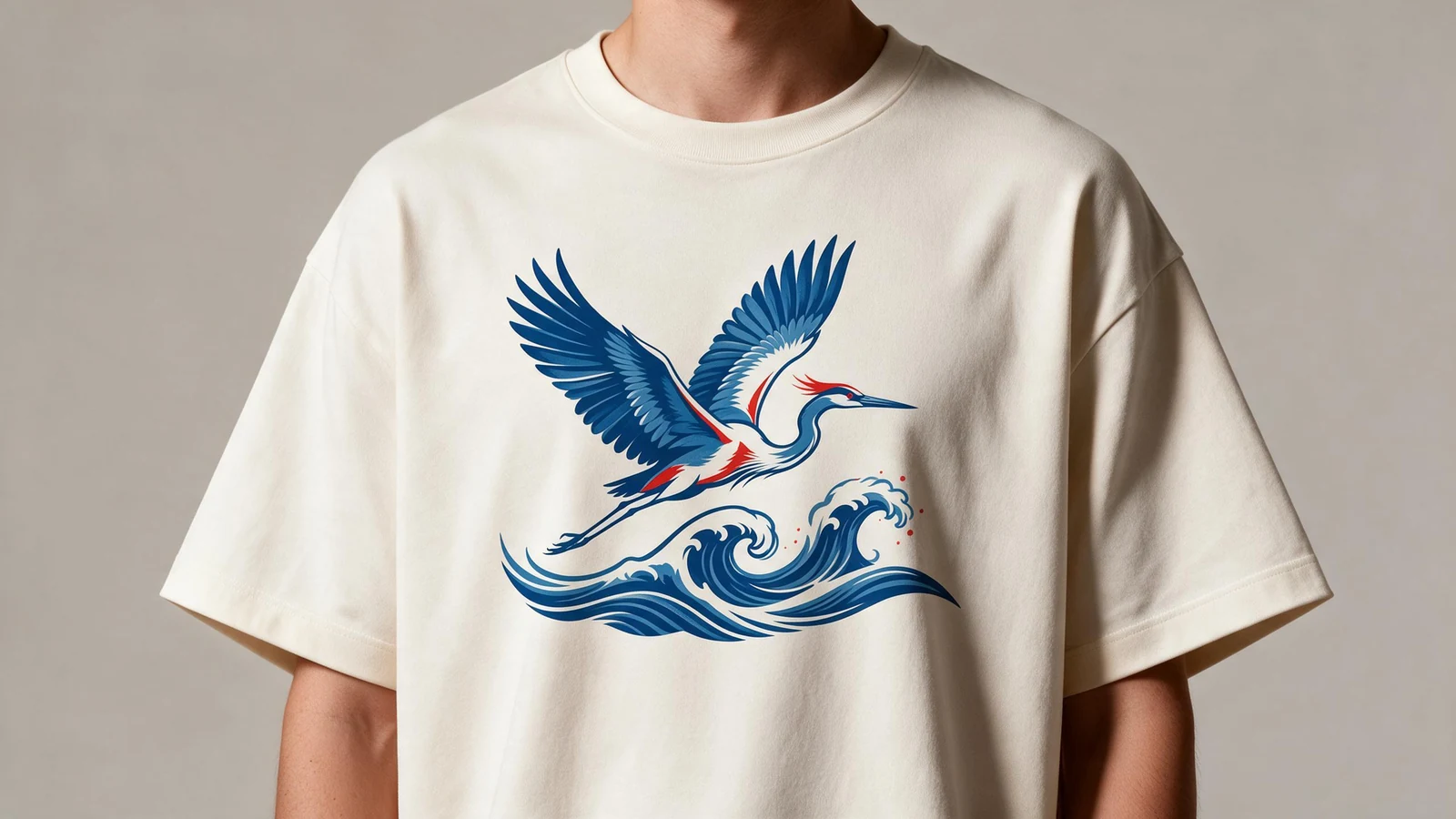
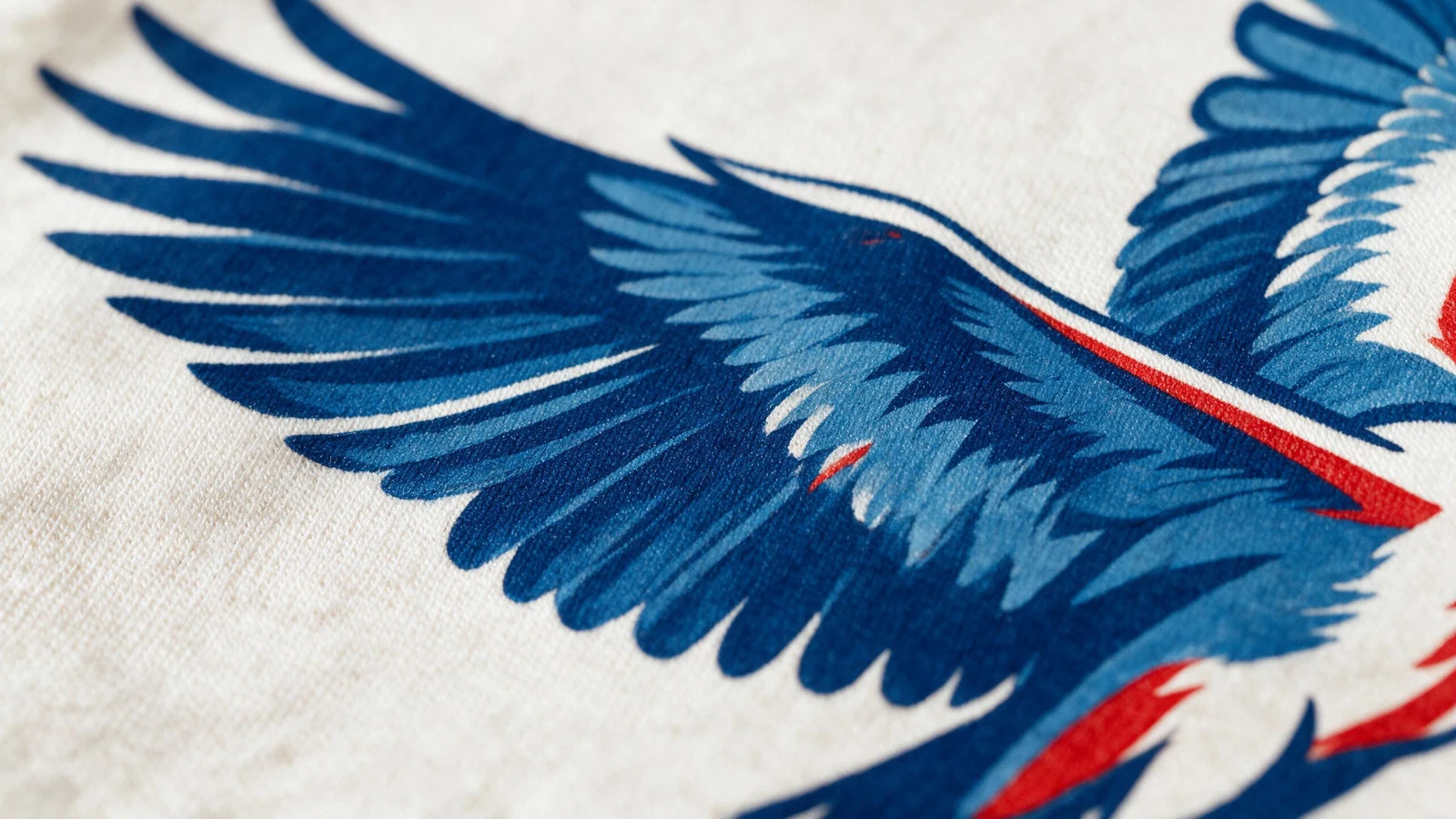
Coverage, backing and placement matter as much as the number of colours in the design.
DTF normally produces a distinct printed surface. Its feel can range from a relatively unobtrusive small motif to a noticeable continuous panel. Do not judge a transfer only by rubbing one corner. Fold the decorated fabric, drape the garment and consider how the printed area sits against the body during ordinary wear.
The simplest design distinction is between open artwork and a filled background. If a botanical illustration has clear space between its leaves, that space can remain exposed fabric. If the same illustration is flattened onto a solid rectangle, the rectangle becomes part of the printed area. Removing an unintended background can change both the appearance and the amount of surface covered.
Colour opacity and flexibility should be discussed together. A pale graphic on a dark garment may need a different backing arrangement from a similar graphic on a light garment. A screen preview does not show the physical contribution of that backing. Likewise, a rich digital gradient does not guarantee that every transition will look identical in print.
Ask to see the full proposed graphic on fabric representative of the planned garment, not only a tiny logo using the same transfer brand. Where comfort across a broad chest or back panel matters, compare the open and solid versions at the intended size. A photograph helps confirm layout; you need the physical decorated fabric to judge handfeel.
DTF, DTG and screen printing: what is different?
Choose between the methods by the desired surface and garment, then compare the actual production proposal.
DTG means direct-to-garment printing. Ink is printed onto the garment itself, with preparation and curing appropriate to the system. Digital garment printing is often considered for detailed graphics on suitable cotton-rich surfaces. DTF first produces a transferable image. Screen printing deposits ink through a stencil and offers a wide range of ink effects. None of these process names, by itself, promises a particular softness or lifespan.
| Decision | DTF | DTG | Screen printing |
|---|---|---|---|
| Where the image is formed | On a release film before transfer | Directly on the garment | Through prepared screen stencils |
| Artwork strengths | Multicolour illustrations and separate small details | Detailed images and tonal work on compatible fabrics | Defined colour areas, selected textures and ink effects |
| Surface to review | The transferred print and its adhesive layer | Interaction between ink, preparation and fabric | Ink type, deposit and any underbase |
| Fabric questions | Heat tolerance, adhesion, finish and dye migration | Fibre content, surface and pretreatment compatibility | Ink compatibility, curing and garment colour |
| Quotation questions | Transfer size, placements and application work | Preparation, print area and garment handling | Screens, colour separations and run setup |
This is a comparison of process principles, not a ranking of finished quality. A well-developed print in one method should not be compared with a poorly prepared example of another. Use the same artwork size, garment colour and review criteria when requesting alternatives.
Do not assume DTF is always cheaper because it avoids screen preparation. Large transfers, several placements, special adhesive requirements and application time can change the comparison. Equally, counting artwork colours alone will not tell you the total cost. Ask for quotes against the same garment brief and quantity.
Fabric and construction limits
A suitable transfer needs both a compatible fabric surface and an accessible pressing area.
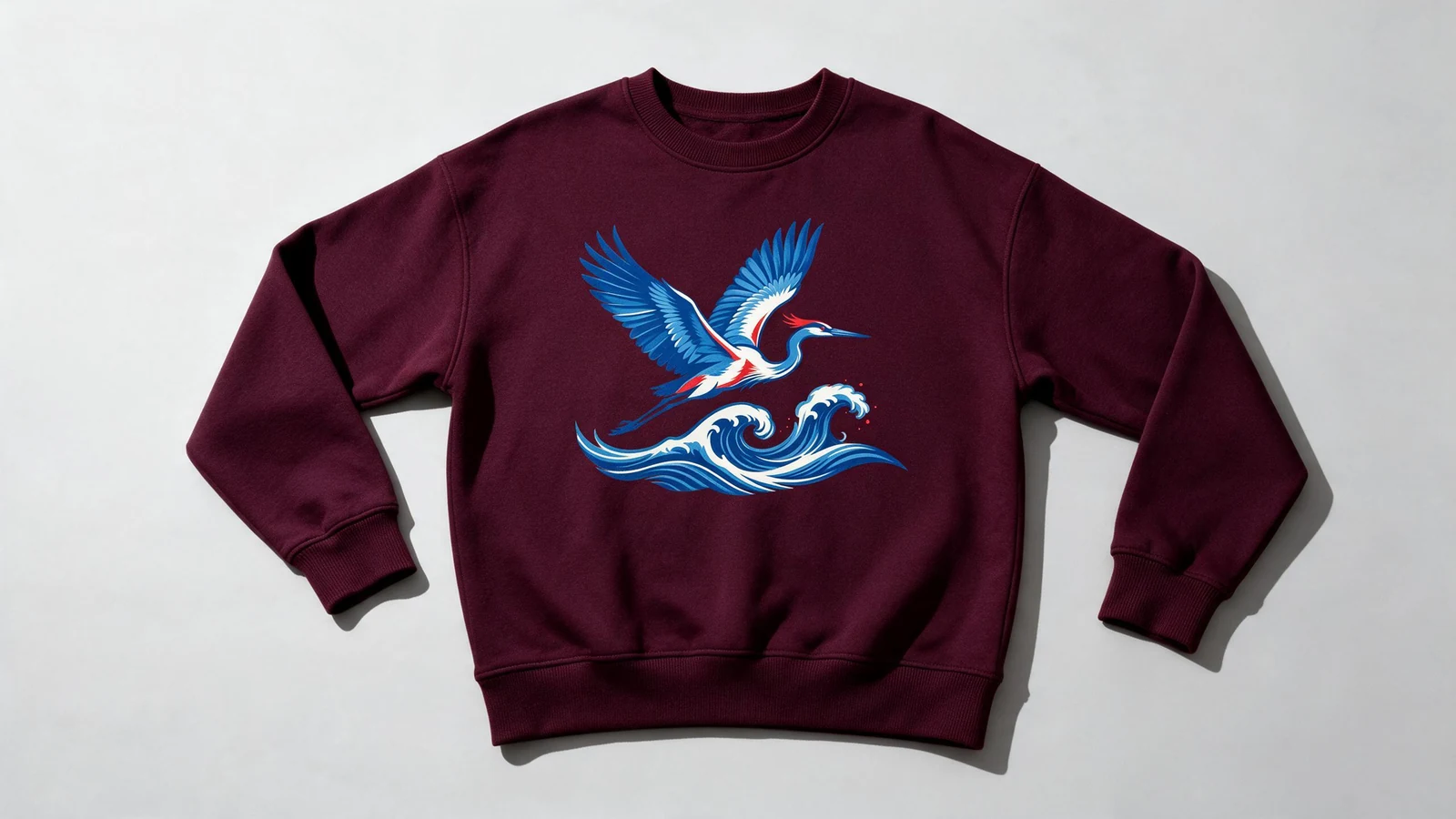
Cotton, polyester and blends can be candidates, depending on the system. That does not mean one adhesive works on every version of those fibres. Surface coatings, water-repellent treatments, fabric texture, stretch and heat sensitivity can all change the development decision. Nylon and coated outerwear deserve specific compatibility checks rather than a generic promise that DTF works on everything.
With some dyed polyester fabrics, garment dye can migrate into the printed area and alter its colour. A blocker or other suitable transfer construction may be needed. The result also needs checking after the initial press, because a clean-looking transfer immediately after application is not the whole assessment. Ask the supplier how it evaluates the chosen garment colour and dye lot.
Construction affects contact with the press. A raised pocket edge, thick side seam or zipper can stop a graphic from receiving even contact across its entire area. Printing near hardware also requires attention to the hardware itself. Put the placement on a garment drawing that includes these features; a rectangle floating on a blank silhouette hides the problem.
For hoodies, consider the position of the hood over a back graphic and the relationship between a front graphic and a kangaroo pocket. Our hoodie back print placement guide separates those visibility decisions from the print process. Moving a graphic to solve a pressing issue can change the design, so approve the revised position deliberately.
Artwork details that deserve a closer look
Review the smallest printed marks and the largest filled areas at their final physical size.
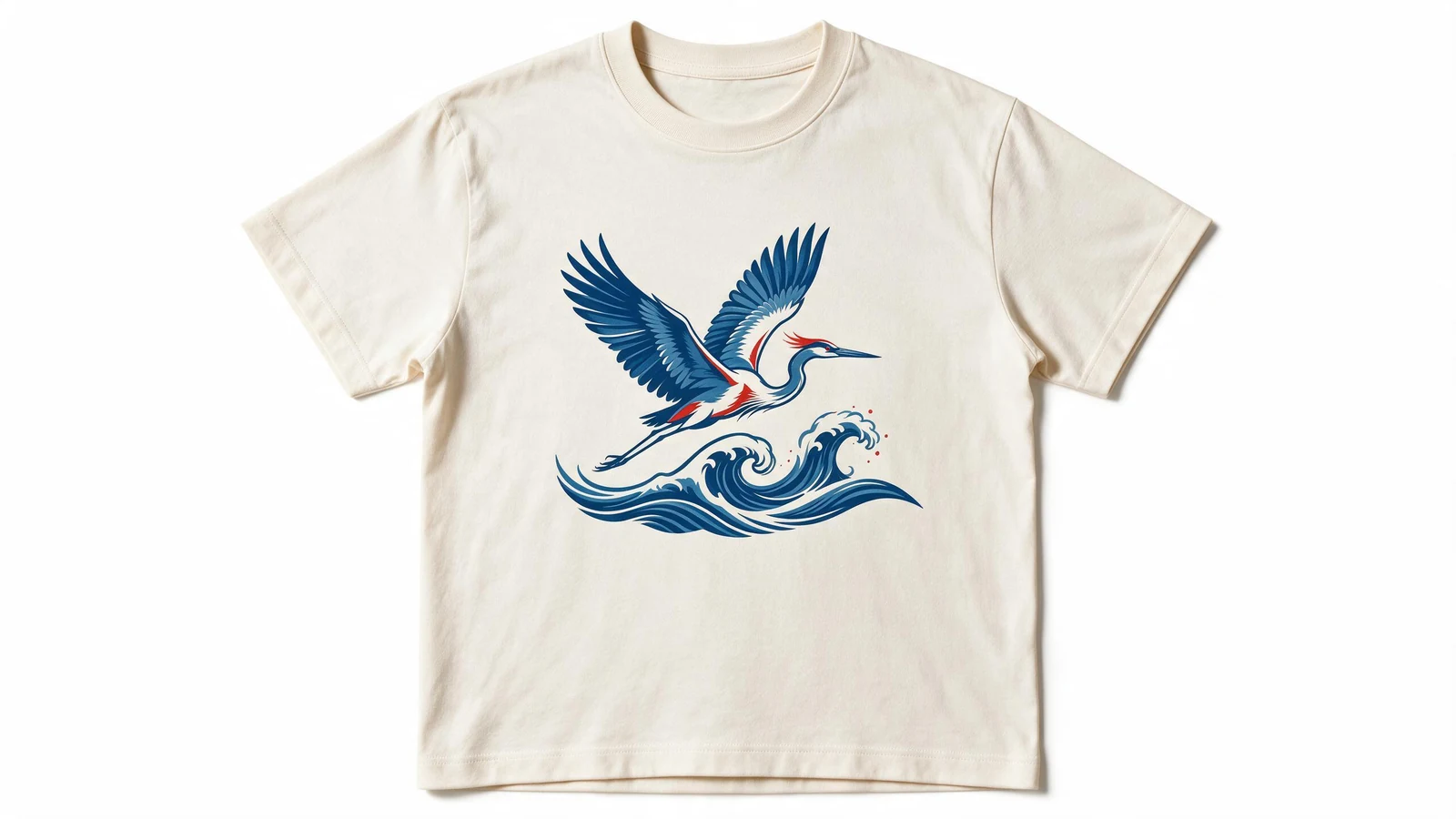
Keep the design's transparent areas intentional. A pale halo around an exported image may be almost invisible on a white screen but obvious on a dark garment. Very fine lines, tiny isolated dots and narrow gaps need a production review. Ask what the chosen transfer system can reproduce reliably rather than applying a universal minimum line width found online.
Small lettering needs more than a sharp digital file. Check counters inside letters, spaces between strokes and the relationship between the white backing and the colour edge. Gradients that fade to transparency also need attention: the team may propose changing the dot structure or edge treatment to make the image reproducible. Approve that change in a preview and a physical sample.
Keep separate files for the original artwork, the production-approved revision and the garment mockup. The streetwear print artwork checklist explains that handoff in more detail. For an initial discussion, however, a clear reference and a short explanation of the desired look are enough to start identifying the open decisions.
How to assess a DTF sample
Approve appearance, comfort and performance separately; one good photograph cannot establish all three.
Start with the approved artwork beside the decorated garment. Check that the dimensions, direction, colour areas, open spaces and placement match. Look for an unintended background, visible adhesive around the edge, missing fine marks and distortion caused by positioning. If the sample uses a substitute fabric, record it so the approval is not silently applied to a different production material.
Next, handle and wear the sample as appropriate for the garment. Examine edge adhesion and how the decorated area bends with the fabric. A large solid design deserves attention to drape and local stiffness. Do not use an extreme hand stretch as proof of either failure or durability; agree a review method that reflects the intended fabric and use.
Set care and performance criteria before evaluating laundering. Record the intended washing and drying instructions, what will be examined afterwards, and which changes are unacceptable. Possible observations include edge lifting, colour change, loss of fine detail or distortion of the surrounding fabric. Test conditions and acceptance criteria belong to the project, not to a generic claim that DTF survives a fixed number of washes.
If the sample needs correction, describe the observed issue rather than prescribing extra heat. A lifting edge can have several causes, and an unapproved temperature increase could damage the fabric. Retain the approved revision and record which fabric, colour and process combination it covers. The clothing sampling guide shows how this approval fits into garment development.
DTF printing questions
Does the clear film stay on the clothing?
No. The film is a temporary release carrier. After the specified pressing and peeling steps, the image and adhesive remain on the garment. The peeling method depends on the transfer product; the carrier should not be confused with an intentional clear background in the design.
Is DTF the same as sublimation?
No. DTF bonds a printed transfer using adhesive. Sublimation uses a different dye-transfer mechanism and has different material requirements. Selecting one because both involve heat can lead to the wrong fabric or visual expectation.
Can DTF look soft and still have bright colour?
It can produce bright, flexible graphics, but softness is not guaranteed by the process name. Printed coverage, transfer construction and the garment all contribute. Compare a physical sample of the intended full design, especially when it contains a large filled background.
Can a DTF graphic cross a seam or zipper?
That requires a specific construction and application review. Raised components can interrupt even pressure and make placement difficult. A design divided across a zipper also needs alignment planning. Treat a normal flat-panel transfer as a starting point, not proof that an over-seam placement is suitable.
What should I send for a DTF clothing enquiry?
Start with a graphic reference, the garment you have in mind and the approximate placement. Add fabric, colours, dimensions and quantity if known; missing details can be discussed. GoVoloom's public MOQ is 100 pieces. Process suitability, sample scope, pricing and timing require written confirmation for the project.
To explore a printed T-shirt project, send your reference and question. The explanation above describes general printing principles; available production arrangements and the result for your specific design are established through project review and sampling.
