
Adult Clothing · Starting a Brand
How to Simplify a Clothing Design When the First Quote Is Too High
If your first clothing quote is too high, decide which features must stay. Then ask the supplier to price specific alternatives using the same order quantity and delivery scope. Start with features that add least to the product. Compare the full cost of the revised order. Review the changed sample before approving production. Fewer details do not always mean a cheaper garment or the same result.
This process is for a brand with a defined design and an initial supplier quote. If the affordable buying cost is still unclear, first work through the retail-price and first-order decision. An unexplained target price gives the supplier too little information about what can change.
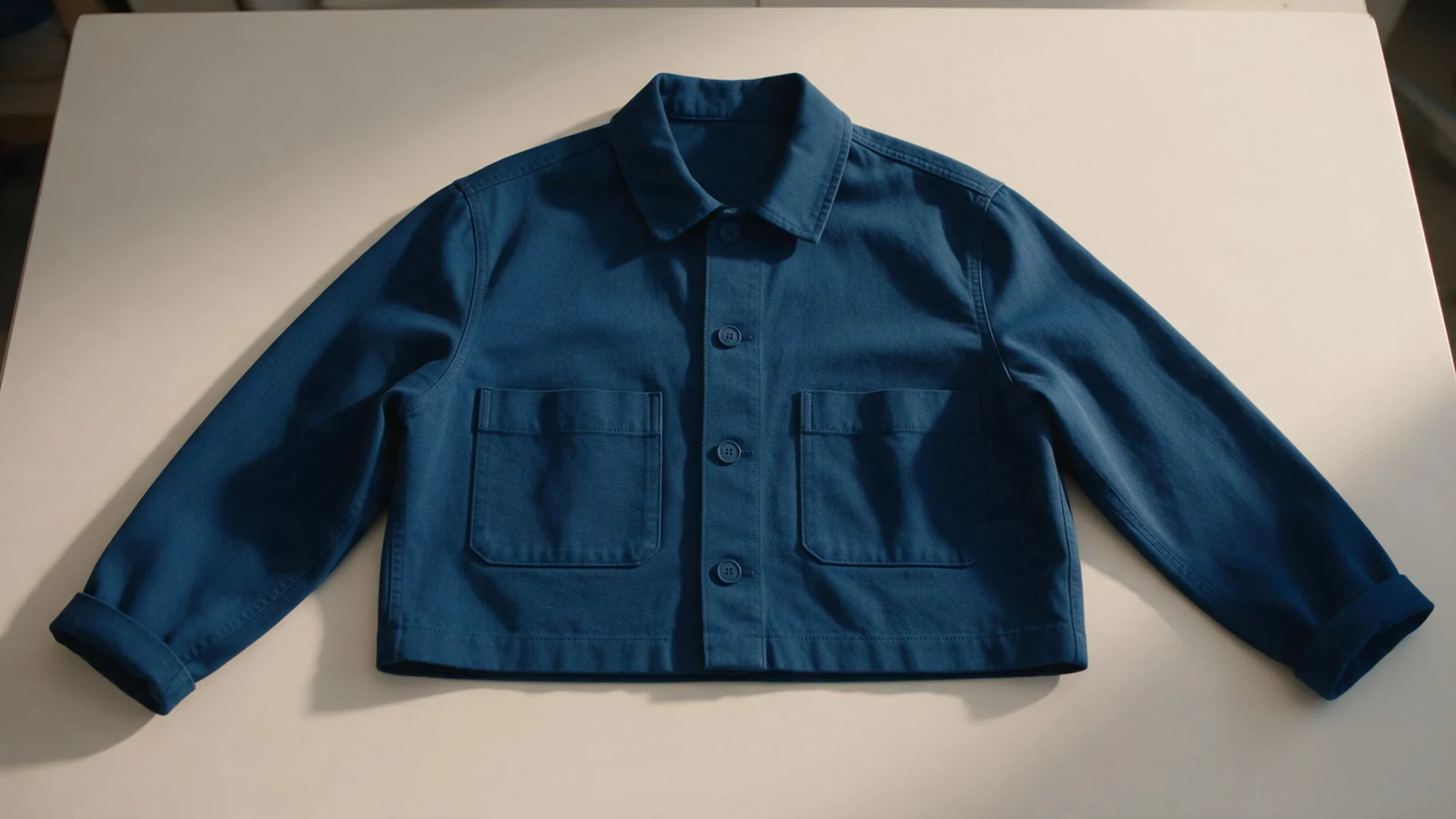
1. Keep one complete quote as your baseline
Save the original specification and quote together. Record the garment reference and specification revision. Add the fabric and trim references, sizes, colours and quantity. Note the currency, delivery basis and how long the quote is valid. Keep development charges, packaging, inspection arrangements and delivery exclusions visible. Use the quote-scope checklist to identify unanswered items.
Ask the supplier which features or sourcing requirements make this design difficult to price within your limit. Production costs may depend on a sewing step, a trim minimum or a fabric choice. The most complex-looking detail may not be the main cost driver. The supplier may not share a full cost breakdown. You can still request prices for specific alternatives.
Keep order quantity and delivery scope unchanged while comparing design options. If they must change too, label that quote as a separate scenario. A lower unit cost may come from a larger order or fewer included services. Check that the saving comes from the design change.
2. Decide what makes this garment worth buying
Write two short lists: the features that define the brand's product, and the functions the wearer needs. Take an adult jacket as an example. Its key design features might be a short, boxy shape and one distinct panel line. The wearer may need a secure closure, useful pockets and enough room to move. These are design priorities, not evidence of customer demand.
Mark each feature retain, open to an alternative or remove only after review. Explain why. A distinctive pocket may be central to the design even if it looks decorative. Conversely, a second logo location may add little to the product's identity.
Keep measurements and acceptance requirements explicit. “Same fit” is too vague when a revision changes panels or construction. Define the measurements and wearing checks that protect the intended fit and silhouette. A cheaper version must still meet those requirements.
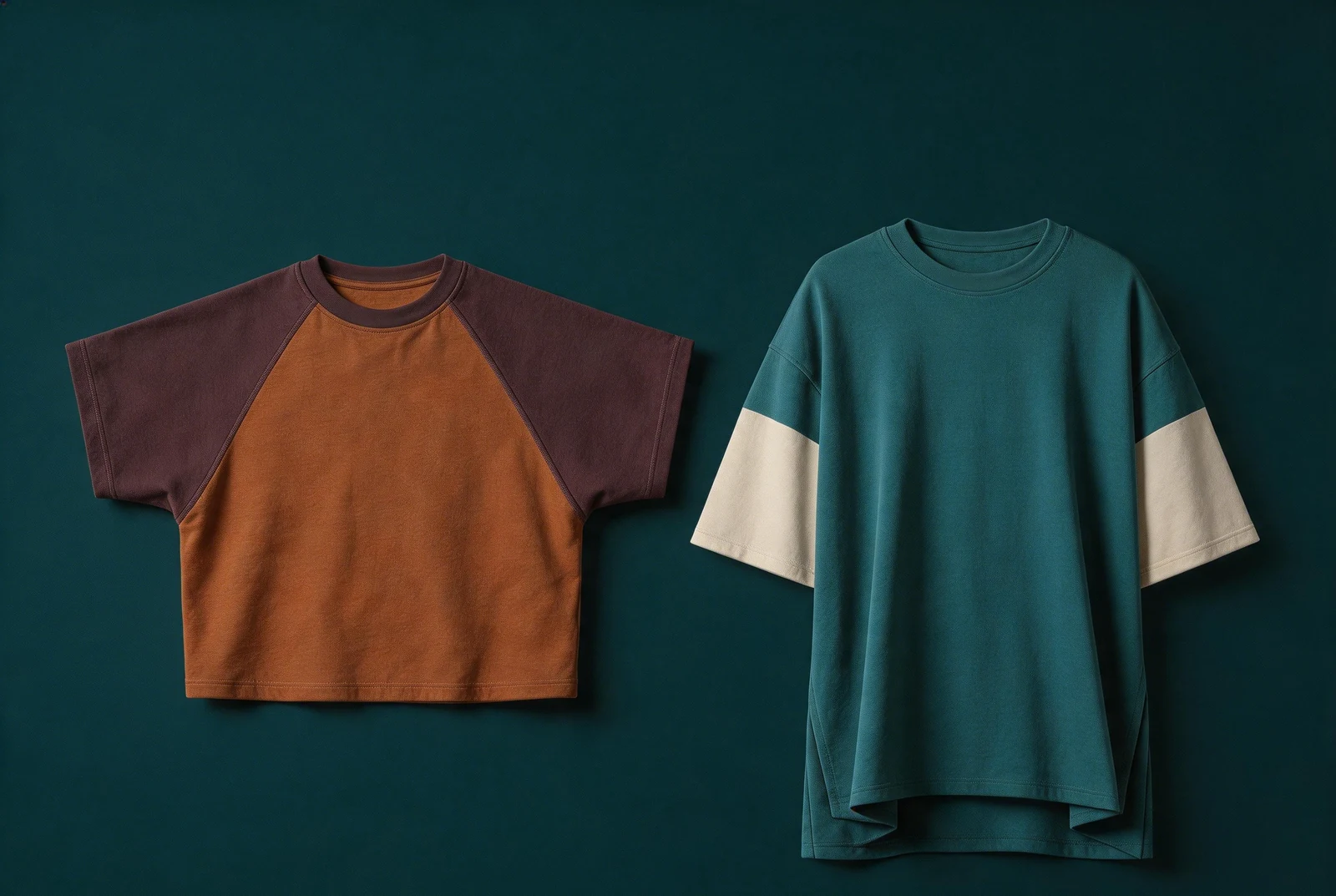
3. Compare specific alternatives, not a general instruction to cut cost
Shortlist a few changes the supplier can evaluate. Use the options below as questions for the supplier. Each still needs a check for availability, fit for the project and cost.
| Candidate revision | What to ask for | What to check before accepting |
|---|---|---|
| Remove a secondary decoration | Requote the same garment without the named sleeve mark; keep the main artwork unchanged. | Brand recognition, visual balance and whether the remaining application still has the same setup requirements. |
| Replace a custom trim | Identify an available alternative with its own reference, finish and attachment details. | Appearance, dimensions, function, compatibility and the actual purchase minimum. |
| Simplify a decorative panel | Show the proposed pattern and seam change, including any necessary replacement construction. | Silhouette, movement, material use and whether the panel had a structural purpose. |
| Change a pocket detail | Define exactly which flap, fastening or extra layer changes; retain the required pocket function. | Access, capacity, closure, reinforcement and the finished appearance. |
Do not ask for “a cheaper equivalent” without defining what must remain equivalent. For a material substitution, record the proposed fabric reference and review its appearance and behaviour in the garment. A similar colour or a lower weight is not enough to approve it.
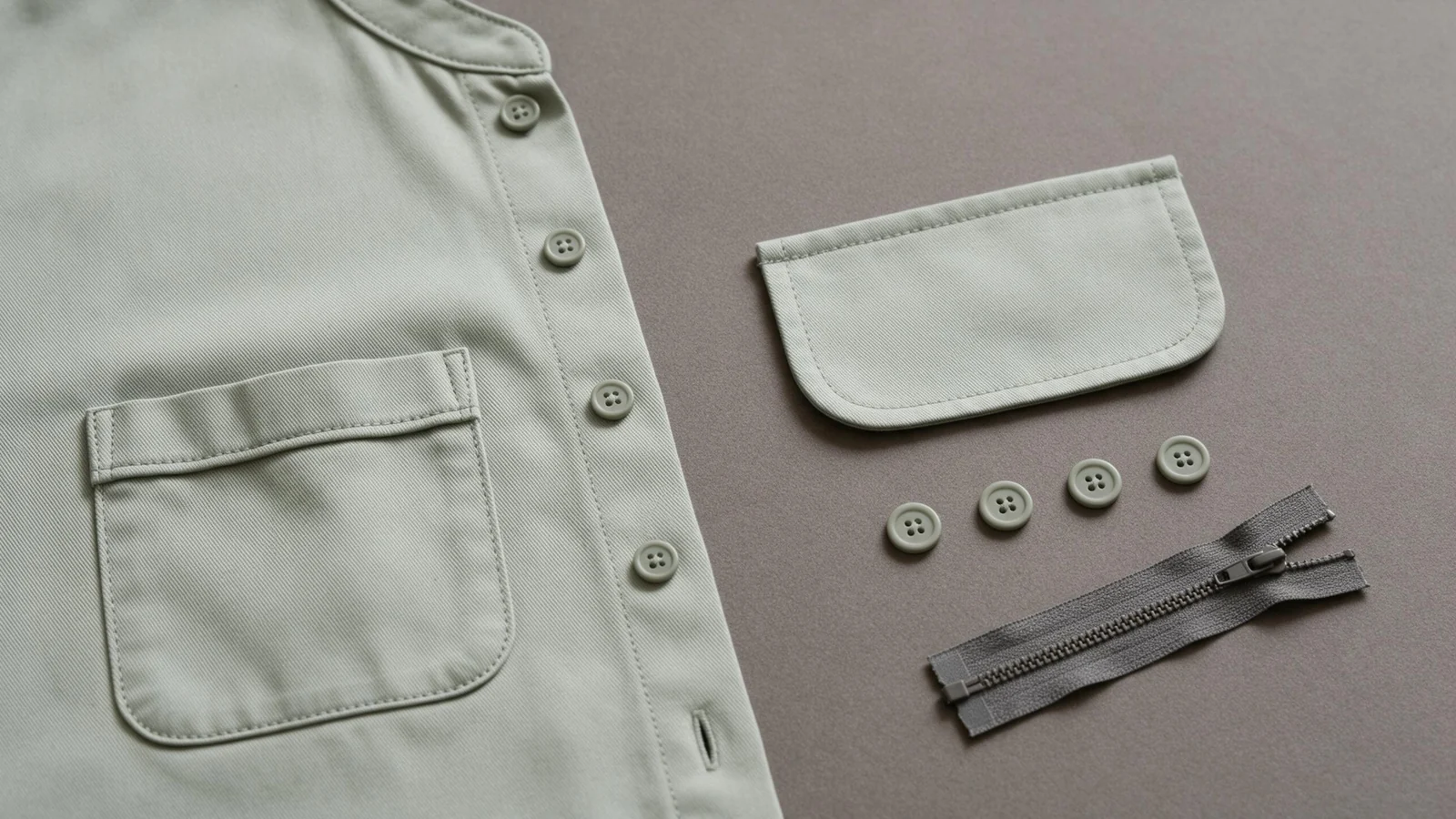
4. Separate each change and identify its dependencies
Where practical, ask for one changed feature per option, each compared with the original baseline. This makes the tradeoff easier to judge. If removing a panel also requires a new pocket attachment, treat those dependent changes as one named package. Do not attribute the resulting price difference to the panel alone.
Construction details affect one another. Coats' thread-costing guidance lists factors that affect how much thread a seam uses. These include stitch and seam type, fabric thickness, the number of layers and stitch density. Counting visible seam lines cannot establish the revised material use or garment price.
Coats' seam guide also explains that assembly seams carry loads and that stitch and thread choices depend on the application. Review the construction before making a change. Which joins carry load? Which edges need finishing? Which details only affect the look? If you remove reinforcement or change a seam, check the result again. Do not assume it will perform in the same way.
Ask whether the alternative affects pattern work, cutting layout, assembly order or finishing. Record the supplier's answer as project information. Do not estimate a fixed saving from the number of pieces or operations removed.
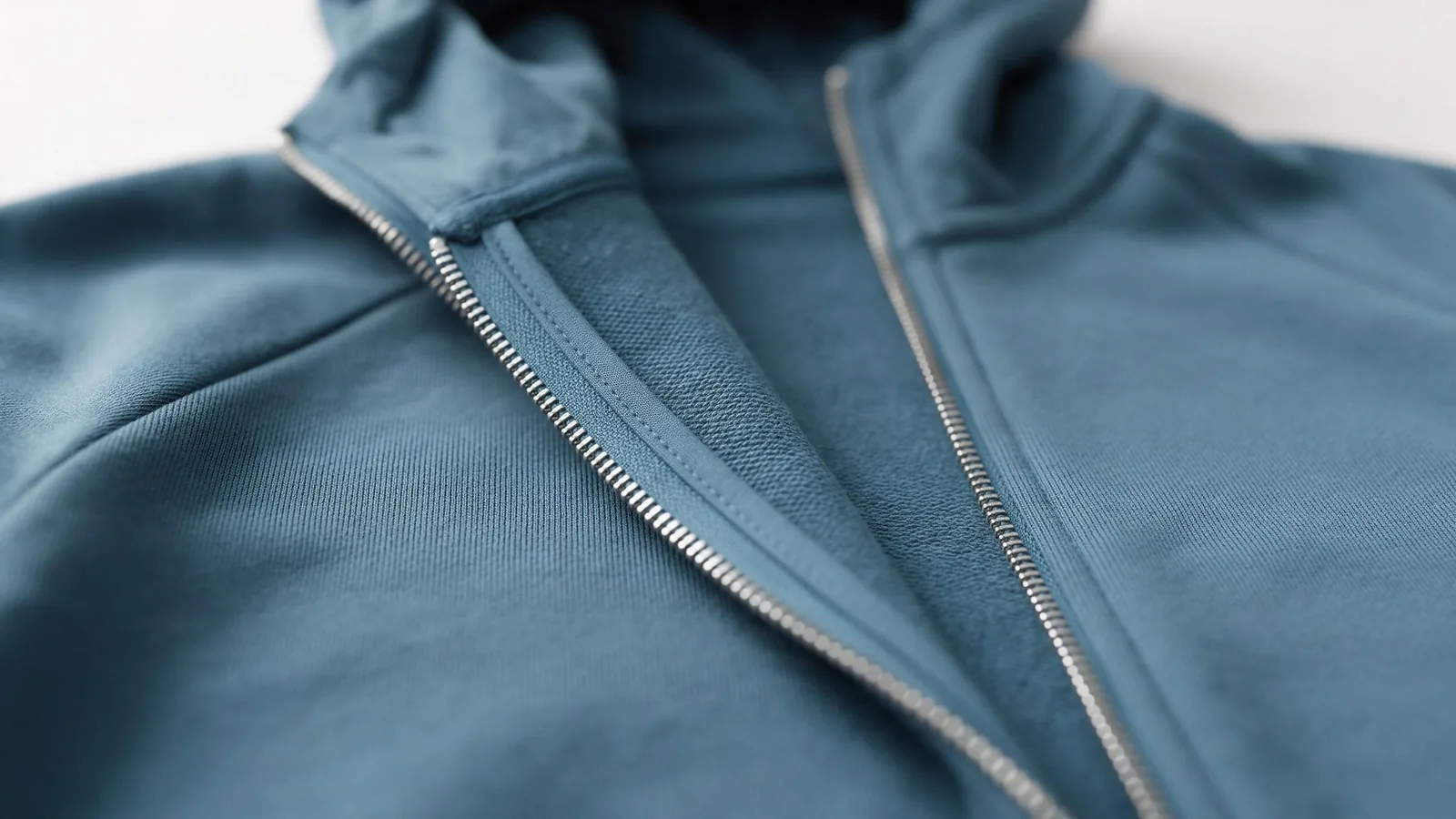
5. Compare the whole commitment at the intended quantity
Place each revised quote beside the original using the same fields. Compare the goods subtotal and any separately charged pattern, sample, setup, testing, packing or delivery work. Avoid counting a charge twice when it is already included. Record when each payment would be due.
Check minimum order quantities for the garments, fabric and custom trims separately. Each may have different terms. Ask whether the alternative requires buying more material than the order needs. Check whether the quote includes the cost of that extra material and who owns it. Agree how any remaining material will be stored or used later. Do not assume a common trim is available in the required colour and quantity.
Ask what you or the supplier have already ordered or approved. You may still owe for that material or development work after a design change. If a lower unit price requires more garments, show the larger total cost. Include the risk of holding extra stock. That is a quantity decision as well as a design decision.
6. Send a revision brief that cannot be mistaken for approval
Give the requested alternative a new revision identifier and date. Preserve the original instead of overwriting it. The tech-pack worksheets can help organise the specification and supporting references.
Include the original quote reference and name the exact feature to change. Add a marked drawing or image. List the details to keep and the questions that need a new price or sample. Ask the supplier to confirm any related changes and exclusions. Label unselected alternatives as options, not production instructions.
Here is an example request: “Please requote option B against revision A. Remove only the secondary sleeve decoration. Keep the main artwork, fabric reference, measurements, quantity and packing scope unchanged. Identify any additional development charge or dependent change. This request is for comparison; it is not production approval.”
Keep a short change log. Record the revision, change and reason, plus the quote and sample references. Add the review result and who owns the decision. If you combine several options, request a new quote for the full specification. The combined cost may differ from the sum of the separate quoted changes.
7. Review the revised sample, then keep, revise or pause
Agree which sample and checks are needed for the changed design. Check the sample against the requirements you kept. Review measurements and movement, then try the pockets and closures. Check seams, artwork placement and how the material behaves where the design changed. Agree any needed wash or performance checks with the supplier. A photograph cannot prove those results.
Approve a clearly identified specification and sample only after unresolved changes are closed. The revised price may fit your budget while the garment loses a key feature or function. In that case, rethink the product or pause it. Aim for a design that meets your needs at a cost you can afford. The lowest quote alone is not enough.
Ready to discuss a revision with GoVoloom? Share the original quote scope and your current design revision. List the alternatives you want us to assess. MOQ: 100 pieces. Suitability, material and trim requirements, pricing and sample work need confirmation for the specific project.
